A City Under Siege: The Genesis of a Crisis
The narrative of "Suzuki=Bakudan" unfolds on a seemingly ordinary night in the bustling metropolis of Tokyo. The initial spark of the unfolding crisis ignites with the arrest of a middle-aged homeless man by officers Sara Koda (Sairi Ito) and her senior partner Taito Yabuki (Ryota Bando). The man is apprehended for vandalizing a vending machine and assaulting a convenience store assistant who intervened. Brought to a local police station, his interrogation by young detective Isao Todoroki (Shota Sometani) takes an unexpected turn. The man’s identity, purportedly "Suzuki," is immediately suspect, given that Suzuki is the most common surname in Japan, akin to "Smith" in English-speaking countries, suggesting a deliberate attempt at anonymity.
Adding to the intrigue, the man claims an inability to recall his recent past but asserts a peculiar gift of clairvoyance—a heightened sixth sense—which he claims has alerted him to an impending event in the Akihabara district. Initially dismissed by the detectives as another intoxicated individual, their skepticism evaporates when a bomb detonates precisely in the location he had "envisioned." This chillingly accurate premonition forces the authorities to reassess the man’s claims, shifting him from a mere nuisance to a figure of grave concern.
Escalation and the Cat-and-Mouse Game
The stakes are dramatically raised when a second, equally precise prediction by the suspect proves true. The man, now no longer treated as a drunk but as a potential terrorist, is transferred to the custody of Teruji Kiyomiya (Atsuro Watabe), a seasoned negotiator from the First Investigation Division’s Violent Crimes Unit. Kiyomiya is assisted by his subordinate, Ruike (Yuki Yamada), as they prepare to engage with the enigmatic "Suzuki."
What ensues is a high-stakes game of psychological warfare, a tense cat-and-mouse chase where "Suzuki" begins to reveal a chilling truth: multiple bombs have been strategically planted in densely populated areas across Tokyo, with detonation imminent. However, he maintains a facade of detachment, insisting he has no direct knowledge of the devices themselves, attributing his fragmented memories to a state of hypnosis. His pronouncements regarding the impending explosions become increasingly esoteric, delivered in the form of riddles and provocative questions that delve into the detectives’ personal lives, subtly probing their deepest vulnerabilities.
This intricate web of deception and foreboding gradually reveals a connection to a disgraced former police officer named Hasebe (Masaya Kato). Hasebe, once Todoroki’s partner, had taken his own life years prior following a significant scandal. His tragic past now appears to cast a long, ominous shadow over the unfolding investigation, suggesting a deeper, more personal motive behind the bombings.
The Allure of the Unhinged Antagonist
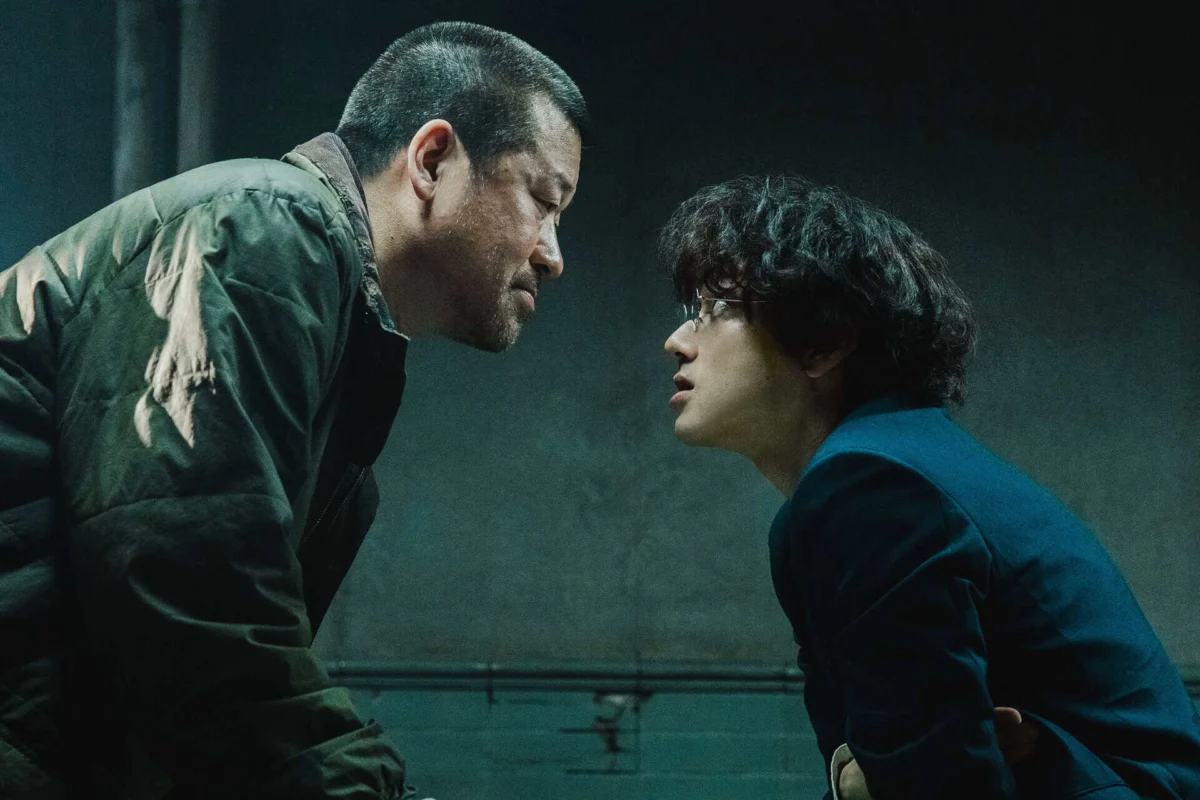
The effectiveness of any thriller often hinges on the strength of its antagonist, and "Suzuki=Bakudan" excels in this regard. The character of Suzuki, portrayed with unsettling intensity, serves as the narrative’s central driving force. His evolution from a seemingly pathetic, inebriated vagrant to a calculating orchestrator of terror, possessing a keen insight into the darker aspects of human psychology, is a captivating spectacle. The film dedicates a significant portion of its runtime, roughly two-thirds, to the confines of the interrogation room. Within this claustrophobic setting, Suzuki systematically escalates the tension, relentlessly testing the boundaries and resilience of his interrogators.
Despite the static nature of these interrogation scenes, the film masterfully sustains a palpable sense of suspense. This is achieved through a deliberate juxtaposition with the chaotic, frenetic energy of Tokyo’s urban landscapes, where the devastating consequences of Suzuki’s actions begin to manifest. Meanwhile, the initial arresting officers, Koda and Yabuki, continue their own parallel investigation in the field, offering a much-needed change of pace and perspective, and allowing for the exploration of the broader implications of the unfolding crisis beyond the interrogation room.
Thematic Depth and Performance Prowess
The film delves into profound themes of societal alienation, the psychological toll of trauma, and the blurred lines between justice and vengeance. The "Suzuki" character, in his enigmatic pronouncements, touches upon systemic failures and the societal neglect that can drive individuals to extreme measures. His clairvoyant claims, while central to the plot’s progression, can also be interpreted as a metaphor for a heightened awareness of societal decay and impending doom, a sentiment that resonates with the anxieties of modern urban life.
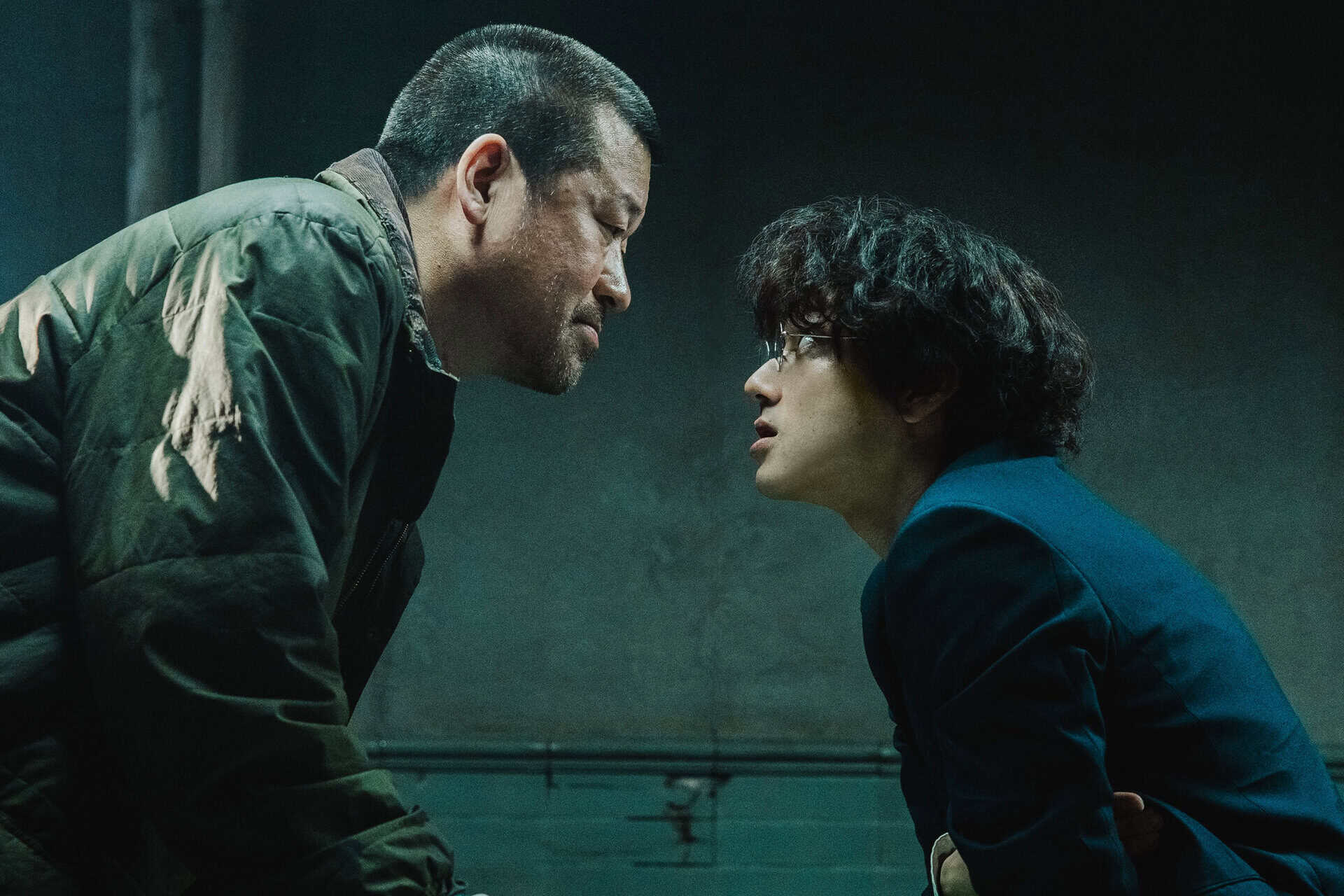
The performances are a cornerstone of the film’s success. Jiro Sato, whose portrayal of the titular antagonist is particularly lauded, delivers a performance that is both disturbing and mesmerizing. Sato imbues Suzuki with layers of madness, chilling ingenuity, and a palpable sense of social retribution, making him a complex and unforgettable character. His presence dominates the narrative, transforming the interrogation scenes into compelling psychological duels. The supporting cast, including Sairi Ito, Ryota Bando, Shota Sometani, and Atsuro Watabe, provides solid performances that anchor the film and effectively convey the mounting pressure and desperation of the investigators. Their interactions with Suzuki highlight the human element amidst the high-stakes drama, showcasing the emotional and mental fortitude required to confront such a formidable foe.
Critical Reception and Box Office Success
The film’s success in Japan, exceeding the 2 billion yen mark at the box office, underscores its broad appeal to domestic audiences. This strong performance is a testament to its ability to blend intricate plotting with compelling character development, themes that resonate with Japanese societal concerns, and a gripping sense of urgency. The subsequent international release on Netflix has further amplified its reach, indicating a growing global appetite for high-quality Japanese crime thrillers. The film’s entry into the top 10 non-English titles on the platform, with 2.8 million views in its first week, signifies a significant international reception, positioning it as a notable export in the global entertainment market.
The comparisons to "Se7en" and "Joker" are not merely superficial. The riddle-driven plot of "Suzuki=Bakudan" echoes the intellectual challenge presented in "Se7en," where detectives must decipher cryptic clues to apprehend a serial killer. Similarly, the exploration of a disturbed individual driven by perceived societal injustices and a warped sense of purpose draws parallels with the character study in "Joker." These comparisons suggest that "Suzuki=Bakudan" taps into established tropes of the crime thriller genre while infusing them with a distinct Japanese sensibility and narrative style.
A Look at the Broader Impact and Implications
The success of "Suzuki=Bakudan" has significant implications for the Japanese film industry and its international distribution. It demonstrates that films with complex narratives, dark themes, and compelling antagonists can achieve both critical acclaim and commercial success on a global scale, particularly when leveraging streaming platforms for wider distribution. The film’s ability to attract millions of viewers on Netflix suggests a robust demand for international content that offers diverse storytelling perspectives.
Furthermore, the film’s engagement with themes of societal alienation and the consequences of neglect could spark conversations about social issues within Japan and beyond. The narrative’s exploration of how individuals can be pushed to the brink by systemic failures and personal trauma provides fertile ground for societal reflection. The film’s critical reception and commercial performance position it as a strong contender in international film festivals, such as its current screening at the Udine Far East Film Festival, further cementing its status as a noteworthy cinematic achievement.
Analysis of the Narrative Arc and Conclusion
While the film’s narrative build-up and characterizations are widely praised, the third act has been noted by some critics as being less impactful. This perceived dip in momentum is attributed to a plot that becomes somewhat convoluted, a lengthy exposition that potentially diminishes the suspense, and an abundance of twists that may strain credulity for some viewers. Despite these criticisms of its concluding segment, the film as a whole is considered a highly entertaining and tension-filled thriller. Its enduring strength lies in the powerful central performance and a premise that effectively sustains audience engagement throughout its runtime.
The visual aesthetic of "Suzuki=Bakudan" further enhances its chilling atmosphere. Immersed in a cold, dark visual palette, the film employs a stylish and evocative cinematography that contributes to its hypnotic and unsettling mood. This deliberate choice in visual presentation amplifies the psychological tension and underscores the bleakness of the narrative.
In summation, "Suzuki=Bakudan" stands as a testament to the power of compelling storytelling and masterful performance in the crime thriller genre. Despite a slightly uneven denouement, its strengths—a memorable central character, a gripping premise, and a strong cast—ensure its place as a tense and engaging cinematic experience that captivates viewers until its final moments. Its international success further solidifies its position as a significant contribution to contemporary Japanese cinema.