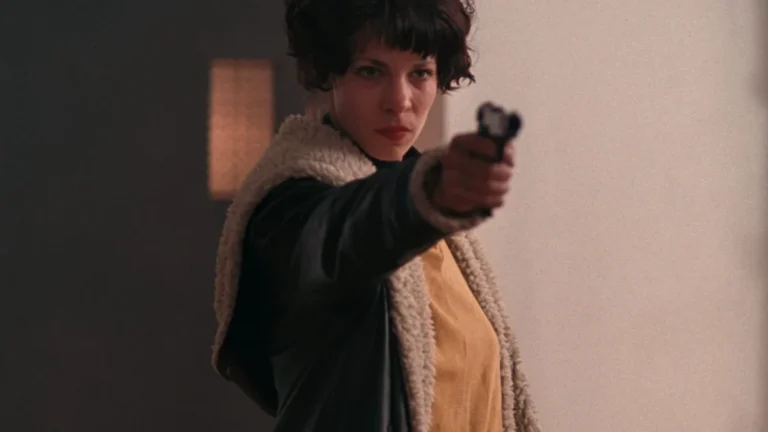

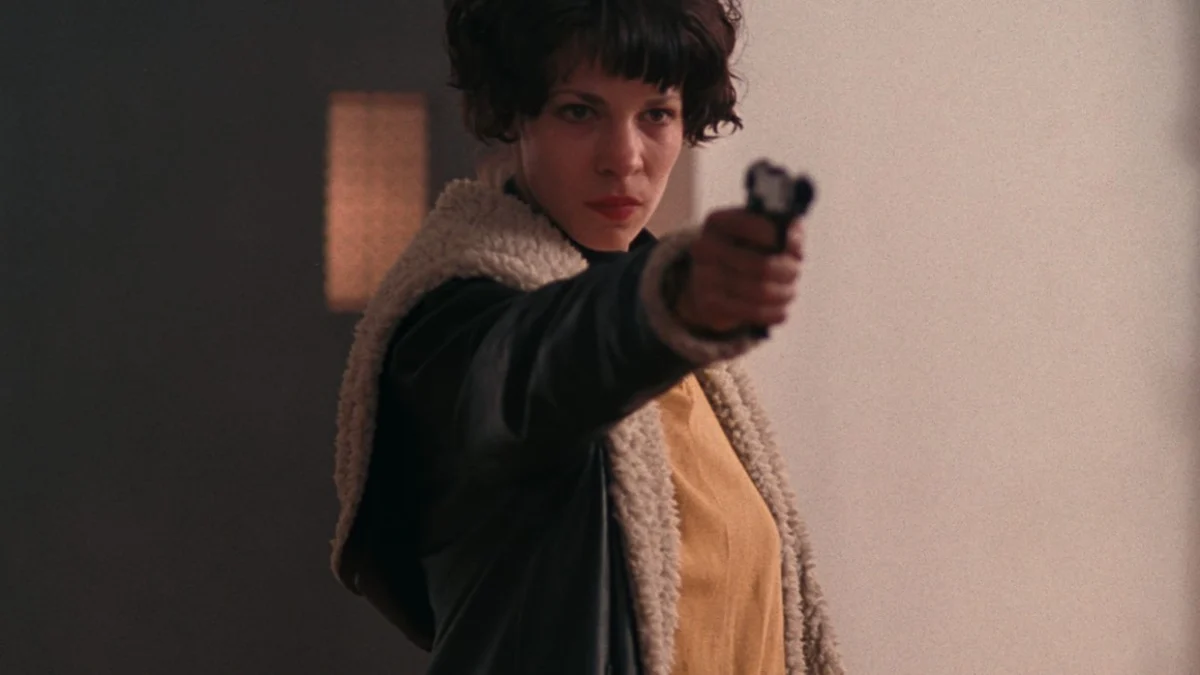
The cinematic landscape of the 1990s was defined by a surge in independent filmmaking that sought to challenge mainstream narratives, and few films encapsulated this spirit more provocatively than Mary Harron’s 1996 debut, I Shot Andy Warhol. Nearly three decades after its initial release, the film has returned to the public consciousness through a meticulous 4K restoration, supervised by its original cinematographer, Ellen Kuras. This restoration offers a renewed opportunity to examine the life of Valerie Solanas, the radical feminist who attempted to assassinate the titan of pop art, Andy Warhol, in 1968. The film, which stars Lili Taylor in a career-defining performance, remains a critical document of New York’s downtown art scene and the volatile intersections of gender, power, and mental health.
The Historical Context of the 1968 Shooting
To understand the weight of Harron’s film, one must first look at the historical events that inspired it. On June 3, 1968, Valerie Solanas entered Andy Warhol’s studio, known as The Factory, and fired three shots at the artist. Warhol was severely wounded, and the event marked a permanent shift in his life and work, leading to a period of increased reclusiveness and a literal physical scarring that he would later document in photographs.
Solanas was not a random assailant but a writer and intellectual who had drifted into Warhol’s orbit. She was the author of the SCUM Manifesto (Society for Cutting Up Men), a radical feminist tract that argued for the elimination of the male sex and the overthrow of the government. While many in the 1960s dismissed Solanas as a "crazed" outsider, her manifesto has since been recognized as a sophisticated, albeit extreme, work of social satire and political theory. Before the shooting, Solanas had grown increasingly frustrated with Warhol’s refusal to produce her play, Up Your Ass, and she believed he was exercising undue control over her intellectual property.
The 1996 Production and the Indie Film Movement
Mary Harron’s journey to bring this story to the screen began in the late 1980s while she was working as a researcher for the BBC. During her research for a documentary on Warhol, she encountered the SCUM Manifesto in a left-wing bookstore. Harron was struck by the quality of the writing, which she has compared to the stylish irony of Evelyn Waugh. At the time, Solanas was largely forgotten, a footnote in the Warhol hagiography.
The production of I Shot Andy Warhol took five years to materialize. Harron faced significant hurdles, both in terms of funding and navigating the complex legacy of the Factory. The film eventually became a cornerstone of the 1990s New York independent film scene, produced by Christine Vachon and Tom Kalin. The cast was a "who’s who" of the decade’s indie talent, including Martha Plimpton, Michael Imperioli, and Stephen Dorff, the latter of whom portrayed the iconic trans actress Candy Darling.
One of the film’s most distinct elements is its soundtrack. Harron originally intended to use music by the Velvet Underground, but after being denied permission by Lou Reed, she commissioned John Cale to compose the score. This decision ultimately benefited the film, as Cale’s work provided a haunting, atmospheric backdrop that felt like a "living document" of the era rather than a mere period reconstruction.
Technical Details of the 4K Restoration
The 4K restoration of I Shot Andy Warhol aims to preserve the specific visual language established by Harron and Ellen Kuras. Kuras, who later gained acclaim for her work on Eternal Sunshine of the Spotless Mind, utilized a naturalistic lighting style that contrasted the "dream world" of the Factory with the gritty reality of Solanas’s life in welfare hotels.
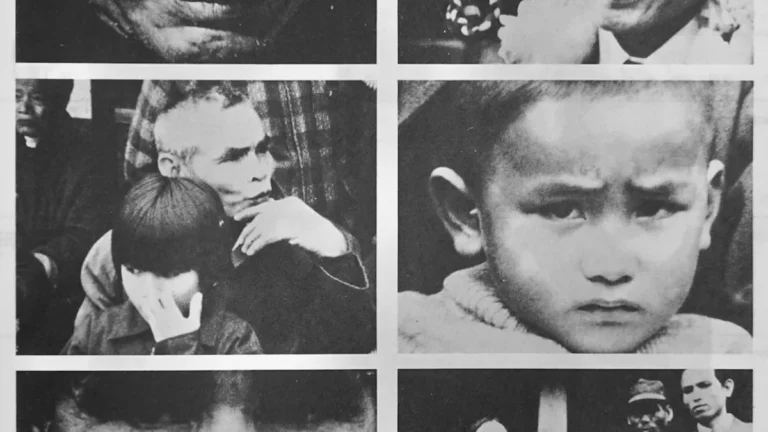
Harron has noted that the restoration reveals the subtle use of colored light and negative space, drawing inspiration from the photography of Diane Arbus and the Magnum agency. The goal was to achieve "poetic realism"—a look that is gritty and authentic without being overly stylized. By returning to the original negatives, the restoration team has enhanced the textures of the Super 8 sequences and the naturalistic available light that defined the look of mid-90s cinema, such as Larry Clark’s Kids.
A Chronology of the SCUM Manifesto’s Reception
The cultural standing of the SCUM Manifesto has undergone several shifts since its publication:
- 1967–1968: Solanas self-publishes the manifesto, selling copies on the streets of Greenwich Village for "two dollars for men, one dollar for women." It is largely ignored by the mainstream.
- Post-1968: Following the shooting, the manifesto is published by Maurice Girodias of Olympia Press. It gains a cult following among radical feminist circles but is dismissed by the broader public as the work of a mentally ill woman.
- 1980s–1990s: The text is reclaimed by academic feminists and underground art movements. Harron’s film plays a pivotal role in reintroducing Solanas as a complex figure rather than a simple villain.
- 2000s–Present: The manifesto is republished globally and debated in the context of contemporary gender theory. It has been cited by various groups, ranging from radical feminists to those exploring the boundaries of political satire.
The "Factory" Economy and Gender Dynamics
A central theme in both the film and Harron’s analysis is the "gendered economy" of Warhol’s Factory. Harron depicts the Factory as a space that mirrored the ruthlessness of a Hollywood studio. Warhol possessed an uncanny ability to identify talent in those discarded by society—drag queens, trans women, and street hustlers—giving them a brief, intense form of stardom.
However, this stardom was often precarious. Figures like Edie Sedgwick were celebrated and then discarded when they became "too difficult." Harron suggests that Solanas’s rage stemmed from this dynamic; she was a woman who demanded to be taken seriously as an intellectual in a space where women were often treated as decorative objects or "superstars" whose value was tied to their proximity to Warhol.
The film also touches on the "essentialist" philosophy of Solanas. Her belief that men were biologically inferior based on chromosomal differences is a point of contention in modern discourse. While some contemporary critics have attempted to frame Solanas’s work as trans-affirming, Harron maintains that Solanas must be understood within the context of 1968, where her views were rooted in a specific, rigid understanding of biology that predates modern concepts of gender identity.
Broader Cultural Impact and Contemporary Relevance
The re-release of I Shot Andy Warhol occurs during a period of renewed debate regarding feminist rage and the "backlash" against progressive movements. Harron observes that the 1990s were characterized by a conservative reaction to feminism, as documented in Susan Faludi’s Backlash. Today, she notes a different kind of "clumsy backlash" facilitated by internet culture and the rapid dissemination of information.
Solanas, Harron argues, might have found more success in the modern era. The ability to "make your own fame" through digital platforms aligns with Solanas’s DIY approach to publishing and self-promotion. However, the film also serves as a cautionary tale about the isolation of the outsider. By refusing to paint Solanas as either a hero or a villain, Harron forces the audience to confront the "un-metabolizable" nature of her subject.
Conclusion: The Legacy of an Outsider
I Shot Andy Warhol remains a vital piece of cinema because it refuses to provide easy answers. It does not settle the question of whether Solanas was a visionary satirist or a deeply troubled individual; instead, it leaves that tension "productively open." The film’s conclusion, which notes the manifesto’s eventual status as a feminist classic, reflects the reality of Solanas’s legacy. While she died in obscurity in a welfare hotel in 1988, her words continue to provoke, disturb, and inspire.
The 4K restoration ensures that Harron’s nuanced portrait of New York’s fringe will be preserved for future generations. As discussions surrounding power dynamics in the art world and the legitimacy of radical expression continue to evolve, I Shot Andy Warhol stands as a definitive exploration of what happens when the marginalized demand to be seen, and the violent consequences of being ignored.