


The legendary tattoo artist Greg James, whose iconic work graced the skin of rock and roll royalty and Hollywood luminaries alike, passed away on Thursday in North Carolina at the age of 71. James, the revered founder of the seminal Sunset Strip Tattoo, leaves behind an indelible legacy woven into the fabric of celebrity culture and the global tattoo industry. His family confirmed the news to TMZ on Friday, June 5, 2026, though the cause of his death remains unknown at this time.
A Pioneer of Ink on the Sunset Strip
For nearly four decades, Greg James was not merely a tattoo artist; he was a cultural architect, a confidante, and a master craftsman who helped redefine the perception of body art. His studio, Sunset Strip Tattoo, became a hallowed ground for musicians, actors, and discerning individuals seeking more than just ink—they sought a piece of the rebellious spirit and artistic integrity that James embodied. Situated in the pulsating heart of West Hollywood, the Sunset Strip has long been synonymous with rock and roll excess, artistic expression, and a certain brand of glamorous grit. It was the perfect crucible for James to forge his reputation, attracting a clientele that mirrored the vibrant, often audacious, energy of the area.
Born in 1955, James began his journey in tattooing during an era when the art form was still largely relegated to the fringes of society, often associated with counter-culture movements, bikers, and military personnel. The 1970s and 80s, however, saw a gradual shift, propelled by punk rock and heavy metal bands who embraced tattoos as a visual extension of their music and rebellious ethos. James was perfectly positioned to capitalize on this burgeoning acceptance, combining traditional tattooing techniques with an evolving artistic sensibility that appealed to a new generation of clients. His studio became a sanctuary where rock stars could express their inner narratives, fears, triumphs, and affiliations on their skin, transforming tattoos into symbols of identity and belonging within the burgeoning rock scene.

The Canvas of Rock and Roll Legends
James’s client list reads like a "who’s who" of rock history. Among his most famous patrons was Ozzy Osbourne, the "Prince of Darkness" himself. Osbourne’s tattoos, often sprawling and intricate, became an integral part of his public persona, reflecting his wild, untamed spirit. James was instrumental in creating or enhancing many of these iconic pieces, working closely with Ozzy to translate his larger-than-life persona into permanent art. The trust placed in James by someone as globally recognized as Osbourne speaks volumes about his skill, discretion, and the comfortable, professional environment he cultivated at Sunset Strip Tattoo.
Members of the notoriously flamboyant Mötley Crüe also sought James’s expertise. Their tattoos, often bold and emblematic of their hard-partying lifestyle, were as much a part of their stage presence as their leather and pyrotechnics. James understood the aesthetic demands of these performers, crafting designs that resonated with their music and amplified their rebellious image. His work with bands like Mötley Crüe and Buckcherry cemented his status as the go-to artist for those who lived life loud and wanted their skin to tell the story. Joan Jett, the undisputed "Queen of Rock ‘n’ Roll," also entrusted James with her tattoos, further solidifying his reputation across different genres of rock. Her distinctive punk-rock aesthetic was often complemented by the understated yet powerful tattoos that James meticulously applied, adding another layer to her enduring appeal.
These musicians weren’t just getting tattoos; they were commissioning pieces of art that would be seen by millions, photographed for album covers, and worn on stages worldwide. James’s ability to consistently deliver high-quality, distinctive work under this immense pressure is a testament to his artistic prowess and steady hand. He understood the nuances of translating personal narratives into visual language, creating designs that were both deeply meaningful to the individual and instantly recognizable to their fans.
Beyond the Mosh Pit: Hollywood’s Embrace

While his roots were deeply embedded in the rock world, Greg James’s influence extended far beyond. His reputation for exceptional artistry and professionalism soon caught the attention of Hollywood’s elite, marking a significant crossover for both his career and the broader tattoo industry. Actresses like Sarah Michelle Gellar, known for her roles in "Buffy the Vampire Slayer" and various horror films, sought out James for her personal ink. This demonstrated a growing trend of tattoos moving from a niche, often stigmatized art form to an accepted, even fashionable, accessory among mainstream celebrities.
Similarly, actors Charlie Sheen and Denise Richards, a prominent couple in the late 1990s and early 2000s, were also among James’s clientele. Their choice to be tattooed by him highlighted his versatility and ability to cater to diverse tastes, moving from the gritty aesthetic of rock to the more polished, yet still expressive, world of film and television. This expansion of his client base played a crucial role in normalizing tattooing in popular culture, making it more palatable and desirable for a wider audience. James became a bridge, connecting the underground art form with the mainstream, proving that tattoos were not just for rebels but for anyone seeking personal expression.
His long-standing career, almost forty years strong, saw him navigate profound changes in the tattoo landscape. When James first started, tattooing was often a secretive, almost illicit practice, with limited access to sophisticated equipment or artistic training. Over the decades, he witnessed and contributed to its evolution into a highly respected, global industry, characterized by diverse styles, advanced techniques, and a burgeoning community of professional artists. James’s commitment to his craft, his artistic integrity, and his ability to adapt while maintaining his signature style allowed him to remain at the forefront of this transformation.
The Legacy of a Master Craftsman
Greg James’s passing leaves a significant void in the tattoo world, but his legacy will undoubtedly endure. He was more than just an artist; he was a mentor, an innovator, and a key figure in the cultural shift that brought tattooing into the mainstream. His studio, Sunset Strip Tattoo, was not just a business but a cultural institution, a landmark where countless personal stories were permanently etched onto skin.
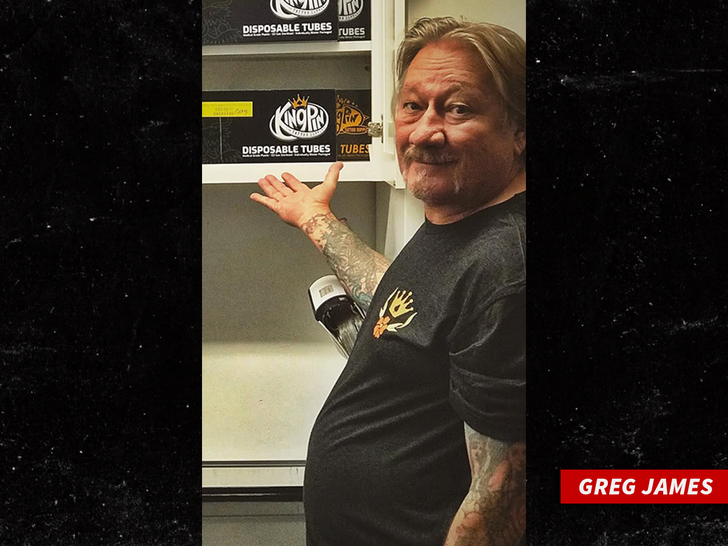
The impact of his work can be measured not only by the celebrity of his clients but by the profound influence he had on aspiring tattoo artists and the public perception of body art. He demonstrated that tattooing was a legitimate art form, demanding skill, creativity, and a deep understanding of human anatomy and aesthetics. His contributions helped to elevate the craft, paving the way for the diverse and vibrant tattoo scene we see today.
While official statements from his high-profile clients are yet to emerge, it is expected that tributes will pour in from the many lives he touched and the skin he adorned. His work is a permanent testament to his skill, living on the bodies of some of the most recognizable figures in entertainment. Each tattoo he created tells a story, a moment in time captured with ink and needle, reflecting the personal journeys of his clients and his own artistic vision.
As the tattoo community mourns the loss of one of its true pioneers, Greg James will be remembered for his unparalleled artistry, his contribution to rock and roll iconography, and his pivotal role in transforming tattoos from a subculture statement to a celebrated form of personal expression. He was 71, and his work, immortalized on skin and in the annals of cultural history, will continue to inspire for generations to come. R.I.P. to a true legend of the ink.