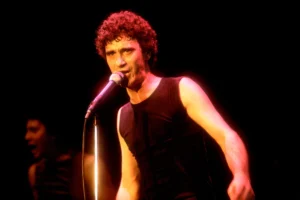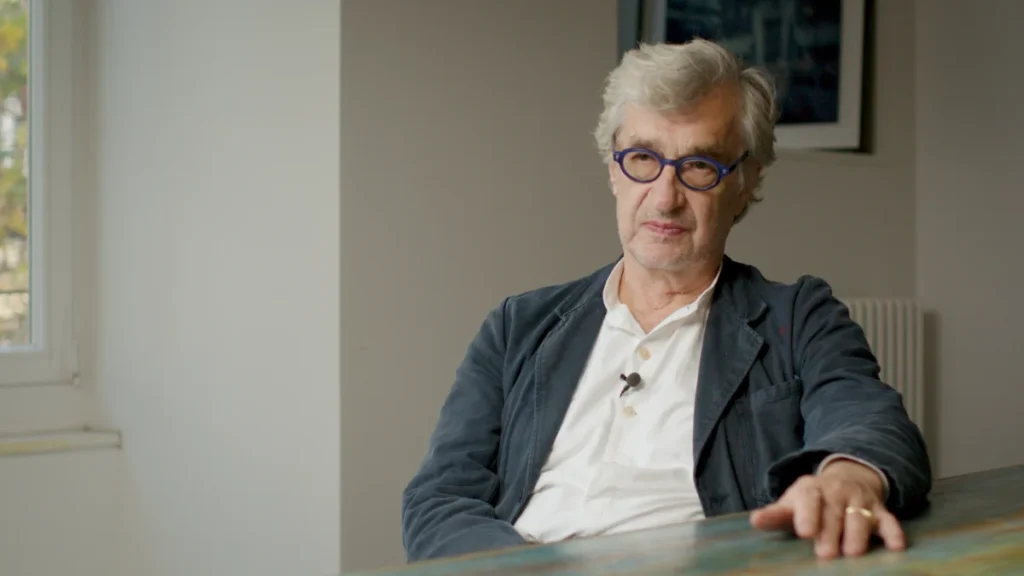


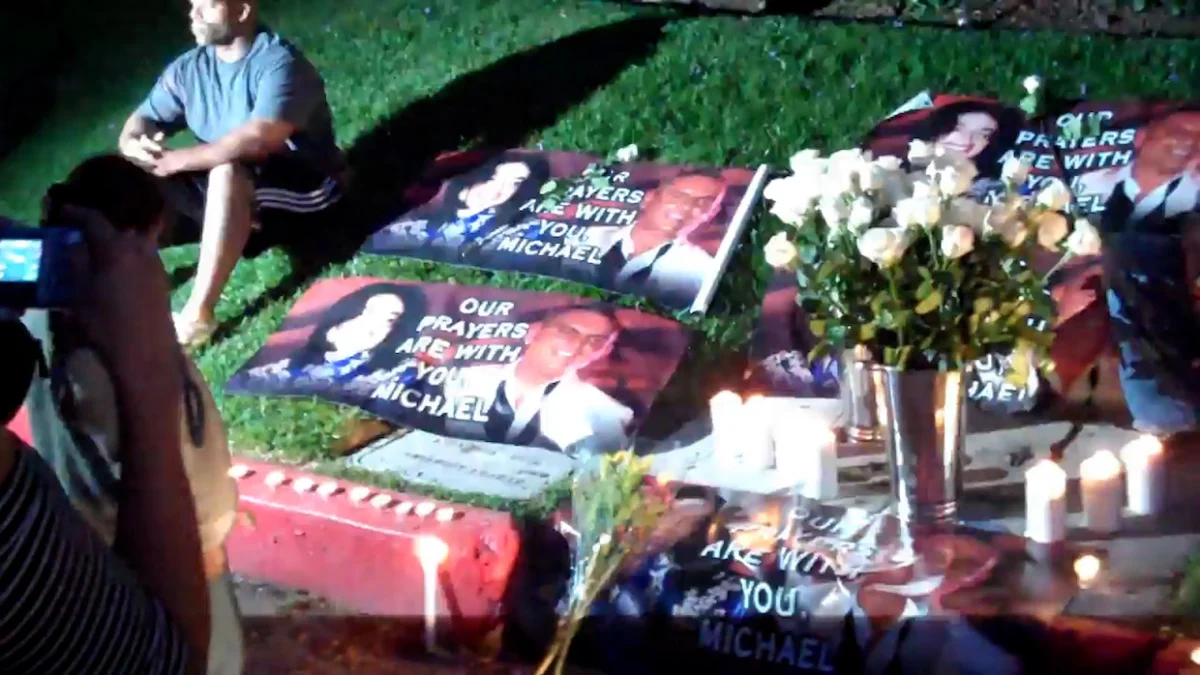
As search engines succumb to the pressures of search engine optimization (SEO), invasive advertising, and the recent proliferation of generative artificial intelligence, the digital past has become increasingly difficult to navigate. Batto’s work serves as a corrective to this "digital amnesia," attempting to stabilize a day that was characterized by unprecedented online activity. By stitching together hundreds of disparate videos, the film captures a moment when the internet briefly functioned as a unified global town square before the total dominance of algorithmic silos.
The Cultural Magnitude of June 25, 2009
To understand the scope of Batto’s project, one must recall the specific gravity of the date in question. On June 25, 2009, at 2:26 p.m. PDT, Michael Jackson was pronounced dead at the Ronald Reagan UCLA Medical Center in Los Angeles. The news did not merely trend; it effectively strained the infrastructure of the global internet. Within minutes of the report being broken by the celebrity news outlet TMZ, search engines and social platforms experienced unprecedented traffic spikes.
Google initially interpreted the massive surge in searches for "Michael Jackson" as a distributed denial-of-service (DDoS) attack, leading the search giant to block related queries for approximately 30 minutes. Twitter reported that Jackson-related tweets accounted for 15 percent of all posts at the peak of the news, a rate that caused the service to crash repeatedly. In 2009, YouTube was still in its relative infancy, yet it became the primary repository for those seeking to document their immediate reactions to the tragedy. Batto’s film captures this era of the "unfiltered vlog," where users turned their front-facing cameras on themselves not for profit or brand-building, but out of a raw, nascent desire for communal connection.
Marcus Batto and the Art of YouTube Ethnography
Marcus Batto’s trajectory as a filmmaker is inextricably linked to the evolution of digital platforms. Having grown up during the formative years of YouTube—he was twelve when the viral hit "Charlie Bit My Finger" was uploaded—Batto developed an aesthetic sensibility rooted in the aesthetics of "found-footage" and digital ephemera. His previous work, the "Certain Moments To Remember" series (2020–present), established his reputation for identifying subcultural phenomena through archived video.
One notable entry, RANDOM WEBCAM DANCE @ DA IMAC STORE (2023), compiled footage of teenagers dancing in front of Apple Store computers in 2011. This work highlighted Batto’s interest in "technological determinism"—the idea that the tools available to us dictate the ways in which we express our humanity. In There’ll Likely Be Michael Jackson Vigils Throughout the Night, this theme is expanded to a global scale. Batto views himself as both an artist and a looter of digital value, drawing a parallel between his archival work and the subjects of his 2024 short documentary, Honeycomb. That film explored the 2020–2022 wave of catalytic converter thefts, where looters stripped precious metals from car parts. Batto suggests that the archivist performs a similar function: stripping meaning and value from the "bottom" of search results and forgotten playlists.
A Chronology of Global Overwhelm
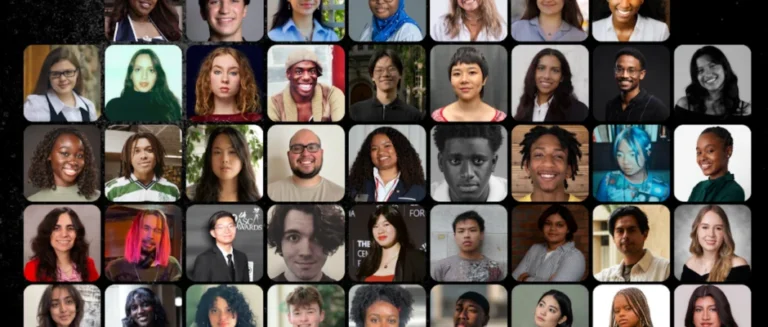
The structure of the film reflects the chaotic nature of the day it depicts. Batto employs a recurring visual device: a rotating prism where each face consists of a five-by-four grid of twenty simultaneous videos. This "wall of content" creates a sense of sensory overwhelm, mimicking the experience of a user attempting to process the sheer volume of information flowing through the internet in 2009.
The film’s chronology is not strictly linear but rather atmospheric. It captures the transition from the first rumors of Jackson’s hospitalization to the eventual confirmation of his death. Batto includes a wide array of perspectives:
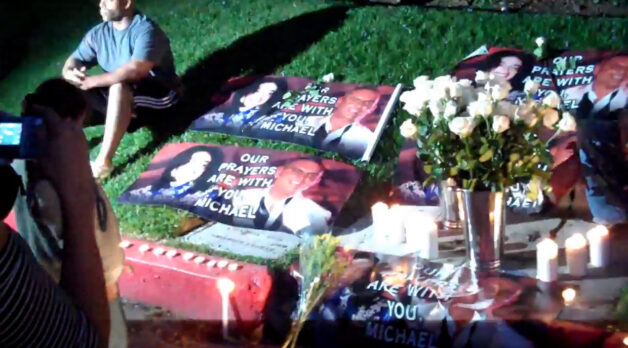
- The Celebratory and the Cynical: Footage of fans dancing to "Thriller" in public squares contrasted with clips of the blogger Perez Hilton, who initially claimed the death was a publicity stunt.
- The Coincidental: The film acknowledges the death of actress Farrah Fawcett, which occurred earlier the same day but was largely overshadowed by the Jackson news.
- The Global and the Local: From a swinging incense burner in a Spanish cathedral to ultrasound footage of an unborn child, Batto weaves in "non-event" footage to ground the celebrity death within the broader context of human life continuing elsewhere.
Batto spent years curating a playlist of over 800 videos for the project. Even after a work-in-progress screening in June 2023, he continued to find new material, highlighting the infinite nature of the digital archive. "It was becoming an issue," Batto noted regarding his obsession with finding every possible angle of the day.
Technological Transitions and the Loss of Innocence
A central thesis of Batto’s work is that 2009 represented a "sweet spot" in digital history. It was the beginning of the front-facing camera boom, facilitated by the release of the iPhone 3GS just weeks prior to Jackson’s death. This was the first iPhone model capable of recording video, and it fundamentally changed how people documented their lives.
However, unlike the polished, highly curated content of the 2020s, the videos from 2009 possess what Batto describes as a "through-line of innocence." In the film, we see mourners and reactors who seem largely unconcerned with their lighting, their "personal brand," or the monetization potential of their grief. They were experimenting with new technology in a way that felt communal rather than performative.
Batto compares this footage to the work of Mitchell and Kenyon, the early 20th-century filmmakers who captured "Local Films for Local People" in the UK. Just as the factory workers in 1900 stared at the movie camera with a mixture of curiosity and naivety, the webcam users of 2009 exhibit a raw, unvarnished relationship with the digital lens. This sense of innocence is what Batto finds most poignant and what he believes has been lost in the current era of "fleeting" internet moments.
Broader Implications and the Future of Digital Memory
The premiere of There’ll Likely Be Michael Jackson Vigils Throughout the Night was as much a performance art piece as a film screening. Batto distributed refurbished third-generation iPod Touches preloaded with the film, further emphasizing the tactile relationship between the media and the hardware of the era. The presence of a Michael Jackson impersonator at the screening—who reportedly fell asleep—added a layer of surrealism to the event, bridging the gap between the digital archive and physical reality.
The film raises critical questions about the durability of our collective memory. Batto argues that a similar film could not be made about a contemporary event because the modern internet is too fragmented and transient. "You can’t really hold it anymore," he observed. Today’s social media landscape is defined by "Stories" that disappear after 24 hours and algorithms that ensure no two users see the same version of the world. In 2009, despite the chaos, there was a sense that the world was watching the same thing at the same time.
Conclusion: The Archive as a Final Vigil
There’ll Likely Be Michael Jackson Vigils Throughout the Night is more than a documentary about a pop star’s death; it is a eulogy for a specific phase of the internet. By focusing on the "vigils" held both in the streets and behind computer screens, Batto captures a moment of collective human experience that seems increasingly impossible in a polarized, AI-driven digital landscape.
The film serves as a reminder that while the internet is an infinite archive, it is also a fragile one. As platforms shut down and data is lost to the "bit rot" of decaying servers, the work of the digital archivist becomes a race against time. Batto’s film suggests that if we do not actively "strip for parts" the meaning from our digital past, we risk losing the ability to understand how we arrived at our present. In the end, the film itself becomes the final vigil—a lasting, flickering candle held up to the memory of a day when the world, for a brief and overwhelming moment, felt like a single, connected entity.