

In a significant resolution to one of the most high-profile legal and corporate disputes in the modern gaming industry, the South Korean publishing giant Krafton has reached a comprehensive settlement with the leadership and staff of its subsidiary, Unknown Worlds. The agreement, which marks the conclusion of a multi-year friction point following the 2021 acquisition of the studio, ensures that all employees will receive the performance-based bonuses initially promised during the buyout. This development coincides with the announcement that Ted Gill, the longtime CEO of Unknown Worlds, will step down from his position in a move described by both parties as a mutual agreement aimed at fostering a new era of growth for the studio.
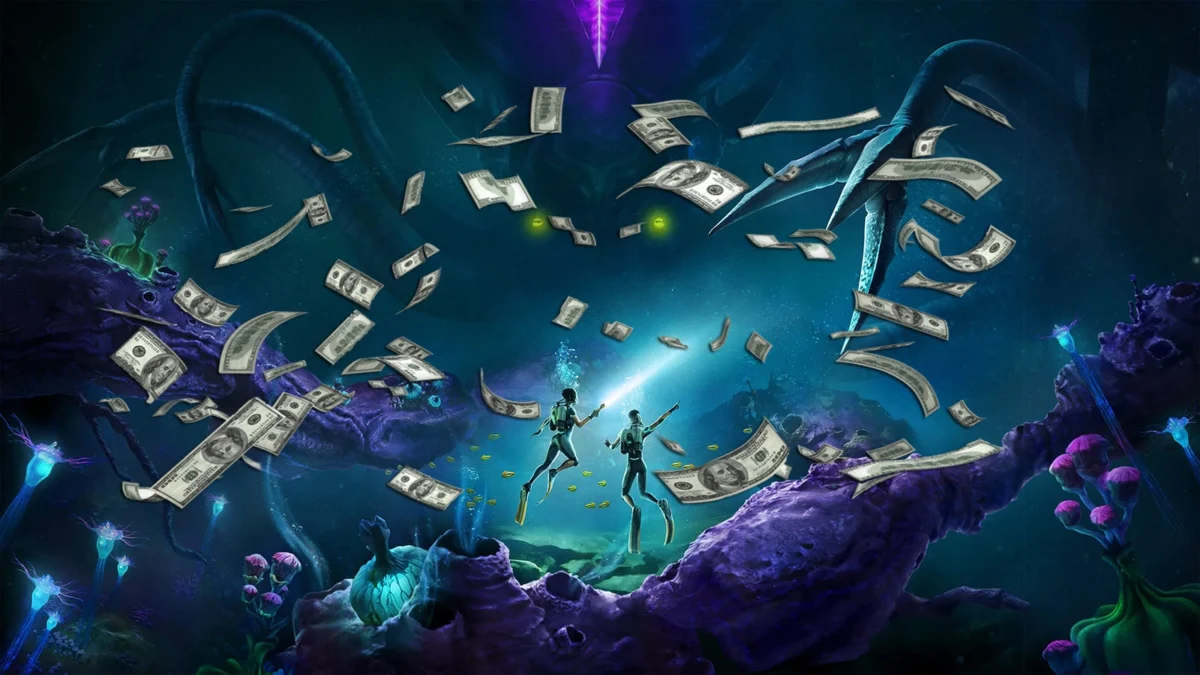
The resolution comes on the heels of the overwhelming commercial success of Subnautica 2. Since its debut in early 2026, the survival sequel has shattered internal and external projections, amassing over four million players in its initial launch window and reportedly crossing the five-million-copy milestone shortly thereafter. The game’s performance on PC and its day-one availability on Xbox Game Pass have cemented it as a cornerstone of the survival-crafting genre, providing the financial leverage and public scrutiny necessary to bring the long-standing bonus dispute to a definitive close.
The Genesis of the Dispute: The 2021 Acquisition
To understand the weight of the current settlement, one must look back to October 2021, when Krafton, the parent company behind the global phenomenon PUBG: Battlegrounds, acquired Unknown Worlds for an upfront payment of $500 million. The deal included an additional "earnout" provision—a common structure in major studio acquisitions—that could see the developers earn up to $250 million more if specific financial and development milestones were met over the following years.
Unknown Worlds, founded by Charlie Cleveland and led by Ted Gill, had built a stellar reputation as an independent powerhouse. Their transition from the cult-classic Natural Selection series to the genre-defining Subnautica showcased a studio capable of delivering high-quality, atmospheric experiences that resonated with millions. Krafton viewed the acquisition as a way to diversify its portfolio beyond the battle royale space. However, as Subnautica 2 entered the meat of its development cycle, the relationship between the developer’s leadership and the publisher’s executive suite began to sour.
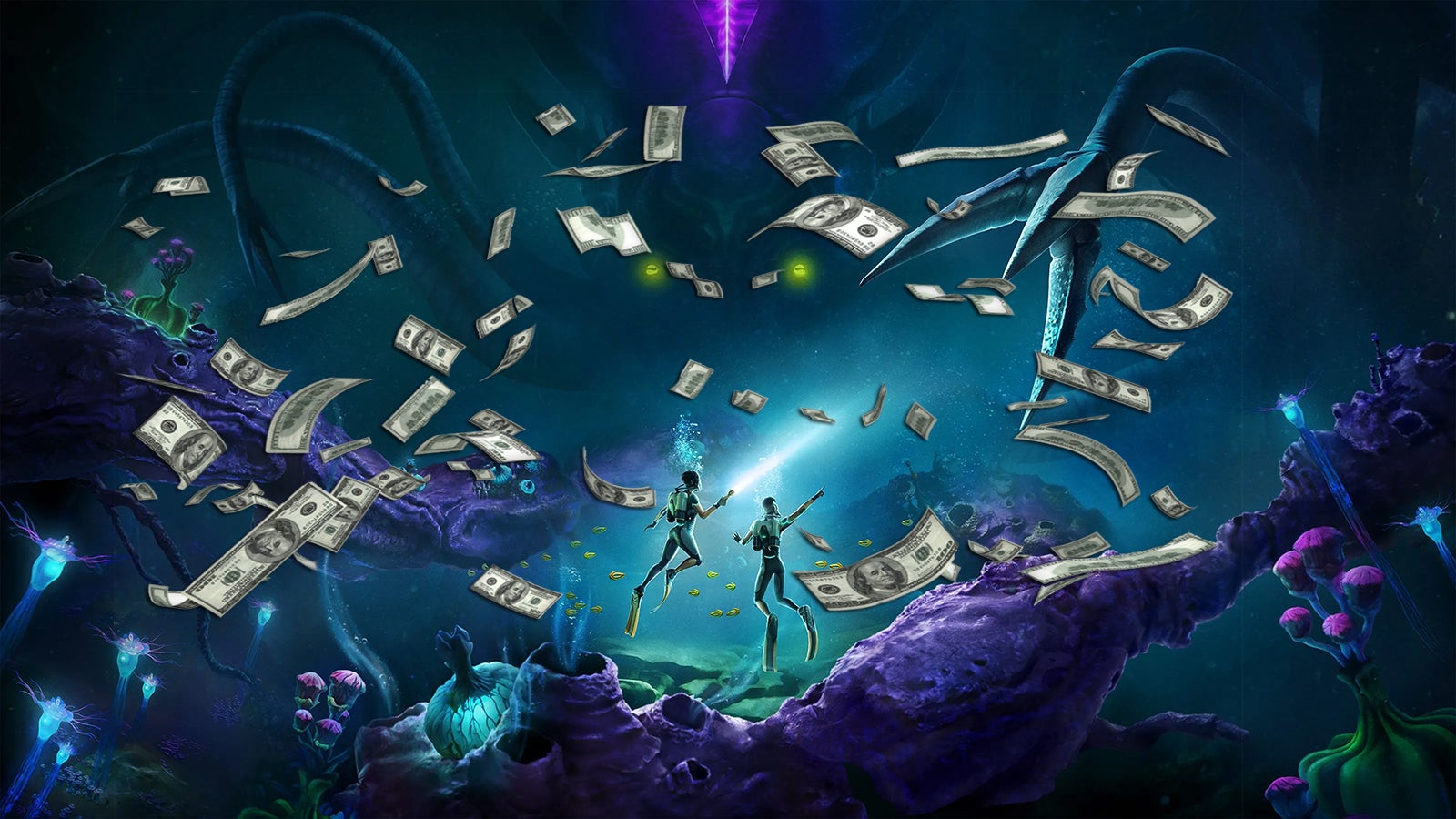
The tension reached a boiling point in early 2026. Reports surfaced alleging that Krafton’s leadership had sought unconventional methods to avoid paying the substantial earnout bonuses. Most notably, allegations emerged that Krafton’s CEO had utilized artificial intelligence tools to brainstorm legal and corporate loopholes that would allow the publisher to bypass the $250 million payout, despite the game meeting its performance targets.
Chronology of Events: From Litigation to Resolution
The path to the current settlement was marked by several critical legal and corporate milestones:
- October 2021: Krafton acquires Unknown Worlds for $500 million plus earnout incentives.
- 2022–2025: Unknown Worlds develops Subnautica 2, transitioning to Unreal Engine 5 and integrating highly requested features such as four-player co-op.
- Early 2026: Subnautica 2 launches to critical acclaim and massive player numbers, immediately triggering the conditions for the earnout bonus.
- March 2026: A legal battle culminates in a judge’s ruling against Krafton. The court reinstated Ted Gill and other key leaders who had been sidelined during the internal dispute, signaling a major blow to Krafton’s attempt to restructure the studio’s leadership to avoid payouts.
- May 2026: Under immense legal and public pressure, Krafton is forced to acknowledge the validity of the $250 million bonus pool.
- July 2026: Bloomberg reports a final settlement. Krafton agrees to pay bonuses that exceed the original agreement’s stipulations. Simultaneously, Ted Gill announces his departure from the company.
The Terms of the Settlement and Staff Payouts
The newly finalized agreement is remarkably favorable to the employees of Unknown Worlds. According to internal communications and reports from Bloomberg, the settlement ensures that every member of the studio will receive a payout. This includes veteran developers who were present during the 2021 acquisition and newer hires who joined during the final push for Subnautica 2.
The bonuses will be distributed in annual installments, a move intended to ensure long-term studio stability and employee retention. Ted Gill noted that the developers would be "compensated significantly more" than what was originally outlined in the 2021 acquisition contract. Furthermore, the agreement includes "further incentives" tied to the ongoing live-service support and content updates for Subnautica 2, aligning the staff’s financial success with the continued health of the game.
Ted Gill’s departure, while shocking to many fans, appears to be a strategic exit. In his statement, Gill expressed confidence in the studio’s future, suggesting that after navigating the legal turmoil and securing the financial future of his team, the time was right for "new leadership" to take the helm. Gill had previously left the studio during the height of the dispute, only to be reinstated by court order in March. His second departure is framed as a peaceful transition rather than a forced ouster.
Subnautica 2: A Commercial Powerhouse
The scale of the bonuses is a direct reflection of Subnautica 2’s staggering market performance. While the original Subnautica was a sleeper hit that grew over many years, the sequel benefited from a massive, established fan base and the marketing muscle of Krafton.
Data indicates that the game reached 4 million players within its first month. While a significant portion of this audience accessed the game via Xbox Game Pass, the "sell-through" figures on platforms like Steam remained robust. Industry analysts estimate that the game has likely surpassed 5 million units sold, vastly outpacing the launch trajectory of its predecessor.
The decision to include co-operative play—a feature the developers originally resisted in the first game—has been cited as a primary driver for the sequel’s success. By allowing players to explore the alien depths of Planet 4546B with friends, Unknown Worlds tapped into a broader demographic of social gamers, while maintaining the "iterative but engrossing" survival mechanics that made the original a masterpiece of the genre.
Analysis of Implications for the Gaming Industry
The resolution of the Krafton-Unknown Worlds dispute carries several broader implications for the video game industry, particularly regarding studio acquisitions and the ethics of corporate management.
1. The Validity of Earnout Agreements
The success of Unknown Worlds in securing their bonuses serves as a cautionary tale for large publishers. Earnout agreements are intended to incentivize performance, but when a publisher attempts to circumvent these contracts, it can lead to protracted legal battles that damage the company’s reputation. The court’s intervention to reinstate Gill in March 2026 set a precedent that protects creative leadership from arbitrary removal during bonus-triggering periods.
2. The Role of AI in Corporate Strategy
The allegations regarding the use of AI to find contract loopholes sparked significant debate within the industry. As AI becomes more integrated into business operations, this case highlights the potential for "algorithmic malice"—using technology to undermine human labor and contractual obligations. The backlash against Krafton suggests that both the legal system and the public have little appetite for such tactics.
3. The Strength of the Survival Genre
Subnautica 2’s success, alongside titles like Palworld and Enshrouded, proves that the survival-crafting genre remains one of the most lucrative and resilient sectors of the market. Even with a day-one subscription launch, the demand for high-quality, atmospheric survival experiences is high enough to generate hundreds of millions of dollars in revenue.
Looking Ahead: The Future of Unknown Worlds
With the legal clouds cleared and the financial future of the staff secured, Unknown Worlds enters a new chapter. The studio remains one of the most talented outfits in the industry, and with the backing of Krafton’s resources—now governed by a more stable and transparent agreement—the roadmap for Subnautica 2 looks promising.
While the game is currently a staple of the PC and Xbox ecosystems, the industry is closely watching for news regarding other platforms. To date, no official announcements have been made regarding PlayStation 5 or the rumored "Switch 2" versions of Subnautica 2. Given the predecessor’s success on consoles, these ports are widely considered a matter of "when" rather than "if," and their eventual release will likely trigger further revenue milestones for the studio.
The departure of Ted Gill marks the end of an era, but the legacy he leaves behind is one of resilience. By standing his ground against one of the world’s largest publishers, he and his team have secured a landmark victory for developer rights in an era of massive consolidation. As Subnautica 2 continues to evolve with new biomes, creatures, and narrative expansions, the developers can now focus on their creative vision, free from the distractions of the courtroom.