


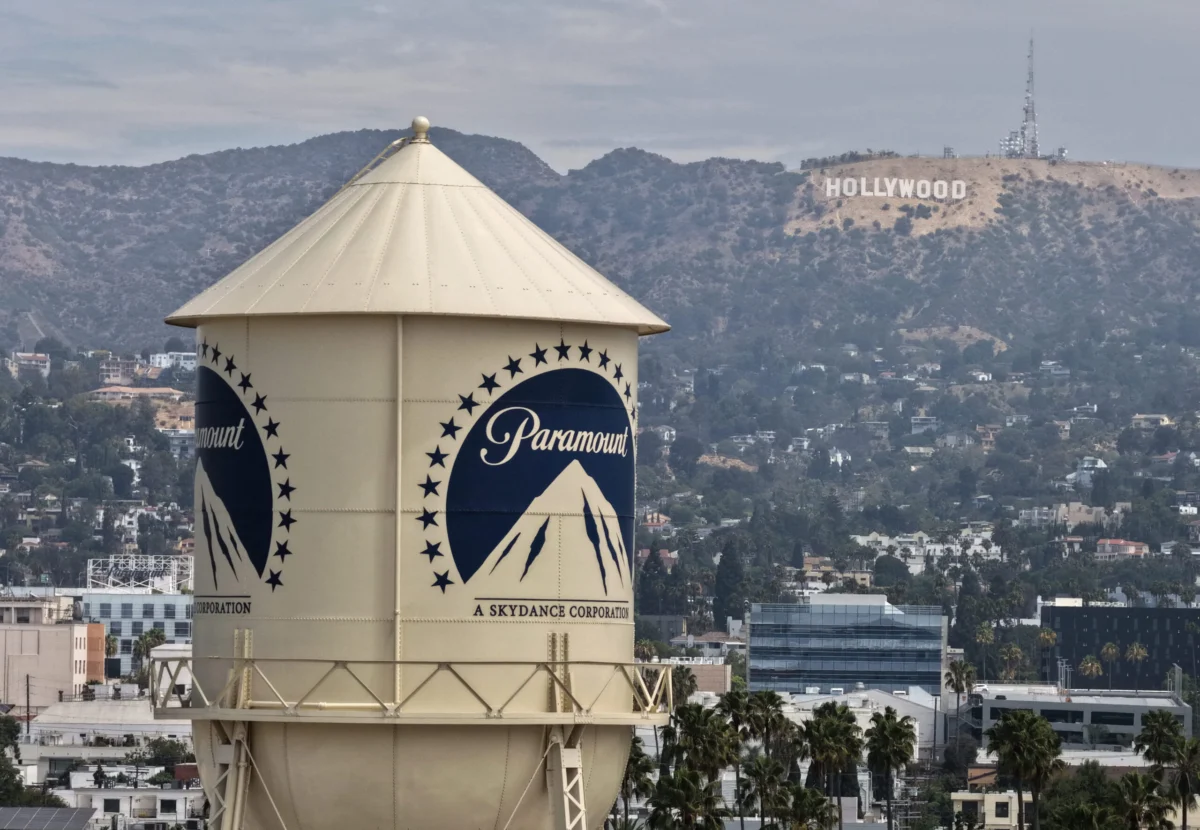
The ambitious $110 billion merger between Paramount Skydance and Warner Bros. Discovery (WBD) has entered a critical legal phase as the companies fight to maintain their end-of-September closing schedule. Despite a significant antitrust lawsuit spearheaded by a coalition of state attorneys general, Paramount’s lead trial counsel, Jeffrey Kessler, has signaled that the media giant is prepared to escalate the matter to the highest levels of the American judiciary to ensure the deal’s consummation. This legal standoff represents one of the most consequential antitrust battles in the modern entertainment era, pitting the survival strategies of legacy media institutions against regulatory concerns regarding market concentration and consumer pricing.
On Monday, the legal landscape shifted dramatically when a group of state attorneys general, led by California’s Rob Bonta, filed a formal lawsuit aimed at blocking the merger. The coalition argues that the consolidation of two of Hollywood’s most storied "Big Five" studios—Warner Bros. and Paramount—would result in a monopoly-like environment that stifles creativity, reduces the volume of original content, and drives up costs for consumers. Following the initial filing, the group moved to secure a temporary restraining order (TRO) to halt any further integration or closing procedures, seeking to preserve the status quo while the court reviews the merits of their antitrust claims.
The Defense Strategy: Pro-Competitive Consolidation
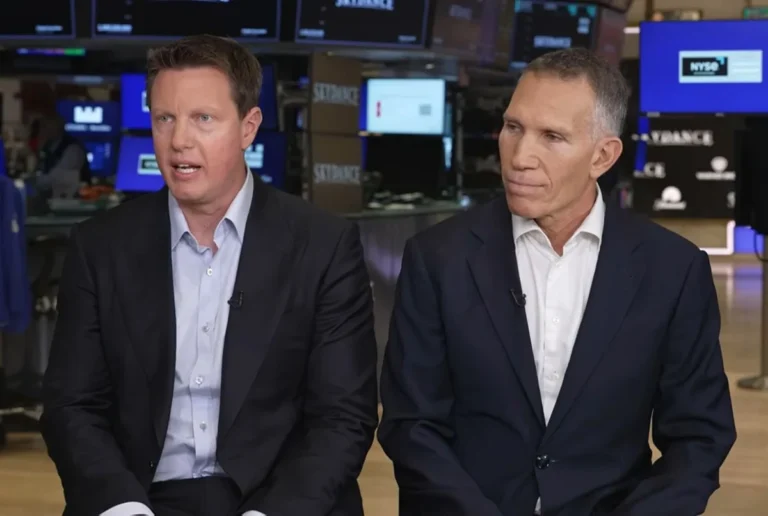
In a detailed interview on Tuesday, Jeffrey Kessler framed the merger not as a threat to competition, but as a necessary evolution for survival in a volatile digital economy. Kessler’s argument hinges on the "failing industry" or "distressed market" narrative, suggesting that the traditional pay-TV and studio model is currently in a state of terminal decline. By combining forces, Kessler argues, Paramount and WBD can create a robust entity capable of competing with "Big Tech" entrants such as Netflix, Amazon Prime Video, and Apple TV+, as well as the industry-leading Disney.
"The company believes strongly in this," Kessler stated, emphasizing that the merger is inherently pro-competitive. He posited that a stronger, unified Paramount-WBD would be better equipped to invest in high-quality content and maintain a consistent theatrical release schedule, which would ultimately benefit theater owners and Hollywood labor unions. To address specific concerns regarding the volume of production, Paramount CEO David Ellison has publicly committed to a slate of 30 theatrical films annually. Kessler noted that the company is even willing to codify this commitment in writing, offering the states a legal guarantee that would allow for future litigation if the merged entity fails to meet its production targets.
A Timeline of Regulatory Hurdles and Milestones
The path to the proposed September 30 closing has been marked by a series of complex domestic and international regulatory reviews. While the state attorneys general have emerged as a primary obstacle, the deal has found more favor with federal and international bodies.
- Early 2026: Paramount and Skydance announce the definitive agreement to merge with Warner Bros. Discovery in a deal valued at approximately $110 billion, including debt.
- Spring 2026: The Antitrust Division of the U.S. Department of Justice (DOJ) conducts an intensive review. Unlike the state-level opposition, the DOJ eventually grants approval, signaling that federal regulators do not view the horizontal integration as a violation of the Clayton Act under current market conditions.
- July 13, 2026: California Attorney General Rob Bonta leads a multi-state coalition in filing a lawsuit to block the merger, citing concerns over "higher prices, lower quality, and less content."
- July 14, 2026: The state coalition files for a temporary restraining order (TRO) to prevent the deal from closing as early as July 22.
- July 22, 2026: The provisional deadline set by the European Union for its own regulatory review. Paramount recently submitted a package of concessions to the EU to address concerns regarding licensing and distribution in the European market.
- September 30, 2026: The "ticking fee" deadline. If the deal does not close by this date, Paramount is contractually obligated to pay significant quarterly fees to WBD shareholders.
Financial Stakes: The $650 Million Ticking Fee
The urgency expressed by Paramount’s legal team is driven in large part by the massive financial penalties associated with delays. Under the terms of the merger agreement, a "ticking fee" provision is triggered if the transaction remains unconsummated past September 30, 2026. This fee is designed to compensate WBD shareholders for the time-value of money and the uncertainty of the pending deal.
According to internal projections and deal terms, the ticking fee would amount to approximately $650 million in cash value per quarter. For a company like Paramount, which is already navigating a debt-heavy balance sheet and the transition from linear television to streaming, such a penalty would be a significant blow to its liquidity. This financial pressure explains why Kessler and his team are considering an "orderly procedure" to settle legal disputes by early September or, failing that, an aggressive appeal process that could reach the Supreme Court.

Market Context: The Decline of the Linear Bundle
The central tension of this merger lies in the differing interpretations of the current media market. Regulators like Rob Bonta are looking at the historical dominance of film studios and cable networks. Bonta’s office argues that merging two of the largest owners of cable networks (including CNN, HBO, MTV, and Nickelodeon) gives the new entity undue leverage over cable distributors, which will inevitably lead to higher monthly bills for households.
Conversely, Paramount and WBD point to the rapid erosion of the traditional "bundle." Data from the last three years shows a steady 7% to 10% annual decline in cable and satellite subscriptions. As consumers migrate to streaming, the "gatekeeper" power once held by studio-owned networks has diminished. In this new reality, the companies argue, size is the only defense against the massive content budgets of tech giants. Netflix, for instance, has a market capitalization that frequently exceeds the combined value of several legacy media companies, allowing it to outbid traditional studios for talent and intellectual property.
Implications for Hollywood and the Theatrical Experience
The Hollywood creative community remains divided on the merger’s implications. On one hand, the promise of 30 films a year offers hope to a theatrical industry that has struggled with a "product shortage" since the pandemic. Cinema chains like AMC and Regal rely on a steady stream of blockbusters to maintain foot traffic. A combined Paramount-WBD would possess a library ranging from DC Comics and Harry Potter to Mission: Impossible and Top Gun, providing a formidable pipeline for global exhibitors.
On the other hand, labor unions and guilds express concern that consolidation leads to "synergies"—a corporate euphemism for layoffs and reduced bargaining power for writers, actors, and crew members. When two major studios merge, back-office functions, marketing departments, and even production hubs are often streamlined, leading to job losses in the Los Angeles and New York creative corridors.
The Road Ahead: Legal Maneuvers and Potential Settlements
As the July 22 EU deadline approaches, the focus remains on the U.S. court system. If the temporary restraining order is granted, it will pause the merger for 14 days, with the possibility of an extension. During this window, the state attorneys general will seek a preliminary injunction, which would effectively "freeze" the deal until a full trial on the merits can be held.
Kessler has indicated that the company is open to a compromise schedule that would see the matter resolved by early September. However, if the states remain intransigent, Paramount appears ready for a high-stakes legal gamble. The threat of taking the case to the Supreme Court suggests that Paramount believes the current judicial climate—which has been increasingly skeptical of broad regulatory overreach—might favor the merger.
The outcome of this battle will set a precedent for the future of the American media landscape. If the merger is blocked, it may signal the end of the consolidation era for legacy studios, forcing them to find alternative, perhaps more painful, ways to navigate the digital transition. If it proceeds, it will create a new "super-major" studio, forever altering the competitive dynamics of both the silver screen and the streaming platform. For now, the clock continues to tick toward the September 30 deadline, with hundreds of millions of dollars and the future of two iconic brands hanging in the balance.