In a move that has sent ripples through the media and telecommunications industries, President Donald Trump has officially signaled his support for Nexstar Media Group’s proposed $6.2 billion acquisition of Tegna. The endorsement, delivered via a series of statements on his Truth Social platform, marks a significant departure from his previous skepticism regarding media consolidation. By backing the merger, the President has framed the deal not merely as a corporate transaction, but as a strategic necessity to counter what he characterizes as the dominance of established national news networks.
The President’s endorsement emphasizes a desire for "more competition" against major national broadcasters, whom he frequently labels as "the enemy." In his public communication, Trump argued that allowing substantial deals like the Nexstar-Tegna merger to proceed would facilitate the rise of a more "sophisticated" level of competition capable of challenging the editorial influence of legacy networks such as ABC, NBC, and CBS. "Letting Good Deals get done like Nexstar – Tegna will help knock out the Fake News because there will be more competition," Trump wrote, adding that opponents of the deal fail to grasp its long-term benefits for the media landscape.
A Strategic Reversal in Media Policy
This latest development represents a stark pivot from the President’s stance just months ago. In November 2025, Trump expressed deep reservations about the acquisition, voicing concerns that further consolidation could inadvertently empower what he described as "Radical Left Networks." At that time, he suggested that expanding the footprint of large media conglomerates might allow legacy broadcasters to "enlarge" their influence, a prospect he claimed would be detrimental to the country.
His previous rhetoric was particularly pointed toward NBC and ABC, which he described as a "virtual arm of the Democrat Party." He had advocated for making such networks "smaller" rather than allowing the industry to consolidate. However, the recent shift suggests a recalculation of the broadcast landscape. By supporting Nexstar—a company that has recently demonstrated a willingness to break from traditional network norms—the administration appears to be betting on a new model of broadcast power that prioritizes local reach and alternative editorial decisions over the traditional "Big Three" hegemony.
The Scope of the Nexstar-Tegna Merger
The deal, which was first announced in August 2025, involves Nexstar Media Group acquiring all outstanding shares of Tegna in a transaction valued at approximately $6.2 billion. Nexstar is already the largest television station owner in the United States, currently owning, operating, or providing services to over 200 stations across more than 100 markets. If the acquisition of Tegna is finalized, Nexstar would add 64 additional stations to its portfolio, effectively expanding its reach to cover roughly 80% of American households.
Tegna, formerly the broadcasting arm of Gannett, operates high-performing stations in major markets including Seattle, Denver, Phoenix, and Charlotte. The combination of these two entities would create an unprecedented powerhouse in local broadcasting, giving Nexstar significant leverage in negotiations with cable providers and advertisers. Under the current timeline, the companies expect the deal to close in the second half of 2026, pending the necessary regulatory approvals from the Federal Communications Commission (FCC) and the Department of Justice (DOJ).
Navigating Regulatory Hurdles and the 39 Percent Rule
The primary obstacle to the merger remains the FCC’s national audience reach cap. Currently, federal law prohibits any single company from owning broadcast stations that reach more than 39% of U.S. households. This rule was established to ensure a diversity of voices in the media and to prevent any single entity from exerting too much control over public discourse.
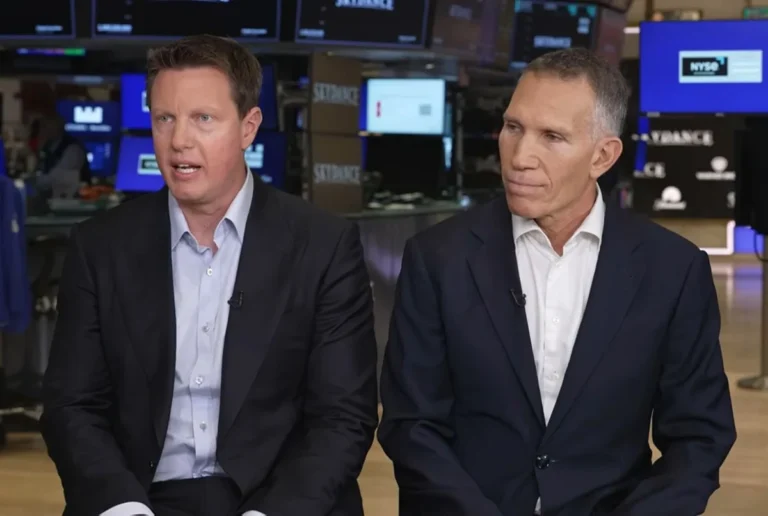
Because a combined Nexstar-Tegna entity would reach approximately 80% of the country, the deal cannot proceed under the current regulatory framework. Nexstar CEO Perry Sook has been a vocal advocate for the elimination of what he calls "antiquated constraints" on local television ownership. Sook argues that these rules, many of which date back to the Telecommunications Act of 1996, do not reflect the modern reality of the media market, where local broadcasters must compete for viewers and advertising dollars against global "Big Tech" giants like Google, Meta, and Netflix.
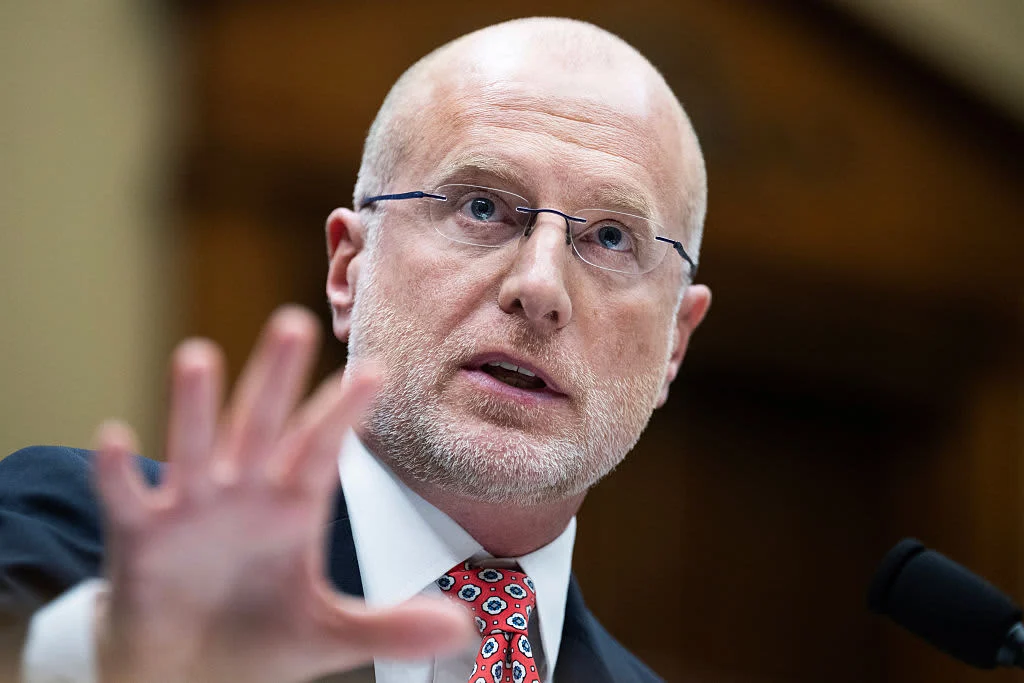
The President’s endorsement is expected to put significant pressure on the FCC to reconsider these caps. If the FCC moves to lift or provide a waiver for the 39% rule, it would represent one of the most significant shifts in media regulation in decades, potentially triggering a new wave of consolidation across the entire industry.

Economic Pressures and the Fight Against Big Tech
The push for consolidation is largely driven by the economic headwinds facing traditional broadcast television. As "cord-cutting" continues to accelerate, with millions of households opting for streaming services over traditional cable and satellite packages, local broadcasters have seen their traditional revenue streams come under fire.
During a CNBC interview following the deal’s announcement, Perry Sook emphasized that becoming a larger company is a matter of survival. "Our goal is to become a bigger company and hopefully be able to compete on a level playing field with Big Tech that is pervasive in all aspects of media," Sook stated. He argued that broadcast news remains the "last bastion of local news," and that without the scale provided by mergers, local stations will lack the resources to maintain high-quality journalism in the face of digital competition.
Supporting data suggests that local news remains a highly trusted source of information for many Americans, yet the cost of producing that news has risen while local advertising markets have become increasingly fragmented. Proponents of the deal argue that a combined Nexstar-Tegna would benefit from economies of scale, allowing for better technology investments, more robust investigative reporting, and a stronger bargaining position against digital platforms that aggregate news content without paying for its production.
Editorial Shifts and the "Kimmel" Preemption
The President’s change of heart may also be linked to Nexstar’s recent editorial decisions, which have aligned with conservative critiques of mainstream media. In September 2025, Nexstar made headlines when it became the first major media company to preempt "Jimmy Kimmel Live!" across its ABC-affiliated stations. The move followed controversial comments made by the late-night host regarding conservative activist Charlie Kirk.
The preemption was seen by many industry analysts as a signal that Nexstar was willing to exercise its power as a gatekeeper of local airwaves to push back against content it deemed inappropriate or overly partisan. This action likely resonated with the Trump administration’s broader criticisms of late-night television and legacy network programming. By endorsing the deal, the President may be signaling his approval of a media giant that is willing to challenge the cultural and political status quo of the national networks.
Timeline of the Acquisition and Industry Impact
The journey toward this merger has been marked by several key milestones:
- August 19, 2025: Nexstar officially announces the $6.2 billion agreement to acquire Tegna.
- September 2025: Nexstar preempts "Jimmy Kimmel Live!", drawing national attention to its editorial independence from the networks.
- November 2025: President Trump issues a statement opposing the deal, citing concerns over "Radical Left" expansion.
- Late 2025: Nexstar and Tegna file formal requests with the FCC, advocating for deregulation and highlighting the competitive threat of Big Tech.
- Early 2026: President Trump reverses his position, offering a full endorsement of the deal as a means to foster competition.
The broader implications of this deal are profound. If the Nexstar-Tegna merger is approved, it could lead to a duopoly or triopoly in the broadcast space, with a few massive companies controlling the majority of local airwaves. While this may provide the scale needed to compete with digital giants, critics warn it could lead to a reduction in the diversity of local perspectives and a homogenization of news content across the country.
Market Reactions and Future Outlook
Following the President’s endorsement, shares of both Nexstar (NXST) and Tegna (TGNA) saw increased activity as investors began to price in a higher likelihood of regulatory approval. Market analysts suggest that the White House’s public backing serves as a powerful signal to regulators that the administration views the deal as a matter of national interest regarding media competition.
However, the deal still faces potential opposition from consumer advocacy groups and some members of Congress who fear that excessive consolidation will lead to higher prices for cable subscribers and fewer choices for viewers. These groups argue that the 39% cap is a vital safeguard for democracy and that bypassing it would set a dangerous precedent.
As the FCC prepares to review the merger, the debate will likely center on whether the definition of "competition" should be expanded to include digital platforms or remain focused on the broadcast spectrum. For now, the Nexstar-Tegna deal stands as a pivotal test case for the future of American media, reflecting a moment where political strategy, economic necessity, and regulatory tradition are on a direct collision course. The outcome will determine not only the fate of two multi-billion dollar companies but also the very structure of the news and information delivered to millions of American homes every day.