

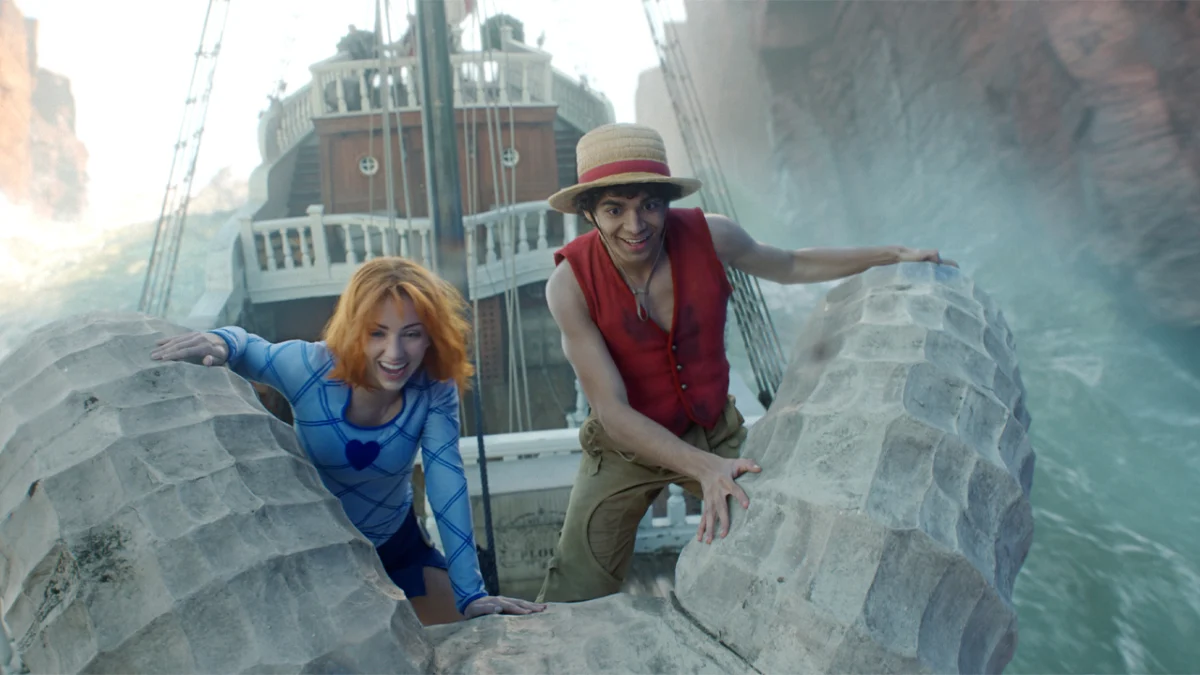
With a third season of One Piece Live Action on the horizon and Netflix yet to officially renew the series for a fourth, the critical question of the adaptation’s long-term future and realistic season count on the streaming giant has resurfaced. The series, a monumental undertaking by Tomorrow Studios, stands at a pivotal juncture as it navigates the vast narrative expanse of one of Japan’s most celebrated cultural exports.
One Piece, a global phenomenon spanning nearly three decades, transcends its origins as a manga to encompass a sprawling multimedia empire. Penned by the visionary Eiichiro Oda, the manga alone boasts over 600 million volumes in circulation worldwide, solidifying its status as the best-selling comic book of all time. This immense popularity extends to its anime adaptation, which has aired over a thousand episodes, and now, the ambitious live-action series on Netflix. The live-action adaptation has defied the historical trend of critically panned anime-to-live-action conversions, earning praise for its fidelity to the source material’s spirit, character portrayals, and world-building, largely due to Eiichiro Oda’s direct involvement as an executive producer. This success, however, comes with a significant price tag, making OPLA one of Netflix’s most expensive productions, thus intensifying scrutiny over its viability as it attempts to translate Oda’s epic saga to the screen.
The sheer scale of the One Piece narrative presents an unparalleled challenge for any adaptation. As of the current writing, the manga features 1179 published chapters, a number that continues to grow almost weekly. This ongoing expansion means the live-action series is chasing a moving target, demanding strategic pacing and significant long-term commitment.
Analyzing the Live-Action Pacing and Adaptation Rate
The initial two seasons of One Piece Live Action have provided a crucial benchmark for the series’ adaptation pace. Across 16 episodes, totaling approximately 1032 minutes (17.2 hours) of television, OPLA has covered the first 91 chapters of the manga. This translates to an adaptation rate of roughly 5.3 chapters per hour or 5.7 chapters per episode, encompassing 13.06% of the manga’s total chapters published at the time of the second season’s debut.
The first season faithfully adapted the entirety of the East Blue Saga, concluding with Monkey D. Luffy and his nascent Straw Hat Pirates setting sail for the Grand Line. Season 2, which commenced with the "Beginning of the End" episode, surprised many by not attempting to complete the expansive Alabasta Saga. Instead, Tomorrow Studios opted to conclude the season at the end of the Drum Island Arc, a decision that has been widely lauded by fans and critics alike. This strategic choice allowed the narrative more room to breathe, providing deeper character development for both established favorites like Nami and newly introduced, beloved figures such as Princess Vivi, Tony Tony Chopper, and Dr. Hiriluk. It underscored a commitment to quality over speed, prioritizing narrative integrity and emotional resonance above rushing through arcs. This approach suggests a deliberate, measured pacing that aims to do justice to each intricate story arc, rather than a frantic race to cover as much material as possible.
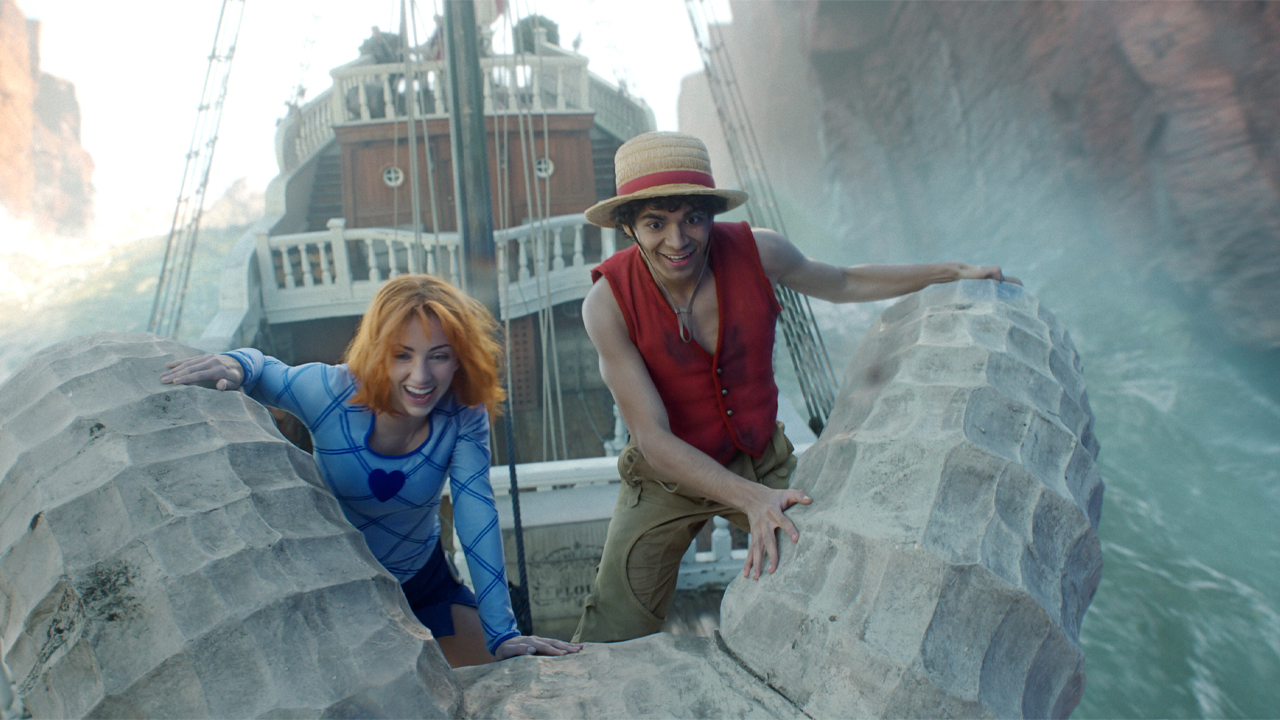
Table: One Piece Live Action Season 1 & 2 Pacing Breakdown
| Live Action Episode Title | Manga Arc | Chapters | Volumes | Anime Episodes |
|---|---|---|---|---|
| Romance Dawn | Romance Dawn | 1-7 | 1-3 | 1-3 |
| The Man in the Straw Hat | Orange Town | 8-21 | 1-3 | 4-8 |
| Tell No Tales | Syrup Village | 22-41 | 3-5 | 9-18 |
| The Pirates are Coming | Syrup Village | 22-41 | 3-5 | 9-18 |
| Eat at Baratie! | Baratie | 42-68 | 5-8 | 19-30 |
| The Chef and the Chore Boy | Baratie | 42-68 | 5-8 | 19-30 |
| The Girl With The Sawfish Tattoo | Arlong Park | 69-95 | 8-11 | 31-44 |
| Worst in the East | Arlong Park / Logue Town | 69-95 | 8-11 | 31-44 |
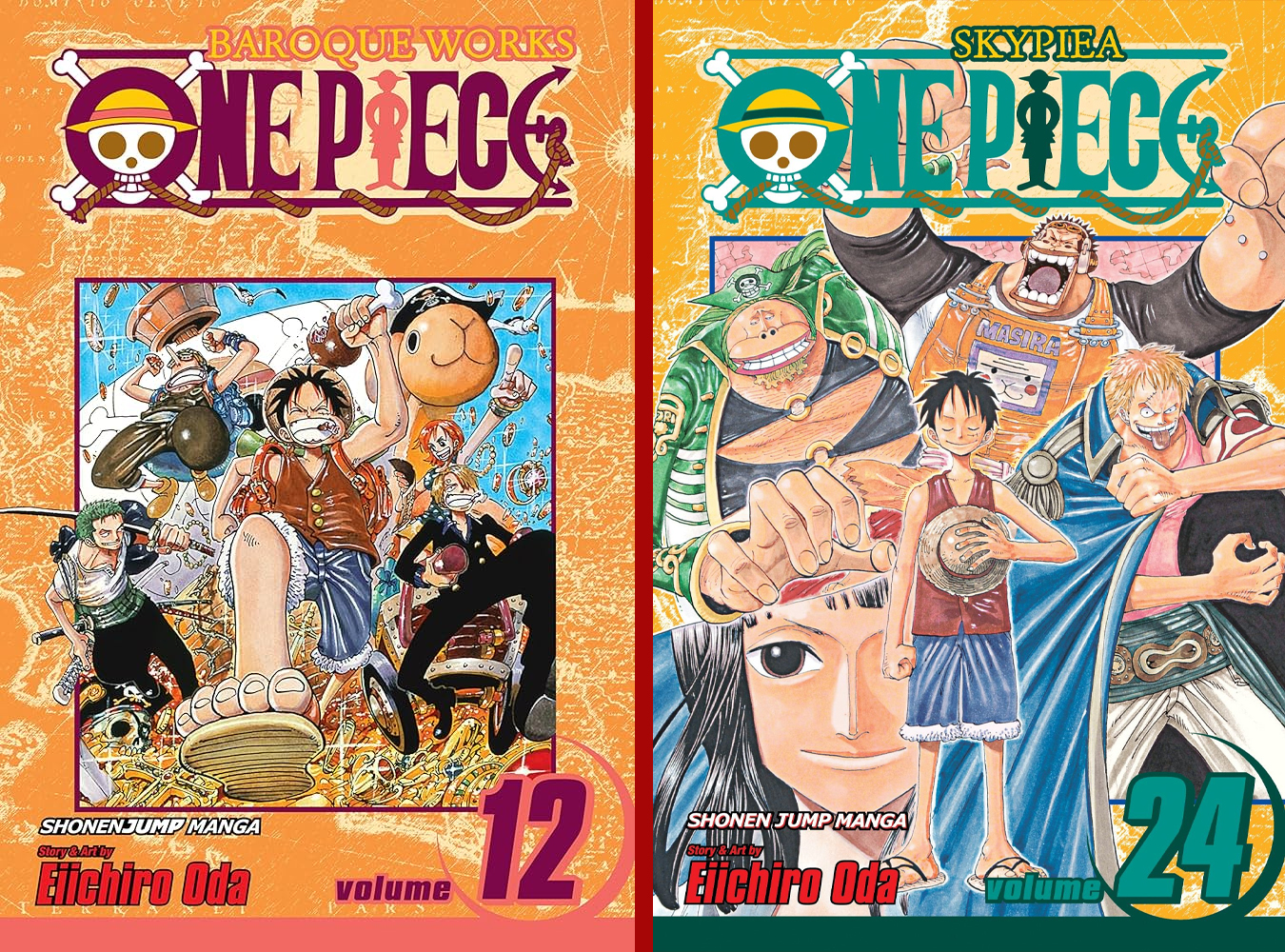
| The Beginning of the End | Loguetown Arc | 96-100 | 11-12 | 48-53 |
| Good Whale Hunting | Reverse Mountain Arc | 101-105 | 12 | 62-63 |
| Whiskey Business | Whiskey Peak Arc | 106-114 | 12-13 | 64-67 |
| Big Trouble in Little Garden | Little Garden Arc | 115-129 | 13-15 | 70-77 |
| Nami Deerest | Little Garden Arc | 115-129 | 13-15 | 70-77 |
| Reindeer Shames | Drum Island Arc | 130-154 | 15-17 | 78-91 |
| Deer and Loathing in Drum Kingdom | Drum Island Arc | 130-154 | 15-17 | 78-91 |
This deliberate pacing suggests that Tomorrow Studios and Netflix are committed to a high-quality adaptation, even if it means a longer journey.
Season 3: The Battle for Alabasta and Beyond
The official title for the third season, The Battle of Alabasta, confirms that it will primarily focus on the culmination of the Alabasta Saga. This arc, spanning manga chapters 155-217 (volumes 17-24) and anime episodes 92-130, is a fan-favorite, renowned for its epic battles, political intrigue, and profound emotional beats, particularly concerning Princess Vivi and the fate of her kingdom.
Table: Alabasta Arc Coverage
| Arc | Manga Chapters | Anime Episodes |
|---|---|---|
| Alabasta Arc | 155-217 | 92-130 |
Intriguingly, there are discussions within the fanbase and among industry observers that Season 3 might extend beyond the Alabasta Arc to include the Jaya Arc (manga chapters 218-236, anime episodes 144-152), which serves as the prelude to the Sky Island Saga. Incorporating Jaya could improve the overall pacing, allowing Season 4 to launch directly into the Sky Island Arc without a separate introductory phase. This decision, if made, would further illustrate the studio’s flexible approach to adapting the source material, balancing fidelity with the demands of episodic television.
The Long View: Projecting OPLA‘s Season Count

The question of OPLA‘s ultimate longevity has been a recurring topic, and executive statements provide significant insight. Becky Clements, President of Tomorrow Studios and an executive producer for OPLA, has offered revealing comments regarding the series’ future. While jokingly dismissing a 20-season run, Clements conveyed a strong commitment to a multi-year plan. "We have plans, and it depends on who you talk to. I just love it so much. So I’m going to want to do 10, 12, 15, 20," she told IGN, emphasizing the creative team’s passion. More concretely, she referenced a previous quote about aiming for 16 seasons, clarifying, "Well, that is again, me being the most aggressive and most optimistic. I think we almost feel like we’ve already broken through season eight, and then we can figure it out from there."
This statement—"broken through season eight"—is highly significant. It strongly suggests that the creative team is actively planning and envisioning the adaptation of the entire pre-time skip narrative of One Piece. The pre-time skip era concludes with the Straw Hats’ separation and eventual reunion after a two-year training period, encompassing roughly the first 597 chapters of the manga. This period is often considered a complete narrative arc in itself, building up to the dramatic Summit War Saga.
After the Alabasta Saga, four major sagas remain in the pre-time skip story:
Table: Remaining Pre-Time Skip Sagas
| Saga | Manga Chapters | Anime Episodes |
|---|---|---|
| Sky Island Saga | 218-302 | 136-206 |
| Water 7 Saga | 303-441 | 207-325 |
| Thriller Bark Saga | 442-489 | 326-384 |
| Summit War Saga | 490-597 | 385-516 |
If each of these sagas were adapted into a single season, it would only bring the total to seven seasons (including the East Blue, Alabasta, and Drum Island portions). However, as demonstrated by Season 2’s split of the Alabasta Saga, Tomorrow Studios is prepared to dedicate more time when necessary. An eight-season adaptation, carefully paced to honor the source material, could realistically cover the entire pre-time skip story.
Projected Eight-Season Pre-Time Skip Breakdown:
| Season | Arc | Manga Chapters | Anime Episodes |
|---|---|---|---|
| 1 | East Blue Saga | 1-100 | 1-53 |
| 2 | Grand Line Entry / Drum Island | 101-154 | 62-91 |
| 3 | Alabasta Arc | 155-217 | 92-130 |
| 4 | Jaya Arc / Sky Island Arc | 218-302 | 144-195 |
| 5 | Long Ring Long Land / Water 7 (Part 1) | 303-374 | 207-263 |
| 6 | Water 7 (Part 2) / Enies Lobby / Post-Enies Lobby | 375-441 | 264-325 |
| 7 | Thriller Bark / Sabaody Archipelago | 442-513 | 337-405 |
| 8 (Part 1) | Amazon Lily / Impel Down | 514-549 | 408-452 |
| 8 (Part 2) | Marineford / Post-War / Return to Sabaody | 550-602 | 457-522 |
This proposed breakdown allows for ample time to explore the nuances of each arc. The Water 7 Saga, a cornerstone of the One Piece narrative known for its emotional depth and critical character development (especially for Nico Robin and the Going Merry), would benefit immensely from being split across two seasons (Season 5 and 6). This would ensure that pivotal moments like the Enies Lobby arc receive the meticulous attention they deserve. Season 7 would logically combine the gothic horror of Thriller Bark with the dramatic setup of the Sabaody Archipelago Arc, which introduces crucial world-building elements and sets the stage for the crew’s devastating separation.

The culminating eighth season, encompassing the entire Summit War Saga, would be an immense undertaking. To properly adapt the sheer scale, emotional intensity, and numerous key character introductions of arcs like Amazon Lily, Impel Down, and the climactic Marineford War, a two-part final season would be a highly probable and justified strategy. Netflix has successfully employed this model for other high-profile series like Cobra Kai and Stranger Things, allowing for a grand, unhurried conclusion to a major narrative chapter.
The Post-Time Skip Conundrum: A Bridge Too Far?
While an eight-season plan for the pre-time skip story seems achievable and aligns with producer statements, the prospect of adapting the post-time skip narrative presents a significantly more formidable challenge. The post-time skip story accounts for over 50% of the One Piece manga, featuring even longer, more complex sagas and a continuous escalation in stakes, world-building, and power levels.
Table: Post-Time Skip Sagas
| Saga | Manga Chapters | Anime Episodes |
|---|---|---|
| Fish-Man Island Saga | 598-653 | 517-574 |
| Dressrosa Saga | 654-801 | 575-746 |
| Whole Cake Island Saga | 802-908 | 747-889 |
| Wano Country Saga | 909-1057 | 890-1085 |
| Final Saga | 1058 – Ongoing | 1086 – Ongoing |
To adapt this content, OPLA would likely require an additional 5-7 seasons, pushing the total season count well into double digits (9-15 seasons). This introduces a host of logistical and financial hurdles that make such an extended run highly improbable for a live-action series, particularly on a streaming platform.
- Aging Cast: The current cast members, who are largely in their 20s, would visibly age significantly over a production span that could exceed two decades. Luffy, for instance, is 19 post-time skip. Maintaining the illusion of youthful characters, or even aging them realistically through makeup and CGI, for such a prolonged period would be a monumental challenge and expense. Recasting beloved characters is a highly risky endeavor for a fan-driven franchise.
- Production Timeline: The 2.5-year gap between Season 1 and Season 2 highlights the intricate and time-consuming nature of OPLA‘s production, involving extensive VFX, set construction, and international filming. Sustaining this cycle for 10+ seasons would mean a commitment spanning potentially 20-25 years.
- Budget Escalation: Each successive saga in One Piece introduces more elaborate settings, increasingly complex powers, and massive, destructive battles. The cost of faithfully reproducing these elements in live-action would escalate dramatically, potentially becoming unsustainable even for a titan like Netflix.
- Netflix’s Track Record: Historically, very few high-budget Netflix original series have extended beyond 5-8 seasons. Breaking Bad ran for five seasons, Stranger Things is slated for five, and even Game of Thrones, a cultural phenomenon, concluded after eight seasons. While One Piece has an endless supply of source material, the economic model for streaming platforms often prioritizes fresh content and audience acquisition over exceptionally long, high-cost renewals. Reaching a ninth season, let alone more, would require OPLA to maintain an unprecedented level of global popularity and critical acclaim.
The Data-Driven Future: Netflix’s Renewal Calculus
Netflix’s decisions on renewals are heavily influenced by viewership data, particularly audience retention and completion rates, alongside production costs. The first season of OPLA was a resounding success, amassing over 60 million views within its first 40 days of release, a critical factor in its swift renewal.
However, the 2.5-year wait for Season 2, coupled with a non-traditional Tuesday release, appears to have impacted its initial performance. Early reports indicate that Season 2 lagged behind Season 1’s viewing data by approximately 33.7%. While this means the show retained a commendable 66.3% of its original audience, a drop of this magnitude for a high-budget series is noteworthy.
Audience retention is a crucial metric for Netflix. It signals not just initial interest, but continued engagement and subscriber value. A high completion rate, where a significant percentage of viewers finish a season, is often more important than sheer viewership numbers, as it indicates satisfied subscribers who are likely to return for future seasons. If Season 3 experiences another significant drop in audience retention, the economic justification for continuing the show for many more seasons, particularly those with escalating costs, becomes increasingly challenging for Netflix. It is plausible that Netflix is awaiting the performance metrics of the third season before committing to a definitive long-term plan beyond its current renewal.
Manga Fidelity: No Filler Allowed
Another critical aspect of OPLA‘s strategy, and one that impacts its pacing and overall length, is its strict adherence to the manga. Co-showrunner Joe Tracz confirmed in an interview with IGN that Tomorrow Studios holds the rights solely to the manga, not the anime. "I see a lot of people talk about our show as an anime adaptation. In fact, we’re adapting the manga," Tracz stated, emphasizing that the manga is "the original source material, that’s the Bible."
This means that any content exclusive to the anime, such as filler arcs or episodes, will not be incorporated into OPLA. While some anime-exclusive content, like the G-8 Arc, is beloved by parts of the fanbase, its exclusion from the live-action series is a strategic advantage. It ensures a tighter, more focused narrative, avoiding unnecessary deviations that would only prolong the story and inflate production costs. The creative team’s commitment to adapting the manga directly, "as if this is something that’s being adapted right on page to the screen for the first time," reassures purists of its canon fidelity and streamlines the adaptation process, focusing purely on Eiichiro Oda’s original vision. Any nods to anime-only content will likely be limited to subtle easter eggs rather than full narrative integration.
Conclusion: A Realistic Horizon
Considering the creative team’s statements, the strategic pacing, the immense scale of the One Piece narrative, and the economic realities of high-budget streaming productions, it is highly realistic to expect One Piece Live Action to adapt the entirety of the pre-time skip story, concluding around its eighth season. This framework aligns with Becky Clements’ "broken through season eight" comment and provides a natural, climactic end point for a significant chapter of the Straw Hats’ journey.

While the desire among fans for a complete adaptation of all 1000+ manga chapters is understandable, the logistical and financial hurdles of translating the post-time skip story to live-action are formidable, bordering on unprecedented for a streaming series. The aging of the cast, the escalating production complexity and cost, and Netflix’s data-driven renewal strategies make a run beyond 8-10 seasons an increasingly improbable prospect.
The future of OPLA beyond the pre-time skip remains a distant and speculative dream. For now, the focus is firmly on delivering a faithful, high-quality adaptation of the initial grand saga, aiming to cement One Piece Live Action‘s legacy as a successful and beloved rendition of a global treasure. The journey to the Grand Line’s most perilous waters, and potentially the New World, will hinge on sustained critical acclaim, robust viewership, and the unwavering commitment of both Netflix and Tomorrow Studios to this extraordinary adventure.