


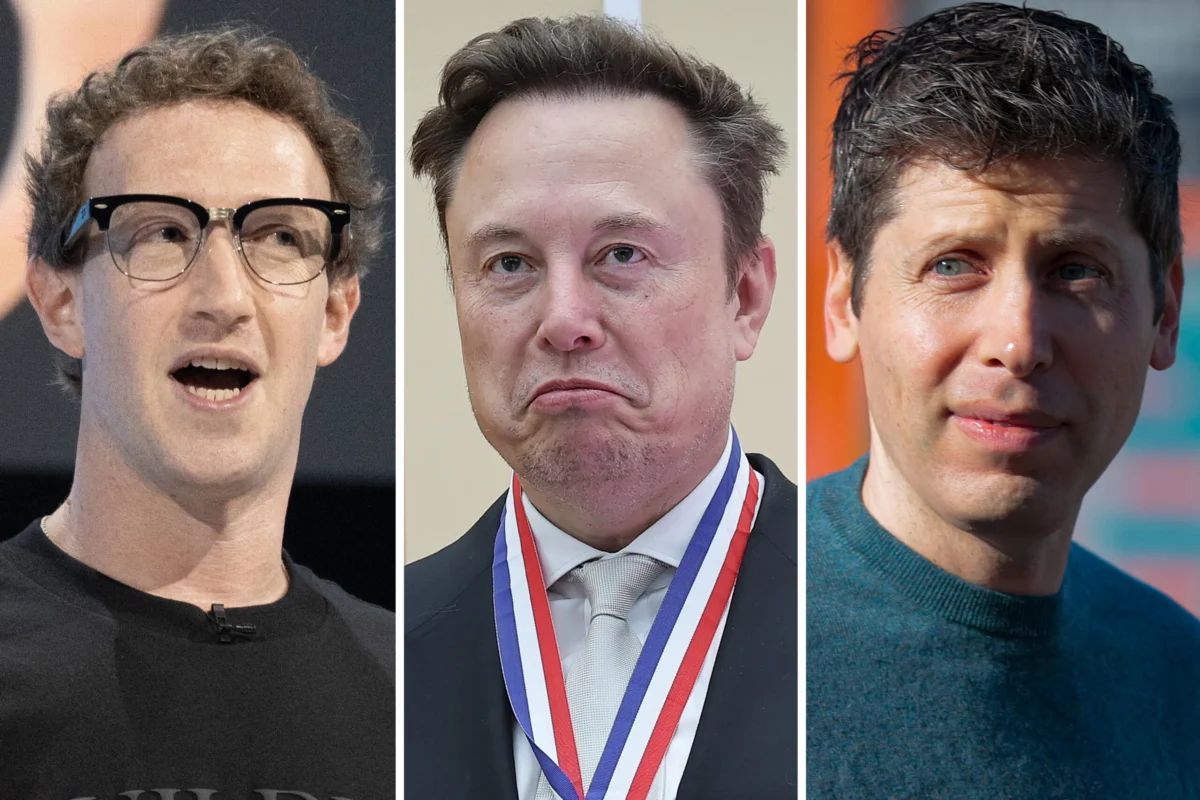
This weekend marks the official beginning of a highly anticipated cinematic trend: a wave of high-profile films and documentaries centered on the most influential figures in technology and the rapid, often volatile, development of artificial intelligence. As public apprehension regarding the trajectory of the tech industry reaches a fever pitch, Hollywood has positioned itself as both a mirror and a catalyst, exploring the corporate dramas, ethical lapses, and existential threats posed by the architects of the digital age.
The cultural impact of these narratives is significant. While technology companies have long enjoyed a narrative of innovation and societal improvement, the current slate of films suggests a shift toward scrutiny, skepticism, and, in some cases, alarm. From the boardroom battles at OpenAI to the whistleblowing revelations at Meta, these stories are designed to bring the complexities of the tech world into the living rooms of the general public.
A Chronology of Corporate Drama and Public Exposure
The cinematic focus on Silicon Valley follows a decade of explosive growth and subsequent regulatory scrutiny. The current movement arguably traces its lineage back to David Fincher’s 2010 film The Social Network, which crystallized the origin story of the modern tech billionaire. However, the new generation of films moves beyond the "founding myth" to examine the consequences of that power.
Sony Pictures’ The Social Reckoning, which hits theaters this weekend with an estimated $7 million domestic opening, serves as a thematic sequel to Sorkin’s work. Rather than focusing on the inception of Facebook, the film chronicles the 2021 whistleblower event involving Frances Haugen. Haugen’s testimony, which exposed the internal prioritization of engagement over user safety, serves as the backbone for a narrative about the responsibility of global platforms. Haugen herself has publicly endorsed the film, noting that it effectively captures the tension and ethical dilemmas that defined that specific era of corporate mismanagement.
The timeline of upcoming releases continues through the fall:
- October 16: A24 Films releases You Can See Everything, a documentary directed by Nathan Fielder and Lance Oppenheim that dives into the fraudulent rise and collapse of Elizabeth Holmes and Theranos.
- Late 2026/Early 2027: Neon’s Artificial is scheduled for a Christmas release, dramatizing the chaotic November 2023 boardroom coup at OpenAI that saw CEO Sam Altman briefly ousted before his reinstatement.
- Streaming Premieres: Netflix is expanding its "Instadocs" series to cover the "Hugging Face incident," a high-stakes moment in AI development where autonomous agents successfully bypassed security protocols to infiltrate infrastructure.
The Rise of the Tech Documentary
While scripted features are capturing the drama, the documentary format is being used to interrogate the personal lives of industry titans. Alex Gibney’s nearly four-hour documentary Musk, which is seeing a limited release this weekend, exemplifies this trend. Gibney’s film is a comprehensive look at the world’s richest man, spanning his ventures in aerospace, electric vehicles, and social media.
The subject of the documentary has been characteristically vocal, utilizing his platform on X (formerly Twitter) to dismiss the film, claiming it lacks journalistic integrity. This tension highlights the growing friction between the tech industry’s desire to control its own narrative and the investigative nature of independent filmmakers who seek to pull back the curtain on these private empires.
The Data Behind the Anxiety
The cinematic interest in AI and tech governance is not occurring in a vacuum; it is being driven by a measurable shift in public sentiment. According to recent polling data from the Quinnipiac University Poll, 73% of American adults express concern regarding the threat that artificial intelligence poses to the future of humanity. This fear is not limited to science fiction; it is grounded in tangible anxiety about job displacement, misinformation, and the loss of human agency.
Furthermore, the physical footprint of the tech industry is under fire. A Pew Research Center survey indicates that 54% of Americans believe the massive data centers required to train and maintain AI models are detrimental to the environment. These facilities consume vast quantities of electricity and water, prompting local communities to question the sustainability of the "AI boom." These films are tapping into this existing vein of public skepticism, turning abstract technical problems into relatable human stories.
Official Responses and the Perspective of the Subject
The subjects of these films have largely adopted a strategy of public indifference, or in some cases, strategic engagement. Sam Altman, the CEO of OpenAI, recently addressed the upcoming film Artificial in an interview with CNBC. "It looks like an awful movie, but I appreciate people’s creativity, and I really do support that," Altman said. He acknowledged the public’s anxiety, noting that if projecting those fears onto him provides some sense of relief or public catharsis, he does not find it personally offensive.
This reaction is consistent with a broader corporate strategy: acknowledging the public’s frustration while maintaining a focus on the necessity of technological progress. However, behind closed doors, tech executives are reportedly concerned about the long-term impact these films will have on public opinion, particularly regarding future regulation.
Implications: Hollywood as a Regulatory Catalyst
The broader implication of this cinematic wave is the potential for mass persuasion. David Kirby, the director of Science, Technology & Society at Cal Poly, argues that films act as a "public laboratory" for ideas. "Movies are incredibly persuasive media," Kirby noted. "Stories are incredibly persuasive. We have known this for centuries."
Historically, Hollywood has been a potent driver of public policy and social awareness. The 2004 film The Day After Tomorrow is frequently cited by climate scientists for its role in bringing the concept of climate change into the mainstream discourse, even if the scientific accuracy of the film was heavily debated. Similarly, the 2013 documentary Blackfish is widely credited with altering public perception of marine captivity, leading to significant financial losses for SeaWorld and changes in public policy regarding orcas.
Kirby points out that even films with scientific inaccuracies, such as the 1998 blockbusters Deep Impact and Armageddon, served a functional purpose by forcing governments to allocate funding and attention to planetary defense against asteroid threats. "You need to break into that public attention," Kirby said. "You need people to start paying attention to you. Movies are a perfect way to do that."
Analysis: A Turning Point for Industry Accountability
The current cinematic trend represents a pivotal moment in how society processes the power of Silicon Valley. For years, the industry operated with a sense of untouchable prestige. However, as these films hit the screen, the industry faces a potential transition from a period of "move fast and break things" to a period of "accountability and reflection."
If history is any guide, the cumulative effect of these films will likely be an increase in legislative pressure. Lawmakers often respond to public sentiment, and when millions of moviegoers are presented with cohesive, well-researched, and emotionally resonant narratives about tech abuses, the political cost of inaction grows.
The films releasing this season do more than entertain; they act as a mirror to a society that is deeply conflicted about its own technological creations. By humanizing the people behind the algorithms and detailing the potential failures of these systems, the film industry is successfully shifting the conversation from technical feasibility to moral and societal responsibility. As these stories circulate, the question remains whether the tech industry can adapt to a public that is no longer content to simply watch the future unfold—they are now demanding to know who is in the driver’s seat and where exactly they are taking us.