

The historic heart of Ghent, Belgium, transformed into the epicenter of global cinematic composition as the 2026 World Soundtrack Awards concluded its annual multi-day celebration of music in film and television. Held on Saturday, October 10, at the prestigious Music Centre De Bijloke, the culminating gala of Film Fest Gent highlighted an extraordinary year for soundtrack artistry, rewarding boundary-pushing compositions across feature films, television series, interactive gaming, and emerging independent voices. Amidst a fiercely competitive field of international nominees, British composer Daniel Pemberton and veteran television composer Jeff Russo captured the night’s premier institutional honors, while unstoppable global phenomenon KPop Demon Hunters continued its historic awards sweep by taking home the trophy for Best Original Song.
The three-day industry gathering, which brought together prominent international film and media music professionals from October 8 through October 10, offered an intensive program of masterclasses, networking workshops, and panel discussions focusing on the evolving artistic and technical demands of scoring for the screen. The festivities reached their emotional and artistic peak during Saturday evening’s gala concert, performed by the renowned Brussels Philharmonic under the baton of conductor Dirk Brossé. The concert program featured curated selections from the lifetime achievement award recipient Trevor Jones and highlighted the influential body of work by this year’s guest of honor, Hildur Guðnadóttir.
Dominance of Daniel Pemberton and Jeff Russo in Top Composer Categories
The race for Film Composer of the Year proved to be one of the most closely watched segments of the evening, featuring a masterclass lineup of nominees including Alexandre Desplat, Jonny Greenwood, Hildur Guðnadóttir, and Max Richter. Ultimately, the jury recognized Daniel Pemberton for his prolific and versatile output across a staggering variety of cinematic genres over the past year. Pemberton’s winning slate included his inventive, high-energy science fiction soundscapes for Project Hail Mary, his sharp character-driven work on The Drama, the animated exuberance of The Bad Guys 2, and his grand thematic revitalization of Masters of the Universe. Pemberton’s triumph underscores a career defined by stylistic chicanery, seamlessly bridging massive blockbuster orchestration with avant-garde electronic textures.
In the television arena, the Television Composer of the Year category honored Jeff Russo for an equally demanding and diverse slate of small-screen masterworks. Russo triumphed over a formidable group of contenders that included David Fleming for Widow’s Bay, Finneas O’Connell for the second season of Beef, the collaborative team of Martin Phipps and Benji Merrison for Steal, and Dave Porter for Pluribus. Russo’s awards-winning portfolio highlighted his atmospheric, tension-building compositions for Alien: Earth, the psychological depth brought to Cape Fear, and the high-stakes political and action-oriented audio landscape of Citadel Season 2. Industry analysts noted that Russo’s ability to ground complex science fiction and psychological thrillers in emotionally resonant sonic palettes solidified his standing as one of television’s most reliable and distinctive musical architects.
KPop Demon Hunters Continues Its Historic Awards Run
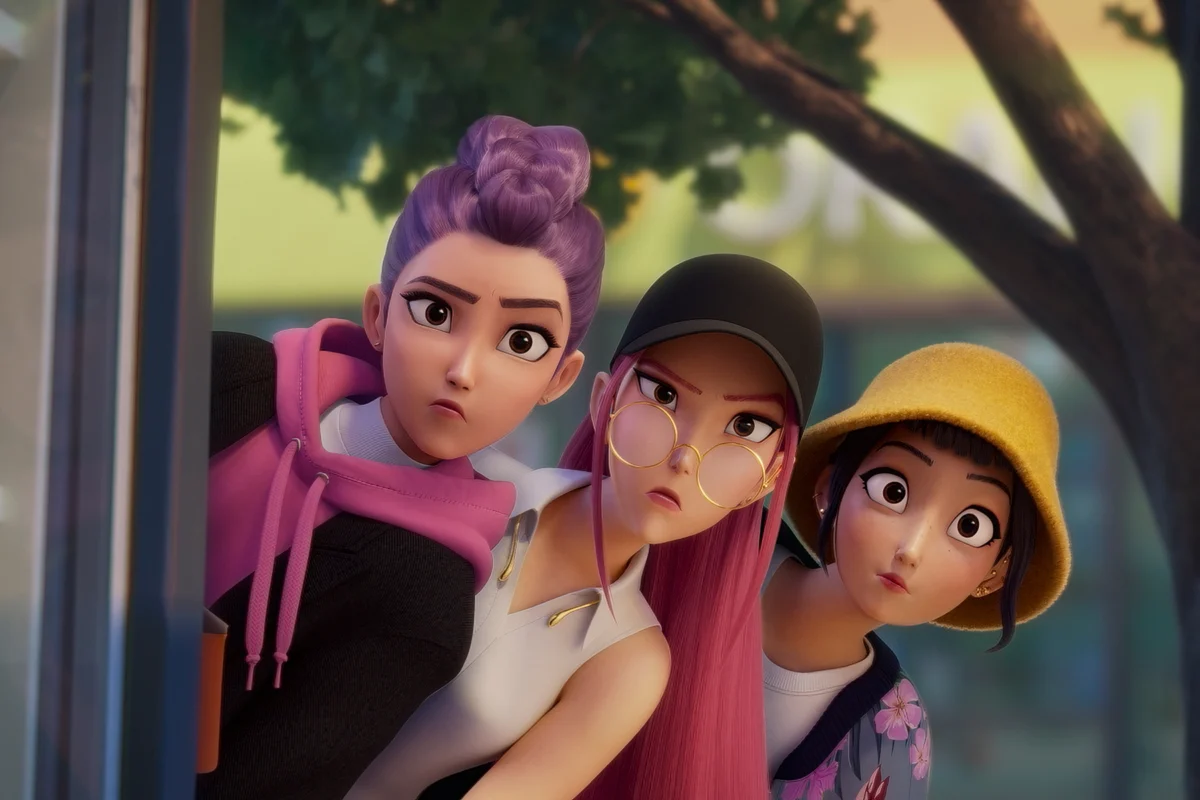
The phenomenon surrounding the cross-media musical juggernaut KPop Demon Hunters showed no signs of cooling down at the Ghent ceremony. Having already secured major trophies at the Golden Globes, the Grammy Awards, and the Academy Awards earlier in the year, the film’s breakout anthem “Golden” added a World Soundtrack Award for Best Original Song to its overflowing mantle.
Written by a powerhouse collective of songwriters consisting of Kim Eun-jae, Mark Sonnenblick, Joong Gyu Kwak, Yu Han Lee, Hee Dong Nam, Jeong Hoon Seo, and Teddy Park, and performed by the fictional-turned-global-supergroup HUNTR/X—featuring vocalists EJAE, Audrey Nuna, and REI AMI—“Golden” dominated international charts earlier in the year, spending an astounding eight consecutive weeks at the summit of the Billboard Hot 100.
The track triumphed over a stellar slate of original songs, including “House” from Wuthering Heights (written by Charli xcx, John Cale, Nathan Klein, and Finn Keane; performed by Charli xcx and John Cale), “No Place Like Home” from Wicked: For Good (written by Stephen Schwartz; performed by Cynthia Erivo), “Stolen Tale” from Hedda (written by Hildur Guðnadóttir and Nia DaCosta; performed by Mariam Wallentin), and “Train Dreams” from Train Dreams (written by Nick Cave and Bryce Dessner; performed by Nick Cave). The victory highlights the growing commercial and artistic intersection between contemporary pop production sensibilities and cinematic storytelling.
Emerging Talent and Public Choice Triumphs
In addition to established heavyweights, the 2026 World Soundtrack Awards placed a heavy emphasis on identifying and championing fresh voices within the global scoring community. British composer Hannah Peel captured the coveted Discovery of the Year award for her delicate yet evocative score to Midwinter Break, outperforming a competitive international shortlist that featured Mari Fukuhara (Little Amélie or the Character of Rain), Paris Hurley (The Chronology of Water), Kangding Ray (SIRĞAT), and Sam Slater (2000 Meters to Andriivka).
The Public Choice Award, which invites global audiences and film music enthusiasts to vote for their favorite score of the year, saw intense digital campaigning across fandoms. When the votes were tallied, the honor went to Kevin Smithers for his whimsical, intricate, and atmospheric score to Soy Frankelda. Smithers edged out massive blockbuster contenders, including Simon Franglen’s work on Avatar: Fire and Ash, Daniel Pemberton’s multi-nominated Project Hail Mary, Ludek Drizhal’s Starbright, and Marcelo Zarvos’ score for KPop Demon Hunters.
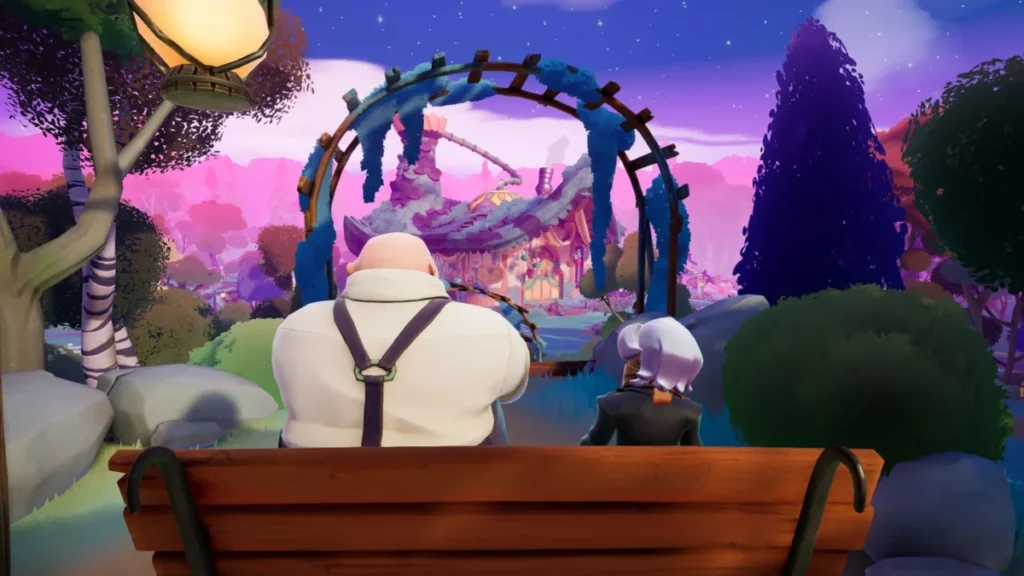
Within the interactive media landscape, the Game Music Award recognized the growing prestige and sonic complexity of video game compositions. Nicolas Garcia claimed the top honor for his immersive, spine-chilling score to Cthulhu: The Cosmic Abyss, beating out heavy-hitting nominees like Hwiman Ryu and his team for Crimson Desert, Andrew Arcadi for Dispatch, Ryan Lott for Marathon, and the D-Cell Sound Team (rj lake, Vasily Nikolaev, Rachel Lake, and Clara Maddux) for UNBEATABLE.
Furthermore, the Best Original Composition by a Young Composer award was presented to Xabier Doural García, who triumphed over fellow finalists Lidia Pozo Perez and Yeakun Yoo, signaling a bright future for the next generation of orchestral and electronic architects.

Complete List of Winners at the 2026 World Soundtrack Awards
Film Composer of the Year
- WINNER: Daniel Pemberton – Project Hail Mary; The Drama; The Bad Guys 2; Masters of the Universe
- Alexandre Desplat – Frankenstein; Eagles of the Republic; Jurassic World Rebirth; L’homme qui rétrécit (The Shrinking Man)
- Jonny Greenwood – One Battle After Another
- Hildur Guðnadóttir – The Bride!; Hedda; 28 Years Later: The Bone Temple
- Max Richter – Hamnet
Television Composer of the Year
- WINNER: Jeff Russo – Alien: Earth; Cape Fear; Citadel (season two)
- David Fleming – Widow’s Bay
- Finneas O’Connell – Beef (season two)
- Martin Phipps, Benji Merrison – Steal
- Dave Porter – Pluribus
Best Original Song
- WINNER: “Golden” from KPop Demon Hunters – Written by Kim Eun-jae, Mark Sonnenblick, Joong Gyu Kwak, Yu Han Lee, Hee Dong Nam, Jeong Hoon Seo, Teddy Park | Performed by HUNTR/X (EJAE, Audrey Nuna, REI AMI)
- “House” from Wuthering Heights – Written by Charli xcx, John Cale, Nathan Klein, Finn Keane | Performed by Charli xcx, John Cale
- “No Place Like Home” from Wicked: For Good – Written by Stephen Schwartz | Performed by Cynthia Erivo
- “Stolen Tale” from Hedda – Written by Hildur Guðnadóttir, Nia DaCosta | Performed by Mariam Wallentin
- “Train Dreams” from Train Dreams – Written by Nick Cave, Bryce Dessner | Performed by Nick Cave
Best Original Composition by a Young Composer
- WINNER: Xabier Doural García
- Lidia Pozo Perez
- Yeakun Yoo
Discovery of the Year
- WINNER: Hannah Peel – Midwinter Break
- Mari Fukuhara – Little Amélie or the Character of Rain
- Paris Hurley – The Chronology of Water
- Kangding Ray – SIRĞAT
- Sam Slater – 2000 Meters to Andriivka
Public Choice Award
- WINNER: Soy Frankelda – Kevin Smithers
- Avatar: Fire and Ash – Simon Franglen
- Project Hail Mary – Daniel Pemberton
- Starbright – Ludek Drizhal
- KPop Demon Hunters – Marcelo Zarvos
Game Music Award
- WINNER: Cthulhu: The Cosmic Abyss – Nicolas Garcia
- Crimson Desert – Hwiman Ryu, Inro Joo, Hyoung Woo Roh, Jiyoon Kim, Dongjune Oh
- Dispatch – Andrew Arcadi
- Marathon – Ryan Lott
- UNBEATABLE – rj lake, Vasily Nikolaev, Rachel Lake, and Clara Maddux (D-Cell Sound Team)
Belgian Film Composer of the Year
- WINNER: Margaret Hermant – A la cara (Nothing Personal); Mallorca Confidencial
- Frederik Van de Moortel – De Pupil
- Frédéric Vercheval – Les Tourmentés
Lifetime Achievement Award
- RECIPIENT: Trevor Jones
Broader Implications and Industry Analysis
The 2026 World Soundtrack Awards reflected a transformative period for the media composition industry. The convergence of traditional orchestral scoring with pop songwriting, exemplified by the massive global footprint of KPop Demon Hunters, demonstrates that studios and streaming platforms increasingly view music not merely as background accompaniment, but as a primary driver of commercial IP expansion and audience engagement.
Furthermore, the recognition of creators across vastly different mediums—from prestige cinematic features to complex interactive gaming landscapes like Cthulhu: The Cosmic Abyss—illustrates the blurring boundaries of modern audio design. As composers are continually tasked with servicing multi-platform franchises, the ability to pivot between intimate chamber instrumentation and massive electronic soundscapes has become an essential prerequisite for industry survival. Events like Film Fest Gent and the World Soundtrack Awards continue to serve as vital barometers for these aesthetic shifts, validating the profound cultural impact of music in contemporary visual media.