

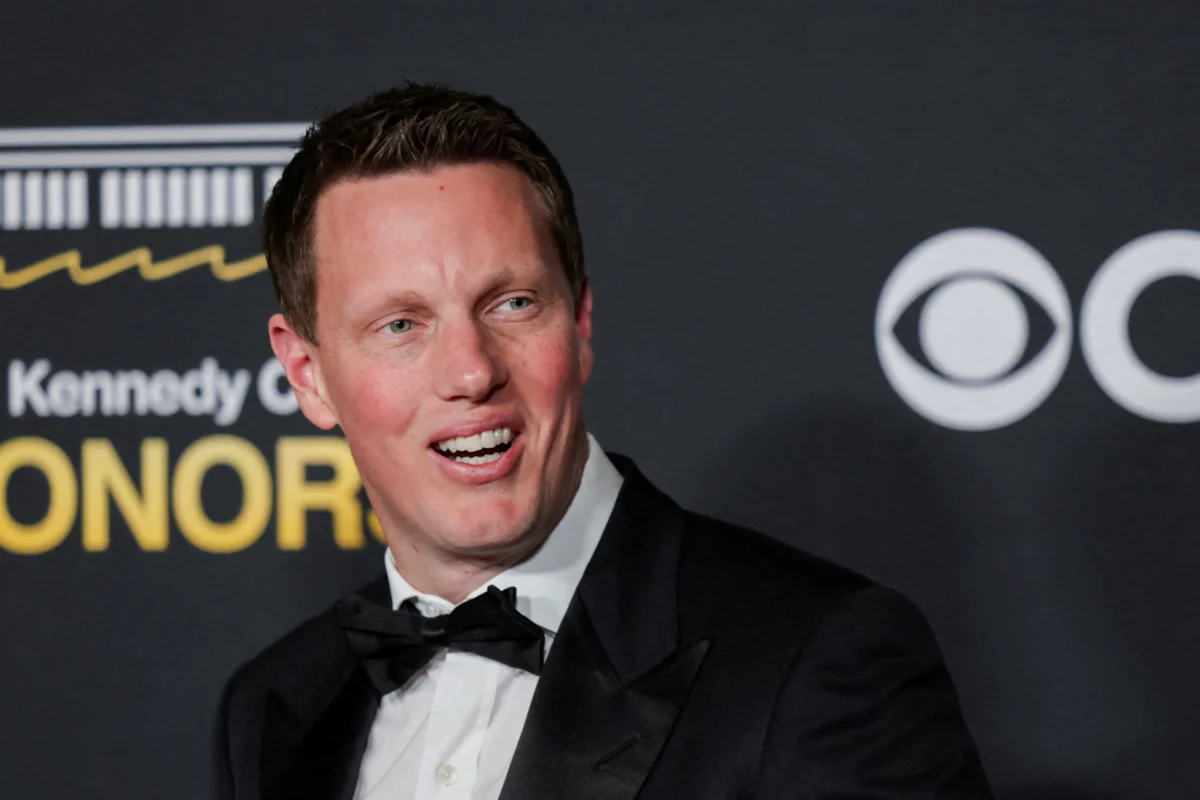
The landscape of global entertainment is set for its most significant transformation in a century as David Ellison, CEO of the newly formed media conglomerate, confirmed that the combined entity of Paramount and Warner Bros. Discovery will operate under the banner of Skydance. This rebranding, announced Friday, marks the culmination of an aggressive eighteen-month acquisition spree that has effectively consolidated three of the most storied names in Hollywood into a single, powerhouse organization. The merger, valued at approximately $110 billion on an enterprise basis, is scheduled to finalize this coming Tuesday, following the resolution of a high-profile legal challenge brought by a coalition of state attorneys general.
The transition to the "Skydance" moniker—which will also serve as the company’s new ticker symbol, SKYD—is a calculated move to preserve the legacy of the acquired studios while signaling a shift toward a unified, future-facing operational model. By adopting the Skydance name, Ellison aims to avoid the branding friction often associated with massive mergers, allowing the individual identities of Paramount and Warner Bros. to persist as distinct, prestige-driven studios under the broader corporate umbrella.
A Rapid Ascent: The Road to Consolidation
The formation of the new Skydance entity represents a lightning-fast consolidation of media assets that has reshaped the industry hierarchy. The journey began in August 2025, when Skydance, a production house best known for its high-octane blockbusters such as Top Gun: Maverick and the Mission: Impossible franchise, successfully finalized its acquisition of Paramount. This move provided the foundation for a larger play: the integration of Warner Bros. Discovery.
The acquisition effort for Warner Bros. Discovery was anything but quiet. Following the initial announcement, the proposal ignited a fierce bidding war among industry giants, reflecting the high stakes involved in capturing one of the world’s largest libraries of intellectual property. By February 2026, the parties reached a definitive agreement, setting the stage for a $110 billion enterprise value merger. However, the path to closure was complicated by regulatory scrutiny. A group of state attorneys general challenged the deal, citing concerns over market concentration and potential impacts on competition. After extensive negotiations and legal maneuvering, the hurdles were cleared in late September, paving the way for the official closing on Tuesday.
Strategic Leadership and Governance
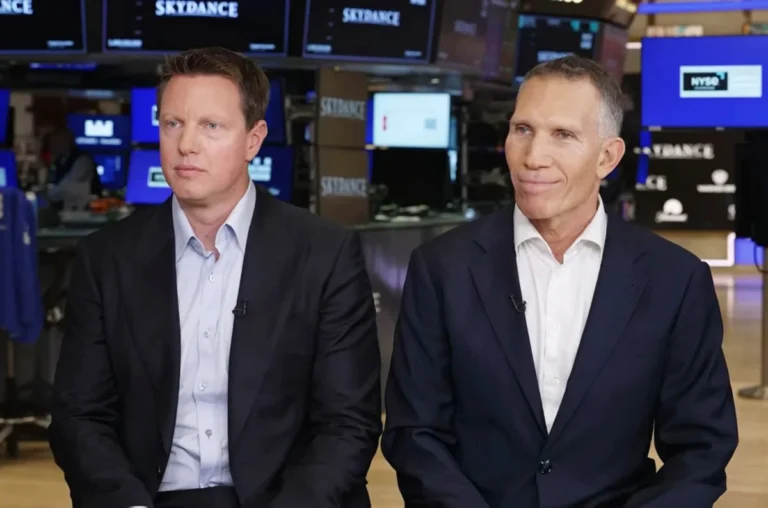
As the dust settles on the merger, the governance structure of the new Skydance has been finalized to ensure stability during the integration phase. David Ellison will lead the organization as CEO, steering the long-term vision of the company. He will be joined by Ynon Kreiz, the outgoing CEO of Mattel, who will step into the role of co-CEO.
This leadership pairing is widely viewed by industry analysts as a strategic blend of creative production expertise and proven corporate turnaround experience. Kreiz, credited with revitalizing Mattel’s brand portfolio through a focus on intellectual property and cross-media expansion, brings a background in consumer goods and franchise management that complements Ellison’s background in high-budget film production. Together, they will oversee a massive portfolio of assets, ranging from the classic film libraries of the MGM and Paramount vaults to the sprawling news and sports coverage of Warner Bros. Discovery.
Data-Driven Growth: The Power of the Portfolio
The scale of the new Skydance cannot be overstated. According to data provided by Rentrak, the combined studios are projected to release 35 feature films next year, a volume of output that positions the company as a dominant force in theatrical distribution. This output is supported by an expansive distribution network and a deep catalog of intellectual property, including major franchises such as Harry Potter, DC Comics, Star Trek, and the aforementioned mission-driven action series.

The financial implications of this merger are significant. By integrating the streaming platforms of the constituent companies—including Paramount+ and Max—the new Skydance aims to achieve massive economies of scale. The goal is to compete directly with global streaming leaders like Netflix and Disney+, utilizing a "creative-first" engine that prioritizes high-quality, long-term storytelling. The unified company will benefit from reduced overhead costs through the consolidation of redundant administrative, legal, and back-office operations, allowing for greater capital allocation toward content development.
The Philosophical Shift: Preserving Legacy
In a statement released via social media, Ellison addressed the rationale behind the name choice, emphasizing the importance of heritage. "Paramount and Warner Bros. shaped over a century of culture," Ellison wrote. "By combining them, we aren’t rewriting history—we’re equipping these iconic studios with a more powerful engine."
This focus on brand preservation is a departure from previous media mega-mergers, which often sought to consolidate all assets under a single, monolithic brand. By maintaining Paramount and Warner Bros. as distinct, frontline labels, the company intends to retain the brand equity and cultural cachet associated with those names. This strategy is expected to mitigate potential backlash from fans and creators who feared that a new, corporate-sounding name might dilute the prestige of the legendary studios.
Industry Implications and Market Outlook
The formation of the new Skydance arrives at a pivotal moment for Hollywood. The industry is currently grappling with the challenges of a maturing streaming market, the volatility of theatrical revenue, and the rapid evolution of artificial intelligence in content creation. By centralizing operations, the new Skydance is betting that scale is the only viable path to long-term profitability.
Financial analysts monitoring the merger note that the primary challenge for the new executive team will be the successful integration of disparate corporate cultures. While the financial synergies are theoretically strong, the execution will require balancing the creative autonomy of established production houses with the fiscal discipline required by a $110 billion debt-laden entity. The market will be watching closely to see if the promised "powerful engine" can deliver sustained growth in an environment where audience attention is increasingly fragmented.
A New Era of Content Production
As the company prepares to trade under the ticker "SKYD," the industry is observing a fundamental shift in the definition of a "major studio." Skydance, once a boutique production partner, has effectively vaulted into the top tier of global media conglomerates. This transition underscores the changing economics of entertainment, where the ability to control the entire pipeline—from production to distribution—is deemed essential for survival.
Looking ahead, the newly formed entity is expected to prioritize a "quality over quantity" approach, despite the high volume of film releases planned for the coming year. Ellison has indicated that the company’s identity will be rooted in "bold, quality storytelling," a sentiment that suggests the new Skydance will continue to seek out large-scale, tentpole projects that can drive both box office performance and streaming engagement.
The official closing of the deal on Tuesday marks the end of a long period of uncertainty for the employees and stakeholders of all three companies. For investors, the focus now shifts to the first post-merger quarterly earnings call, where the management team is expected to provide more granular detail on cost-saving initiatives, debt repayment schedules, and the long-term integration strategy. As the industry enters this new chapter, the legacy of Paramount and Warner Bros. will be tested, not by their past, but by their ability to adapt to the rigors of the modern, consolidated media environment under the Skydance name.