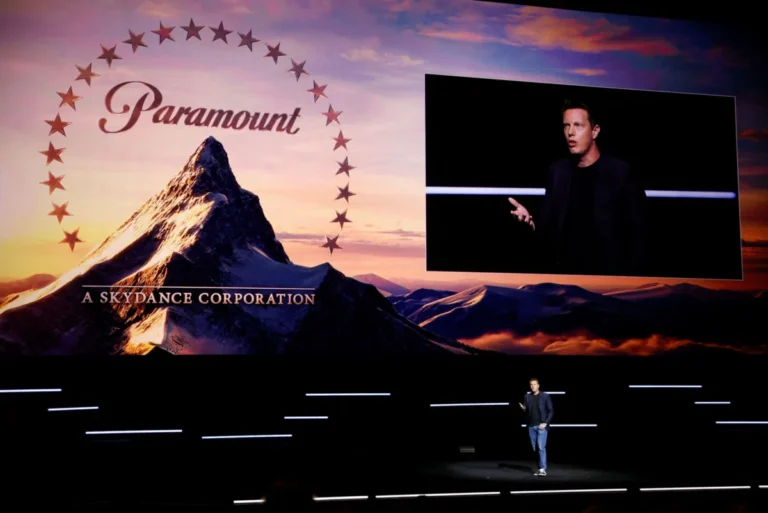

In a definitive move that reshapes the landscape of modern media, Skydance Media has officially completed its acquisition of Warner Bros. Discovery, consolidating an expansive portfolio of entertainment assets under a singular corporate umbrella. The merger, which finalizes months of regulatory scrutiny and complex negotiations, brings together two of Hollywood’s most storied studios, Paramount and Warner Bros., alongside a massive library of intellectual property, legacy broadcast networks, and a combined streaming subscriber base that positions the new entity as a formidable global contender.
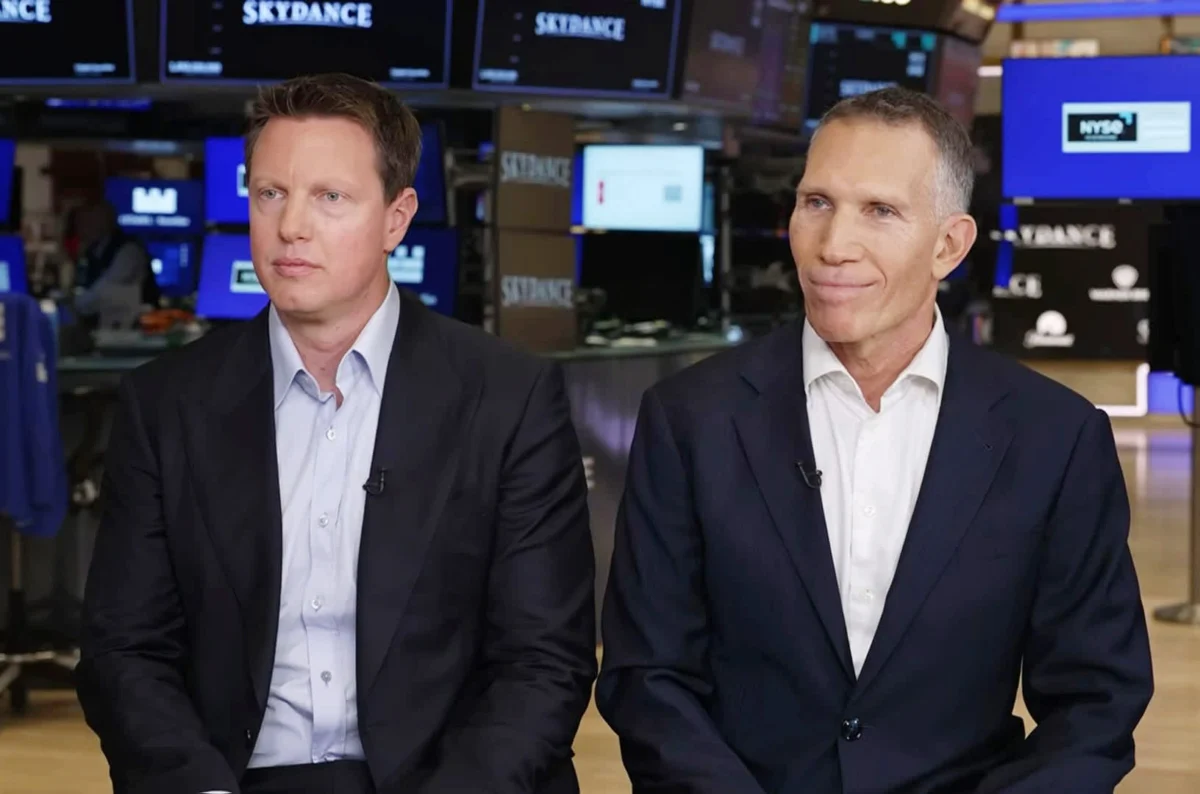
David Ellison, the co-CEO of Skydance, declared the organization "positioned to win in every single vertical that we operate in" during his first public remarks following the deal’s closure. As the company embarks on its new chapter, it faces the dual mandate of aggressive market expansion and the delicate task of integrating disparate corporate cultures while navigating a staggering $80 billion debt load.
A Strategic Consolidation of Media Assets
The newly formed Skydance-led conglomerate represents a vertical integration rarely seen in the post-cable era. By combining Paramount and Warner Bros., the company now controls a vast content engine that spans film production, television, and digital distribution. The portfolio includes the CBS broadcast network, cable mainstays such as CNN, TNT, MTV, and BET, and a streaming powerhouse comprised of HBO Max and Paramount+.
The scale of this operation is significant. With over 200 million global streaming subscribers, the company aims to leverage the combined technological and creative assets of both entities to achieve dominance in an increasingly fragmented market. According to company leadership, the synergy between the two platforms is intended to streamline content discovery, reduce customer acquisition costs, and provide a comprehensive library that appeals to diverse global demographics.
Executive Leadership and Organizational Structure
The leadership strategy for this media behemoth is built on a clear division of expertise. David Ellison, serving as co-CEO alongside Ynon Kreiz, will focus on the creative vision and the long-term technological evolution of the company. Ellison, who has spent over 15 years as a producer, has frequently emphasized his desire to transform Skydance into a premier creative hub for filmmakers, prioritizing high-quality storytelling as the bedrock of the firm’s future profitability.
Ynon Kreiz, widely regarded in the industry for his success in corporate turnarounds, is tasked with the complex integration of the two organizations. His role involves the day-to-day management, operational restructuring, and the implementation of cost-saving measures necessary to manage the company’s substantial debt. This "two-pronged" leadership approach is designed to balance the artistic demands of Hollywood with the fiscal discipline required by institutional investors.
Chronology of the Acquisition
The path to this merger was marked by significant regulatory hurdles and public debate:
- Early 2026: Initial reports emerge regarding Skydance’s interest in acquiring Warner Bros. Discovery, signaling a potential shift in the media consolidation trend.
- February 2026: Reports of impending layoffs begin to circulate, sparking anxiety among employees at both studios regarding the future of their roles.
- September 21, 2026: Paramount reaches a critical settlement with a coalition of state attorneys general who had initially moved to block the deal on antitrust grounds.
- September 25, 2026: As part of the settlement, Skydance formally commits to maintaining a high volume of theatrical releases, ensuring that the merger does not lead to a decline in cinema availability.
- September 30, 2026: David Ellison and Ynon Kreiz are formally named co-CEOs, outlining their respective duties.
- October 6, 2026: The merger between Paramount and Warner Bros. Discovery is officially closed, marking the birth of the new Skydance-led media giant.
Financial Realities and Operational Synergies
A central pillar of the merger’s business case is the realization of $6 billion in synergies over the next three years. Addressing the $80 billion in debt, Ellison noted that the executive team has spent over a year auditing the assets to identify inefficiencies.
"We know where every single dollar is," Ellison remarked, emphasizing that the savings will be derived from a multi-faceted approach. Ynon Kreiz specified that these efficiencies will be realized through "technology, marketing consolidation, real estate optimization, and some labor."

The consolidation of back-end technology stacks and the unification of global ad sales divisions are already underway. While the leadership team has been transparent about the necessity of workforce reductions, they have also underscored a commitment to managing these transitions with transparency. Kreiz acknowledged the sensitivity of the situation, stating, "Reducing the workforce is a part of that. We’re going to do it in the right way, respectfully, transparently, and communicate our plans."
Commitments to Theatrical Content
To assuage concerns from regulators regarding the reduction of market competition, Skydance has entered into a legally binding agreement concerning its annual theatrical output. The settlement stipulates that the company must release at least 30 films annually in 2027 and 2028, increasing to 32 films annually through 2031.
Current industry data suggests that the combined entity is well-prepared to meet these requirements, with 35 films already scheduled for release in the coming year. By committing to this volume, Skydance aims to maintain the health of the theater exhibition industry while leveraging its massive library to drive traffic to its streaming services.
Editorial Independence and the News Divisions
One of the most sensitive aspects of the merger involves the stewardship of CBS News and CNN. Given the high-profile nature of CNN’s coverage and its recent interactions with the federal government—including instances where the network faced restricted access to the White House press pool—the issue of editorial autonomy has become a point of public discussion.
Complicating the narrative is the political background of the Ellison family; David’s father, Oracle co-founder Larry Ellison, is a prominent supporter of President Donald Trump. To prevent perceptions of political influence, the settlement with state attorneys general mandated the creation of an independent board specifically tasked with overseeing the news divisions.
In a move to stabilize the newsrooms, Skydance confirmed that Mark Thompson will continue as chairman and editor-in-chief of CNN Worldwide, while Bari Weiss remains the editor-in-chief of CBS News. Kreiz reaffirmed the company’s commitment to independent editorial operations, stating that the networks would continue to run in parallel. When pressed on the matter of political influence, David Ellison maintained a firm boundary, asserting, "Corporate stays out of editorial."
Broader Industry Implications
The merger is set against an industry-wide "inflection point," as noted by Kreiz. Media companies are increasingly finding it difficult to reach consumers in a landscape saturated with digital options and evolving social media consumption patterns. By aggregating the vast intellectual property of Paramount and Warner Bros., Skydance is betting that the size and quality of its content portfolio will allow it to command a greater share of consumer attention.
The success of this merger will likely serve as a bellwether for the future of legacy media. As the lines between tech, content production, and distribution continue to blur, Skydance’s experiment in combining traditional film studio craftsmanship with modern, data-driven streaming operations could define the standard for the next generation of global entertainment conglomerates.
As the company moves forward, stakeholders will be closely watching how the executive team manages the transition. With a massive debt burden to service and the expectations of a complex merger integration, the pressure on Ellison and Kreiz to deliver on their promise of a "next generation" media company remains high. For now, the focus shifts from the boardroom negotiations of the past year to the operational execution of the years ahead.