



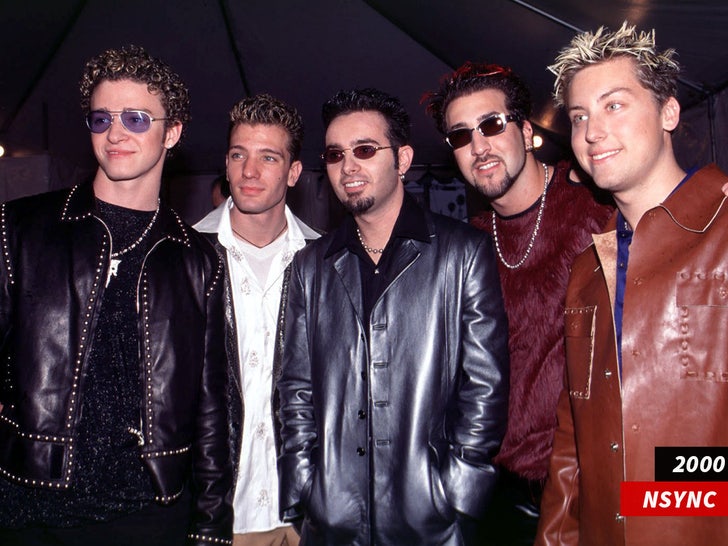
The financial realities of the late-1990s and early-2000s pop music explosion have long been shrouded in mystery, with fans often assuming that multi-platinum success equates to generational wealth. However, recent revelations from NSYNC member Lance Bass have once again brought the predatory nature of early-career boy band contracts into sharp focus. During a candid appearance on "The Zach Sang Show," Bass dismantled the illusion of instantaneous pop stardom fortune, revealing that despite selling millions of records, filling stadiums worldwide, and generating massive merchandising revenues, the members of NSYNC earned virtually nothing during the height of their global fame.
Bass’s revelations offer a sobering look into the mechanics of the music industry during the peak of the teen pop boom, a period characterized by aggressive label oversight, lopsided contracts, and the exploitation of young artists. While the group’s name became synonymous with pop culture history, the individuals behind the phenomenon were surviving on a meager $35 daily allowance, illustrating a stark disconnect between public perception and private financial reality.
The Financial Reality Behind the Global Phenomenon
During his conversation on "The Zach Sang Show," Bass detailed the financial compensation—or lack thereof—that accompanied NSYNC’s meteoric rise. At a time when the band’s sophomore studio album, No Strings Attached*, was shattering first-week sales records by moving 2.4 million copies in the United States alone, the artists themselves were experiencing a completely different economic reality.
According to Bass, the group subsisted on a standard $35 per diem while on tour, a modest sum intended to cover daily incidental expenses. More startling, however, was the revelation regarding their milestone earnings. Bass recalled that when the group finally received their first substantial check at the absolute peak of their fame, the payout amounted to a meager $10,000 per member.

This financial distribution underscored a deeper industry practice: the shifting of immense debt onto developing artists under the guise of production, promotion, and travel expenses. Record labels routinely recouped every cent spent on music videos, wardrobe, and tour support from the artists’ eventual royalties, often leaving performers deeply indebted or earning fractions of a cent on the dollar. Furthermore, Bass highlighted the lucrative world of merchandise sales—t-shirts, posters, and branded memorabilia that lined retail shelves globally—noting that the band members did not see a meaningful percentage of those revenues, if any at all.
A Systemic Failure of Adult Guidance and Industry Standards
Beyond the financial disparity, Bass expressed profound frustration regarding the adults entrusted with the care and management of the teenage group members. At the time of *NSYNC’s formation and initial breakthrough, the members—Bass, Justin Timberlake, JC Chasez, Joey Fatone, and Chris Kirkpatrick—were exceptionally young, with Bass joining the group at just 16 years old.
Rather than advocating for the young performers’ rights or ensuring fair compensation, industry handlers, executives, and adult personnel routinely adopted a dismissive posture. Bass recounted that whenever financial concerns or contractual grievances were raised, the standard adult response was to tell the teenagers to simply "do their dang jobs" and focus on performing. This dynamic created an environment where young talent was insulated from financial literacy and stripped of bargaining power, effectively silencing any attempts to question the distribution of wealth generated by the group’s tireless work ethic.
Legal analysts and music industry historians have long pointed out that the boy band boom of the late 20th century operated under legal frameworks that heavily favored corporate entities over individual creators. Standard recording contracts of that era typically bound artists to multi-album commitments with options that favored the record label, while granting minimal royalty percentages. Because the artists were minors or young adults entering the professional sphere without independent legal counsel, they were structurally disadvantaged from the outset.
A Comparative Look at Boy Band Longevity and Career Trajectories
The financial struggles experienced by NSYNC during their active years stand in stark contrast to the career longevity and financial stability achieved by some of their contemporaries. During his interview, Bass reflected on the group’s trajectory and expressed a lingering regret regarding their career path. He noted that he frequently wishes NSYNC had chosen a different path—specifically, that they had maintained an ongoing working relationship and touring schedule similar to that of the Backstreet Boys, rather than permanently disbanding at the height of their success.

The Backstreet Boys, managed by Lou Pearlman—who later faced legal ruin and federal conviction for orchestrating a massive Ponzi scheme—also experienced severe financial exploitation in their early years, leading to landmark lawsuits against their management and record labels. However, by maintaining a cohesive operational unit and eventually regaining control of their masters and touring apparatus, the Backstreet Boys managed to sustain a lucrative, decades-long touring career that secured their long-term financial futures.
For NSYNC, the premature disbandment following their 2002 Celebrity Tour* meant that the members had to pivot individually to secure their financial standing. While members like Justin Timberlake successfully transitioned into mega-watt solo music and acting careers, other members faced the steep challenge of reinventing themselves in an industry that frequently discards former boy band stars once the teenage demographic moves on.
Overcoming the Boy Band Stigma and Building Post-Music Success
Despite the financial setbacks of his early career, Bass emphasized that he has managed to build a successful and stable professional life in the years following *NSYNC’s dissolution. Navigating life after a legendary pop group often comes with significant psychological and professional hurdles. Former boy band members frequently encounter a persistent industry stigma, wherein casting directors, producers, and business partners pigeonhole them as novelty acts rather than serious professionals.
Bass successfully countered this stigma by diversifying his portfolio. Over the past two decades, he has established himself as a versatile entertainment personality, author, producer, and entrepreneur. From hosting nationally syndicated radio programs and appearing in television and film projects to investing in tech startups and real estate, Bass carved out a sustainable career trajectory that relied entirely on his own business acumen rather than residual royalties from his teenage years.
Nevertheless, Bass’s candid reflections serve as a cautionary tale for modern pop acts and industry observers alike. The glamour associated with platinum plaques and sold-out stadium tours often obscures the grinding exploitation happening behind the scenes.
Broader Implications for Modern Artists and Contract Reform
The revelations shared by Bass contribute to a broader, ongoing conversation within the contemporary music industry regarding fair compensation, transparency, and the rights of young performers. In recent years, increased public awareness, social media advocacy, and legislative scrutiny have begun to shift the balance of power between artists and major record labels.
Modern streaming economics, independent distribution models, and direct-to-fan platforms have provided today’s artists with unprecedented control over their intellectual property and revenue streams. Artists entering the industry today are far more likely to retain ownership of their masters, negotiate favorable royalty splits, and enlist independent legal representation before signing major-label agreements.
However, legacy artists like Bass continue to face the reality of contracts signed in an era before digital streaming revolutionized music consumption and copyright protection. While retroactive financial compensation for historical catalogue earnings remains rare, the willingness of high-profile artists to speak openly about past exploitation plays a crucial role in educating upcoming generations of performers.
As the entertainment industry continues to evolve, the legacy of *NSYNC remains two-fold: they created timeless pop anthems that defined an era of musical history, and their experiences provided a vital blueprint for understanding the complex, often exploitative financial machinery underpinning modern pop stardom. For Lance Bass and his peers, the journey from earning a $35 per diem to achieving independent financial security underscores both the resilience required to survive the pop music machine and the ongoing necessity for systemic reform within the entertainment business.