


The eagerly anticipated German legal thriller, Prosecution, also known by its German title Staatsschutz, is set to ignite crucial conversations about the pervasive challenge of far-right violence and institutional racism within Germany’s justice system. Premiering to significant acclaim at the 2026 Berlin Film Festival earlier this year, the film, directed by Faraz Shariat, has been lauded by critics as a "Lean, Mean, Gripping Legal Thriller" for its unflinching portrayal of a public prosecutor’s battle against a deeply entrenched neo-Nazi network. Its imminent release in Germany on August 27th, 2026, positions it as a timely and vital cinematic commentary on a societal issue that continues to demand urgent attention.
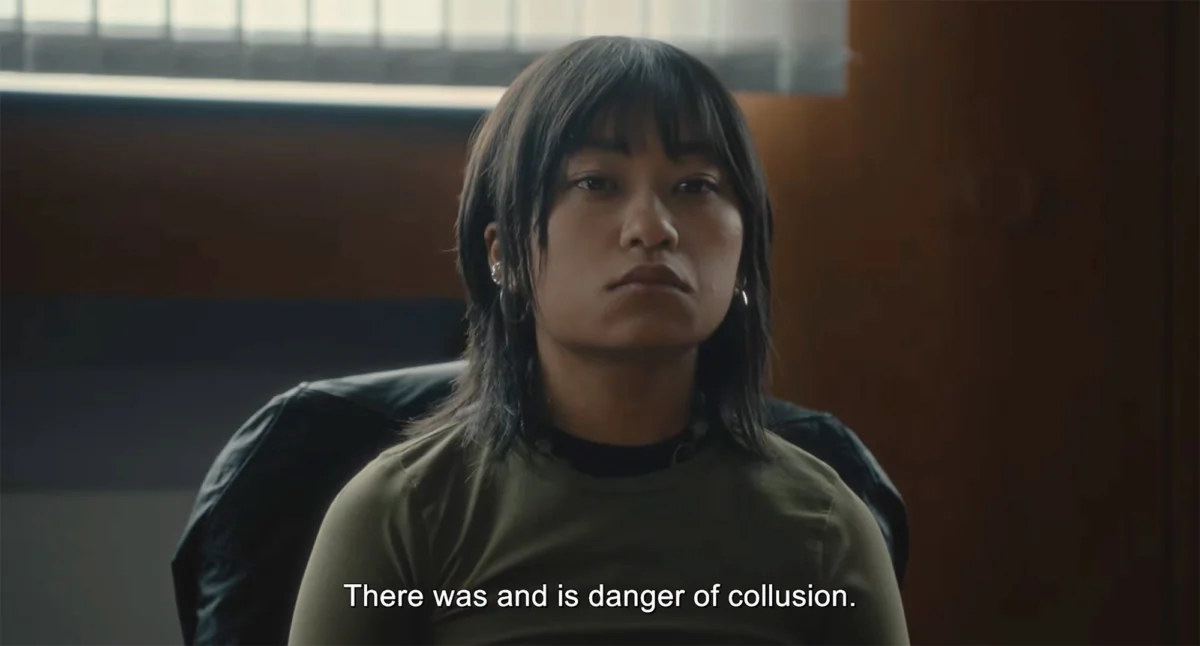
The film plunges audiences into the harrowing world of Seyo Kim, a resolute German public prosecutor, portrayed with compelling intensity by Chen Emilie Yan. Kim is initially driven by a steadfast belief in the state’s capacity and responsibility to confront far-right extremism in eastern Germany, a region historically and contemporarily grappling with such ideologies. However, her professional conviction is brutally challenged when she herself becomes the target of a racist attack, narrowly surviving the violent assault. This personal trauma serves as a pivotal turning point, propelling Seyo beyond the confines of official protocol. Disillusioned by what she perceives as systemic inertia or even complicity, she takes the investigation into her own hands, embarking on a dangerous, unauthorized quest to dismantle the far-right neo-Nazi network responsible for the attack and numerous other "isolated cases" that she uncovers in her department’s archives.
What Seyo discovers through her relentless pursuit of justice is far more insidious than individual acts of extremism. The narrative meticulously peels back layers of bureaucracy and political expediency, revealing that the path to holding perpetrators accountable is fraught with institutional resistance. The film critically examines the widely held belief in the German public prosecution service as "the most objective institution in the world." Seyo learns firsthand the harsh reality of a state that, in her experience, not only applies double standards when it comes to prosecuting far-right violence but, at times, appears to actively downplay its severity or even inadvertently protect elements of these networks. This central conflict — the individual’s fight against a system that purports to uphold justice but may be structurally compromised — forms the powerful dramatic core of Prosecution. The film masterfully uses Seyo’s personal journey to expose the complex interplay of racial bias, political influence, and bureaucratic inertia that can undermine the pursuit of equitable justice.
A Deep Dive into the Narrative and Character Development
The character of Seyo Kim is crafted not merely as a protagonist but as a symbol of the immense courage required to challenge deeply embedded societal norms and institutional failings. Her transformation from a trusting public servant to a defiant investigator is central to the film’s emotional and thematic impact. The trailer’s poignant query, "Why do you not trust your own department?", encapsulates the profound moral dilemma Seyo faces. This question resonates with audiences, forcing them to consider the broader implications of trusting state institutions when those institutions appear to falter in their most fundamental duties.
The film’s strength lies in its ability to balance intense legal thriller elements with a nuanced exploration of Seyo’s psychological and ethical struggles. The "melodramatic but to good effect" observation in early reviews hints at a narrative style that doesn’t shy away from emotional intensity, using it strategically to underscore the gravity of the issues at hand. Seyo’s decision to defy explicit orders from her superiors, reopening cold cases and manipulating seemingly harmless witnesses into revealing their ties to the network, highlights the extraordinary measures individuals may feel compelled to take when conventional avenues for justice are perceived as blocked. This portrayal invites viewers to empathize with her desperation while also questioning the ethical boundaries crossed in the pursuit of a greater good. The supporting cast, including Julia Jentsch, Alev Irmak, Arnd Klawitter, and Sebastian Urzendowsky, is expected to deliver performances that add depth and complexity to the ensemble, portraying the various facets of institutional power, complicity, and resistance that Seyo encounters.

Faraz Shariat’s Vision and Creative Team
Prosecution is helmed by German filmmaker Faraz Shariat, whose previous work, notably the critically acclaimed Futur Drei (also known as No Hard Feelings), demonstrated a keen eye for socially relevant storytelling and a distinctive directorial voice. Shariat’s filmography, which also includes short films and episodes for series like "The Baby" and "Zeit Verbrechen," suggests a filmmaker adept at exploring themes of identity, belonging, and systemic pressures through intimate character studies. His decision to tackle a subject as sensitive and politically charged as far-right extremism within Germany’s justice system underscores his commitment to cinema as a tool for social commentary and discourse.
The screenplay for Prosecution is a collaborative effort by Claudia Schaefer, Jee-Un Kim, and Dr. Sun-Ju Choi. This diverse writing team brings multiple perspectives to a narrative that directly confronts issues of racism and institutional bias. The combined insights from these writers are likely to contribute to the film’s nuanced understanding of racial discrimination and the intricate workings of the legal system, ensuring a comprehensive and authentic portrayal of the challenges faced by someone like Seyo Kim. The production team, including Paulina Lorenz, Jorgo Narjes, and Faraz Shariat himself, has evidently invested in bringing this vital story to the screen with the necessary artistic integrity and factual grounding.
The Shadow of Far-Right Extremism in Germany: Background and Context
The themes explored in Prosecution are not merely cinematic constructs but echo a deeply troubling and persistent reality in contemporary Germany. While post-World War II Germany has made significant efforts to confront its Nazi past and establish robust democratic institutions, the specter of far-right extremism has never truly vanished. Over the past decades, Germany has witnessed a resurgence of right-wing radicalism, manifesting in various forms, from organized neo-Nazi groups to an increasingly vocal and politically influential populist far-right movement.
Government reports consistently highlight the growing threat. The Federal Office for the Protection of the Constitution (BfV), Germany’s domestic intelligence agency, regularly publishes assessments on right-wing extremism. For instance, reports in the years preceding 2026 frequently indicated a rise in the number of individuals identified as right-wing extremists, a significant portion of whom are considered violent. These reports also detailed an alarming increase in hate crimes, particularly those targeting minorities, refugees, and political opponents. The geographical focus on eastern Germany within the film is particularly salient, as this region has often been identified as a stronghold for far-right sentiment, grappling with unique socio-economic challenges that some extremist groups exploit.
One of the most stark and widely discussed real-world parallels to the film’s narrative is the "National Socialist Underground" (NSU) complex. This neo-Nazi terrorist cell, uncovered in 2011, was responsible for a decade-long killing spree (2000-2007) that claimed the lives of ten people – eight Turkish immigrants, one Greek immigrant, and a German policewoman – along with numerous bombings and bank robberies. The NSU case exposed profound systemic failures within Germany’s security agencies and law enforcement. Investigators were initially criticized for disproportionately focusing on the victims’ communities, often suspecting them of involvement in organized crime, rather than recognizing the racist motives of the perpetrators. The subsequent parliamentary inquiries revealed a shocking lack of coordination between different police forces, intelligence agencies, and even instances of evidence destruction. The NSU scandal profoundly shook public trust in the state’s ability to protect its citizens equally and effectively confront right-wing terrorism, precisely mirroring the institutional skepticism that Seyo Kim develops in Prosecution. The film’s exploration of "isolated cases" being re-examined to reveal a wider network directly evokes the revelations of the NSU investigation, where seemingly unconnected crimes were ultimately linked to a single, ideologically driven cell.

Beyond historical cases, the contemporary political landscape further underscores the film’s relevance. The rise of parties like the Alternative for Germany (AfD), while operating within democratic frameworks, has normalized certain anti-immigrant and nationalist rhetoric, creating an environment where extremist ideologies can find fertile ground. This political shift has arguably emboldened radical elements, contributing to a climate where acts of far-right violence, even if condemned, are perceived by some as less aggressively prosecuted or investigated than other forms of crime.
The German Legal System: Myth vs. Reality
The film’s critique of the German public prosecution service as potentially failing to be "the most objective institution in the world" strikes at the heart of a national self-perception. Germany’s legal system is renowned for its thoroughness, adherence to due process, and commitment to the rule of law. The concept of "Staatsschutz" (State Protection) specifically refers to sections of the police and intelligence services tasked with protecting the constitutional order from threats, including political extremism. However, Prosecution suggests that even within such a robust framework, biases can creep in, or systemic blind spots can develop, particularly when dealing with domestic threats that challenge a nation’s foundational ideals.
The film highlights the challenges inherent in prosecuting hate crimes and organized far-right networks. These cases often involve intricate conspiracies, coded communication, and a strong sense of loyalty among members, making intelligence gathering and evidence collection exceptionally difficult. Furthermore, proving discriminatory intent – a key element in hate crime legislation – can be complex, often relying on circumstantial evidence or the testimony of vulnerable witnesses. The film posits that these inherent difficulties can be compounded by an institutional reluctance to fully acknowledge the scope and depth of far-right infiltration or influence, perhaps out of a desire to maintain an image of national unity or to avoid politically sensitive investigations. Seyo’s journey to uncover what she perceives as a deliberate downplaying of far-right violence by the state underscores the film’s powerful argument that the pursuit of justice must be unwavering, regardless of the political or social discomfort it might cause.
Chronology of the Film’s Journey and Anticipated Impact
Prosecution‘s journey from conception to its impending theatrical release has been marked by significant milestones. While the exact timeline of its development and production remains private, the film garnered immediate attention upon its selection for the prestigious 2026 Berlin Film Festival. The Berlinale, one of the world’s leading film festivals, is celebrated for its commitment to showcasing films with strong artistic merit and social relevance. Its premiere there positioned Prosecution as a significant voice in contemporary German cinema, earning "mostly good reviews" and the specific praise of being a "Lean, Mean, Gripping Legal Thriller." This early critical endorsement sets a high bar for its broader reception.
Following its festival debut, the film’s German theatrical release is scheduled for August 27th, 2026. This timing is strategically important, placing it in cinemas at a point where public discourse around extremism often intensifies, particularly in the lead-up to regional or national elections. The anticipation surrounding its release in Germany suggests that the film is expected to resonate deeply with domestic audiences, many of whom are intimately familiar with the societal debates it addresses.

As of early July 2026, no official U.S. release date has been announced. However, given its critical reception at a major international festival and the universal relevance of its themes, it is highly probable that Prosecution will eventually secure international distribution. Its potential global reach would allow the film to contribute to a broader international conversation about the rise of far-right extremism, the challenges faced by legal systems in confronting such threats, and the importance of individual courage in the face of institutional inertia.
Broader Implications and Societal Relevance
Prosecution arrives at a critical juncture for Germany and for democratic societies worldwide. The film’s exploration of institutional failures in combating far-right violence is not merely a critique of a specific nation but a cautionary tale with global resonance. In an era marked by increasing political polarization, the proliferation of disinformation, and the emboldening of extremist groups across continents, the film serves as a powerful reminder of the fragility of democratic norms and the constant vigilance required to protect them.
By dramatizing the personal and professional risks undertaken by Seyo Kim, Prosecution humanizes the abstract struggle against extremism. It underscores the idea that justice is not an automatic outcome of a legal system but rather a continuous, often arduous, pursuit driven by individuals willing to challenge the status quo. The film’s potential to spark widespread public debate in Germany and beyond is significant. It could compel introspection within legal and security institutions, encourage greater public scrutiny of how hate crimes are investigated and prosecuted, and foster a more nuanced understanding of the complexities inherent in confronting deeply rooted ideologies of hate.
Ultimately, Prosecution stands as a testament to the power of cinema to illuminate uncomfortable truths and provoke necessary conversations. It challenges audiences to look beyond superficial assurances of objectivity and to critically examine whether their institutions are truly upholding the principles of justice and equality for all citizens, especially when confronted with the insidious threat of far-right extremism. The film’s release marks an important cultural moment, signaling an artistic commitment to confronting Germany’s ongoing struggle with its past and present in the face of a persistent and evolving danger.