
The landscape of modern live-service gaming is currently experiencing a complex collision between developer monetization strategies and the burgeoning desire for community-driven customization. Electronic Arts (EA) and its subsidiary studio, Full Circle, have recently issued a formal clarification regarding their stance on user-generated modifications for their upcoming skateboarding simulation, known simply as skate. While the studio has expressed an explicit desire to foster a creative environment that honors the DIY ethos of skate culture, they have simultaneously drawn a firm line against modifications that circumvent the game’s financial ecosystem. This development arrives at a critical juncture for the title, which is currently navigating the early access phase of its development while facing scrutiny over its aggressive microtransaction model.
The tension reached a boiling point following the release of ReSkate, a third-party modding platform that rapidly gained traction within the community. In a matter of hours, the tool saw upwards of 350,000 downloads, signaling a massive appetite among players for features that the official build currently lacks—specifically, offline playability, custom map integration, and private server hosting.
The Chronology of the ReSkate Incident
The emergence of ReSkate represents one of the most significant community-driven projects in the history of the franchise. For years, the original Skate titles enjoyed a cult-like following that thrived on the ability to share custom content. When EA announced the revival of the series, expectations for a robust, open-ended platform were high. However, the move toward an online-only, live-service model disappointed a significant segment of the player base who preferred the autonomy found in earlier iterations.
In early 2025, the release of the ReSkate platform provided these players with a workaround. By allowing users to play in an offline environment, the mod essentially removed the need to connect to EA’s servers. This capability, while technically impressive, touched a nerve regarding the studio’s long-term revenue strategy. As the platform’s popularity surged on social media and gaming forums, the community began to speculate whether EA would issue a cease-and-desist order or attempt to dismantle the project entirely. The speed of the adoption—reaching 350,000 downloads in mere hours—underscored a profound disconnect between the developer’s vision for a controlled, monetized ecosystem and the community’s desire for a more traditional, sandbox-style experience.
Official Stance and the Philosophy of San Vansterdam
Full Circle’s response, disseminated through official community channels, was a carefully worded attempt to balance diplomacy with policy. The studio stated that they were monitoring the influx of modifications and acknowledged the historical ties between skateboarding and community-led creativity.
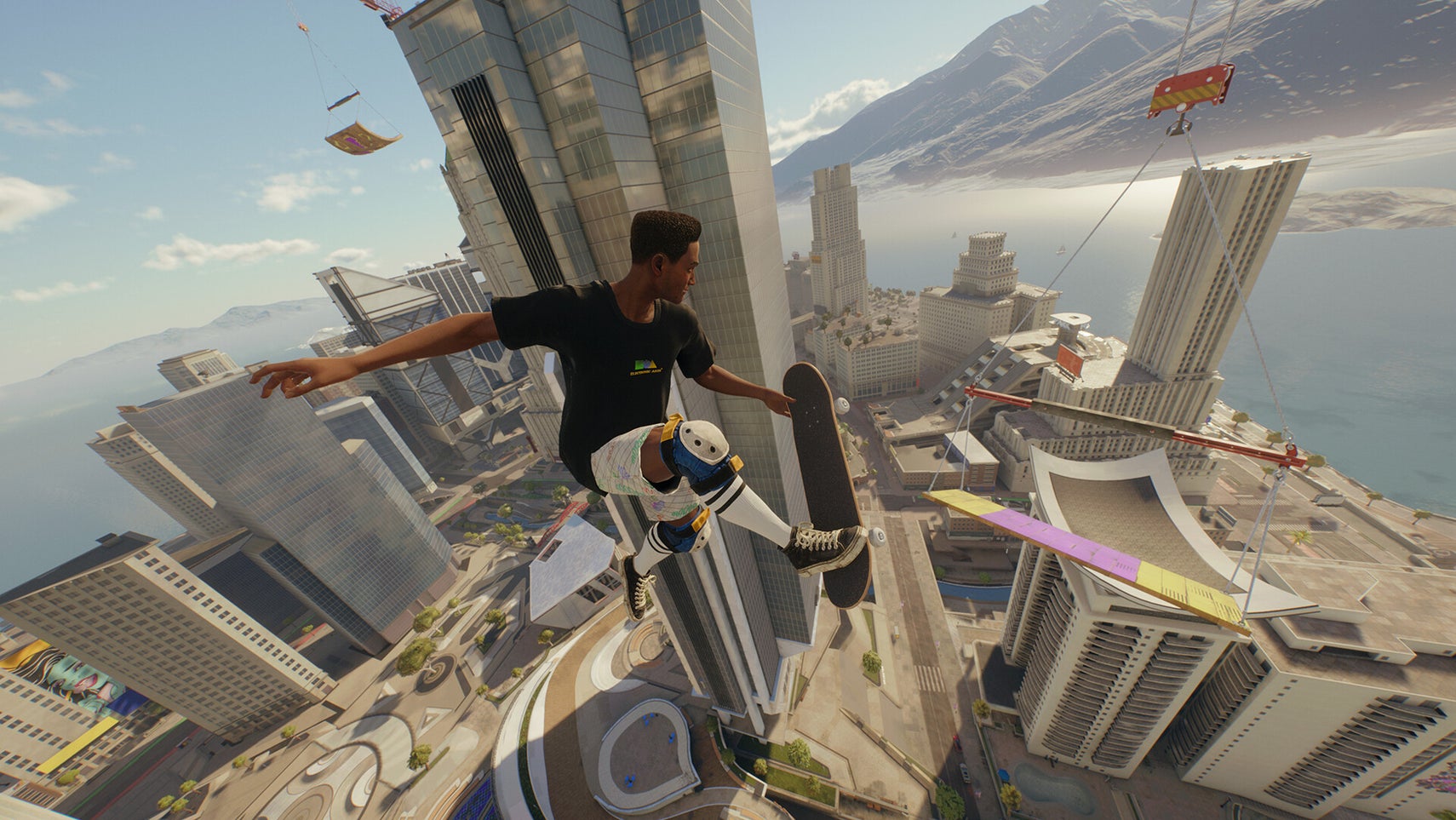
"Like many of you, we’ve been following the launch of numerous mods for our game," the studio stated in a Reddit update. "Skateboarding in general is built on community and creative expression, and we support that. We love seeing your passion for pushing the limits of San Vansterdam in different ways."
However, the developer was quick to pivot to the constraints of their business model. The statement clarified that while creative mods are permitted, the studio would not tolerate tools that interfere with the integrity of their live-service offerings. Specifically, they prohibited any software designed to unlock paid cosmetics or provide unauthorized access to gated, unreleased content. From the perspective of Full Circle, these actions do not merely represent a breach of terms of service; they are viewed as a direct financial loss that threatens the sustainability of the development team. The studio emphasized that their development staff, alongside the artists and skate brands integrated into the game, depend on these revenue streams to continue supporting the project’s future.
Contextualizing the Financial Climate
To understand the sensitivity of this issue, one must examine the recent history of Full Circle and the broader financial environment surrounding the title. Earlier in 2025, the studio underwent a series of layoffs, a move that prompted significant concern among the player base regarding the long-term viability of the project. These workforce reductions often serve as a catalyst for increased pressure on development teams to maximize the profitability of their existing products.
Furthermore, the game’s transition to a live-service format has been met with a lukewarm reception on digital storefronts. On Steam, the title currently holds a "Mixed" rating, with a high volume of user reviews criticizing the prevalence of microtransactions. Critics argue that the game relies too heavily on a "pay-to-win" or "pay-to-look-good" structure, which many long-time fans feel is antithetical to the spirit of the original trilogy. By restricting mods that allow for the free acquisition of premium items, EA is attempting to protect a revenue model that, while unpopular with the vocal minority, is central to the project’s fiscal feasibility.
The Modder’s Perspective: A Balancing Act
Interestingly, the developers behind ReSkate have maintained a moderate tone, attempting to distance themselves from malicious piracy. In interviews with industry outlets such as PC Gamer, the creators of the modding platform claimed that their intention was never to cannibalize the official game’s revenue. They explicitly stated that they recognize the need for the developers to generate income to sustain future updates.
Furthermore, the creators of ReSkate implemented internal policies to block any modifications that would allow users to access premium, paid cosmetics for free. This self-regulation suggests that the modding community is aware of the "red line" that, if crossed, would almost certainly result in aggressive legal action from EA’s legal department. This dynamic creates a temporary, uneasy truce: the developers allow the existence of mods that enhance gameplay, while the modders refrain from undermining the monetization of the game’s economy.

Broader Implications for Live-Service Gaming
The situation with skate. serves as a microcosm of a larger, systemic issue in the gaming industry. As more titles shift toward persistent online environments, the ownership rights of the player are increasingly being redefined. In a traditional offline game, modding is often seen as a benefit that extends the product’s lifespan. In the era of live-service games, however, the line between "enhancing the game" and "violating the service agreement" is becoming increasingly blurred.
If developers continue to prioritize the protection of microtransactions over the freedom of player customization, they risk alienating the most dedicated segment of their audience—those who create content, build communities, and keep the game relevant through social media visibility. The promise from Full Circle to provide "deeper community creation tools" in the future is likely an attempt to co-opt this creative energy. By providing official, sanctioned tools, the studio hopes to steer player behavior toward platforms that they can monitor and control, effectively sidelining unauthorized third-party tools like ReSkate.
Future Outlook: Collaboration vs. Control
Looking forward, the success of the skate. franchise will likely depend on whether Full Circle can deliver on its promise of community-centric features. If the official tools are too restrictive or fail to provide the same level of freedom as the unauthorized mods, the cat-and-mouse game between the studio and the modding community is likely to continue.
The studio’s current strategy is one of "soft enforcement." By publicly stating their guidelines, they have placed the responsibility on the modding community to police themselves. This approach avoids the PR nightmare of a full-scale legal crackdown while clearly signaling that the company is prepared to act if the integrity of their revenue stream is threatened.
As the industry continues to evolve, the case of skate. will undoubtedly be cited as a critical example of the friction inherent in the live-service model. For now, players in San Vansterdam can continue to enjoy the fruits of community ingenuity, provided those fruits do not include a free set of premium digital sneakers. Whether this delicate balance can be maintained as the game moves toward its full, post-early-access launch remains to be seen, but the event has already underscored the reality that in the modern gaming economy, even a digital skatepark is subject to the cold, hard realities of the balance sheet.