The Franchise’s Enduring Legacy and Illumination’s Dominance
More than a decade after their initial introduction in Despicable Me (2010), the Minions have transcended their supporting character status to become a bona fide cultural phenomenon and arguably the most recognizable animated figures of their generation. Their distinctive gibberish language, mischievous antics, and unwavering loyalty have resonated with audiences worldwide, cementing their place in popular culture through merchandise, memes, and an impressive global box office performance.
Illumination, the animation studio behind the Despicable Me and Minions franchises, has carved out a formidable niche in the competitive animation landscape. Founded in 2007 by Chris Meledandri, the studio has consistently delivered commercially successful and critically acclaimed family-friendly films. Their strategy often involves visually appealing character designs, broad humor, and relatable themes, all produced with a keen eye on budget efficiency without compromising quality. The Despicable Me franchise alone has grossed over $4.6 billion globally across its six preceding films (Despicable Me, Despicable Me 2, Minions, Despicable Me 3, Minions: The Rise of Gru, and Despicable Me 4), establishing it as the highest-grossing animated franchise of all time. This financial success underscores the immense anticipation surrounding each new release, with Minions & Monsters poised to continue this trajectory.
A New Chapter: Hollywood, Monsters, and Mayhem
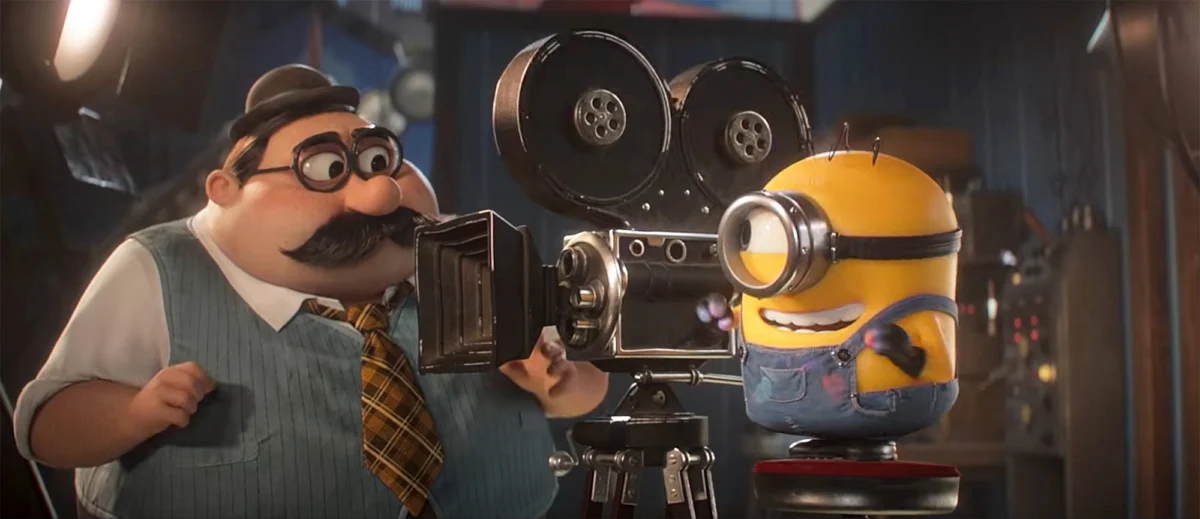
Minions & Monsters takes a significant narrative leap, venturing into the glitz and glamour of 1920s Hollywood. Co-creator and director Pierre Coffin, who also lends his voice to the Minions, steers the franchise into uncharted territory, blending its signature slapstick comedy with elements of monster cinema. The official synopsis describes the film as "the rambunctious, ridiculous, totally true story of how the Minions conquered Hollywood, became movie stars, lost everything, unleashed monsters onto the world and then banded together to try and save the planet from the mayhem they had just created."

The plot centers on three intrepid Minions who arrive in Hollywood with dreams of becoming filmmakers. Their cinematic ambitions take an unexpected turn when they stumble upon an ancient spellbook and inadvertently summon a variety of monstrous creatures. This premise offers a rich tapestry for comedic scenarios, pitting the Minions’ innocent chaos against the dramatic backdrop of early Hollywood and the terror of supernatural beings. The trailer notably features a "funny little green guy" and a new monster explicitly inspired by classic horror films like The Blob, signaling a playful homage to genre cinema. This genre-bending approach is a fresh direction for the franchise, indicating Illumination’s willingness to experiment with established formulas while retaining the core appeal of its characters.
The Creative Minds Behind the Mayhem
The directorial helm for Minions & Monsters is once again taken by Pierre Coffin, a pivotal figure in the Despicable Me universe since its inception. Coffin has directed or co-directed every film in the main series and spin-offs, including Despicable Me, Despicable Me 2, Minions, Despicable Me 3, and Minions & More 1 & 2. His consistent involvement ensures a cohesive creative vision and a deep understanding of the characters he helped bring to life. His unique vocalizations for the Minions are an integral part of their charm and communication, making his dual role as director and primary voice actor exceptionally fitting.
The screenplay for Minions & Monsters is credited to Brian Lynch and Pierre Coffin. Lynch has a strong track record with the franchise, having penned Minions (2015) and co-written The Secret Life of Pets (2016) for Illumination, demonstrating his aptitude for crafting compelling animated narratives. The film is produced by Chris Meledandri, founder and CEO of Illumination, and Bill Ryan, both long-standing architects of the franchise’s success. Their combined experience ensures that the film maintains the high production values and entertainment quotient expected from an Illumination release.
An All-Star Ensemble: The Voice Cast
Adding depth and comedic timing to the Minions’ latest adventure is an impressive ensemble of acclaimed voice talent. While Pierre Coffin provides the distinctive voices for the Minions themselves, the human characters and monstrous entities are brought to life by a star-studded cast:

- Allison Janney: A highly respected actress with an Academy Award to her name, known for her versatility across comedy and drama.
- Christoph Waltz: An Austrian-German actor celebrated for his captivating performances and two Academy Awards, often playing sophisticated villains or charming, complex characters.
- Jeff Bridges: An Academy Award-winning veteran actor, known for his laid-back demeanor and iconic roles across decades of cinema.
- Jesse Eisenberg: An Academy Award-nominated actor recognized for his quick wit and distinct comedic timing.
- Zoey Deutch: A rising star known for her roles in romantic comedies and dramas, bringing youthful energy to the cast.
- Trey Parker: Co-creator of South Park and a celebrated voice actor and comedian, known for his sharp satirical humor.
- Bobby Moynihan: A popular comedian and former Saturday Night Live cast member, frequently lending his voice to animated characters.
- Phil LaMarr: A prolific voice actor with an extensive resume across animation and video games, known for his diverse range.
The presence of such a high-caliber voice cast is a hallmark of Illumination’s productions, ensuring that even supporting roles are imbued with memorable performances, further enhancing the film’s appeal to both children and adults.
Chronology of a Billion-Dollar Franchise
The Despicable Me cinematic universe has expanded steadily since its debut, establishing a consistent timeline of releases that has captivated audiences globally:
- Despicable Me (2010): Introduced Gru, the Minions, and the three orphan girls, laying the foundation for the franchise. It grossed over $543 million worldwide.
- Despicable Me 2 (2013): Continued Gru’s transformation into a hero, earning over $970 million globally and securing two Academy Award nominations.
- Minions (2015): The first spin-off, delving into the Minions’ origins and their quest for a villainous master, crossing the billion-dollar mark with over $1.159 billion worldwide.
- Despicable Me 3 (2017): Brought back Gru’s twin brother Dru and continued the family’s adventures, earning over $1.034 billion globally.
- Minions: The Rise of Gru (2022): A prequel exploring Gru’s childhood and his first encounters with the Minions, another box office success with over $940 million worldwide despite being released during a challenging post-pandemic period.
- Despicable Me 4 (2024): The latest main installment, continuing Gru’s family life and villain-fighting escapades, which saw worldwide blockbuster success, further cementing the franchise’s enduring popularity.
- Minions & Monsters (2026): The upcoming third Minions spin-off, promising a fresh narrative direction in 1920s Hollywood.
This consistent release schedule and commercial success underscore the strategic planning by Illumination and Universal Pictures to maintain the franchise’s relevance and appeal to its vast global fanbase.
Broader Implications and Industry Context
The release of Minions & Monsters in July 2026 positions it as a tentpole summer movie season event, a slot traditionally reserved for major studio releases with high commercial expectations. The film’s unique premise – a historical Hollywood setting combined with monster movie tropes – suggests a creative evolution for the Minions. This blend could attract a broader audience, including those interested in film history or classic horror, while still delivering the familiar comedic elements that define the Minions.

For Illumination, Minions & Monsters represents an opportunity to demonstrate continued innovation within its most successful IP. The studio has a track record of maximizing its franchises, but also of exploring new storytelling avenues, as seen with films like The Secret Life of Pets and Sing. By taking the Minions into a specific historical period and genre, Illumination might be signaling a future direction for its animated features, embracing more diverse narrative frameworks.
The animated film industry remains highly competitive, with studios like Disney, Pixar, DreamWorks, and Sony Animation constantly vying for market share. Illumination’s consistent delivery of high-grossing films, often with more modest budgets than some of its competitors, highlights its efficiency and understanding of the global family entertainment market. Minions & Monsters is expected to be a significant contributor to Universal Pictures’ 2026 slate, reinforcing the studio’s strong position in animation.
The "Hollywood has a monster problem" tagline, coupled with the glimpse of a Blob-inspired creature, indicates a playful satire of the film industry itself, a common theme in comedies set in Hollywood. This meta-narrative layer could resonate with adult audiences, offering an additional dimension beyond the visual gags and physical comedy aimed at younger viewers.
Ultimately, Minions & Monsters is more than just another sequel; it’s a testament to the enduring power of well-crafted animated characters and a studio’s commitment to refreshing its most valuable assets. With its intriguing premise, stellar voice cast, and the proven track record of its creative team, the film is poised to be a major cinematic event of summer 2026, further cementing the Minions’ status as global animated icons.