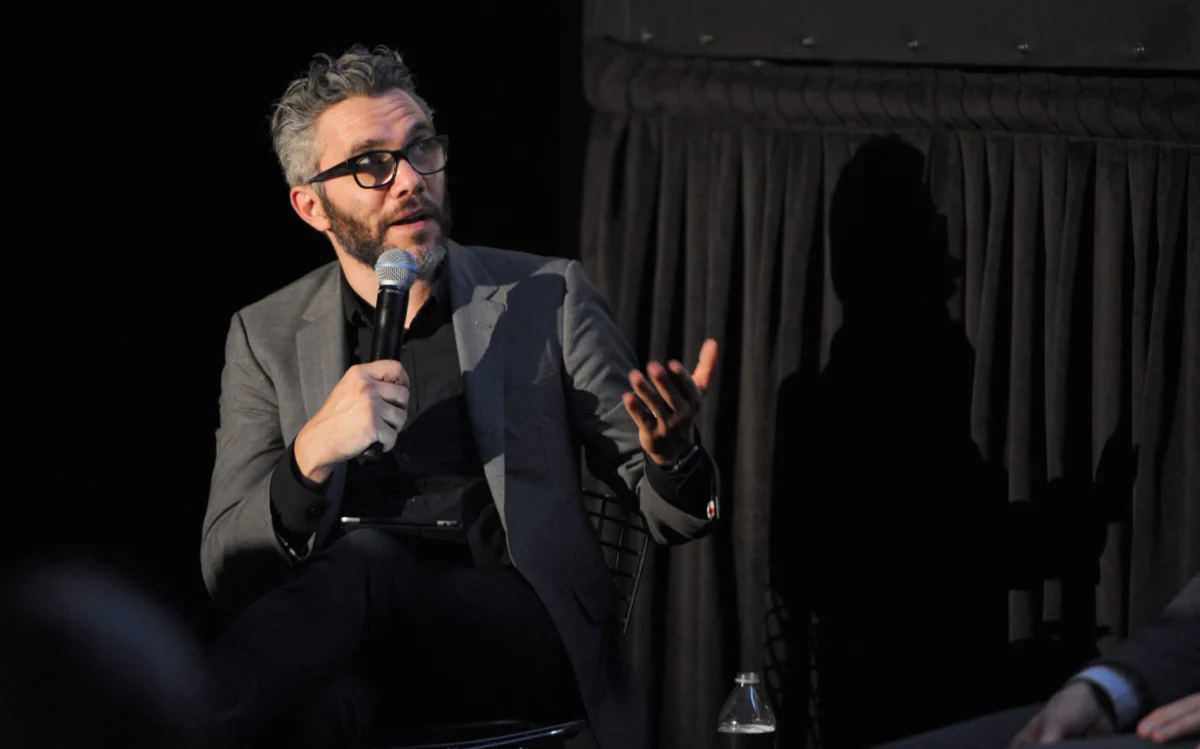
In a move that signals a profound shift for the most storied franchise in American broadcast journalism, CBS News has appointed Nick Bilton as the new executive producer of 60 Minutes. Bilton, a veteran technology journalist and documentary filmmaker, succeeds Tanya Simon, a 30-year veteran of the program who had led the broadcast through a period of sustained ratings dominance. The appointment represents a historic departure from the traditional internal promotion track at CBS News, as Bilton arrives with extensive experience in digital media and long-form documentary storytelling but no prior history of managing a network news program. This leadership change occurs at a pivotal juncture for Paramount Skydance, the parent company of CBS, as it navigates a complex landscape of corporate mergers, political scrutiny, and the accelerating disruption of the legacy television industry.
A Strategic Pivot in Leadership
The selection of Nick Bilton is widely viewed as a centerpiece of the broader editorial vision being implemented by Bari Weiss, the recently appointed editor-in-chief of CBS News. Bilton and Weiss have an established professional history, having collaborated on high-profile documentary projects including "Unknown: Killer Robots" and "Biggest Heist Ever." Bilton’s background as a former technology columnist for The New York Times and a contributor to Vanity Fair aligns with a strategic desire to modernize the 60 Minutes brand for a digital-first audience.
Bilton replaces Tanya Simon, whose departure marks the end of an era. Simon was deeply integrated into the culture of 60 Minutes, a program known for its rigid adherence to established investigative standards and a "church and state" separation between its editorial staff and corporate management. By contrast, Bilton is an outsider to the CBS News ecosystem. In a phone interview following the announcement, Bilton acknowledged the magnitude of the role, stating his commitment to proving his journalistic integrity through the program’s output. "I will prove it with the work," Bilton said. "I’m dedicated to holding people in power to account."
The Political and Legal Context of the Transition
The leadership change comes as CBS News attempts to stabilize following a period of internal and external turbulence. In late 2024, then-presidential candidate Donald Trump filed a high-profile lawsuit against 60 Minutes, alleging that the program had utilized "deceptive editing" in an interview with Vice President Kamala Harris. The litigation centered on the presentation of Harris’s responses to questions regarding the conflict in the Middle East.
In a move that reportedly stunned the CBS newsroom, Paramount Skydance opted to settle the lawsuit for $16 million. The decision to settle, rather than fight the case in court, drew sharp criticism from veteran correspondents. Scott Pelley, a mainstay of the program, was among those who expressed significant concern over the settlement, viewing it as a concession that could undermine the program’s reputation for editorial independence.
The settlement occurred against the backdrop of a massive corporate realignment. Following the merger of Skydance and Paramount last year, David Ellison assumed the role of Chief Executive Officer of the combined entity. Ellison is currently pursuing a further merger with Warner Bros. Discovery, a deal that would require regulatory approval from the federal government. This corporate objective has led some internal critics to speculate that the settlement and the subsequent leadership changes are motivated by a desire to avoid friction with the incoming Trump administration. Bilton, however, has pushed back against the notion that his appointment is a political maneuver, emphasizing his focus on investigative rigor.
Declining Tenures and Talent Exodus
The arrival of Bilton coincides with a period of significant talent turnover at CBS. Earlier this month, Anderson Cooper, a frequent contributor to 60 Minutes for nearly two decades, announced his departure from the program. Cooper’s exit followed the departure of other key editorial figures, creating a vacuum in the show’s veteran reporting ranks.
The reshuffling is not limited to the news division. Earlier this month, CBS aired the final episode of "The Late Show With Stephen Colbert" after 11 seasons. The network’s decision not to renew the contract for its top-rated late-night program was seen as part of a broader cost-cutting and programming reassessment strategy under the new Skydance leadership. For 60 Minutes, which has been the number-one rated news broadcast for 52 consecutive years, the challenge will be maintaining its cultural authority while undergoing a radical transformation of its internal leadership structure.
Chronology of Recent Events at CBS and Paramount
The transition at 60 Minutes is the culmination of a series of rapid developments over the past 24 months:
- Mid-2023: Paramount Global begins formal merger talks with Skydance Media, led by David Ellison.
- October 2024: 60 Minutes airs an interview with Kamala Harris, leading to allegations of selective editing from the Trump campaign.
- Late 2024: Paramount Skydance merger is finalized; Bari Weiss is appointed Editor-in-Chief of CBS News.
- January 2025: Donald Trump files a lawsuit against CBS over the 60 Minutes interview.
- April 2025: Paramount Skydance settles the Trump lawsuit for $16 million, sparking internal dissent.
- May 2025: Anderson Cooper announces his departure from 60 Minutes; Stephen Colbert’s "Late Show" is discontinued.
- June 2025: Nick Bilton is officially named Executive Producer of 60 Minutes, replacing Tanya Simon.
The "Nokia Moment": Modernizing a Legacy Giant
Despite the internal friction, 60 Minutes remains a financial and ratings powerhouse. According to Nielsen data, the program’s ratings were up 9% over the previous year, an anomaly in an era where linear television viewership is generally in decline. Bilton noted that Bari Weiss chose to bring him in while the show was still at its peak to prevent a slow decline into obsolescence.
Bilton has frequently cited the "Nokia Moment" as a metaphor for the current state of broadcast television. He pointed out that Nokia had its best year of sales in 2008, just one year after the launch of the iPhone, before its market share collapsed due to a failure to adapt to new technology. Similarly, he noted that The New York Times saw record print sales in 1999, right as the internet began to dismantle the traditional newspaper business model.
"It’s still the No. 1 news broadcast in America. But history tells you disruption doesn’t happen immediately when new technology comes along—it’s usually a few years later," Bilton said. "We’re on the precipice of this happening to broadcast TV."
While Bilton has declined to provide specific details regarding his planned "disruption" of the 60 Minutes format, he has indicated that it will not be a "complete overhaul." Instead, the focus is expected to be on expanding the program’s reach into streaming platforms and social media, while experimenting with different narrative structures that appeal to younger demographics who do not traditionally tune in to Sunday evening broadcasts.
Broader Implications for the Media Industry
The appointment of Nick Bilton is indicative of a broader trend in the media industry where legacy news organizations are increasingly looking to tech-adjacent figures and "new media" entrepreneurs to steer traditional outlets. The influence of Bari Weiss, who built a successful independent media brand after leaving The New York Times, suggests a move toward a more "heterodox" editorial approach that may diverge from the standard liberal-leaning consensus often associated with legacy network news.
The industry will be closely watching how Bilton manages the "60 Minutes" staff, many of whom have spent decades at the network. Winning over the internal "old guard" will be essential for Bilton to maintain the quality of the show’s investigative journalism while implementing his modernization strategy.
Furthermore, the corporate pressure on CBS News remains high. As David Ellison seeks to merge Paramount with Warner Bros. Discovery, the performance and perceived objectivity of CBS News will be under intense scrutiny. If the network is seen as making editorial concessions to facilitate regulatory approval, it could face a crisis of credibility. Conversely, if Bilton can successfully transition 60 Minutes into a digital-age powerhouse while maintaining its investigative teeth, it could provide a blueprint for the survival of other legacy news programs.
Conclusion and Future Outlook
Nick Bilton is expected to present his formal plan for the future of 60 Minutes to the newsroom staff in the coming weeks. His primary challenge will be balancing the need for technological and narrative innovation with the preservation of the program’s "gold standard" reputation. As 60 Minutes enters its 53rd year as the nation’s premier news magazine, the eyes of the media world are on Milk Studios and the CBS Broadcast Center to see if a tech columnist can successfully lead a television institution into a new and uncertain era.
The success of this transition will likely determine not only the future of 60 Minutes but also the viability of the "prestige news" model in a landscape dominated by algorithmic feeds and fragmented audiences. For now, the "Nokia Moment" serves as both a warning and a motivation for the new leadership at CBS News.