

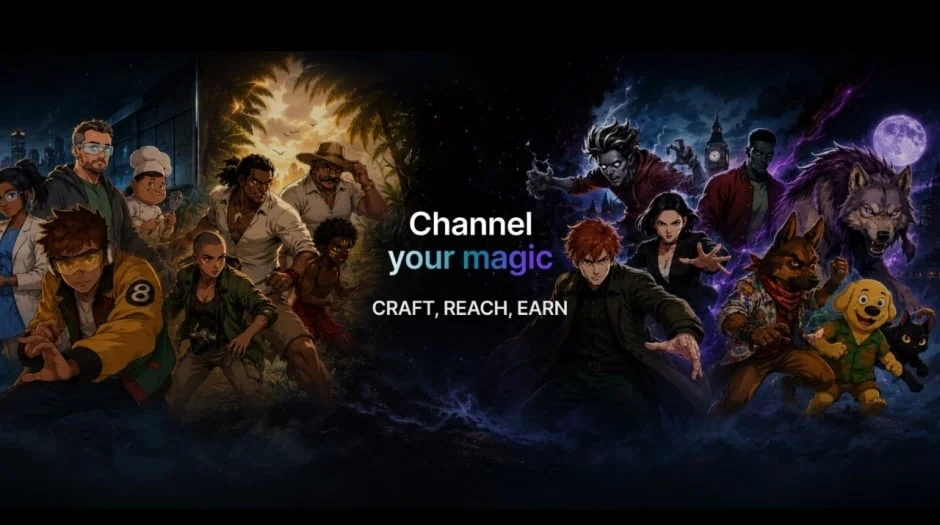
The landscape of independent animation is undergoing a profound structural transformation, driven by the rapid convergence of generative artificial intelligence, creator-economy monetization models, and shifting consumer distribution habits. Against this backdrop of technological and industrial evolution, veteran product leader Masoud Loghmani—recognized for his instrumental work building and scaling creator monetization products at digital media giants YouTube and TikTok—has officially announced the launch of Studio Jadu. Headquartered in San Mateo, California, the newly minted animation studio enters the market with institutional backing from prominent venture capital firms Khosla Ventures and Shakti VC. Studio Jadu arrives with a distinct proposition: to bridge the vast gap between independent storytelling and high-end animated production by equipping solo artists and small creative teams with proprietary AI tools, robust distribution networks, and equitable revenue-sharing structures.
At the core of Studio Jadu’s technological infrastructure is AIDA, an acronym for AI Director’s Assistant. Unlike fully automated prompt-to-video systems that generate entire sequences from scratch with minimal human oversight—often drawing criticism from traditional animation guilds and artists for stripping away the nuanced human touch—AIDA is engineered to act as a collaborative partner. The system is designed to translate an independent creator’s pre-written script into fully realized animation while ensuring that all critical creative decisions remain firmly in the hands of the artist. By functioning as what the studio describes as a sophisticated "creative soundboard," AIDA aims to alleviate the prohibitive labor costs and extended production timelines that have historically barred independent creators from bringing complex animated visions to the screen.
The Birth of Studio Jadu and the Vision Behind AIDA
The genesis of Studio Jadu is deeply rooted in the broader maturation of the creator economy. Over the past decade, platforms like YouTube, TikTok, and Twitch have successfully enabled millions of independent writers, gamers, and educators to build sustainable careers through ad revenue sharing, brand partnerships, and direct fan funding. However, the animation sector has famously lagged behind this democratization wave. Traditional 2D and 3D animated series typically require millions of dollars per episode, large armies of specialized animators, layout artists, riggers, and compositors, and multi-year production cycles managed by major studios and legacy networks.
Masoud Loghmani recognized these systemic bottlenecks during his tenure overseeing creator monetization products at YouTube and TikTok. Observing firsthand how digital creators struggled to scale their intellectual property beyond short-form videos or static webcomics, Loghmani envisioned a production ecosystem that could bypass traditional gatekeepers. By combining Silicon Valley venture capital with cutting-edge machine learning pipelines, Studio Jadu was established to democratize high-production-value animation.
Rather than replacing the animator or writer, AIDA acts as a force multiplier. Independent creators often possess compelling scripts, rich world-building ideas, and dedicated fan bases, but lack the technical pipelines required to produce broadcast-quality animation. AIDA bridges this divide by automating the most time-consuming mechanical tasks of production—such as rough layout generation, basic in-betweening, and asset placement—while leaving the storytelling, character direction, and stylistic choices to the human creator. This workflow ensures that the final product remains a genuine labor of love rather than a sterile, algorithmically generated output.
Early Slate and Proven Audience Traction

Studio Jadu is not entering the market as a purely theoretical enterprise; the company launches with an established slate of original programming and a pre-existing digital footprint. Prior to its formal public unveiling, the studio cultivated an active audience of more than 2.5 million subscribers on its dedicated YouTube channel, demonstrating significant consumer demand for its unique brand of independent, digitally native animation.
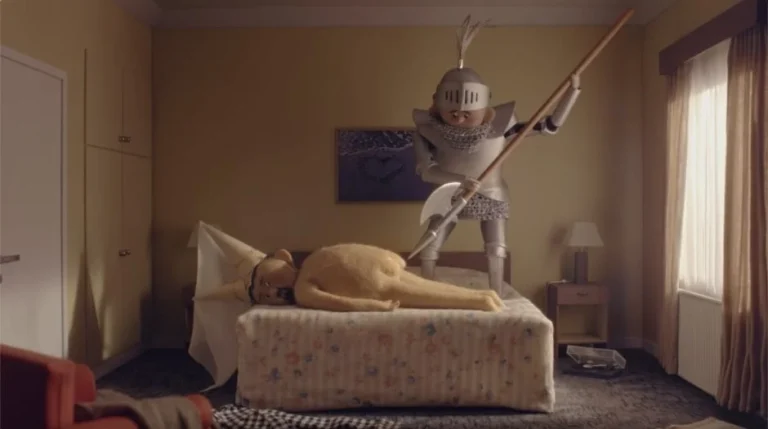
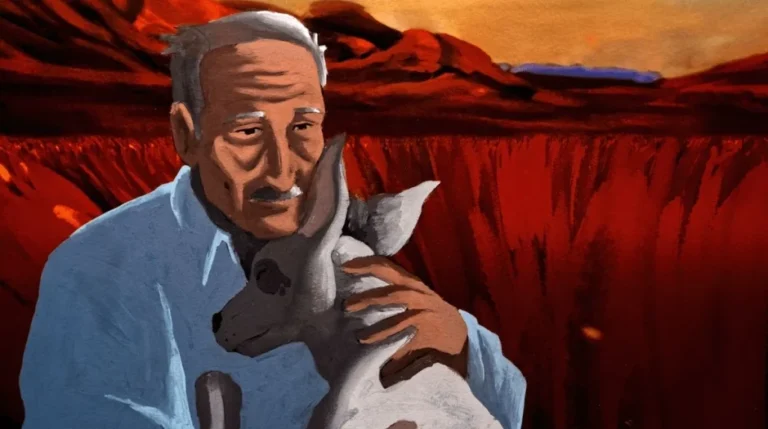
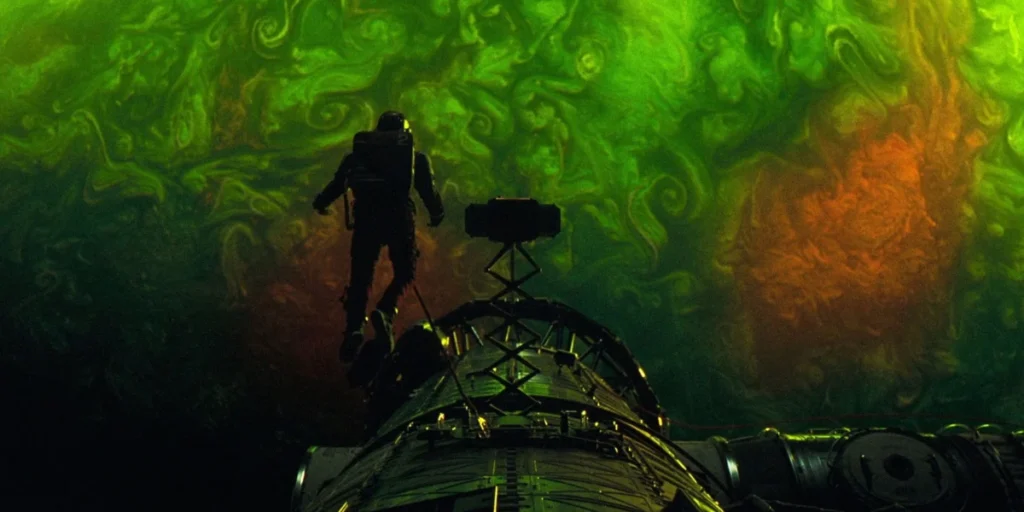
Among the studio’s flagship early titles is The Future Was Awesome, a comedy series spearheaded by four-time Emmy Award winner Fred Graver. Graver’s involvement lends immediate industry credibility to Studio Jadu’s model, signaling that seasoned television veterans are increasingly willing to explore alternative production pipelines outside of traditional studio systems. In addition to Graver’s comedy, Studio Jadu’s initial slate features Sentinels, a high-stakes narrative thriller, and SDF, a supernatural mystery series designed to engage serialized digital audiences.
These early projects serve as proof-of-concept for the studio’s operational model. By diversifying genres across comedy, thriller, and supernatural mystery, Studio Jadu aims to demonstrate that AIDA is adaptable to various artistic styles, tones, and narrative structures. Furthermore, the studio provides comprehensive end-to-end support that extends far beyond technical production. Recognizing that creation is only half the battle in the modern digital economy, Studio Jadu actively assists its creators with multi-platform distribution, targeted marketing campaigns, organic fandom development, and sophisticated monetization strategies.
An Equitable Revenue-Sharing Paradigm
A central pillar of Studio Jadu’s corporate philosophy is its commitment to an equitable revenue-share model. Historically, traditional media companies and legacy animation studios have required independent creators to sign away their intellectual property rights in exchange for production funding and distribution. Under this outdated model, creators often receive minimal upfront compensation and little to no residual earnings if their shows become breakout hits.
Studio Jadu seeks to disrupt this extractive dynamic by allowing creators to retain ownership and creative control of their intellectual property while participating directly in the financial upside generated by their work. This creator-first approach aligns closely with the modern expectations of digital artists who have grown accustomed to direct monetization on platforms like Substack, Patreon, and YouTube. By ensuring that creators share equitably in the revenues generated through advertising, streaming, merchandising, and licensing, Studio Jadu incentivizes long-term artistic commitment and high-quality output.
"At Studio Jadu, we’re backing creators with the tools they need to bring their stories to life while retaining artistic control, reaching audiences, building fandoms, and earning the reward of their creativity through an equitable revenue share model," stated Masoud Loghmani, founder and chief executive officer of the company. This philosophy forms the bedrock of the studio’s ongoing expansion efforts.
The Pioneer Program: Opening Doors for Next-Generation Animators

To accelerate the growth of its platform and discover fresh creative talent, Studio Jadu has officially opened applications for its inaugural Pioneer Program. The initiative is specifically designed to identify, vet, and support independent creators who are eager to embrace new production technologies while maintaining rigorous creative oversight of their projects.
While the program is open to a diverse array of narrative styles and genres, Studio Jadu has signaled a particular institutional interest in anime-inspired projects—a medium that commands a massive, highly engaged global fanbase but frequently suffers from chronic overwork and underfunding within traditional studio systems. Selected applicants for the Pioneer Program will gain direct access to the AIDA production suite, alongside dedicated institutional support spanning marketing strategy, digital distribution pipelines, and monetization architecture.
Industry analysts note that programs like Studio Jadu’s Pioneer Program represent a crucial testing ground for the integration of generative AI into professional creative workflows. By partnering directly with working artists rather than imposing top-down corporate software, the studio hopes to foster a collaborative culture that respects the integrity of artistic expression while harnessing the undeniable efficiency gains of modern artificial intelligence. Creators interested in applying for the Pioneer Program can find detailed submission guidelines and application criteria directly on the Studio Jadu creators portal.
Broader Industry Implications and Future Outlook
The launch of Studio Jadu arrives at a critical inflection point for the global entertainment and technology sectors. Over the past twenty-four months, the rapid advancement of generative AI has sparked intense debate across Hollywood and the broader creative arts community. While major legacy studios have largely approached generative AI with caution—often constrained by labor union negotiations, intellectual property concerns, and fears of consumer backlash—agile startups are moving rapidly to build alternative production ecosystems.
By positioning AIDA as a "creative soundboard" rather than an autonomous content generator, Studio Jadu attempts to navigate the treacherous ethical landscape of AI in art. The company’s emphasis on creator ownership, human-led direction, and equitable financial compensation addresses many of the core grievances raised by writers and animators during recent industry labor disputes. If Studio Jadu can successfully prove that AI-assisted workflows can empower independent creators to produce broadcast-quality animation efficiently, the studio’s model could serve as a blueprint for the future of digital media production.
Furthermore, the backing of premier venture capital firms such as Khosla Ventures and Shakti VC underscores a growing institutional bet on the decentralization of entertainment. As traditional cable television viewership continues to decline and streaming services consolidate their content spending, the onus of innovation has increasingly shifted toward digitally native platforms capable of cultivating hyper-targeted global fandoms at a fraction of traditional budgets.
As Studio Jadu rolls out its initial slate of series—including Fred Graver’s The Future Was Awesome—and onboard the first cohort of creators through its Pioneer Program, the broader animation industry will be watching closely. Whether this hybrid model of human artistry and AI-driven efficiency can successfully scale into a dominant force in modern entertainment remains to be seen. However, by placing tools directly into the hands of independent creators and reshaping the economics of intellectual property ownership, Studio Jadu has firmly established itself as a venture to watch in the evolving landscape of digital storytelling.