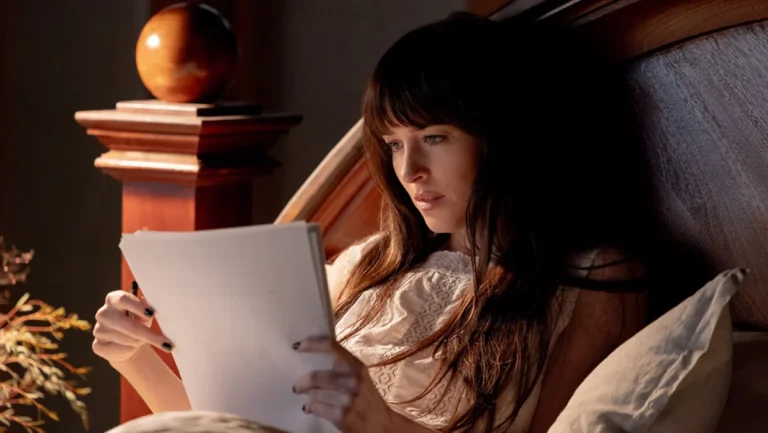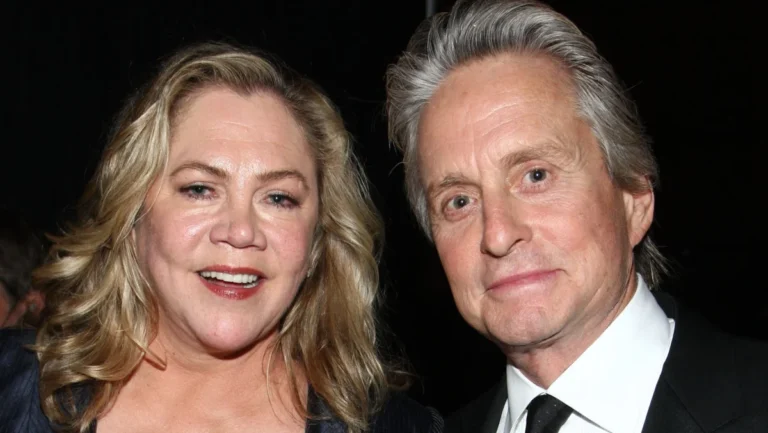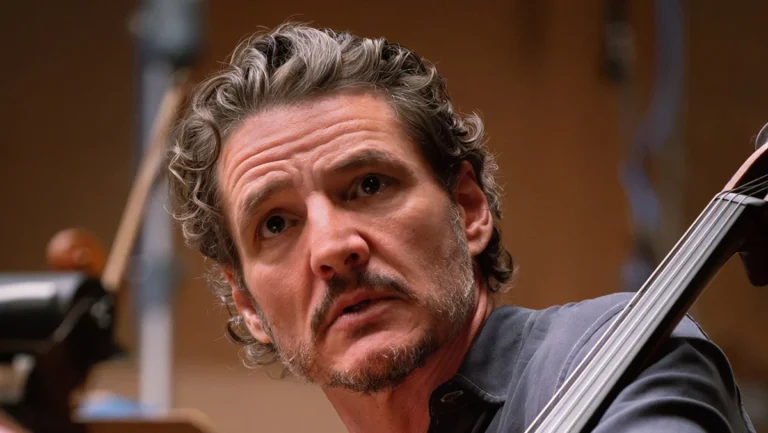

When showrunner and writer Zoe Kazan embarked on the daunting task of adapting John Steinbeck’s seminal 1952 novel East of Eden into a seven-part limited series for Netflix, the creative process began not with a casting call, but with a singular vision. Kazan’s blueprint for the series hinged entirely on the portrayal of Cathy Ames, a character frequently cited as one of literature’s most complex and chilling antagonists. For Kazan, there was no alternative; Florence Pugh was the only performer capable of navigating the icy, doll-like exterior and the deeply internal, steely malice required to bring Ames to life.
The project, which arrived on Netflix following years of development, represents a significant evolution in both the careers of its primary architects and the landscape of prestige television. By positioning the narrative through the lens of Cathy Ames, the series shifts the focus from the traditional Trask-centric perspective of the source material to a nuanced, character-driven study of agency and survival.
A Creative Partnership Forged in Development
The collaboration between Kazan and Pugh began in 2020, long before the cameras started rolling. This extended gestation period allowed for a symbiotic creative process that went beyond traditional acting duties. Pugh’s involvement as an executive producer granted her a seat at the table during the show’s formative stages, a responsibility that she has cited as a turning point in her professional trajectory.
Kazan’s conviction that Pugh was the only choice for the role was rooted in her observation of the actress’s range, specifically referencing Pugh’s breakout performance in Ari Aster’s 2019 horror film Midsommar. While the genres differ significantly, Kazan identified a specific "magic trick" in Pugh’s ability to anchor surreal or high-stakes environments with grounded, raw human emotion. According to Kazan, the performance in Midsommar signaled the arrival of a generational talent capable of embodying the "masculinity of soul"—in a Jungian sense—that defines Cathy Ames’s relentless drive and unyielding agency.
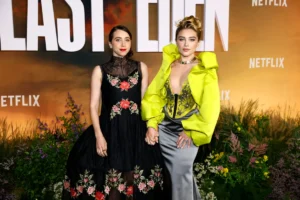
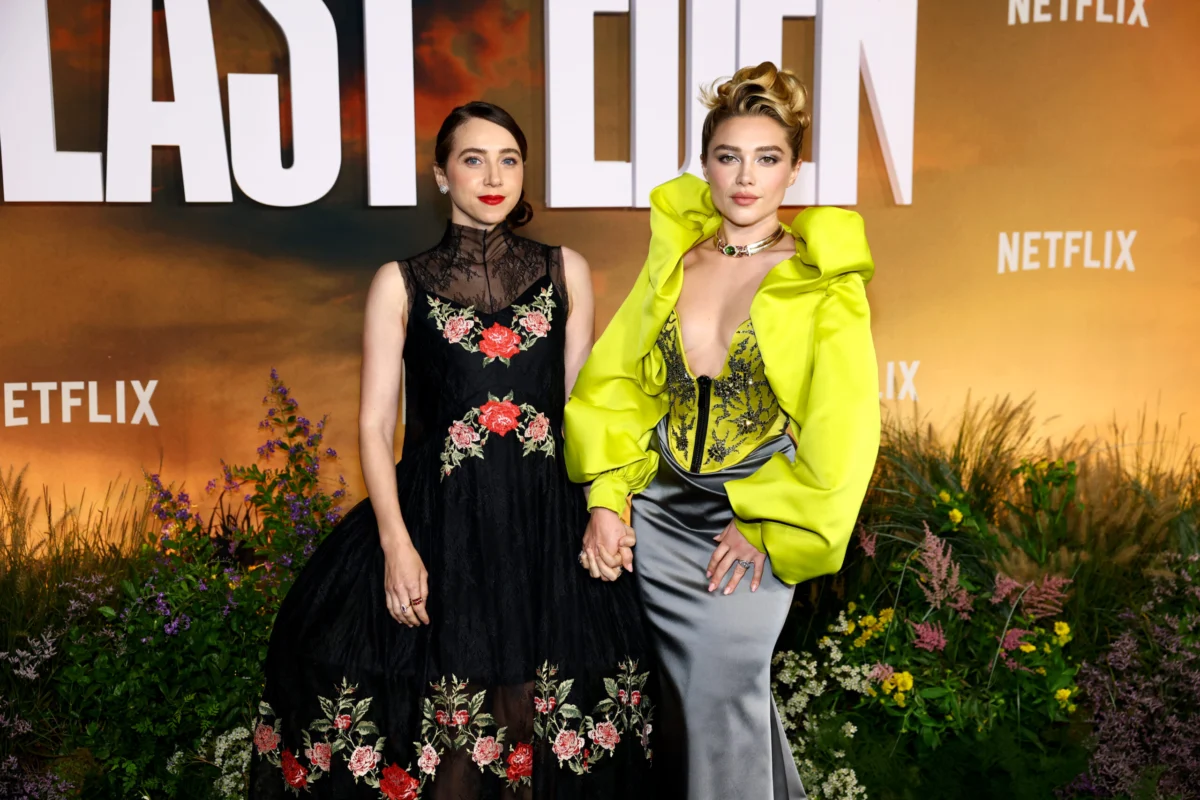
For Pugh, the invitation to join the project as both a lead actress and a producer provided a sense of validation. During the New York premiere of the series, she expressed profound gratitude for the trust placed in her by the production team. She noted that the experience allowed her to lead in a capacity she had not previously explored, fostering a level of confidence that has redefined her approach to future projects.
Chronology of an Ambitious Adaptation
The journey of this Netflix adaptation spans several years, marked by rigorous script development and strategic casting.
- 2020: Zoe Kazan initiates the development of the series, securing the rights and identifying Florence Pugh as the centerpiece of the production.
- 2021-2022: The writing team works to refine the perspective of the series, focusing on the psychological depth of Cathy Ames rather than relying solely on the episodic nature of the original text.
- 2023: Production commences. The team prioritizes period-accurate production design to mirror the Salinas Valley setting of the 1900s.
- Late 2024: Post-production concludes, with Netflix scheduling the series for a high-profile release to coincide with the awards season.
- September 2026: The series premieres in New York, followed by its global release on the streaming platform.
This timeline underscores the commitment to a measured, deliberate production schedule, which has become increasingly rare in the era of fast-tracked streaming content. The result is a series that exhibits high production values and a cohesive artistic vision.
Critical Reception and Performance Metrics
Upon its release, East of Eden was met with widespread critical acclaim, currently maintaining an 85 percent approval rating on Rotten Tomatoes. Industry analysts attribute this success largely to the performance of the lead cast and the structural integrity of the adaptation.

In his review for The Hollywood Reporter, chief TV critic Dan Fienberg noted that Pugh’s portrayal of Ames transcends the typical tropes of villainy. Fienberg highlighted the "unobscured honesty" of her performance, noting that Pugh successfully makes the character terrifying not through histrionics, but through a terrifyingly calm truthfulness. This sentiment is echoed across various publications, with Esquire labeling the work a "career best" for the actress, and USA Today emphasizing that the series is a "must-see" for viewers seeking high-caliber dramatic performances.
The commercial impact of the series is equally significant. As Netflix continues to compete for top-tier awards, the pedigree of East of Eden serves as a cornerstone of their 2026 slate. By backing a project that leans into literary adaptation with a focus on character psychology, the platform has successfully bridged the gap between popular streaming appeal and the critical prestige usually reserved for boutique cable networks.
Thematic Implications and Cultural Impact
The choice to center Cathy Ames is more than a stylistic decision; it is an interpretive lens through which to re-examine the themes of the original novel. Steinbeck’s work is frequently analyzed through the concepts of "timshel" (the Hebrew word meaning "thou mayest," suggesting the capacity for human choice over good or evil). By expanding the backstory and internal monologue of Ames, the series forces the audience to confront the limitations of agency in a patriarchal historical setting.
Sociological analysts suggest that such adaptations are reflective of a broader shift in modern television, where antagonists are being recontextualized as complex agents of their own narratives. The partnership between Kazan and Pugh highlights a move toward collaborative production models, where the input of the lead actor as a producer influences the final creative output. This shift minimizes the distance between the source text and the on-screen reality, resulting in a more authentic translation of the character’s motivations.
Furthermore, the "Pugh-ian" style of acting—characterized by a subtle, almost guarded performance that allows for moments of explosive revelation—has set a new standard for period dramas. The ability to age the character across several decades, as noted by critics, without losing the essence of the performance, demonstrates a technical mastery that has solidified Pugh’s standing as one of the most bankable and respected performers in the industry.
Looking Ahead: The Legacy of the Adaptation
The success of East of Eden serves as a case study for the potential of literary adaptations when they are granted the space for thoughtful, character-first development. The series has not only provided a platform for a career-defining performance by Florence Pugh but has also established Zoe Kazan as a formidable voice in the landscape of television showrunning.
As the industry continues to evaluate the effectiveness of streaming-exclusive limited series, the performance of this project will likely serve as a benchmark. By balancing the demands of a classic text with a contemporary desire for psychological complexity, the team behind East of Eden has created a work that is both an homage to Steinbeck and a distinct, modern entity.
The collaboration between these two artists—one as the writer and architect, the other as the living, breathing vessel for the narrative—highlights the importance of artistic synergy. As Pugh noted in her social media reflections on the project, the creation of this series was not merely a job but a transformative experience. With the critical reception firmly in its favor, the series stands as a testament to the power of deliberate, passionate, and collaborative storytelling in a medium often criticized for prioritizing speed over substance. Moving forward, the industry is likely to see an increase in similar creative pairings, where established writers and actors leverage their shared visions to redefine the limits of what television can achieve.