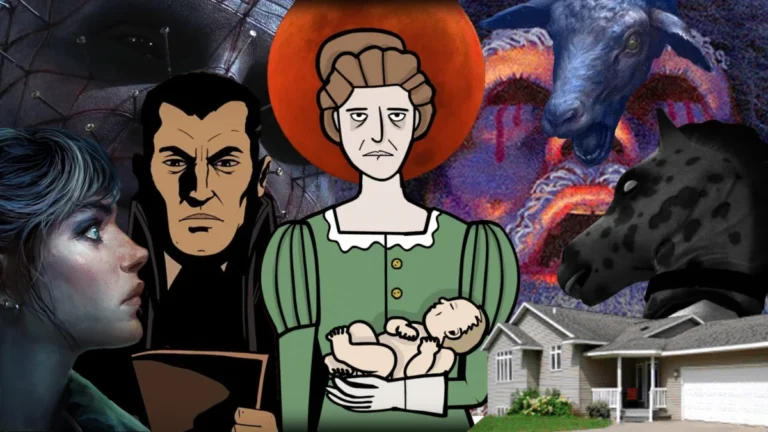


Forbidden Solitaire, a collaborative project between Night Signal Entertainment and Grey Alien Games, has officially entered the independent gaming market, offering a sophisticated blend of card-based strategy and "found media" psychological horror. The title functions as a meta-narrative experience, presenting itself as a haunted artifact from the mid-1990s multimedia era, specifically the short-lived boom of CD-ROM adventure games. Developed by the creators of the critically acclaimed Home Safety Hotline and the Dorset-based solitaire specialists at Grey Alien Games, the project represents a niche but growing genre that utilizes simulated operating systems to deliver immersive storytelling. The game challenges players to navigate a fictional 1995 title titled "Forbidden Solitaire," supposedly developed by the defunct "Heartblade Interactive," while uncovering a dark history of unexplained deaths and urban legends associated with the software.
The Dual-Layered Narrative Framework
The structural core of Forbidden Solitaire is built upon two distinct chronological layers. The primary interface is a simulated Windows-style desktop environment set in 2019. Players assume the role of Will, an individual who has recently acquired a vintage copy of the 1995 game from a local thrift store. This modern layer serves as the framing device, where the player interacts with a fictional version of an instant messaging client to communicate with Will’s sister, Emily. Through these exchanges, the narrative shifts from a casual exploration of childhood nostalgia to a grim investigation into the software’s origins.
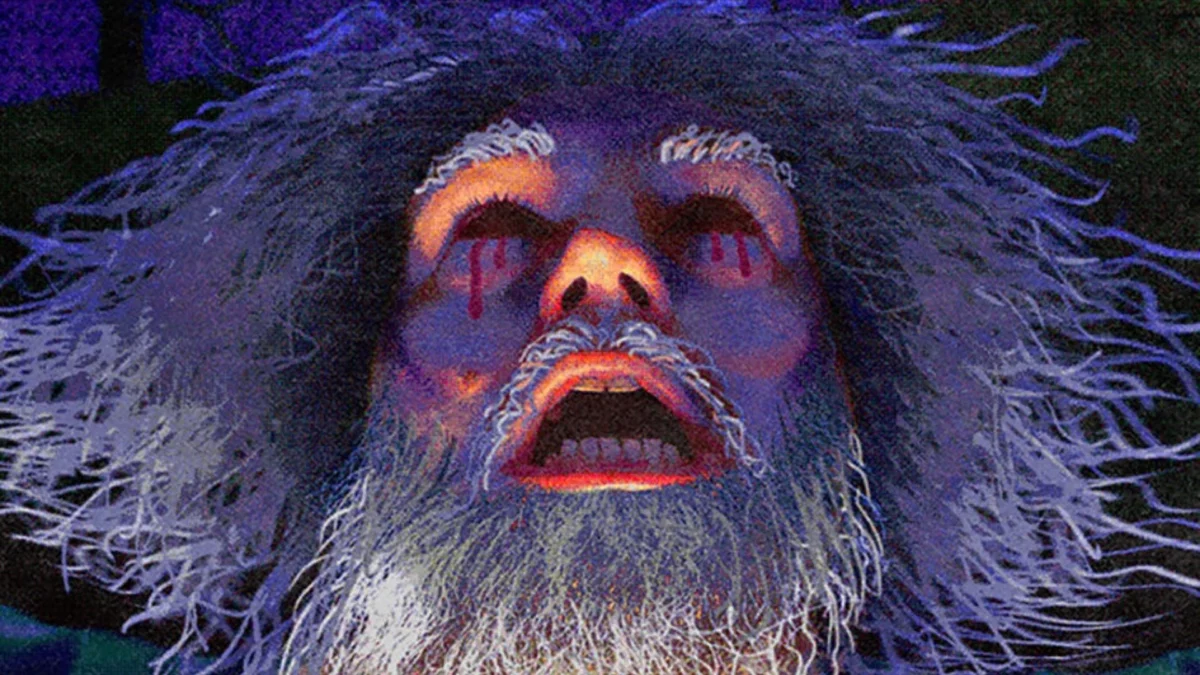
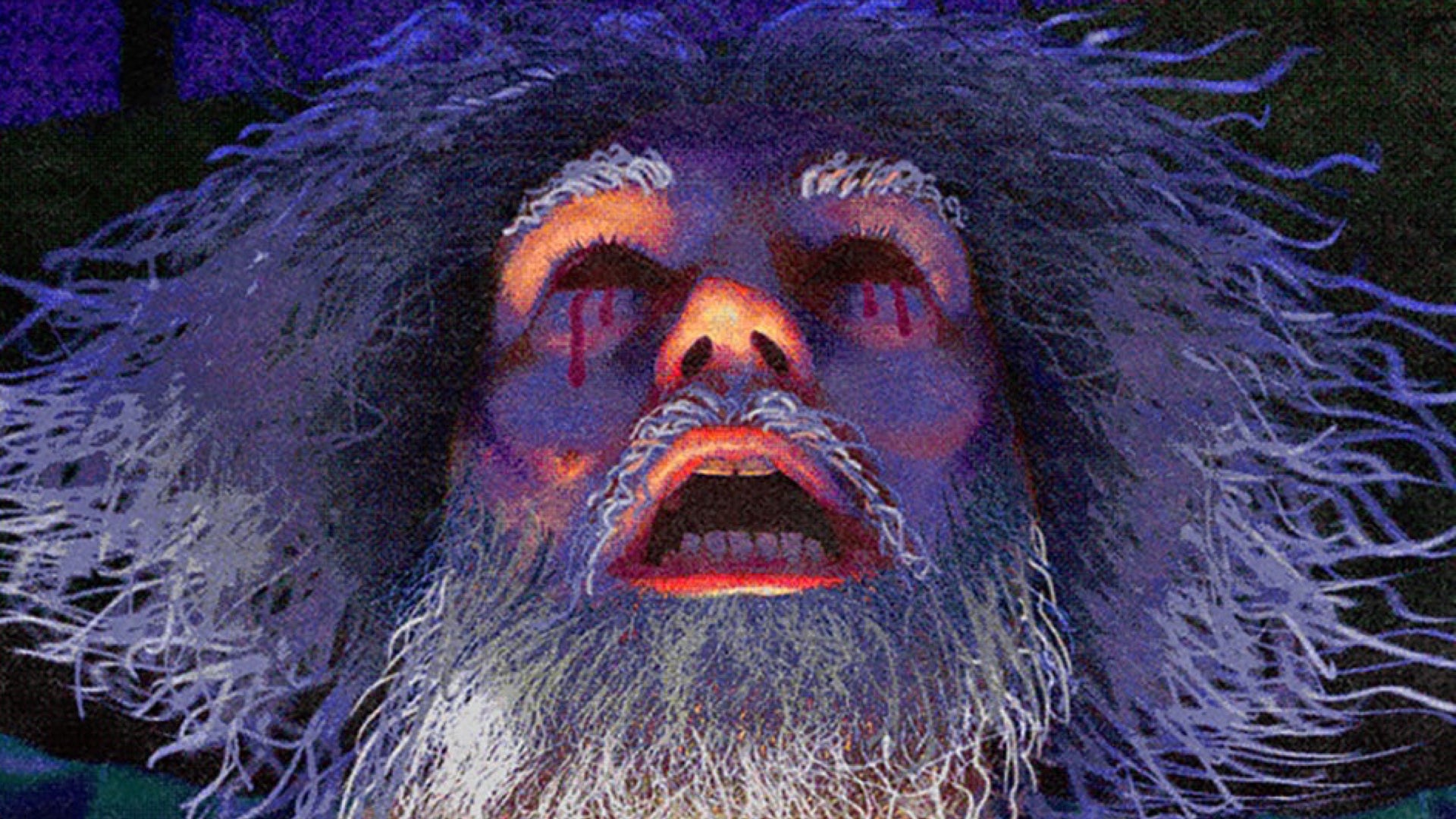
The second layer is the game-within-a-game: the 1995 CD-ROM titled Forbidden Solitaire. This segment is a meticulously crafted pastiche of early digital fantasy aesthetics, characterized by aggressive purple color palettes, low-resolution full-motion video (FMV), and pre-rendered polygonal environments. The fictional backstory of this internal game involves a quest through the Bloodrock Mountains to the Forbidden Dungeon in search of immortality. However, as the player progresses, the internal game’s stability begins to degrade, revealing disturbing imagery—such as the recurring motif of a wizard’s ocular trauma—and glitches that suggest the software possesses a malevolent sentience.
Evolution of Solitaire as a Combat Mechanic
While the horror elements provide the narrative drive, the gameplay is centered on a highly innovative reimagining of solitaire. Grey Alien Games, known for titles such as Regency Solitaire, brings technical depth to the project, ensuring that the card mechanics are robust enough to stand independently of the horror framing. The game utilizes a "foundation deck" system where cards must be cleared from a central tableau in ascending or descending numerical order.
To elevate the difficulty and integrate the fantasy theme, the developers introduced several "cursed" card variants and RPG-style mechanics:
- Maggot-Infested Cards: These deal direct damage to the player’s health pool if not cleared within a specific sequence.
- Bone-Locked Cards: These require the player to cycle through the sequence twice to remove them from the board.
- Chained Suit Cards: These remain immovable until a specific number of cards from a designated suit are played.
- Poison and Vine-Tangled Cards: These introduce status effects that limit the player’s tactical options or force specific move patterns.
The game further incorporates a progression system involving purchasable spells and upgrades. These are represented diegetically as gemstones embedded into the player character’s hand, allowing for the use of "Jokers" that can zap obstacles or manipulate card suits. Boss encounters and stealth-based challenges, where players must avoid a moving "sight cone" while clearing the board, add a layer of turn-based strategy rarely seen in traditional card games.
Chronology of the Heartblade Interactive Mythos
To bolster the "found media" authenticity, Night Signal Entertainment constructed an elaborate fictional timeline for the game’s developer, Heartblade Interactive. This timeline is revealed to the player through various "out-of-game" documents found on the 2019 desktop, including:
- 1993–1994: The initial development of Forbidden Solitaire, marketed as a breakthrough in multimedia storytelling.
- 1995: The retail release of the game, followed by localized reports of hardware malfunctions and psychological distress among players.
- 1996: A series of unexplained deaths linked to the game leads to its withdrawal from most major retailers and the eventual bankruptcy of Heartblade Interactive.
- 1997–2010: The game becomes a cult object on early internet forums, spawning urban legends similar to real-world myths like Polybius.
- 2019: The protagonist, Will, rediscoveries a physical copy, triggering the events of the modern-day narrative.
This fictional history is supported by high-quality assets, including faux police records, scans of 90s-era gaming magazines, and a pitch-perfect VHS recording of a "true crime" mystery show investigating the "Heartblade Curse."
Technical Execution and Aesthetic Authenticity
The developers have gone to great lengths to simulate the limitations of 1990s hardware. The game-within-a-game features intentional "stuttering" during FMV sequences, simulated CD-ROM drive whirring noises, and a DOS-box pop-up window that appears during the boot-up sequence. The art style balances the "lo-fi" charm of the 16-bit era with the "uncanny valley" discomfort of early 3D rendering.

According to industry analysts, this commitment to aesthetic accuracy is a hallmark of the "Analogue Horror" subgenre, which has seen a surge in popularity following the success of titles like Inscryption and Doki Doki Literature Club. By grounding the horror in the familiar, tactile experience of old technology, Forbidden Solitaire taps into a specific form of cultural anxiety regarding the "ghosts" left behind in digital formats.
Industry Context and the Preservation Debate
The release of Forbidden Solitaire comes at a time of heightened awareness regarding video game preservation. The narrative’s focus on "unloved" or "forgotten" software mirrors real-world movements such as "Stop Killing Games," which advocates for the continued playability of digital products after official support ends.
The game functions as a satirical but somber commentary on the ephemeral nature of the medium. By presenting a "haunted" game that survived only in the dusty corners of a thrift store, the developers highlight the cultural importance of physical media. The meta-narrative suggests that even "bargain bin" titles are artifacts of human labor and cultural history, deserving of preservation—even when they contain disturbing secrets.
Market Reception and Developer Philosophy
Initial reactions to Forbidden Solitaire have praised its ability to balance two disparate genres. Night Signal Entertainment has established a reputation for "unsettling utility" horror, while Grey Alien Games is recognized for its polish in the puzzle genre. Their collaboration demonstrates a successful synergy between narrative-heavy "indie horror" and mechanical "casual gaming."
In statements regarding the game’s design philosophy, the developers indicated that the goal was to create a "tactile" experience. They aimed to move beyond simple jump scares, instead focusing on the "dread of the unknown" that many children of the 90s felt when exploring the vast, often poorly documented worlds of early CD-ROM titles. This "digital archaeology" aspect is what defines the game’s pacing, as the player spends as much time reading fictional forum posts as they do playing cards.

Implications for Future Indie Horror
The success of Forbidden Solitaire suggests a sustainable market for "multi-layered" horror experiences that utilize simulated operating systems as a primary interface. This format allows small development teams to create expansive worlds without the need for high-fidelity 3D environments, focusing instead on writing, sound design, and UI/UX trickery.
Furthermore, the game’s use of solitaire—a ubiquitous and accessible game—as a combat system opens the horror genre to a wider audience. It lowers the barrier to entry while providing enough mechanical depth to satisfy veteran strategy players. As the "found media" trend continues to evolve, Forbidden Solitaire stands as a benchmark for how to integrate retro aesthetics with meaningful, modern gameplay loops.
In conclusion, Forbidden Solitaire is more than a nostalgic trip; it is a sophisticated exploration of digital mortality and the persistence of memory. By blending the mundane ritual of a card game with the escalating tension of a paranormal investigation, Night Signal and Grey Alien Games have produced a title that is both a tribute to and a deconstruction of the 1990s gaming landscape. Its five-hour runtime offers a dense, atmospheric journey that challenges the player to consider what exactly they are inviting into their home when they "run" an old, forgotten piece of software.