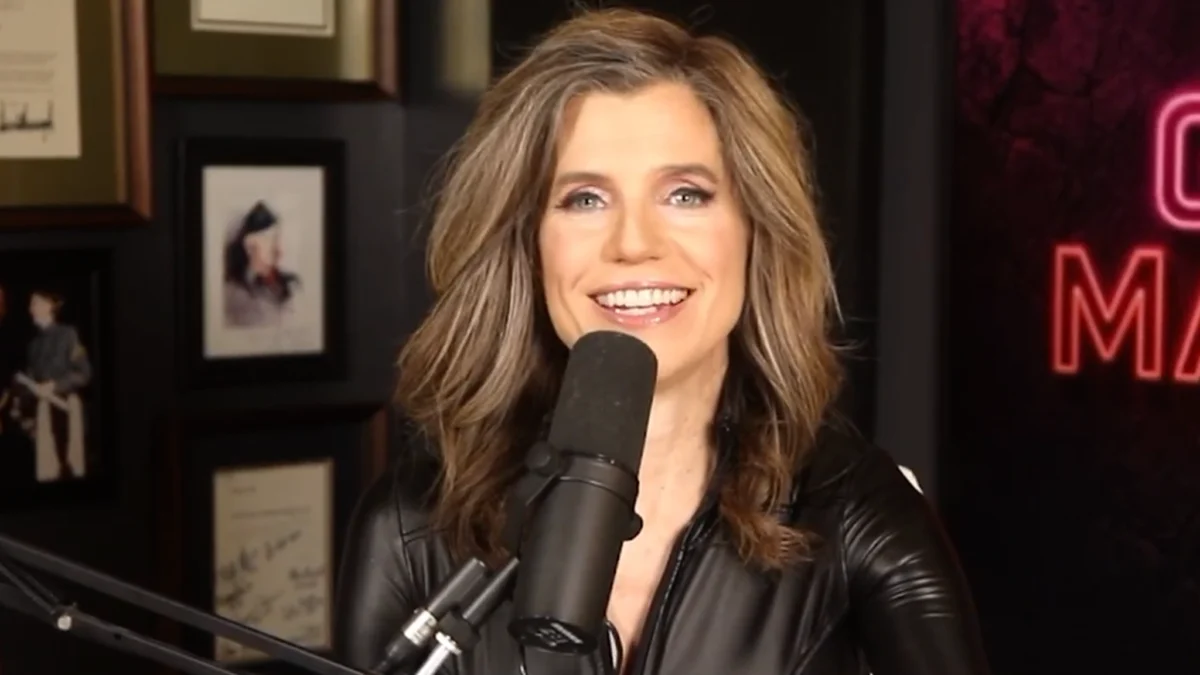
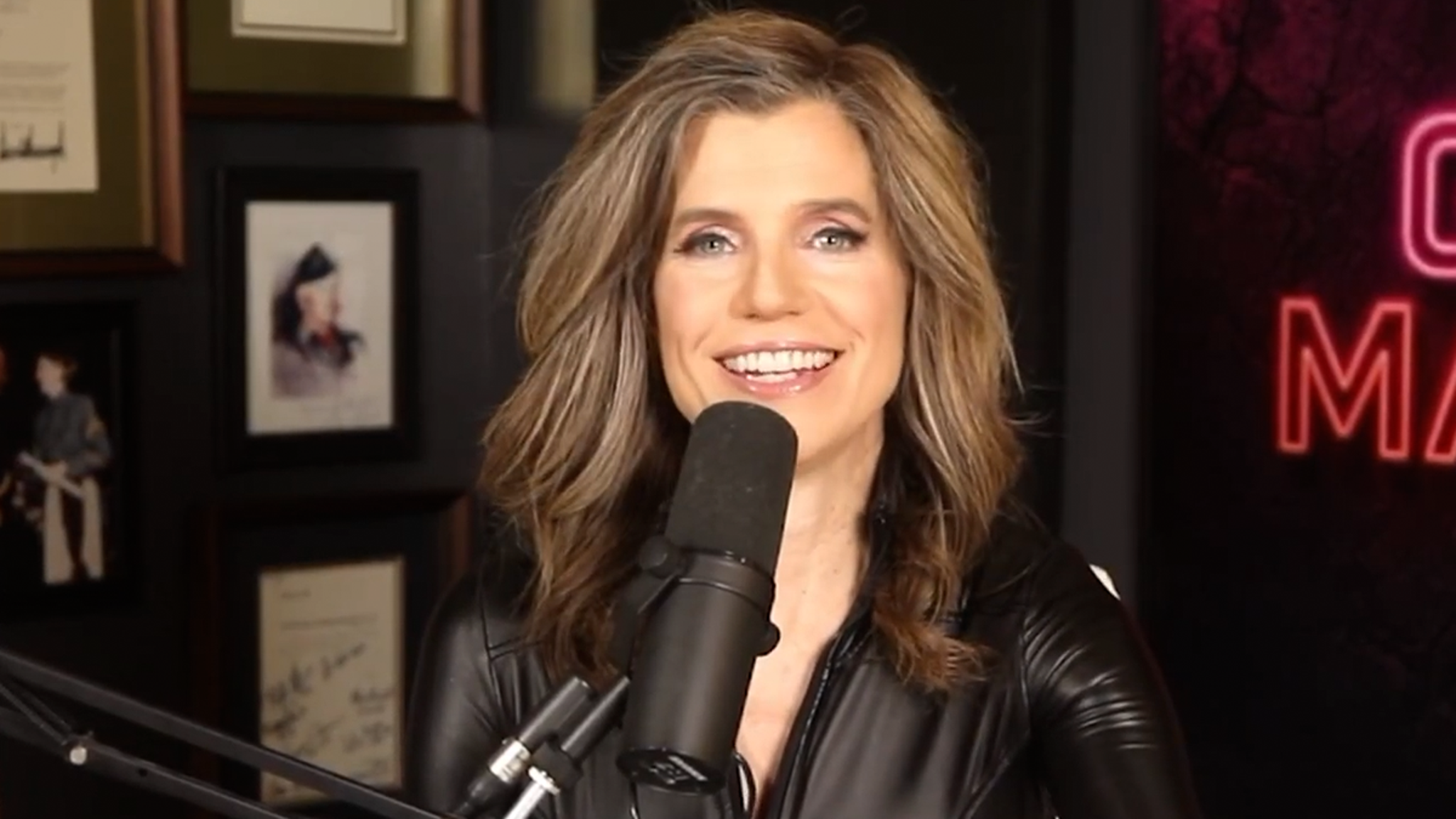
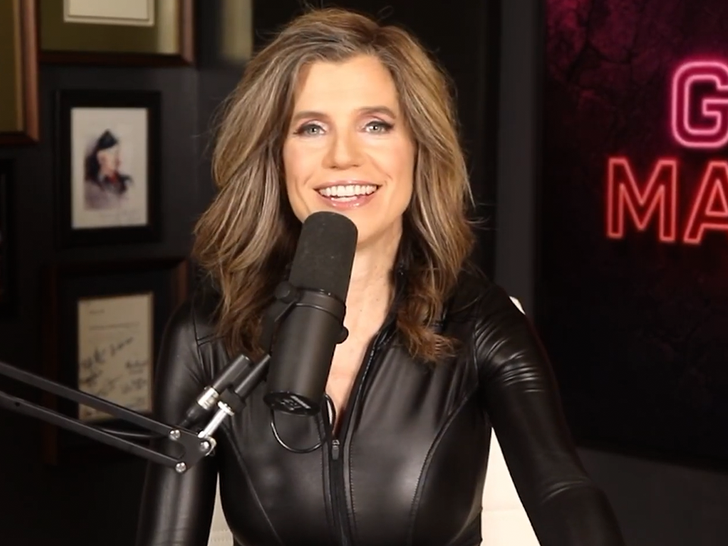
Representative Nancy Mace of South Carolina generated significant discussion across both political and media circles on Thursday, September 25, 2026, when she appeared in a distinctive, form-fitting black leather jumpsuit during an episode of her podcast, Get Maced. The congresswoman’s choice of attire quickly drew comparisons to cinematic depictions of comic book characters, most notably Michelle Pfeiffer’s iconic portrayal of Catwoman in the 1992 Warner Bros. film Batman Returns. While politicians frequently utilize fashion statements, visual branding, and unconventional media appearances to command public attention, Rep. Mace’s bold aesthetic choice highlights the increasingly blurred lines between traditional political communication, digital-era personal branding, and pop culture integration.
Main Facts of the Broadcast and Wardrobe Selection
The broadcast of Get Maced on Thursday afternoon featured Representative Mace discussing current legislative affairs, policy updates, and contemporary political discourse. However, rather than drawing focus solely to her political commentary, the primary point of discussion across social media platforms became her apparel. The South Carolina Republican opted for a sleek, skin-tight black leather-look jumpsuit that immediately prompted widespread commentary from fashion observers and political analysts alike.
The ensemble bore a striking resemblance to the stitched leather costume worn by Michelle Pfeiffer in director Tim Burton’s classic superhero film Batman Returns. Observers on various digital platforms noted the uncanny parallels, right down to the glossy finish and form-fitting silhouette. Rather than shying away from the comparisons, the broadcast embraced a casual, pre-weekend atmosphere, allowing the congresswoman to merge contemporary entertainment culture directly with her official media presence. The visual contrast between standard congressional dress codes—traditionally characterized by conservative business suits, blazers, and formal attire—and the high-gloss superhero aesthetic underscored a deliberate shift in how elected officials project their identities to digital audiences.
Background Context and the Evolution of Political Media
To understand the context of Representative Mace’s wardrobe choice, one must examine the broader evolution of political communications over the past decade. Elected officials increasingly rely on self-produced media, including podcasts, livestreams, and short-form video content, to bypass traditional journalistic filters and communicate directly with constituents and supporters. This direct-to-consumer model encourages experimentation with format, tone, and personal presentation.
Podcasts have transformed into powerful political pulpits. Members of Congress from both sides of the aisle frequently launch their own media platforms to control narrative framing, discuss niche policy areas, and showcase aspects of their personalities that do not typically surface during formal committee hearings or floor debates on Capitol Hill. In launching and maintaining Get Maced, Rep. Mace has consistently utilized an informal, unscripted conversational style. Integrating eye-catching visual elements, pop culture references, and unexpected fashion statements serves as a calculated method for maintaining audience engagement in an oversaturated digital media ecosystem.
Political analysts note that the commercialization and entertainment value of politics have accelerated alongside the rise of social media platforms such as TikTok, X (formerly Twitter), and Instagram. Wardrobe choices by high-profile political figures have historically been subject to intense public scrutiny, ranging from Alexandria Ocasio-Cortez’s high-fashion Met Gala appearances to John F. Fetterman’s casual hoodies on the Senate floor. In this context, Rep. Mace’s leather jumpsuit fits into a broader historical pattern where political actors utilize clothing as a non-verbal communication tool to signal accessibility, disrupt expectations, or drive online engagement.
Chronology of Events on September 25, 2026
The sequence of events surrounding the broadcast unfolded rapidly across digital channels throughout the afternoon and evening of September 25, 2026:
- 12:00 PM PDT: Production preparations for the scheduled Thursday episode of Get Maced commenced at the studio facilities, with preliminary wardrobe selections finalized.
- 5:00 PM PDT: The episode officially premiered across podcast distribution platforms and streaming channels, immediately displaying the congresswoman’s distinctive black jumpsuit.
- 5:30 PM PDT: Viewers and media outlets began capturing screenshots and video clips from the livestream, drawing immediate comparisons to Michelle Pfeiffer’s 1992 cinematic role.
- 7:00 PM PDT: Discussion regarding the outfit trended across major social media networks, generating commentary concerning the intersection of political media and pop culture cosplay.
- 9:00 PM PDT: Media organizations began publishing reports analyzing the aesthetic choice, evaluating its implications for modern political self-presentation.
Supporting Data and Precedents in Congressional Fashion
Fashion choices by elected officials have long served as catalysts for public debate regarding decorum, professionalism, and personal expression within government institutions. While legislative bodies historically enforce strict dress codes—such as the United States Senate’s historical requirement of business attire for members on the chamber floor—the enforcement of these standards has evolved.
Data compiled by congressional historians and media analysts indicate a significant rise in non-traditional attire within political spaces over the past five years. Key milestones in recent political fashion discussions include:
- The relaxation of formal dress codes in the U.S. Senate in late 2023, which sparked widespread debates over institutional respect and professionalism.
- The frequent use of branded or thematic apparel by populist politicians aiming to project a relatable, anti-establishment persona.
- The monetization and professionalization of politician-led media enterprises, where visual branding directly correlates with subscriber growth, donation conversion rates, and media impressions.
While Representative Mace wore the jumpsuit specifically for an external podcast recording rather than on the floor of the House of Representatives, the hypothetical prospect of such attire entering formal legislative spaces has fueled ongoing debates regarding the boundaries of congressional dress codes.
Official Responses and Public Reactions
Public reaction to the broadcast was polarized, reflecting broader divisions regarding how public servants should conduct themselves in the digital era. Supporters of Representative Mace praised the broadcast for its lightheartedness, authenticity, and willingness to lean into pop culture humor. Proponents argue that modern politicians must connect with younger, digitally native demographics who value personality and relatability over rigid, archaic formalities.
Conversely, critics and institutional traditionalists raised questions regarding the gravity of public office. Detractors argued that blending cinematic cosplay with political commentary risks trivializing the serious nature of legislative duties, particularly at a time when Congress faces complex domestic and international policy challenges. Critics suggested that such stunts are primarily designed to generate algorithmic traction and viral media coverage rather than substantive policy discourse.
Representative Mace’s office and associates have historically defended her media strategy as an effective means of democratizing political engagement, reaching audiences that typically tune out traditional news broadcasts, and maintaining an authentic voice in an era of highly scripted political communication.
Broader Impact and Implications for Political Communication
The attention garnered by Representative Mace’s podcast appearance underscores several critical trends shaping contemporary American politics:
- The Algorithmic Imperative: In the modern media landscape, visibility is often currency. Outfits, memes, and provocative stylistic choices function as catalysts for digital reach, allowing politicians to amplify their message without purchasing expensive advertising space.
- The Blur Between Entertainment and Governance: As politics increasingly adopts the mechanics of the entertainment industry, the line separating elected representatives from media personalities continues to dissolve. This shift alters voter expectations, placing a premium on charismatic, highly visible communication styles.
- Institutional Norms vs. Individual Branding: The incident highlights an ongoing tension between institutional traditions—which emphasize solemnity, uniformity, and decorum—and the modern political imperative for individual differentiation and personal brand cultivation.
As digital media platforms continue to evolve, the methods by which politicians present themselves to the public will undoubtedly undergo further transformation. Representative Mace’s "Catwoman" aesthetic on Get Maced serves as a prominent case study in how visual branding, popular culture, and modern media production intersect to capture the public’s fleeting attention in a hyper-connected world. Whether this trend encourages deeper civic engagement or accelerates the superficiality of political discourse remains a central question for contemporary media scholars and political observers alike.