


The long-term recovery strategy for Civilization 7 continues to gain momentum as developer Firaxis Games and publisher 2K have officially detailed the upcoming 1.4.1 update, scheduled for release during the week of June 22. This substantial patch arrives approximately 18 months after the title’s initial debut, a launch that was characterized by significant player pushback regarding the user interface, core mechanical changes, and the absence of several franchise-staple features. The centerpiece of this latest free update is the reintroduction of hotseat multiplayer, a localized gaming mode that has been a cornerstone of the 4X strategy genre for decades. By allowing multiple players to compete on a single device through alternating turns, Firaxis is addressing one of the most persistent community requests since the game’s release.
The 1.4.1 update represents the next phase in a rigorous course correction that began in earnest following the game’s polarizing reception. While the "Test of Time" update in May served as the primary vehicle for structural overhauls—most notably allowing players to maintain a single civilization throughout different historical ages—the June update focuses on deepening the mechanical complexity and technical variety of the experience. Alongside the return of hotseat play, the update introduces a sophisticated overhaul of map generation and core internal systems, signaling Firaxis’s commitment to transforming Civilization 7 into the definitive entry long-time fans expected at launch.
The Evolution of Map Generation: The Voronoi Archipelago
A primary technical highlight of the 1.4.1 update is the introduction of a "completely revamped, highly randomized" Archipelago map style. Unlike previous iterations that often relied on standard noise-based generation, the new Archipelago maps utilize advanced Voronoi generation. In the context of procedural map design, Voronoi diagrams allow for more organic, cellular distributions of landmasses, creating island chains and coastal regions that feel more geographically plausible and strategically diverse.
For veteran players, the "old" version of the Archipelago map will remain accessible under the moniker "Archipelago Hemispheres," ensuring that those who prefer the traditional layout are not alienated. However, the move toward Voronoi-based generation suggests a shift in Firaxis’s design philosophy toward more "naturalistic" environments. This change is expected to significantly impact naval gameplay and coastal city-state interactions, providing a more rugged and unpredictable terrain for players who favor maritime civilizations.
Deepening Social Mechanics: Governments, Happiness, and Celebrations
Beyond technical map changes, the 1.4.1 update implements a comprehensive rework of the game’s internal social and political systems. The Governments, Happiness, and Celebrations systems are being overhauled to provide a more tiered and rewarding progression path. According to developer notes, the update introduces new "Happiness stages," which will presumably offer varying degrees of productivity bonuses or penalties based on a civilization’s internal stability.
A significant addition to the political layer is the introduction of Government Traditions. Unlike previous iterations where government bonuses were often ephemeral or tied strictly to a specific era, these new Traditions are designed to persist across Ages. This mechanic allows players to "leave a permanent mark" on their civilization’s history, creating a sense of continuity that was previously criticized as lacking in Civilization 7’s age-transition system. This persistent progression model aims to reward long-term strategic planning, allowing a civilization’s early-game political choices to echo into the modern era with tangible, passive benefits.
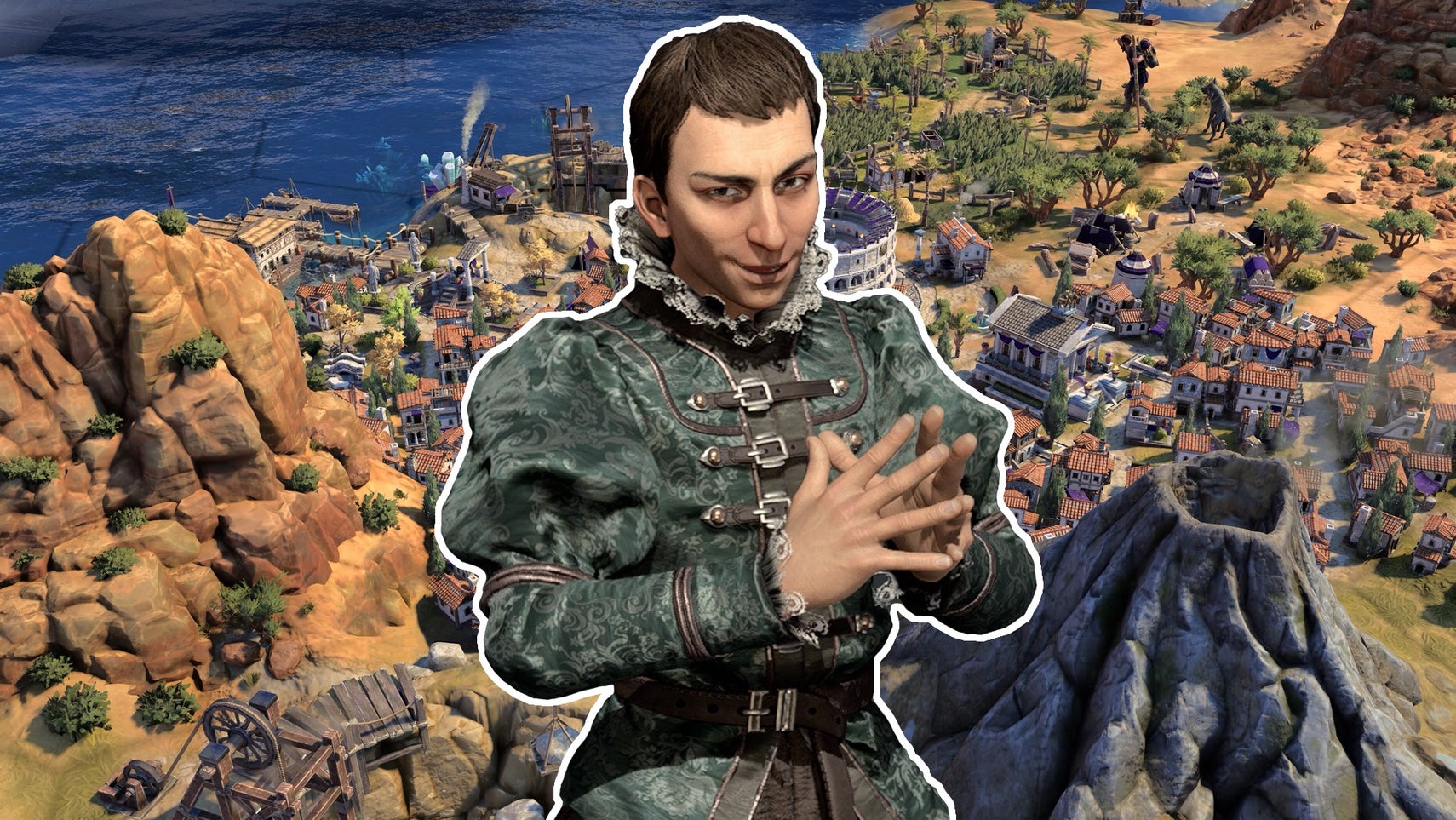
Furthermore, the Celebrations system has been revamped to provide more distinct visual and mechanical feedback. Governments will now feature unique passives that trigger during these periods of national prosperity, encouraging players to balance rapid expansion with the need for domestic satisfaction.
The Brush & Blade Collection: A Focus on East Asian History
Coinciding with the free 1.4.1 update is the launch of "Brush & Blade," the first half of a new paid content collection. This DLC focuses heavily on the historical narratives of Korea and Japan, framed around the thematic duality of "refined high art and legendary warfare."
Part 1 of the collection, launching next week, introduces Toyotomi Hideyoshi as a playable leader. Hideyoshi, historically known as the second "Great Unifier" of Japan, brings a focus on military consolidation and administrative reform. Accompanying the new leader are two distinct civilizations: Heian Japan and Sengoku Japan. By splitting the Japanese identity into these two historical periods, Firaxis is leaning into the "Age" system of Civilization 7, allowing players to experience the courtly elegance of the Heian period before transitioning into the fractured, militaristic Sengoku period.
The DLC also includes four new Wonders of the World and a suite of profile customization options. While the specific wonders have yet to be fully detailed, they are expected to reflect the architectural and cultural achievements of the featured regions.
The second half of the Brush & Blade collection is slated for release later this summer. This subsequent installment will introduce the legendary Korean admiral Yi Sun-sin as a leader, alongside the Goryeo and Joseon civilizations. Yi Sun-sin is widely regarded as one of the greatest naval commanders in history, and his inclusion is expected to introduce unique naval mechanics centered on the famous "Turtle Ships" (Geobukseon).
A Timeline of Recovery: From Bumpy Launch to 1.4.1
To understand the weight of the 1.4.1 update, one must look at the trajectory of Civilization 7 since its debut. The initial launch was met with a "Mixed" reception on platforms like Steam, a rarity for a flagship Firaxis title.
- Launch Period: Players criticized the "Civ-switching" mechanic, which forced players to change their civilization at the end of each Age. The UI was also labeled as "consolized," lacking the information density required for high-level PC play.
- Post-Launch Hotfixes: Early patches focused on stability and crash reports, but did little to address the fundamental design complaints.
- The May "Test of Time" Update: This was the first major turning point. Firaxis introduced the "Play as One Civ" mode, allowing players to bypass the forced transitions. It also streamlined the UI and adjusted the pacing of research and production.
- June 1.4.1 Update: The current update serves to flesh out the multiplayer experience (Hotseat) and add the mechanical depth (Government Traditions) that players felt was missing from the "Test of Time" overhaul.
Strategic Implications and Industry Analysis
The reintroduction of hotseat multiplayer is more than a nostalgic nod; it is a vital feature for a segment of the 4X community that values local cooperative and competitive play. In an era where many strategy titles are moving toward purely online or asynchronous models, Firaxis’s decision to prioritize hotseat suggests a recognition of the franchise’s roots as a "living room" or "dorm room" strategy game.

Industry analysts suggest that the "Brush & Blade" DLC represents a shift in 2K’s monetization strategy for the franchise. By bundling civilizations and leaders into thematic "collections" rather than individual packs, they are attempting to create more cohesive narrative experiences within the DLC framework. The focus on East Asian history also targets a massive and growing market of strategy fans in South Korea and Japan, where historical 4X games maintain a dedicated following.
Furthermore, the implementation of Voronoi map generation indicates that Firaxis is still willing to experiment with the game’s technical foundation. If successful, this could pave the way for more diverse environmental updates, perhaps addressing another common player request: more distinct biomes and varied topographical features that impact gameplay beyond simple movement penalties.
Official Responses and Community Outlook
While Firaxis has been relatively quiet regarding specific future updates beyond the summer, a spokesperson for the studio stated that the team remains "deeply committed to the long-term health of Civilization 7." The developer noted that the 1.4.1 update is the result of "synthesizing over a year’s worth of listening and iteration."
Community sentiment on platforms such as Reddit and the CivFanatics forums has turned cautiously optimistic. While some players remain frustrated by the 18-month timeline required to reach this state of feature parity with previous entries, others have praised the "Test of Time" update as a significant improvement. The addition of Government Traditions, in particular, is being viewed as a necessary bridge between the game’s new "Ages" structure and the traditional "Empire Building" feel of the series.
As Civilization 7 approaches its second year, the 1.4.1 update and the Brush & Blade DLC represent a critical juncture. By balancing free feature restorations with high-quality paid content, Firaxis is attempting to stabilize its player base and reclaim its position as the undisputed leader of the 4X genre. With competition in the space increasing from titles like Ara: History Untold and Millennia, the success of these upcoming updates will be instrumental in determining the long-term legacy of the seventh installment.