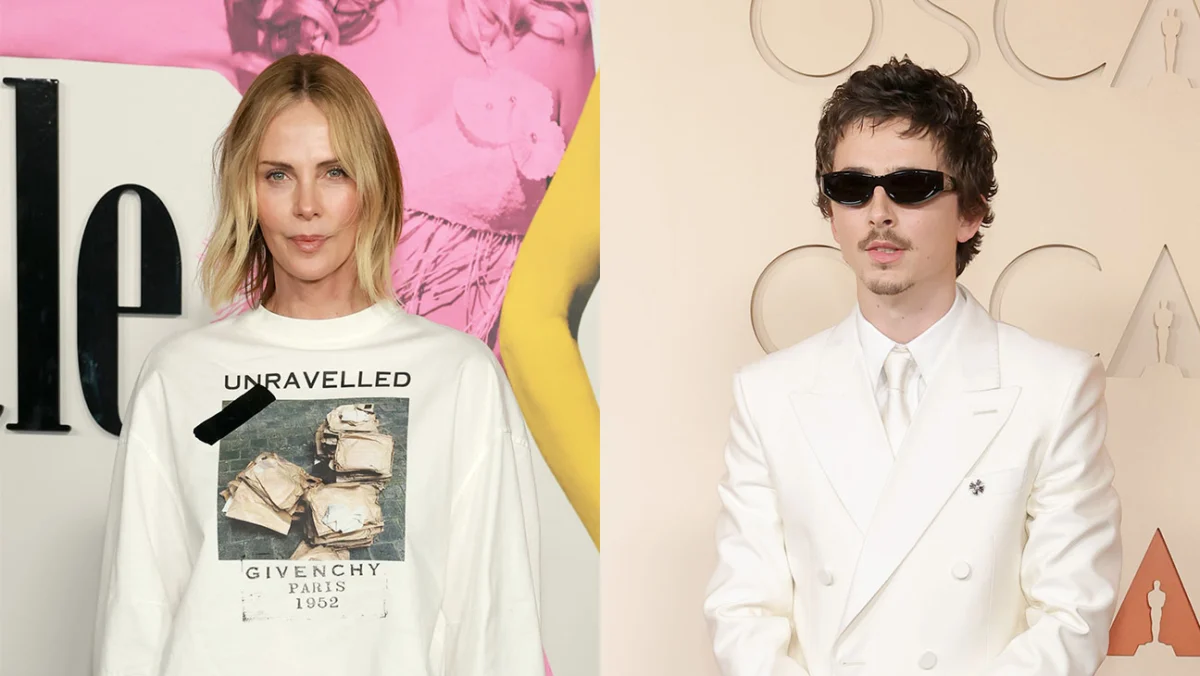
In a recent interview, Academy Award-winning actress Charlize Theron delivered a sharp rebuke to fellow actor Timothée Chalamet, labeling his earlier remarks about ballet and opera as "very reckless" and passionately defending the enduring value and intense demands of these classical art forms. Theron’s comments, published in The New York Times, have reignited a public debate surrounding the perceived relevance of traditional performing arts, the physical sacrifices of dancers and operatic performers, and the broader implications of celebrity opinions on cultural discourse. Her intervention has drawn a clear line in the sand, emphasizing the importance of upholding and appreciating artistic disciplines that require immense dedication and human effort, particularly in an era increasingly influenced by digital media and artificial intelligence.
Charlize Theron’s Vehement Defense and Personal Connection to Dance
Charlize Theron, known globally for her powerful performances in films such as Mad Max: Fury Road and Monster, spoke candidly about her own formative experiences with dance during a Saturday interview with The New York Times. Her discussion centered on the extraordinary physical and mental rigor required to pursue dance professionally, a path she herself once trod. "Dance is probably one of the hardest things I ever did. Dancers are superheroes. What they put their bodies through in complete silence," Theron stated, articulating a profound respect for the discipline. This observation prompted the reporter to jokingly reference Chalamet’s previous comments, to which Theron responded with a pointed resolve, "Oh, boy, I hope I run into him one day."
Her subsequent remarks underscored the depth of her conviction. "That was a very reckless comment on an art form, two art forms, that we need to lift up constantly because, yes, they do have a hard time. But in 10 years, AI is going to be able to do Timothée’s job, but it will not be able to replace a person on a stage dancing live. And we shouldn’t [expletive] on other art forms." Theron’s strong language reflects not only a defense of ballet and opera but also a broader concern for the interconnectedness and mutual respect within the creative industries. Her reference to AI introduces a futuristic dimension to the argument, positing that the irreplaceable human element of live performance is precisely what makes these art forms so vital.
Theron elaborated on the grueling realities of her dance background, painting a vivid picture of the relentless commitment it demands. "Dance taught me discipline. It taught structure. It taught hard work. It taught me to be tough. It’s borderline abusive," she continued. "There were several times that I had blood infections from blisters that just never healed. And you don’t get a day off. I’m literally talking about bleeding through your shoes. And that’s something that you have to practice every single day, the mindset of just, you don’t give up, there’s no other option, you keep going." Her testimony provides a stark contrast to any perception of ballet as a delicate or easily dismissed pursuit, highlighting the extreme physical and psychological resilience inherent to the profession.
The Genesis of the Controversy: Timothée Chalamet’s February Remarks
The controversy originated in February when Timothée Chalamet, a celebrated actor known for his roles in Dune and Wonka, made comments that quickly drew criticism from the performing arts community. During a Variety and CNN town hall event, where he was interviewed alongside Matthew McConaughey, Chalamet was asked about audience engagement with "slower-paced movies." His response, intended perhaps to illustrate a hypothetical scenario of waning interest, inadvertently disparaged classical art forms.
"I wouldn’t want to be involved in an art form that ‘no one cares about,’" Chalamet stated, specifically citing ballet and opera as examples. He continued, "I don’t want to be working in ballet or opera where it’s like, ‘Hey! Keep this thing alive, even though no one cares about this anymore,’" he said with a laugh. Attempting to mitigate the impact, he added, "All respect to the ballet and opera people out there… I just lost 14 cents in viewership. I’m taking shots for no reason." Despite the half-hearted disclaimer, his remarks were widely interpreted as dismissive and disrespectful by those within and allied with the ballet and opera worlds.
Immediate Repercussions and Community Response
Chalamet’s comments swiftly ignited a wave of backlash across social media and within the professional performing arts sector. Major ballet companies, opera houses, and individual artists voiced their dismay, pointing to the immense dedication, talent, and cultural significance embedded in their work. Many highlighted the ongoing efforts by these institutions to modernize, diversify, and engage new audiences, arguing that Chalamet’s characterization was not only inaccurate but also damaging to these often financially precarious art forms.
For instance, prominent dance critics and former professional dancers took to platforms like X (formerly Twitter) and Instagram to share statistics on global viewership, the economic contributions of performing arts, and personal anecdotes about the rigorous training involved. Organizations like the American Ballet Theatre and the Metropolitan Opera, while not issuing direct condemnations of Chalamet, frequently publish content showcasing the vibrancy, innovation, and broad appeal of their productions, implicitly countering the narrative that their art forms are irrelevant. The general sentiment from the arts community was one of profound disappointment, emphasizing that such casual dismissal from a high-profile figure could undermine the tireless work being done to sustain and grow these fields.
The widespread nature of the criticism was further underscored at last month’s Academy Awards ceremony. Host Conan O’Brien, known for his comedic timing, incorporated the controversy into his monologue, demonstrating how deeply the comments had resonated in Hollywood. "I’m told there are concerns about attacks from both the opera and ballet community," O’Brien joked, before playfully adding to Chalamet, "They’re just mad you left out jazz." This moment solidified the incident as a notable cultural talking point, extending beyond the immediate arts community into mainstream entertainment discourse. The Hollywood Reporter reached out to Chalamet’s representatives for comment following Theron’s interview but did not receive a response by the time of publication, indicating a potential strategy of silence from his camp.
The Enduring Physicality and Discipline of Dance and Opera
Charlize Theron’s passionate defense draws heavily from her personal understanding of the physical and mental fortitude required in dance, a sentiment echoed by countless professionals in ballet and opera. Ballet, often perceived as graceful and effortless, is in reality one of the most physically demanding art forms. Professional dancers begin their training in early childhood, often dedicating thousands of hours to rigorous practice before reaching professional ranks. A typical day for a professional ballet dancer involves hours of class, rehearsals, and performances, pushing their bodies to extreme limits.
Data from sports medicine studies consistently ranks ballet among the most physically challenging professions. Dancers regularly sustain injuries ranging from sprains and fractures to chronic conditions like tendinitis and stress fractures, often exacerbated by the relentless schedule and high-impact movements. The average career span for a professional ballet dancer is relatively short, often peaking in their late 20s or early 30s due to the cumulative toll on their bodies. The discipline extends beyond physical endurance; it encompasses an unparalleled mental toughness, requiring artists to perform with precision, emotional depth, and unwavering focus, often while managing significant pain or exhaustion. The "complete silence" Theron mentioned refers to the incredible control dancers exert over their bodies, executing complex sequences without audible strain, creating an illusion of effortless beauty that belies years of grueling work.
Similarly, opera singers are highly trained athletes of the voice. Their training involves years of developing vocal technique, breath control, musicality, and dramatic interpretation. An operatic performance requires immense stamina, with singers projecting their voices unamplified over a full orchestra for hours, often while performing complex staging and acting. This demanding regimen requires meticulous care of the voice, body, and mind, with a career often spanning decades, yet equally susceptible to injury and requiring immense dedication. These art forms are not merely entertainment; they are living testaments to human potential, discipline, and the pursuit of artistic perfection.
The Broader Debate: Relevance, Accessibility, and the Future of Live Arts
Chalamet’s initial comments, while perhaps flippant, touched upon a sensitive nerve within the performing arts: the ongoing struggle for relevance and audience engagement in an increasingly fragmented media landscape. While it is true that ballet and opera may not command the same mass appeal as blockbuster films or pop music, to suggest "no one cares about this anymore" overlooks significant global audiences and dedicated fan bases.
According to reports from organizations like Opera America and Dance/USA, while audience demographics for classical arts have historically skewed older, there has been a concerted effort in recent years to attract younger and more diverse audiences. Initiatives include relaxed performances, digital streaming of productions, community outreach programs, contemporary works that challenge traditional narratives, and accessible pricing structures. Pre-pandemic, many major opera and ballet companies reported stable or even growing attendance figures, with millions worldwide engaging with these art forms annually, both live and through digital platforms. For example, the Metropolitan Opera’s Live in HD series has reached millions of viewers in cinemas globally since its inception, demonstrating a significant international interest.
Economically, the performing arts sector contributes substantially to local and national economies, supporting a vast ecosystem of artists, technicians, administrators, and educators. These institutions are often cultural anchors in their cities, drawing tourism and fostering community engagement. However, they also face significant financial challenges, often relying on a combination of ticket sales, philanthropic donations, and public funding, which can be vulnerable to economic downturns and shifts in cultural priorities. Therefore, comments that diminish their value or portray them as anachronistic can undermine crucial public and private support. Theron’s call to "lift up constantly" these art forms acknowledges their inherent struggles while affirming their intrinsic worth.
Celebrity Influence and Artistic Dialogue
The exchange between Theron and Chalamet also highlights the powerful influence of celebrity voices in shaping public perception and cultural dialogue. Actors, with their immense platforms, often find their casual remarks amplified and scrutinized. While Chalamet’s comments were likely not intended to cause widespread offense, their impact demonstrates the responsibility that comes with such visibility. For Theron, a figure who has successfully navigated both commercial cinema and artistically demanding roles, her defense of ballet and opera stems from a place of deep personal conviction and professional understanding. Her willingness to openly challenge a peer, particularly one as popular as Chalamet, underscores the gravity she places on respecting all forms of artistic endeavor.
This incident serves as a reminder that public figures can inadvertently fuel negative stereotypes or reinforce outdated perceptions about certain art forms. Conversely, informed and passionate advocacy from influential individuals, like Theron, can bring much-needed attention and appreciation to fields that may struggle for mainstream visibility. It encourages a more thoughtful engagement with the arts, urging audiences and creators alike to look beyond superficial impressions and understand the profound effort and cultural significance embedded in diverse artistic practices.
The AI Factor: Human Performance vs. Digital Replication
Theron’s assertion that "AI is going to be able to do Timothée’s job, but it will not be able to replace a person on a stage dancing live" introduces a critical contemporary dimension to the discussion: the rise of artificial intelligence in creative industries. While AI has made incredible strides in generating text, images, and even rudimentary video, its current capabilities are far from replicating the nuanced, spontaneous, and deeply human essence of live performance.
AI can certainly mimic human actions and generate digital avatars that perform pre-programmed sequences. We are seeing AI used in film production for visual effects, script analysis, and even generating synthetic voices or faces. In theory, an AI could be trained to produce a digital actor capable of delivering lines and expressions. However, the unique connection formed between a live performer and a live audience – the palpable energy, the possibility of improvisation, the shared human experience of a fleeting moment – remains beyond the current scope of AI.
Live dance and opera, by their very nature, are ephemeral and contingent on human physicality, vulnerability, and emotional expression. The sweat, the breath, the minor imperfections, and the immense presence of a human body creating art in real-time are irreducible elements that AI cannot replicate. Theron’s statement serves as a powerful argument for the enduring value of live, human-centric art forms in an increasingly digitized world, positioning them not as relics of the past but as essential bastions of human creativity and connection against the backdrop of technological advancement.
Conclusion
The spirited exchange between Charlize Theron and Timothée Chalamet, catalyzed by Chalamet’s "reckless" comments, has evolved into a significant cultural dialogue. It underscores the critical importance of respecting the diverse spectrum of artistic disciplines, recognizing the profound dedication required by their practitioners, and fostering an environment of mutual appreciation within the creative community. Theron’s passionate defense, rooted in her personal experience and foresight regarding AI, has served to highlight the irreplaceable human element at the heart of live performing arts. As these art forms continue to adapt and evolve in the 21st century, the conversation initiated by this celebrity commentary ultimately serves as a potent reminder for audiences and creators alike to champion the rich tapestry of human artistic expression, from the silver screen to the ballet stage.