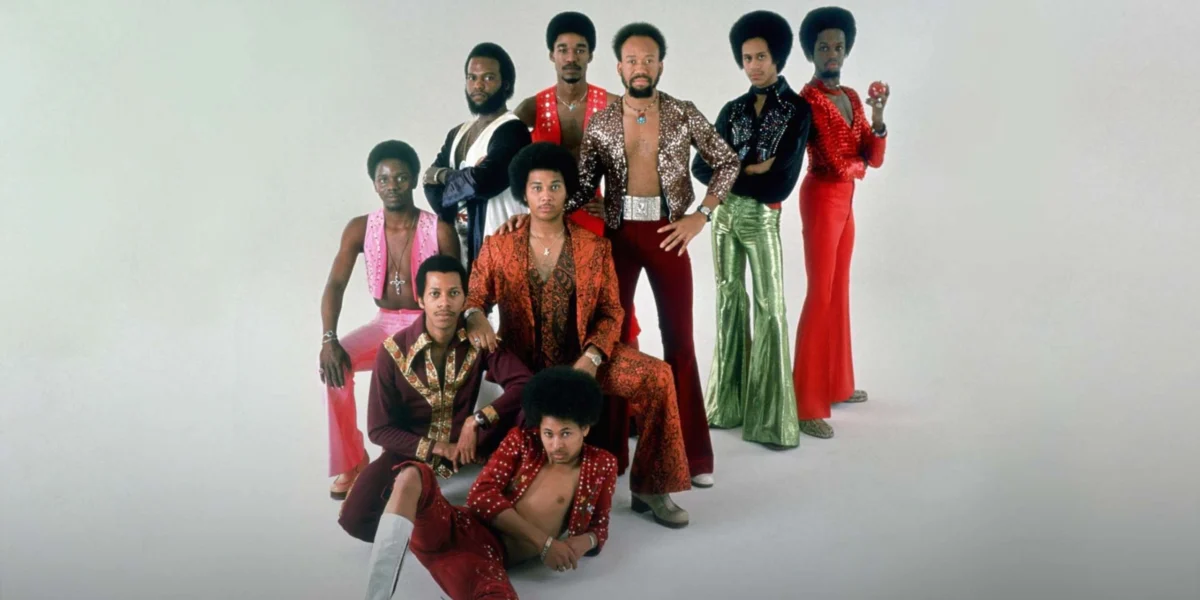
New York, NY – The 25th Tribeca Festival has officially launched with the premiere of Questlove’s highly anticipated documentary, "Earth, Wind & Fire (To Be Celestial VS That’s the Weight of the World)," an expansive and vibrant exploration of the iconic band’s profound impact on music and culture. Directed and written by the acclaimed musician and filmmaker Ahmir “Questlove” Thompson, the 119-minute film delves into the life, career, and enduring philosophical underpinnings of a group that redefined popular music through its infectious rhythms, dazzling performances, and transcendent message.
Questlove, fresh off his Academy Award-winning success with "Summer of Soul (…Or, When the Revolution Could Not Be Televised)" and his work on "Sly Lives! (aka The Burden of Black Genius)," brings his deep understanding of music history and his innate rhythmic sensibility to this project. The documentary meticulously reconstructs the journey of Earth, Wind & Fire, underscoring the notion that their story transcends mere musical hits, necessitating a deep dive into the visionary mind of their founder, Maurice White. White’s ambition, as depicted in the film, was to create something far more significant than a typical musical ensemble; he aimed to forge a spiritual and cultural movement.
The film’s narrative is propelled by a dynamic blend of kinetic editing, evocative animation, and a rich tapestry of archival footage. These elements are interwoven with poignant interviews featuring family members, former bandmates, and a constellation of prominent admirers, a testament to Questlove’s extensive network within the entertainment industry. The result is a documentary that not only captures the electrifying spirit of Earth, Wind & Fire but also elucidates the unique philosophy that cemented their status as pioneers, influencing generations of artists and listeners alike.
The Genesis of a Cosmic Sound
Before Earth, Wind & Fire ascended to global superstardom in the 1970s, Maurice White was already a respected figure in the music scene. As a sought-after session drummer and musician in Chicago, White honed his craft, playing with luminaries and contributing to countless recordings. However, at the zenith of his individual success, he made a pivotal decision: to forge his own path and establish a musical entity that would transcend conventional boundaries. This decision would irrevocably alter the landscape of popular music.
The documentary details how White meticulously blended a diverse array of genres—gospel, R&B, funk, rock, jazz, psychedelia, and profound African influences—into a singular, cohesive sound. This fusion resulted in Earth, Wind & Fire emerging as a fearless and innovative musical force. Their sound was characterized by a duality: deeply rooted in ancient traditions while simultaneously feeling remarkably futuristic. Interviewees in the film frequently describe the band’s music as evoking a sense of originating from both the ancient continent of Africa and the vastness of outer space, a testament to their unique sonic alchemy.
This compelling interplay between the earthly and the celestial forms the very core of Questlove’s documentary. Maurice White consciously infused the band’s identity with mysticism, astrology, spirituality, and complex metaphysical concepts. These philosophical underpinnings permeated every facet of their artistry, from the introspective and profound nature of their lyrics and the striking elegance of their costumes to the elaborate and awe-inspiring stage productions that defined their live performances. While these esoteric ideas could, in other contexts, prove esoteric or alienating to an audience, Questlove’s directorial approach, anchored in a largely conventional documentary structure, ensures that viewers can readily grasp these concepts and appreciate how they profoundly shaped the band’s lasting impact, relevance, and enduring appeal across generational divides.
A Pantheon of Voices: Testimonials and Reflections
A significant strength of the documentary lies in its exceptional roster of interview subjects. The film features reflective insights from musical titans such as Lionel Richie and Stevie Wonder, who offer profound perspectives on White’s genius and the group’s monumental influence on the trajectory of music. Their testimonials underscore the band’s role not just as entertainers but as innovators who expanded the sonic palette of popular music.
Adding a layer of historical and cultural gravitas, former President Barack Obama and First Lady Michelle Obama also appear in the film. Their personal connections to Earth, Wind & Fire’s music are shared, highlighting how the band’s anthems have resonated with individuals and served as a unifying force for diverse audiences. These endorsements speak volumes about the band’s cultural omnipresence and their ability to transcend demographic boundaries.
Questlove’s directorial prowess, particularly his innate ability to fuse information with an infectious rhythm, is on full display. The film’s editing style mirrors the energetic and vibrant spirit of the band itself. The cuts are sharp and dynamic, maintaining a captivating pace without becoming disorienting. Furthermore, the inclusion of animated sequences serves a crucial purpose: to visually interpret and clarify some of the more abstract spiritual and philosophical ideas that informed Maurice White’s worldview. The cumulative effect is a documentary that consistently matches the exhilarating energy and profound depth of its subject matter.
Chart-Topping Success and Enduring Anthems
The documentary dedicates substantial attention to Earth, Wind & Fire’s meteoric rise, meticulously charting their journey through a succession of iconic albums and unforgettable songs. The breakout hit "Shining Star" receives well-deserved focus, rightly identified as the pivotal track that propelled the band to unprecedented levels of fame. Even today, "Shining Star" remains arguably their most recognizable song, its ubiquitous presence in films, television shows, and commercials serving as a testament to its timeless appeal.
Beyond this landmark hit, the film also examines the enduring popularity of other seminal tracks. "September," with its instantly recognizable opening notes, continues to fill dance floors and ignite celebrations decades after its release, embodying the band’s ability to create pure, unadulterated joy. The documentary also offers a fresh perspective on "Reasons," a song often miscategorized as a simple love ballad. The film contextualizes the track within the band’s broader philosophical framework, suggesting interpretations that go beyond conventional romantic themes, firmly refuting its simplistic categorization.
The Architects of Sound and the Shadow of Loss
Questlove’s film is particularly effective in spotlighting the crucial collaborators who were instrumental in bringing Maurice White’s expansive vision to fruition. Among these key figures is Grammy Award-winning recording engineer and inventor George Massenburg. Massenburg’s innovative technical contributions were vital in translating the band’s complex sonic ideas into reality within the recording studio, helping to shape their signature sound.
The extraordinary musicianship of bassist Verdine White is also prominently featured. His groovy, vitalizing bass lines are identified as a fundamental element that contributed significantly to the band’s overall cohesive and powerful live sound. The film acknowledges that the band’s journey was not without its challenges and somber moments. The tragic death of producer Charles Stepney from a heart attack in 1976 is portrayed as a devastating personal and creative loss for the group, occurring at a peak moment in their burgeoning success.
While the documentary maintains a predominantly celebratory tone, it does not shy away from the internal complexities that arose within the band over time. The film addresses the internal tensions that eventually surfaced, attributing them in part to Maurice White’s intense need for control and his lingering trust issues, which were rooted in his childhood experiences. These conflicts, while explored, are presented in a manner that adds necessary depth and texture to the narrative, preventing the film from becoming a purely hagiographic account and instead offering a more nuanced portrait of the band’s evolution.
Navigating the Depths: Comprehensiveness and Legacy
If the documentary occasionally falters, it is arguably due to its ambitious scope and its desire to be all-encompassing. At times, the film can lean towards a highly detailed, almost encyclopedic recitation of album releases, chart successes, personnel changes, and career milestones. Questlove’s evident determination to create a definitive account of the band’s trajectory can, in certain segments, lead to a feeling of perusing a chronological checklist of accomplishments rather than a deeply thematic exploration of their significance.
However, the inherent strength of Earth, Wind & Fire’s music and the captivating charisma of the interview subjects consistently prevent this tendency from overshadowing the overall experience. While not all of the band’s key members are alive to share their perspectives directly—most notably Maurice White, who passed away in 2016—his presence is profoundly felt throughout the documentary. Through a masterful compilation of archival footage, personal recollections, and intimate stories shared by those who knew him best, Questlove effectively uses White’s personal journey as the guiding narrative thread for the entire story of Earth, Wind & Fire. This approach largely succeeds in weaving a cohesive and compelling biographical tapestry.
A Celestial Vision for the Future
In its entirety, "Earth, Wind & Fire (To Be Celestial VS That’s the Weight of the World)" mirrors the band it celebrates: it honors the past while looking resolutely toward the future. Questlove astutely recognizes that Earth, Wind & Fire’s creative output was never solely about crafting hit songs. They were actively engaged in expanding minds, challenging artistic boundaries, and inspiring their audiences to envision possibilities far beyond their immediate circumstances.
Even when the documentary occasionally exhibits an eagerness to include nearly every detail of the band’s illustrious career, this meticulous attention to detail and profound reverence for their legacy results in what is poised to become the definitive cinematic portrayal of a legendary group. Their music, their profound message of unity and enlightenment, and their boundless imagination continue to resonate deeply, echoing through the ears, hearts, and minds of people across the globe. Ultimately, the film serves as a powerful reminder of why their songs retain their timeless quality: because Maurice White and Earth, Wind & Fire were never driven by ephemeral trends. Their singular ambition was, and remains, to reach for the stars.