


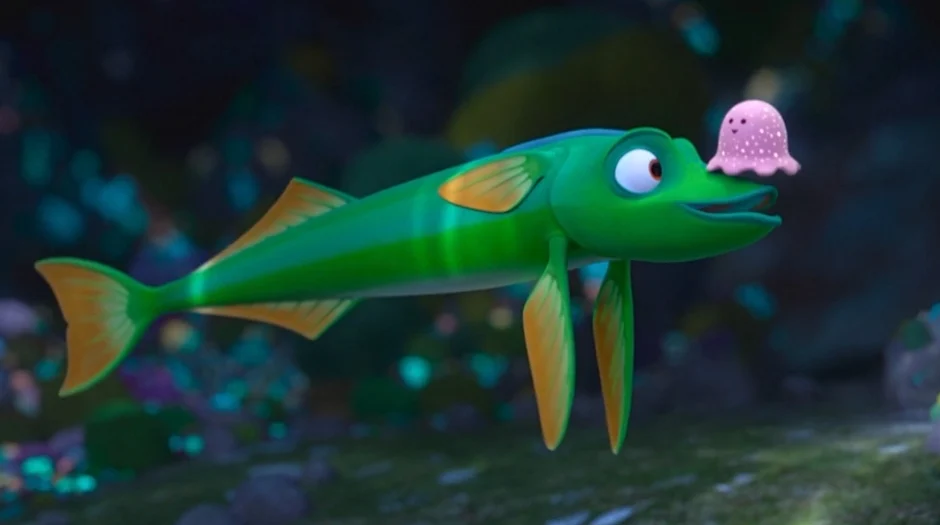
Viva Kids is set to release its latest animated feature, The Last Whale Singer, in theaters on June 5, a film that aims to captivate young audiences while subtly advocating for environmental consciousness. The movie centers on Vincent, a young humpback whale grappling with self-doubt, who must discover his powerful voice to protect his ocean home. This narrative of personal growth intertwined with ecological responsibility is the cornerstone of Viva Kids’ ambitious multi-platform project designed to resonate with a generation increasingly aware of environmental challenges.
A Multi-Platform Vision for Environmental Storytelling
The genesis of The Last Whale Singer stemmed from a potent concept: a whale whose song held the key to saving the ocean. This initial idea has blossomed into a comprehensive universe encompassing not only the feature film but also a video game, a television series, and an interactive storybook. This interconnected approach is intended to foster a deeper and more sustained engagement with the story and its underlying themes. Each element of the universe is designed to expand the narrative, deepen audience connection, and ultimately, leave a lasting impact on how viewers perceive their relationship with the marine environment.
The film is the brainchild of writer and director Reza Memari, who collaborated with co-directors Steven Majaury and Pavel Hrubos. Their collective vision has brought to life a story that, while ostensibly a children’s adventure, carries a significant message about the importance of individual agency in the face of large-scale environmental issues. The release of four new clips and the official trailer offers a glimpse into the visual style and narrative arc of the film, showcasing Vincent’s journey from uncertainty to empowerment.
The Narrative Arc: From Self-Doubt to Oceanic Savior
At its core, The Last Whale Singer is a coming-of-age story. Vincent, a young humpback whale, faces the daunting task of finding his voice—both literally and metaphorically. His internal struggle with self-doubt mirrors the broader challenges of overcoming personal limitations to effect change. The narrative posits that individual actions, amplified by courage and conviction, can indeed make a significant difference. In Vincent’s case, his unique song is not just a melody but a potential lifeline for the ocean, suggesting a powerful connection between the natural world and the unique abilities of its inhabitants.
The decision to embed an environmental message within an engaging children’s narrative is a strategic one, particularly in the current global climate. Reports from organizations like the Intergovernmental Panel on Climate Change (IPCC) have consistently highlighted the urgent need for greater public awareness and action regarding marine conservation. By presenting these complex issues through the accessible lens of animation and a relatable protagonist, The Last Whale Singer aims to foster empathy and a sense of responsibility in young viewers from an early age.

Background and Development of the Whale Singer Universe
The development of The Last Whale Singer did not occur in a vacuum. The concept of a sentient, environmentally conscious whale has been explored in various forms of media, but the comprehensive, multi-platform approach taken by Viva Kids represents a significant investment in a narrative universe. This strategy is not uncommon in the entertainment industry, where successful franchises are built upon interconnected stories and characters that can be explored across different mediums.
The timeline for such a project is typically extensive, involving years of script development, character design, animation production, and marketing. While specific dates for the video game, series, and storybook releases are not yet public, the June 5 theatrical debut of the film suggests a significant lead-up phase for the broader universe. This phased release strategy allows for sustained audience engagement and the gradual unfolding of the narrative world.
Supporting Data and Environmental Context
The film’s central theme of protecting the ocean aligns with critical scientific findings. The United Nations Environment Programme (UNEP) has reported that oceans absorb approximately 30% of the carbon dioxide produced by humans, acting as a crucial buffer against climate change. However, this vital function is threatened by rising CO2 levels, leading to ocean acidification, which poses a severe risk to marine life, particularly species with calcium carbonate shells and skeletons, like corals and shellfish.
Furthermore, whale songs themselves are a subject of ongoing scientific research. While their exact function is still debated, theories include communication over vast distances, mating calls, and social bonding. The idea of a "whale song" having a unique, potentially restorative power, as depicted in the film, taps into the mystique and importance of these marine mammals. Whales, as apex predators and large marine mammals, play a crucial role in maintaining the health of marine ecosystems through their feeding and nutrient cycling. Their decline, due to historical whaling and ongoing threats like pollution and ship strikes, has significant ecological implications.
Viva Kids’ Commitment to Edutainment
Viva Kids has established itself as a distributor focused on engaging and educational content for children. Their portfolio often includes films and series that blend entertainment with positive messages, ranging from themes of friendship and courage to social and environmental responsibility. The Last Whale Singer fits squarely within this established brand identity. By partnering with creators like Reza Memari, who demonstrate a commitment to meaningful storytelling, Viva Kids aims to provide content that not only entertains but also enriches young minds and encourages a more thoughtful engagement with the world.
The release of the clips and trailer serves as a crucial marketing phase, allowing audiences to preview the animation quality, character designs, and the emotional tone of the film. The inclusion of multiple YouTube embeds within the promotional material highlights the growing trend of utilizing digital platforms to build anticipation and provide direct access to visual content.

Expert Perspectives and Industry Reception (Inferred)
While direct statements from external parties are not provided in the initial material, the animation industry typically reacts to new releases with a mix of critical reviews and audience reception analysis. The success of animated films often hinges on their ability to connect with a broad demographic, appealing to both children and the adults accompanying them. For a film like The Last Whale Singer, which aims for an educational component, the reception will likely consider the effectiveness of its messaging alongside its entertainment value.
Industry analysts often look at the potential for franchise building when a multi-platform strategy is employed. The success of the initial film could pave the way for further investments in the Whale Singer universe, potentially leading to sequels, expanded game content, and longer-running series. This, in turn, can generate significant revenue streams and establish a lasting intellectual property.
Broader Impact and Implications
The implications of The Last Whale Singer extend beyond its theatrical run. By weaving an environmental narrative into a compelling story, the film has the potential to:
- Foster Environmental Literacy: Introduce complex ecological concepts in an accessible and engaging manner for young audiences.
- Promote Empathy for Marine Life: Encourage a deeper appreciation for whales and the marine ecosystems they inhabit.
- Inspire Action: Motivate children to consider their own roles in environmental stewardship, even in small ways.
- Support the "Edutainment" Market: Reinforce the viability of content that prioritizes both entertainment and educational value, a growing segment of the children’s media market.
The success of The Last Whale Singer will be measured not only by its box office performance but also by its ability to resonate with its target audience and contribute to a broader conversation about conservation. As the world faces increasingly urgent environmental challenges, films that can effectively communicate the importance of nature and our responsibility towards it are likely to gain prominence. Viva Kids’ investment in this comprehensive universe suggests a belief in the power of storytelling to effect positive change, positioning The Last Whale Singer as more than just a children’s movie, but as a potential catalyst for a new generation of environmental advocates. The film’s theatrical debut on June 5 will mark a significant moment for this ambitious project, offering the first glimpse into whether Vincent’s song can indeed inspire audiences to protect the ocean he calls home.