


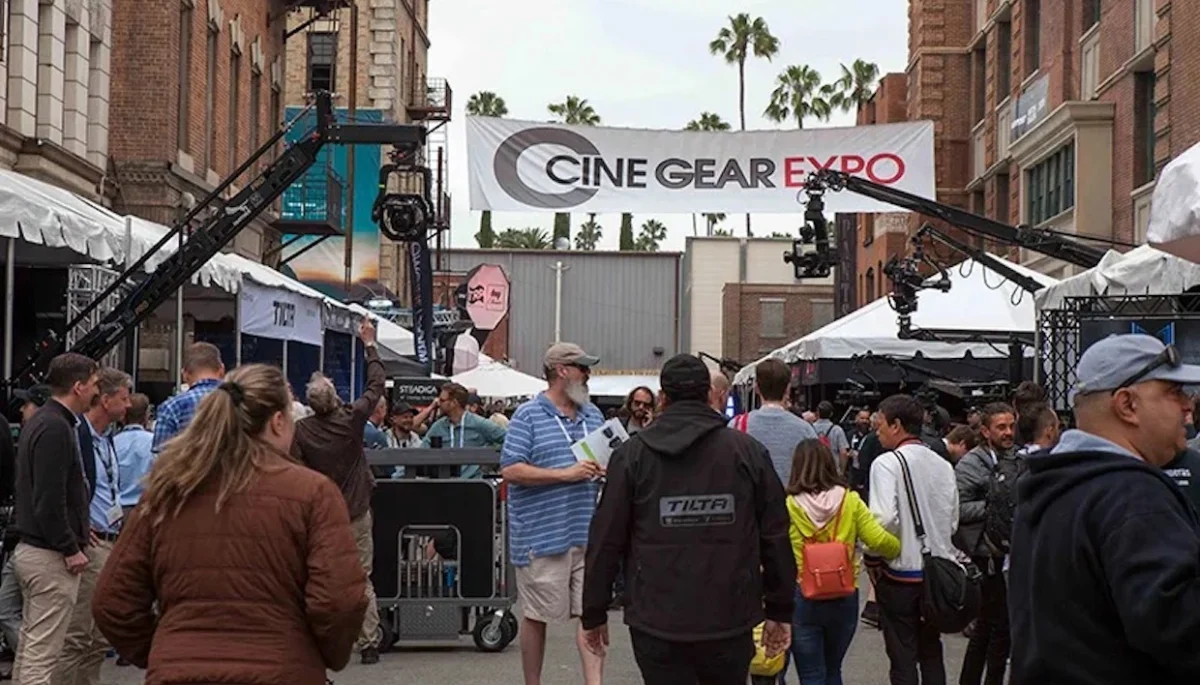
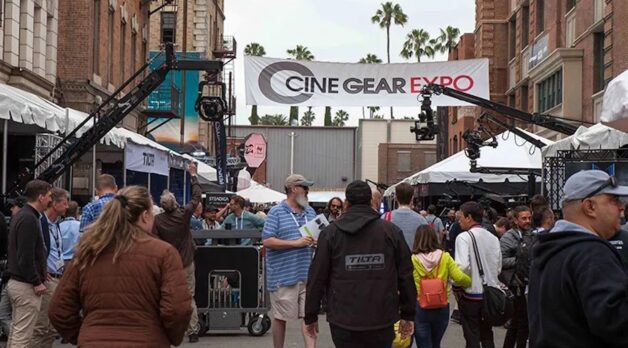
The 2026 edition of the Cine Gear Expo transitioned to the historic Universal Studios Lot, marking a significant chapter for an event that has long served as the premier gathering for the Hollywood technical community. Unlike the National Association of Broadcasters (NAB) Show in Las Vegas, which often reflects the industry’s broader pivot toward streaming, broadcast, and diverse video growth sectors, Cine Gear remains steadfastly focused on the art and craft of cinematography. This year’s expo, held over a two-day period in early June, provided a stark contrast to the existential anxieties currently facing the theatrical industry, offering instead an optimistic environment where veteran gaffers, cinematographers, and emerging film students converged to explore the latest advancements in lighting, optics, and camera technology.
Historical Context and Venue Transition
The relocation of Cine Gear to the Universal Studios Lot followed several years of residency at the Warner Bros. Lot. While the previous venue offered a certain aesthetic charm—often compared to the surreal backlot sequences in films like Knight of Cups—the Universal layout presented new logistical dynamics for the 2026 event. The expo was divided between the seminar areas and the backlot, where the majority of vendors were housed under large-scale tents.
The logistics of the Universal Lot required a shuttle system to transport attendees between the buzzy panel discussions and the equipment exhibits. Despite the cumbersome nature of navigating a working studio lot in the Southern California sun, the event maintained its reputation as a "boutique" trade show. Industry analysts noted that the attendance figures for 2026 reflected a growing demographic of younger filmmakers, likely influenced by the viral success of independent digital projects such as Obsession and The Backrooms. This influx of "undergrad-adjacent" attendees on the first day gave way to a more seasoned, union-carrying professional crowd on the second day, highlighting the expo’s dual role as both an educational platform and a professional marketplace.
The Dialogue with ASC Cinematographers
A perennial highlight of Cine Gear is the American Society of Cinematographers (ASC) panel, which in 2026 featured a prestigious roster of 15 members. The panel included industry luminaries such as Jeff Cronenweth (The Girl with the Dragon Tattoo), Rachel Morrison (Black Panther), Karl Walter Lindenlaub (Independence Day), and Natasha Braier (I Love Boosters). The session opened with a retrospective montage celebrating over a century of the ASC’s contributions to global cinema, featuring iconic imagery from films like John Toll’s The Thin Red Line.
While the sheer number of panelists limited the depth of individual technical breakdowns, the session provided valuable insights into the psychological and physical aspects of the craft. Steven Fierberg (Secretary) discussed the concept of "body consciousness," emphasizing the intuitive nature of camera placement and movement. Natasha Braier offered a unique perspective on how her upbringing under a military dictatorship in Argentina informed her use of visual subtext and shadow. These discussions underscored a recurring theme of the 2026 expo: that despite the rapid acceleration of technology, the fundamental human element of visual storytelling remains the primary driver of the industry.
Advancements in LED Lighting and Control Systems
The lighting sector at Cine Gear 2026 showcased the most rapid technological evolution within the production space. Traditionally, the industry moved at a measured pace, transitioning from tungsten to HMI and eventually to fluorescent lighting over several decades. However, the current LED era has introduced a cycle of annual updates to chipsets and attachments.
Representatives from Canary Yellow, a boutique rental house operated by Local 728 gaffers Drew Moe and Jeffrey Taylor, highlighted the importance of staying abreast of these changes. A major point of interest was Aputure’s proprietary Blair CG color engine, which has set a new standard for color accuracy and light quality in LED fixtures.
Furthermore, the integration of software into the lighting workflow reached a new milestone with the demonstration of V3 of the Blackout Lighting Console. Presented by Ian Peterson, this update represents a shift from purely numerical control to visual control components. By allowing gaffers and lighting programmers to manage complex commands via an intuitive iPad interface, the software aims to bridge the gap between technical precision and creative fluidity. Industry experts suggest that the adoption of such tactile, software-driven interfaces is essential as sets become increasingly complex with the rise of virtual production and high-output LED arrays.
The Hybridization of Film and Digital: The Cinelux Sixteen
Perhaps the most discussed hardware reveal at the expo was the Cinelux Sixteen, a 16mm film camera developed by Cinelux Cinema Tools. In an era dominated by digital sensors, the Cinelux Sixteen represents a rare investment in new film-based hardware. Chief engineer Caz Voorhees described the camera as the first of its kind designed to shoot film and digital proxies simultaneously.
The technical specifications of the Cinelux Sixteen prototype include:
- Digital Capture: 3.2k resolution recorded to an SD card.
- Workflow Integration: Automatic application of film-emulation LUTs to digital proxies to match the film stock’s aesthetic.
- Sensor: Utilization of a Sony sensor for the digital component.
- Open Source Philosophy: Plans to make the magazine design open-source, allowing users to 3D-print components in the field.
The development of the camera has faced significant hurdles, particularly regarding the film magazine. Moving physical film within a confined space with zero friction remains a complex mechanical challenge. The team expects at least two more iterations before a commercial release in mid-2027. The Cinelux Sixteen is positioned as a solution for directors who prefer the texture of film but face pressure from producers concerned about the speed and cost of dailies processing.
The Resurgence of Vintage Optics and Rehousing Services
The 2026 expo also highlighted a booming market for "rehoused" vintage glass. Zero Optik, a leader in this niche, demonstrated its work in converting historical photography lenses into cinema-ready tools. Operations manager Alex Baxter noted that the digital revolution has breathed new life into lenses that were previously unusable on film cameras due to mirror shutter interference.
A significant project showcased was the restoration of the Todd-AO 65mm prime lenses for the ASC. Originally used on mid-century classics like The Sound of Music and Oklahoma!, these lenses were rediscovered in the ASC archives. Zero Optik worked closely with cinematographer Greig Fraser (Dune: Part Two) to ensure a consistent look across the set. These lenses are now available exclusively through Keslow Camera, representing a trend where the highest-budget productions are looking backward to find a unique visual identity in an increasingly sharp digital world.
Anamorphic Innovation: Atlas Lens Co.
Atlas Lens Co. continued to expand its footprint in the anamorphic market, a sector once reserved for the most elite productions. Cofounder Dan Kanes, who transitioned from a technical background to lens manufacturing, introduced the Kaizen Series Anamorphic lenses. These are designed specifically for the latest generation of large-sensor cameras, such as the Fujifilm GFX Eterna 55 and the Arri Alexa 265.
The Kaizen series follows the success of the Orion and Mercury lines. Kanes noted that while the Orion line offers a vintage 1970s aesthetic, the Kaizen series addresses the "high field curvature" often found in older anamorphic lenses. By maintaining a parallel field curvature, the lenses allow for multiple subjects to remain in focus across the frame, a technical feat that provides directors with more blocking flexibility in the anamorphic format.
Industry Impact and the Future of Cinematography
The 2026 Cine Gear Expo served as a barometer for an industry in flux. The data gathered from the event suggests several key trends:
- The Democratization of High-End Gear: Companies like Atlas and Aputure are providing tools that rival legacy brands at a fraction of the cost, empowering independent filmmakers.
- Hybrid Workflows: The Cinelux Sixteen and the prevalence of digital-to-film workflows indicate that the "film vs. digital" debate has evolved into a "film plus digital" reality.
- Software Centralization: The reliance on iPad-based control systems for lighting and camera settings is becoming the industry standard, necessitating a new set of skills for below-the-line crew members.
The event concluded with a seminar featuring M. David Mullen, whose pedagogic approach to explaining complex tracking shots from The Marvelous Mrs. Maisel exemplified the expo’s educational mission. The final gathering at the ASC Clubhouse barbecue reinforced the sense of community that distinguishes Cine Gear from more corporate trade shows.
As the industry looks toward 2027, the innovations presented at Universal Studios suggest a future where the boundaries between vintage aesthetics and cutting-edge technology are increasingly blurred. Cine Gear 2026 proved that despite the challenges of the modern media landscape, the technical community in Hollywood remains committed to the pursuit of visual excellence through both innovation and the preservation of cinematic heritage.