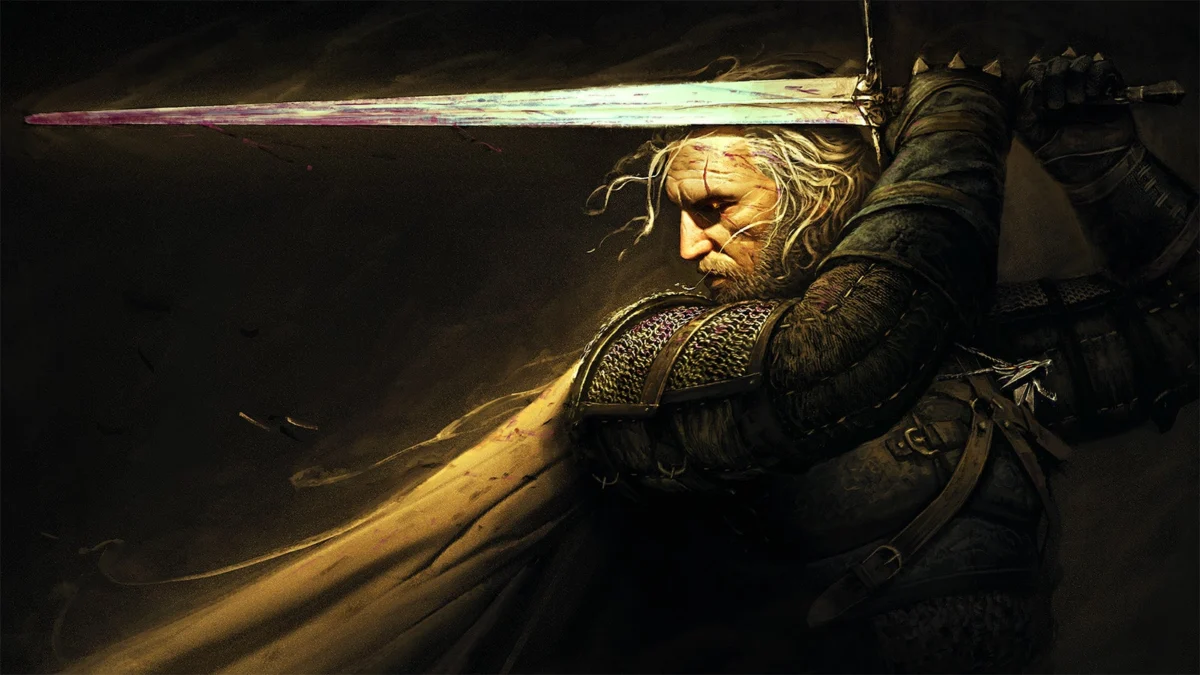
CD Projekt Red, the Polish game development powerhouse behind the critically acclaimed Witcher franchise and Cyberpunk 2077, has officially announced a significant shift in its production timeline, pushing the release of the highly anticipated Witcher 3: Wild Hunt expansion, Songs of the Past, to 2027. The announcement, made during a comprehensive financial earnings call, confirms that while the studio had initially targeted a 2025 release window, a strategic decision was made to extend development to ensure the content meets the high expectations of its global fan base. This move highlights a broader trend within the studio to prioritize long-term brand health and technical polish over immediate release cycles, a lesson likely reinforced by the complex launch history of previous titles.
During the earnings call, CD Projekt Red Joint CEO Michał Nowakowski provided transparency regarding the internal decision-making process. He revealed that the development team and executive leadership reached a consensus that a 2027 launch was necessary to achieve "the best possible result from the consumer standpoint." Nowakowski emphasized that in the current competitive landscape of high-budget role-playing games (RPGs), the quality of the final product is the primary metric for success. This sentiment was echoed by Chief Financial Officer Piotr Nielubowicz, who disclosed that Songs of the Past is being co-developed by Fool’s Theory, a studio staffed by several veterans of the original Witcher trilogy.
The Scope and Narrative Significance of Songs of the Past
One of the most pressing questions from analysts and investors during the call concerned the scale of the upcoming expansion. Songs of the Past is not intended to be a minor piece of downloadable content (DLC) but rather a "proper big expansion." Nowakowski compared its scope to Blood and Wine, the 2016 expansion that added over 30 hours of gameplay and an entirely new region, Toussaint, to the base game. While he noted that gameplay length is inherently subjective and dependent on individual player styles, the internal benchmark for the project remains the massive, award-winning expansions that defined the original post-launch support for The Witcher 3.
Narratively, Songs of the Past holds a unique position in the franchise’s chronology. Although it is set within the framework of The Witcher 3 and stars the iconic protagonist Geralt of Rivia, Nowakowski described it as a "prologue" to the next mainline entry, currently known as Project Polaris or The Witcher 4. He clarified that while it is not a literal prologue in a verbatim narrative sense, it serves as a conceptual and atmospheric bridge between the current era of the franchise and the upcoming Unreal Engine 5-powered saga. This strategy appears designed to reignite interest in the Witcher universe and maintain "chatter" around the brand as the studio transitions to its next generation of technology and storytelling.
Strategic Realignment: The Three-Game Six-Year Plan
The delay of Songs of the Past is inextricably linked to CD Projekt Red’s unprecedentedly ambitious development roadmap. The studio has committed to releasing a new Witcher trilogy within a six-year window, starting from the launch of Project Polaris. This rapid-fire release schedule represents a fundamental shift in how the studio operates. To facilitate this, Nowakowski suggested that the studio might move away from the traditional model of releasing post-launch expansions for the new trilogy.
"The plans are pretty ambitious," Nowakowski stated, noting that adding large-scale expansions to the upcoming trilogy while maintaining a three-game-per-six-year pace would be technically and logistically difficult. This indicates that Songs of the Past may be the final traditional "mega-expansion" for the franchise, as the studio shifts its resources toward consistent mainline releases. By focusing on a continuous stream of full titles rather than long-tail expansion support for a single game, CD Projekt Red aims to keep the franchise at the forefront of the industry without the years-long gaps that characterized the decade following the release of The Witcher 3 in 2015.
Technical Evolution and Hardware Requirements
The announcement of Songs of the Past has also brought about a necessary update to the technical requirements for The Witcher 3. Despite the game approaching its 12th anniversary by the time the expansion arrives in 2027, CD Projekt Red has revealed that minimum PC requirements will be raised. This change is attributed to the integration of more advanced assets and potentially the back-porting of certain technologies developed for the studio’s newer projects.
The expansion is expected to leverage the technical lessons learned during the development of the "Next-Gen Update" for The Witcher 3, which introduced ray tracing, improved textures, and faster loading times. However, by 2027, the baseline for "modern" gaming hardware will have shifted significantly. The studio’s decision to raise requirements ensures that Songs of the Past can maintain visual parity with contemporary titles while serving as a showcase for the studio’s enduring mastery of the REDengine, even as they transition future projects to Unreal Engine 5.
Collaboration with Fool’s Theory and External Partners
A critical component of the expansion’s development is the involvement of Fool’s Theory. Based in Bielsko-Biała, Poland, Fool’s Theory has established a reputation for expertise in the RPG genre, having worked on titles like Seven: The Days Long Gone and contributed to Larian Studios’ Baldur’s Gate 3. Perhaps most significantly, Fool’s Theory is also leading the development of the remake of the original 2007 Witcher game.
This partnership allows CD Projekt Red to manage multiple massive projects simultaneously. By delegating a significant portion of the production of Songs of the Past to a trusted partner, the core internal teams at CD Projekt Red can remain focused on Project Polaris and the sequel to Cyberpunk 2077 (Project Orion). This distributed development model is a cornerstone of the studio’s strategy to avoid the bottlenecks that have previously delayed their production pipelines.
Gamescom and Marketing Strategy
Despite the 2027 release date, CD Projekt Red intends to begin the marketing rollout for Songs of the Past as early as late summer 2025. The studio has confirmed a presence at Gamescom, where they will present a "guided demo" rather than a hands-on experience. Nowakowski explained that for a large-scale RPG, short hands-on sessions often fail to convey the depth and atmosphere of the world. Instead, the studio will follow the marketing template used for Cyberpunk 2077 and The Witcher 3, utilizing deep-dive presentations to showcase narrative choices, combat mechanics, and world-building.

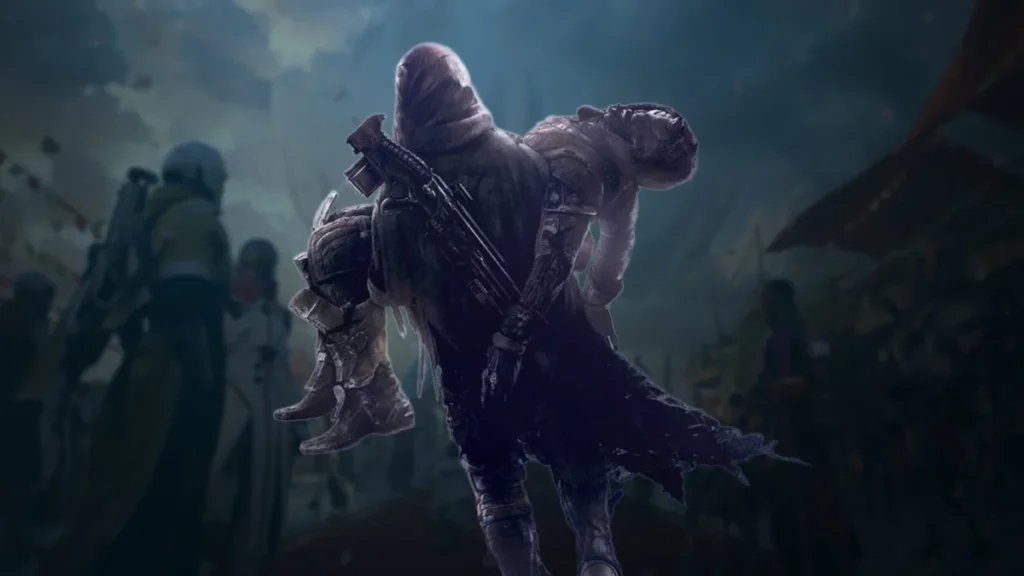
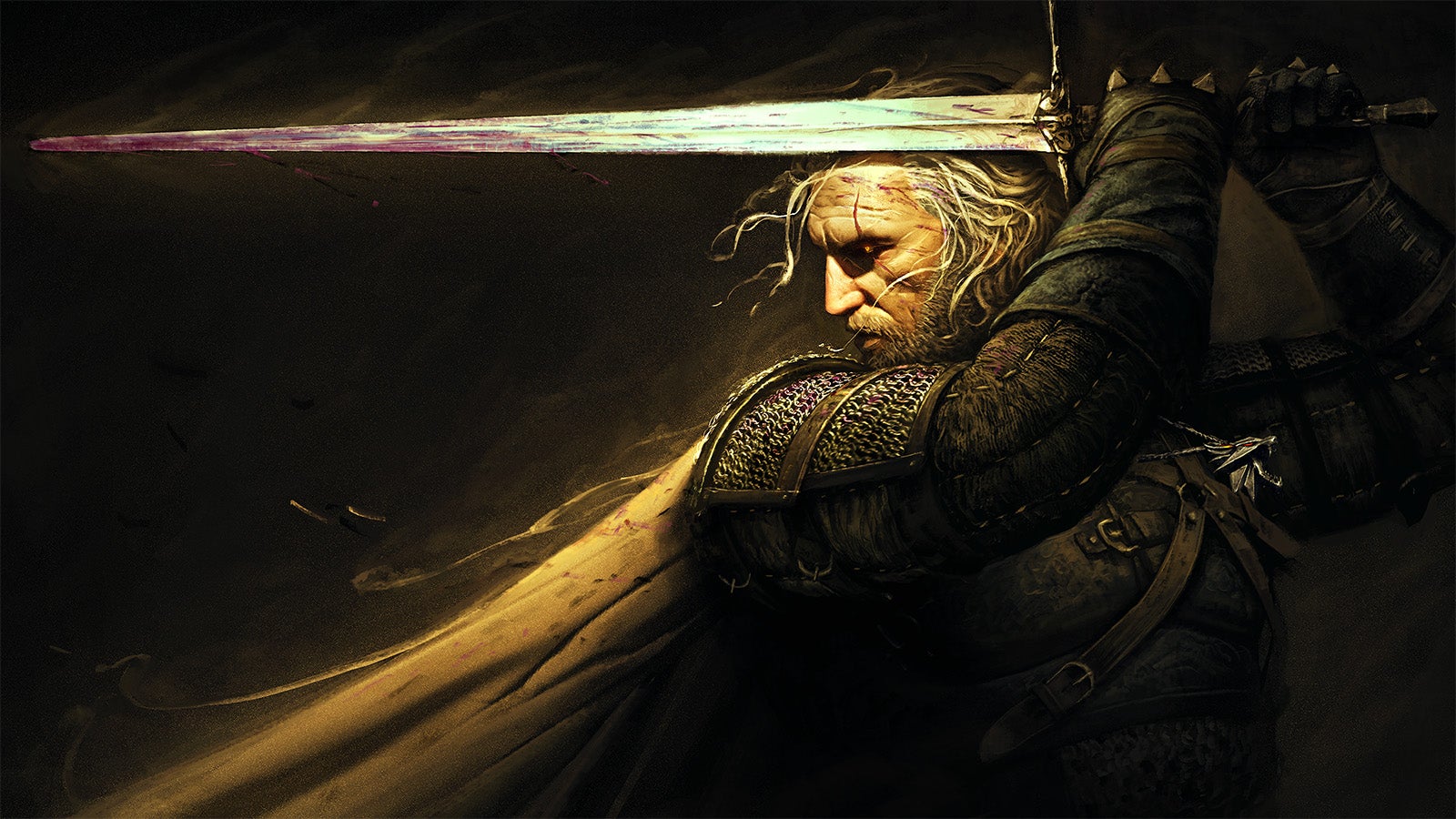
This early showcase is intended to reassure the community that development is in an advanced stage. While the release is several years away, the studio wants to demonstrate the tangible progress made on the project, particularly regarding the return to Geralt’s story. The choice of artwork for the expansion—featuring Geralt unsheathing a specific, much-discussed sword—has already sparked intense speculation among the fan base, suggesting that the studio’s goal of maintaining "chatter" is already succeeding.
Immediate Outlook: Unannounced Projects in 2025
While the major expansion is delayed, CD Projekt Red confirmed that fans will not be left without new content in the short term. CFO Piotr Nielubowicz alluded to "other content at an advanced production phase" that is scheduled for release within the current year. While these projects are not on the same scale as Songs of the Past, they are intended to provide ongoing engagement for the community. These may include smaller DLCs, quest packs, or technical updates that bridge the gap until the larger expansion and the next mainline game arrive.
Analysis of Implications for the RPG Market
The decision to delay Songs of the Past reflects the evolving reality of "AAA" game development. In an era where development budgets can exceed $200 million and production cycles often span five to seven years, the risk of releasing an unpolished product is greater than the risk of a delay. CD Projekt Red’s stock market performance and reputation are heavily tied to the quality of the Witcher IP. By positioning Songs of the Past as a 2027 release, the studio is effectively turning a legacy title into a live-service-adjacent platform that remains relevant for over a decade.
Furthermore, by labeling the expansion as a "prologue" to The Witcher 4, the studio is employing a sophisticated narrative strategy to ensure that the transition between engine technologies and protagonists is seamless for the audience. As the industry watches CD Projekt Red’s attempt to release three massive RPGs in six years, Songs of the Past will serve as the ultimate litmus test for whether the studio can balance its historical commitment to depth and detail with its new, aggressive pursuit of efficiency and scale.
The Witcher 3: Wild Hunt has already sold over 50 million copies, cementing its place as one of the best-selling games of all time. With Songs of the Past, CD Projekt Red is betting that the world’s appetite for Geralt’s adventures remains unsated, even as they prepare to pass the torch to a new generation of witchers. The road to 2027 is long, but for the studio, the "best possible result" is the only outcome that justifies the wait.