

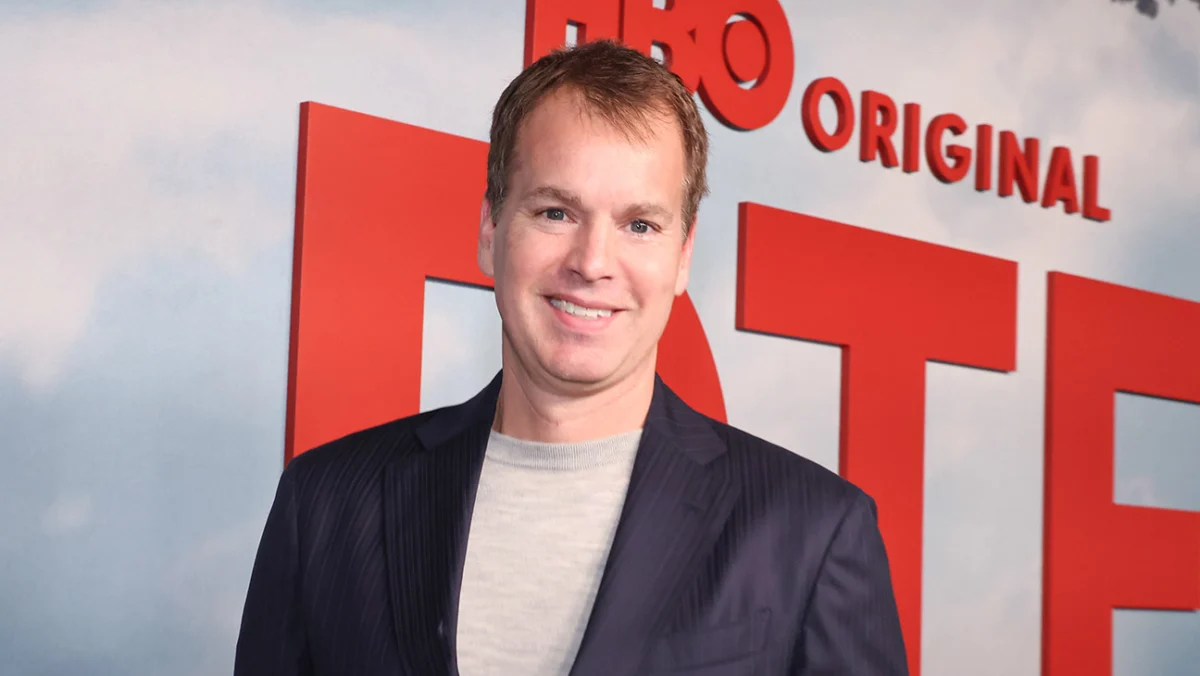
With the highly anticipated merger between Warner Bros. Discovery and Paramount Skydance slated to finalize on October 6, the industry is bracing for a tectonic shift in the media landscape. At the center of the transition is HBO Chairman and CEO Casey Bloys, whose name has frequently surfaced as the presumptive leader for the combined entity’s integrated streaming operations. Despite widespread speculation and the recent departure of high-ranking executive Cindy Holland—formerly the head of Paramount+ and Pluto TV—Bloys has maintained a posture of diplomatic restraint, repeatedly deferring to incoming leadership to announce the future corporate structure.
The Looming Transition and Leadership Vacuum
The departure of Cindy Holland has been widely interpreted by industry analysts as a strategic move to streamline management hierarchies ahead of the merger. With Bloys currently under contract with Warner Bros. Discovery for another year, his potential elevation to a broader, unified streaming role is viewed as a logical progression for a company looking to consolidate its digital footprint. However, during a media appearance on Thursday, Bloys was careful to emphasize that the deal has not yet closed, asserting that any announcements regarding the new organizational chart must come directly from David Ellison and his team at Skydance.
"Obviously there was news this week, and obviously there’s news across the board," Bloys stated. "I will say that the merger is not closed. I believe that David and the team want to announce their leadership structure—it’s not mine to announce, so I don’t have any news for you to confirm."
The administrative shuffle arrives at a critical juncture for both companies. As the streaming wars enter a phase of consolidation rather than expansion, the integration of massive content libraries requires a delicate balance between maintaining the prestige brand identity of HBO and the expansive, populist reach of Paramount+.
A Chronology of the Megamerger
The path to this consolidation has been paved with months of regulatory scrutiny and high-stakes negotiation. The sequence of events leading to the October 6 deadline highlights the urgency within the industry to achieve scale in an increasingly fragmented digital market.
- Early 2024: Initial reports circulate regarding potential interest in a strategic partnership or merger involving Paramount Global.
- Summer 2024: Negotiations intensify between Warner Bros. Discovery and Skydance Media, with regulatory bodies monitoring the potential impact on market competition.
- September 2024: The deal receives necessary approvals, clearing the path for a formal merger. Simultaneously, key leadership changes—including the exit of Cindy Holland—signal the beginning of a corporate overhaul.
- October 6, 2024: The expected date for the finalization of the merger, which will see Ynon Kreiz, CEO of Mattel, join the board as a key player in the combined leadership structure.
Market Dynamics and Streaming Strategy
The central question facing the new entity is how to handle the overlap between HBO Max and Paramount+. When questioned about a potential merger of these platforms, Bloys avoided confirming a full-scale integration, instead pointing toward the success of collaborative models.
"I would say that I don’t want to comment on what is going to happen or anything like that, but I would point to the HBO Max-Disney bundle, which has been very successful," Bloys noted. When pressed on whether a similar bundle or combined service might be in the works, he acknowledged that such a strategy would "make a lot of sense."
This approach reflects a broader industry trend toward "super-bundling." As consumer churn rates increase and the cost of maintaining multiple individual subscriptions rises, providers are finding that partnerships—like the existing collaboration between Disney+ and Max—are more effective at retaining subscribers than attempting to force a singular, monolithic platform upon a diverse audience.
The Prestige Brand Paradox
One of the primary concerns for stakeholders is whether the unique cultural cachet of HBO—the network behind "The Sopranos," "Succession," and "Game of Thrones"—will be diluted by the influence of a larger corporate parent. Bloys, however, expressed confidence that the new owners understand the value of the brand’s legacy.
"I’ve had conversations with David, and he is very, very excited, very respectful of what the HBO team has done—not just in my tenure—but the entire history of HBO," Bloys said. He emphasized that throughout the network’s various ownership changes over the decades, the fundamental mandate has remained consistent: a focus on high-quality, prestige content that defines the cultural zeitgeist.
By maintaining a firewall between corporate consolidation and creative output, Bloys suggests that the "best brand in prestige TV" is likely to remain insulated from the more aggressive cost-cutting measures that often follow such large-scale mergers.
Implications for the Media Landscape
The merger of Warner Bros. Discovery and Paramount Skydance represents one of the most significant consolidations in recent entertainment history. The implications are far-reaching, affecting everything from production budgets and talent retention to licensing agreements and global distribution rights.
- Content Consolidation: The combined library will boast an unparalleled depth of intellectual property, ranging from DC Comics and the Harry Potter franchise to the extensive Paramount film catalog and Star Trek universe.
- Operational Efficiency: By merging streaming tech stacks, the new company expects to reduce overhead costs, a move that is essential for achieving profitability in the high-burn environment of streaming media.
- Market Power: With a larger share of the audience, the combined entity will possess greater leverage in negotiations with cable providers, advertisers, and international regulators.
- Talent Management: The departure of executives like Cindy Holland suggests that the "new" company will be looking for a streamlined approach to content development, prioritizing internal efficiency over the siloed structures of the past.
Analytical Perspective
Industry analysts suggest that the incoming leadership team, spearheaded by David Ellison and Ynon Kreiz, will likely prioritize a "content-first" strategy. Unlike previous eras of media consolidation that focused primarily on asset acquisition, this merger appears to be focused on operational synergy. By keeping Bloys in the loop—if not explicitly confirming his new title—the company is signaling a desire for stability.
The success of this merger will ultimately be measured by its ability to integrate the vast, disparate catalogs of two media giants without alienating the core subscriber bases of either platform. If the "bundle" model hinted at by Bloys becomes the primary strategy, the focus will shift from building one massive app to creating an ecosystem of content that is easily accessible and competitively priced.
As October 6 approaches, the focus remains on the logistical challenge of merging two distinct corporate cultures. While Bloys remains the face of HBO’s stability, the market is waiting for the definitive word on the roadmap for 2025 and beyond. For now, the message from the top is clear: the history of HBO is a protected asset, and the future, while uncertain, is being approached with a strategy of careful, measured integration. Whether this will lead to a new golden age of streaming or a challenging period of restructuring remains the defining question for the industry in the final quarter of the year.