

The Walt Disney Company’s broadcast subsidiary, ABC, has officially filed a First Amendment lawsuit against the Federal Communications Commission (FCC) in the U.S. District Court for the District of Columbia. The litigation marks a significant escalation in the ongoing friction between the media giant and the federal regulatory body. At the heart of the dispute is a series of regulatory actions initiated by the FCC, which Disney characterizes as a coordinated, politically motivated campaign of intimidation designed to penalize the network for its editorial content and critical coverage of President Donald Trump.
The lawsuit seeks an immediate injunction to halt the FCC’s early renewal proceedings for ABC’s broadcast licenses. Disney contends that the commission has weaponized its licensing authority—a process typically administrative and routine in nature—to exert pressure on a media organization whose programming, including late-night monologues and daytime commentary on "The View," has frequently drawn the ire of the current administration.
A Chronology of Escalating Regulatory Pressure
The tension between Disney and the FCC did not emerge in a vacuum. The timeline of this confrontation reveals a pattern of administrative scrutiny that began shortly after the change in executive leadership at the FCC.
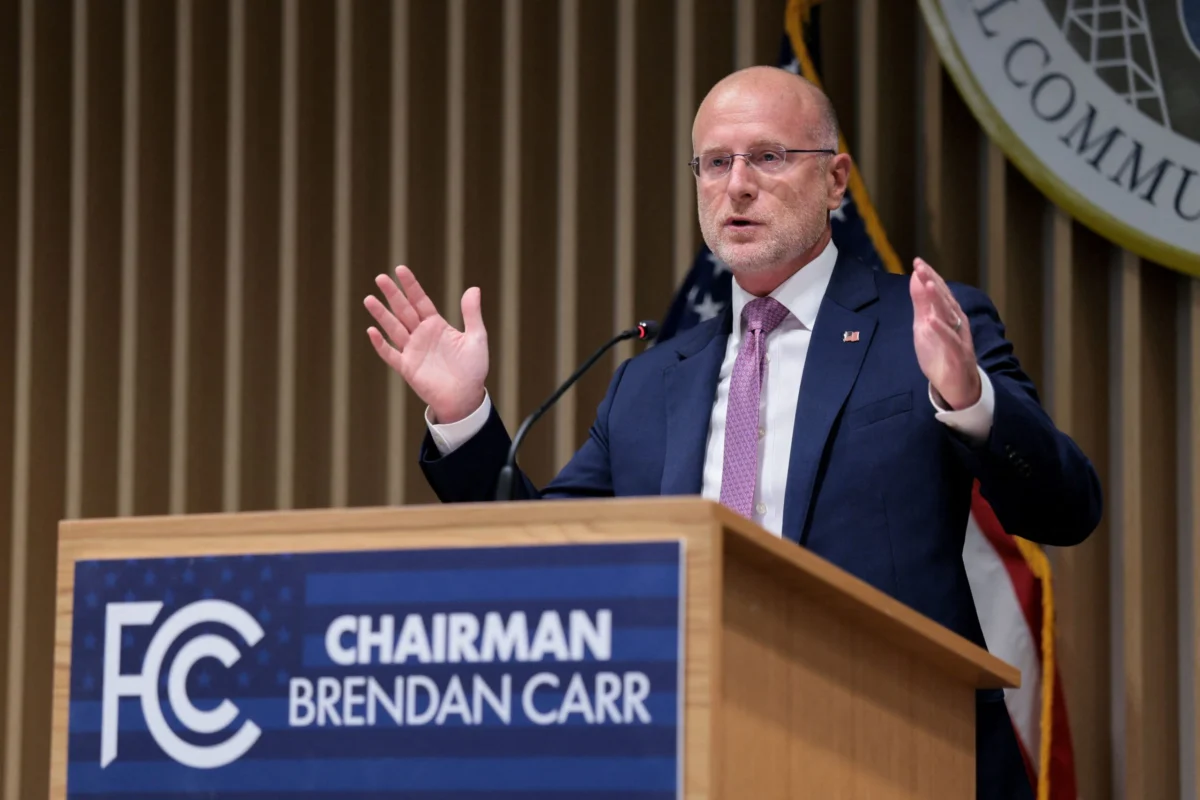
- November 2024: President Donald Trump appoints Brendan Carr to lead the Federal Communications Commission. Carr, known for his rigorous approach to media regulation, takes the helm with a mandate to address what the administration views as systemic bias and ideological overreach in the broadcasting sector.
- Early 2026: The FCC begins an intensive review of Disney’s broadcast station holdings, citing potential violations of the Communications Act of 1934, specifically regarding prohibitions against unlawful discrimination in the context of Diversity, Equity, and Inclusion (DEI) initiatives.
- April 2026: The agency officially launches an early review of ABC’s broadcast licenses, a move that surprises industry analysts as these licenses were not scheduled for renewal for several years. The timing coincides with heightened political commentary on ABC programs.
- May 2026: ABC files formal responses to the FCC, submitting renewal applications "under protest." The network characterizes the commission’s orders as unlawful, arbitrary, and an unconstitutional infringement on its editorial independence.
- August 2026: Following months of escalating rhetoric and administrative subpoenas, ABC formally moves to litigate, filing its complaint in federal court.
The Core of the Legal Dispute
ABC’s complaint rests on the premise that the FCC is exceeding its statutory authority by leveraging license renewals to influence content. Under the First Amendment, the government is strictly limited in its ability to regulate speech, particularly when that regulation is perceived as viewpoint-based discrimination.
The network argues that the FCC’s focus on its DEI practices is a pretextual smokescreen. By targeting these internal corporate policies, the commission is, according to the lawsuit, creating a chilling effect that discourages journalists and hosts from exercising their editorial discretion. The legal filing highlights "irreparable harm," noting that the ongoing threat of license revocation poses an existential risk to the business and interferes with the network’s ability to operate as a free press entity.
FCC Position and Agency Defense
Chairman Brendan Carr and the FCC leadership maintain that their actions are grounded in the agency’s mandate to ensure that broadcast licensees operate in the public interest. The FCC’s official stance, articulated in a statement following the lawsuit’s filing, frames the agency’s conduct as a standard regulatory investigation into corporate compliance.
"Disney is obviously very concerned about the FCC’s proceeding, as evidenced by their ongoing campaign of disinformation as well as their decision to ask a court to stop the FCC from further pursuing matters," an FCC spokesperson stated. The agency reiterated its commitment to following the facts and the law, suggesting that the focus remains on whether the company’s internal hiring and operational policies violate federal statutes.
Carr has previously told reporters that the license renewal process is independent of the content aired on ABC, focusing instead on the company’s adherence to federal rules regarding non-discrimination. However, critics of the commission argue that by linking license security to corporate diversity policies, the FCC is effectively forcing media companies to conform to a specific ideological framework under threat of losing their broadcasting privileges.
Internal Leadership Shifts at Disney
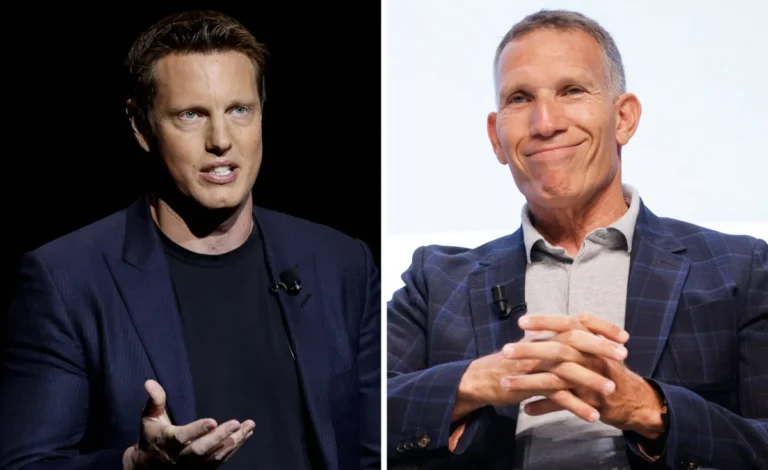
The litigation occurs during a period of transition within the highest echelons of The Walt Disney Company. Josh D’Amaro, who assumed the role of CEO in March 2026, has adopted a defiant posture against the regulatory pressure. D’Amaro has emphasized that the company’s commitment to its editorial independence is non-negotiable, telling stakeholders that Disney will not be coerced into altering its business operations to satisfy political demands.
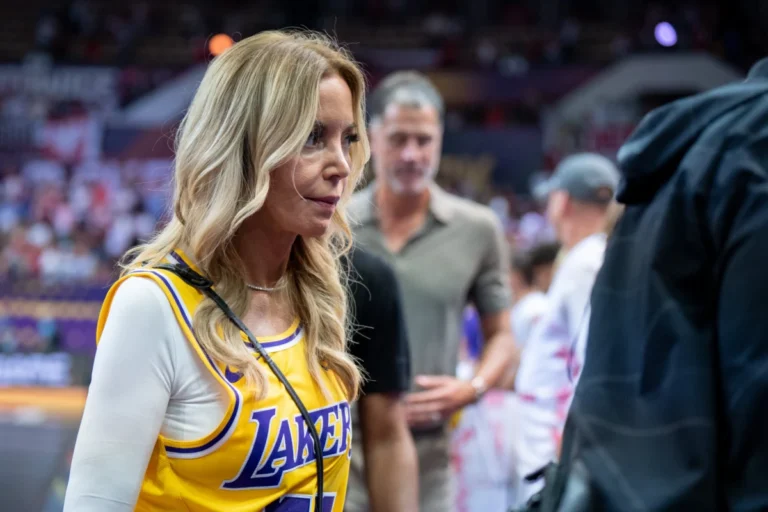
The transition from former CEO Bob Iger to D’Amaro has been marked by a shift in corporate strategy. While Iger remains a significant figure in the business landscape—recently making headlines for his involvement in the purchase of the Los Angeles Lakers alongside Joshua Kushner—the current executive team is focused on navigating the regulatory crosswinds while maintaining the company’s market share in an increasingly fragmented media environment.
Dissent Within the Commission
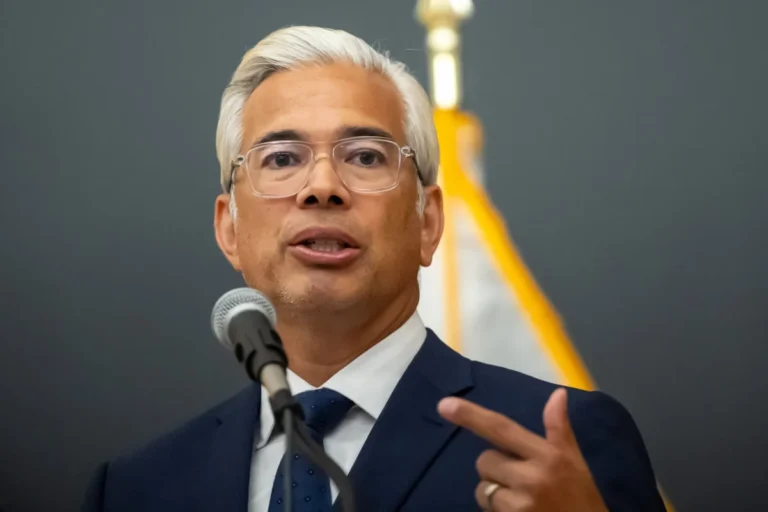
The controversy has also created a divide within the FCC itself. Commissioner Anna Gomez, the sole Democrat on the commission, has emerged as a vocal critic of the agency’s current direction. In a rare public rebuke of her own agency’s leadership, Gomez issued a statement supporting the lawsuit and condemning the current regulatory environment.
"For months, the FCC has waged a campaign of censorship and control against Disney’s ABC stations," Gomez said. She characterized the threat of license revocation as a tool of "government intimidation" and lauded Disney for taking the step to challenge the agency in court. Her dissent provides a significant legal and political hook for Disney’s attorneys, who may use her remarks to bolster the argument that the commission’s actions are outside the bounds of traditional regulatory behavior.
Broader Implications for the Media Industry
The outcome of this case could have profound implications for the future of media regulation in the United States. If the court finds in favor of the FCC, it could establish a precedent where regulators have broader latitude to link corporate governance policies—such as DEI initiatives—to the renewal of broadcast licenses. This would effectively grant the executive branch a powerful lever to influence the corporate culture and, by extension, the editorial tenor of major media networks.
Conversely, a ruling in favor of ABC would reinforce the protections afforded to media companies under the First Amendment, limiting the ability of federal agencies to use administrative processes as a means of political retribution.
Industry analysts are monitoring the case closely, noting that the outcome may dictate how broadcast networks approach political reporting in the future. With the rise of digital media and the waning influence of traditional broadcast, the FCC’s regulatory framework, established in the 1930s, is already under strain. This litigation may force a long-overdue judicial clarification on the extent to which the government can monitor the internal affairs of media conglomerates.
As the case moves through the U.S. District Court, the legal arguments will likely focus on the standard of "arbitrary and capricious" agency action. Disney will need to demonstrate that the FCC’s actions are not just aggressive, but specifically designed to chill speech. Meanwhile, the FCC will continue to argue that it is merely performing its duty to oversee the public airwaves.
For the time being, the standoff between the regulatory establishment and one of the world’s largest media entities remains a focal point of national debate regarding the limits of executive power and the autonomy of the American press. As the proceedings advance, both parties appear entrenched, suggesting that a resolution—whether through court order or a political pivot—remains on the horizon.