

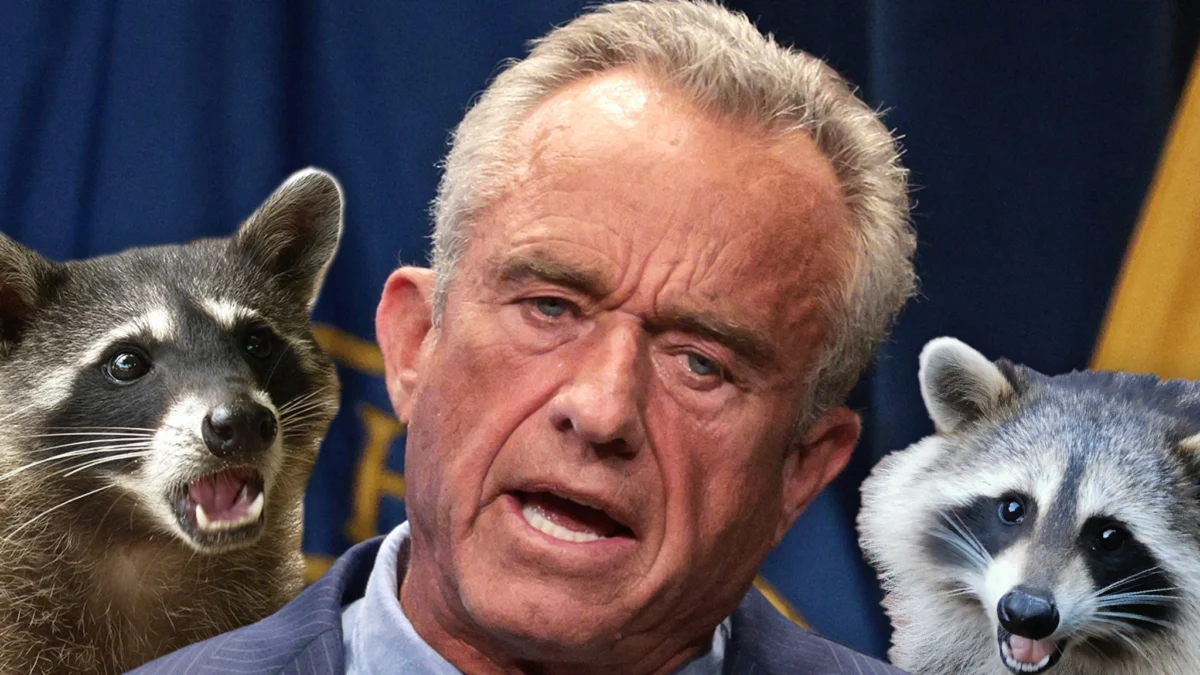
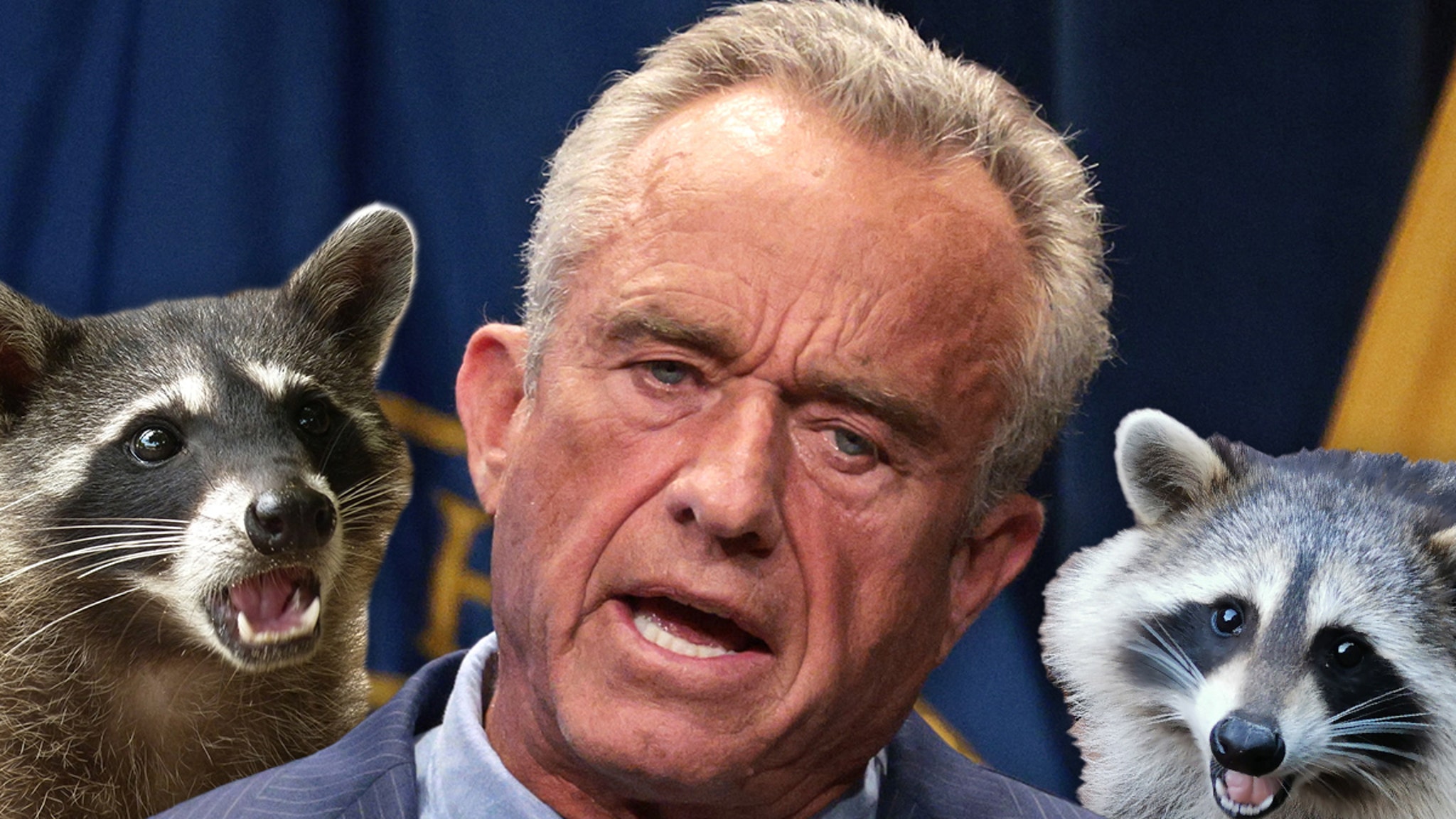
A recently published journal entry from Robert F. Kennedy Jr., detailed in the new biography "RFK Jr.: The Fall and Rise" by Isabel Vincent, has brought to light a peculiar incident involving the environmental advocate and a deceased raccoon. The revelation, dated April 15, 2026, and coinciding with Kennedy’s prominent role as President Trump’s Secretary of Health and Human Services, describes him engaging in a roadside dissection on a major interstate, an act he attributes to both scientific curiosity and a moment of personal reflection on his family’s eccentricities.
The passage, quoted directly from Kennedy’s journal within Vincent’s meticulously researched biography, states: "I was standing in front of my parked car on I-684 cutting the penis out of a road killed raccoon, thinking about how weird some of my family members have turned out to be." This candid admission, surfacing just as Kennedy navigates the demanding landscape of high-level public office, immediately sparked widespread discussion across media platforms and among the public. Further details indicate that Kennedy’s children were present in the vehicle, patiently awaiting their father’s completion of what he described as an act undertaken "for further study." The biography also alludes to other "strange encounters" Kennedy has had with deceased wildlife, including a bear and a whale, suggesting a broader pattern of unconventional engagement with the natural world.
The Revelation and Its Context
The biography, "RFK Jr.: The Fall and Rise," authored by Isabel Vincent, a seasoned investigative journalist known for her incisive profiles, purports to offer an unfiltered glimpse into the life and mind of Robert F. Kennedy Jr. The inclusion of such a personal and unusual journal entry is presented as central to understanding Kennedy’s complex character, bridging his public image as a fierce environmental advocate with his more private, idiosyncratic pursuits. The timing of the biography’s release, coinciding with his appointment to a cabinet-level position, amplifies the scrutiny surrounding its contents.
I-684, the interstate mentioned in the journal entry, is a significant north-south highway in New York, traversing suburban and semi-rural areas where wildlife encounters, including roadkill, are not uncommon. The image of a prominent public figure performing an impromptu dissection on the side of such a thoroughfare, with family members observing, presents a striking juxtaposition against the backdrop of his professional responsibilities and the dignified expectations typically associated with the Kennedy name.
Robert F. Kennedy Jr.’s Public Persona and Environmental Ethos
For decades, Robert F. Kennedy Jr. has been a vocal and influential figure in environmental law and activism. His career is largely defined by his work with organizations like Riverkeeper and the Waterkeeper Alliance, where he has championed clean water initiatives, opposed pollution, and advocated for sustainable practices. His public image is that of a dedicated, often relentless, defender of natural ecosystems, frequently employing scientific data and legal challenges to achieve his goals.
This established persona provides a critical lens through which to interpret the raccoon incident. While Kennedy is known for his hands-on approach to environmental issues, often venturing into polluted waterways or engaging directly with communities affected by ecological damage, the act of dissecting roadkill on a highway for "further study" represents a departure from conventional scientific or activist practices. It raises questions about the nature of his personal scientific inquiry and how it intersects with his broader environmental philosophy. Is it an extreme form of citizen science, a peculiar manifestation of his deep connection to nature, or simply an unusual personal quirk?
The Role of Personal Journals in Public Biographies
The use of personal journals as primary source material in biographies offers unparalleled insight into a subject’s inner life, thoughts, and motivations. However, it also introduces complexities regarding privacy, interpretation, and the biographer’s discretion. Isabel Vincent’s decision to include this particular entry suggests its significance in shaping the narrative of Kennedy’s "fall and rise," implying it reveals something fundamental about his character that might not be evident from his public statements or actions alone.
Journal entries, by their very nature, are often raw, unedited reflections, not intended for public consumption. They can capture moments of vulnerability, fleeting thoughts, or private curiosities that, when exposed, can profoundly alter public perception. The excerpt about the raccoon’s penis, coupled with his reflection on his "weird family members" like Douglas Kennedy and Bobby Shriver, paints a picture of a man wrestling with personal identity and family legacy even amidst unconventional scientific pursuits. This glimpse into his private musings underscores the intricate balance biographers must strike between illuminating truth and respecting personal boundaries, particularly when the subject holds a high-profile public office.
Chronology of the Revelation
While the exact date of the raccoon incident itself remains unconfirmed within the provided excerpt, its public disclosure follows a clear timeline:
- The Incident: Occurred at some point in Kennedy’s past, as recorded in his personal journal.
- Journal Entry: Kennedy documented the event and his reflections in his private journal.
- Biographical Research: Isabel Vincent gained access to Kennedy’s journals during her research for "RFK Jr.: The Fall and Rise."
- Book Publication: "RFK Jr.: The Fall and Rise" was published on April 15, 2026.
- Media Dissemination: News outlets, including TMZ, immediately reported on the sensational revelation from the biography.
- Public Discourse: The incident rapidly became a topic of widespread discussion, amplified by Kennedy’s concurrent role as Secretary of Health and Human Services.
This chronology highlights how private acts, even those from the distant past, can resurface through biographical accounts and achieve significant public prominence, especially when the individual in question occupies a position of considerable influence.
Scientific, Ethical, and Public Health Dimensions of Wildlife Interaction
The act described by Kennedy touches upon several scientific, ethical, and public health considerations relevant to wildlife. Raccoons (Procyon lotor) are common inhabitants of North America, often found in urban and suburban environments, making them frequent victims of road collisions. From a biological perspective, male raccoons, like many mammals, possess a baculum, or penis bone, which is often collected by amateur naturalists or for educational purposes due to its distinctive shape. If Kennedy’s "further study" pertained to examining this anatomical feature, it would align with a certain type of informal biological observation.
However, the manner of the interaction raises concerns. Handling roadkill without proper protective equipment carries inherent risks. Deceased animals can harbor a variety of pathogens, including bacteria, viruses, and parasites, which can be transmitted to humans. Rabies, distemper, parvovirus, and various bacterial infections are known risks associated with handling wild animals, especially those found deceased. Public health guidelines strongly advise against direct contact with roadkill and recommend leaving disposal to trained animal control or sanitation professionals. The presence of children during such an activity further compounds these concerns, underscoring potential safety and public health risks.
Ethically, while curiosity about nature is generally encouraged, the public dissection of an animal on a roadside, regardless of its deceased state, might be viewed differently. Wildlife rehabilitation centers and scientific institutions follow strict protocols for handling animal remains, prioritizing hygiene, respect for the animal, and the collection of data in a controlled environment. Kennedy’s impromptu field dissection, while perhaps driven by a personal urge for understanding, deviates significantly from these established norms. This could spark discussions among bioethicists and wildlife conservationists about the appropriate boundaries for public interaction with deceased wildlife.
RFK Jr.’s Other "Strange Encounters" and a Pattern of Curiosity
The biography’s mention of Kennedy’s "strange encounters with a dead bear and a dead whale" suggests that the raccoon incident is not an isolated event but rather part of a broader, unconventional pattern of engagement with deceased wildlife. While details of these other encounters are not provided in the original excerpt, they invite speculation about Kennedy’s motivations.
- Dead Bear: A bear, particularly a large mammal, presents a significant and potentially dangerous carcass. An encounter might involve observing decomposition, investigating cause of death (if related to human activity or pollution), or simply a profound observation of nature’s cycle. Given Kennedy’s environmental background, such an encounter might stem from an ecological interest, perhaps in understanding wildlife mortality in a specific region or ecosystem.
- Dead Whale: Whales are enormous marine mammals, and their carcasses on shorelines are major environmental events. They can attract scavengers, create unique ecosystems during decomposition, and often become subjects of scientific study to determine cause of death (e.g., ship strike, entanglement, disease, pollution). For an advocate of clean water and marine health, an encounter with a dead whale could be deeply impactful and lead to intense personal investigation or reflection on ocean health.
These additional anecdotes, even without specific details, paint a picture of an individual deeply, if unusually, committed to understanding the natural world through direct, unfiltered observation, even when confronting death and decay. This pattern could be interpreted by some as a testament to his raw scientific curiosity and dedication, while others might view it as further evidence of eccentric behavior.
Political and Public Perception Implications for an HHS Secretary
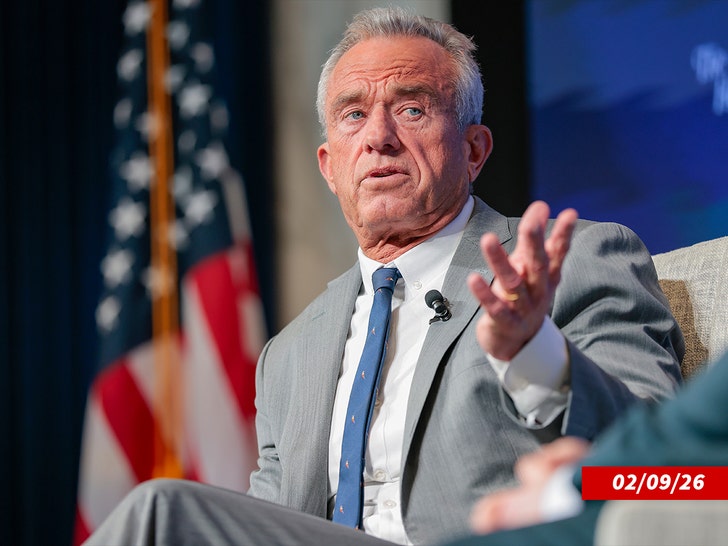
The revelation of the raccoon incident, especially given Robert F. Kennedy Jr.’s current or prospective role as President Trump’s Secretary of Health and Human Services, carries significant political and public perception implications. The HHS Secretary is a critical position, responsible for public health, medical research, and social services, requiring a leader who commands public trust and embodies a sense of gravitas and professionalism.
- Public Trust and Professionalism: The incident, while perhaps intended as a private act of curiosity, might be perceived by some as unprofessional or even bizarre for an individual in such a high-profile public health role. Critics could question his judgment, particularly concerning public health guidelines regarding handling deceased animals and the appropriateness of such an act in front of children.
- Confirmation Hearings: If Kennedy’s appointment to HHS Secretary required Senate confirmation (as is typical for cabinet positions), this journal entry would undoubtedly become a prominent topic of questioning. Senators would likely probe his motivations, his understanding of public health protocols, and how such an incident reflects on his overall suitability for the role.
- Political Weaponization: Political opponents are likely to seize upon the story, using it to cast doubt on Kennedy’s fitness for office, portray him as out of touch, or distract from his policy positions. The unusual nature of the act makes it particularly susceptible to sensationalism and caricature.
- Supporter Response: Kennedy’s supporters, however, might interpret the incident differently. They could frame it as evidence of his authentic, unconventional intellect, his deep connection to the natural world, or simply a private eccentricity being unfairly politicized. They might argue it demonstrates a fearless, hands-on approach to understanding the world, even its darker aspects.
- The "Weird Family" Angle: Kennedy’s own reflection on his "weird family members" – specifically Douglas Kennedy and Bobby Shriver – adds another layer of complexity. This self-awareness, juxtaposed with his own unconventional actions, could be seen as an attempt to contextualize his behavior within a broader family legacy known for both extraordinary public service and occasional personal scandal or eccentricity. This could either humanize him or further solidify an image of peculiar detachment.
Anticipated Reactions and Broader Impact
The publication of "RFK Jr.: The Fall and Rise" and its startling revelations are expected to elicit a broad spectrum of reactions from various stakeholders:
- From Isabel Vincent: The biographer would likely defend the inclusion of the entry as essential to providing a complete and honest portrait of Kennedy, arguing that it offers crucial insight into his character and intellectual curiosity, however unusual.
- From RFK Jr.’s Spokespeople: A strategic response would be anticipated, likely emphasizing Kennedy’s lifelong dedication to environmental science, contextualizing the act as a moment of private, informal study, and perhaps downplaying its relevance to his public health duties. They might highlight his extensive qualifications and policy achievements.
- From Wildlife Experts and Public Health Officials: Concerns about public safety, disease transmission, and the ethical handling of wildlife would likely be voiced. They might use the opportunity to educate the public on proper protocols for encountering deceased animals.
- From Bioethicists: Discussions would likely emerge regarding the intersection of personal curiosity, public duty, and the ethical implications of a public figure’s private actions. The role of biographers in disclosing such intimate details would also be debated.
- From the Public: Social media and traditional news outlets are expected to be abuzz with reactions ranging from shock and amusement to serious criticism and staunch defense. The incident will undoubtedly contribute to the ongoing public discourse surrounding Kennedy’s unconventional political trajectory and his suitability for high office.
In conclusion, the revelation of Robert F. Kennedy Jr.’s roadside dissection of a deceased raccoon, detailed in Isabel Vincent’s new biography, transcends a mere peculiar anecdote. It forces a multifaceted examination of his public persona, his private intellectual pursuits, the ethical considerations of interacting with wildlife, and the profound political implications for an individual serving in a sensitive public health role. As the public continues to digest this striking insight into his character, the incident is poised to shape perceptions of Kennedy for years to come, further complicating the narrative of one of America’s most enigmatic political figures.