The Evolution of the Black Flag Legacy
The original Assassin’s Creed IV: Black Flag, released in 2013, remains a seminal entry in the long-running series. It transitioned the franchise from the rigid urban environments of the American Revolution seen in Assassin’s Creed III to the sprawling, open-world Caribbean during the Golden Age of Piracy. At its center was Edward Kenway, a Welsh privateer-turned-pirate whose journey into the Assassin Brotherhood was defined more by personal gain and survival than ideological fervor. The game was lauded for its seamless naval combat and its introduction of a more relatable, flawed protagonist.
In the decade following its release, Black Flag has maintained a consistent presence in sales charts and player-count metrics, often cited as the pinnacle of the series’ "action-adventure" era before the franchise shifted toward the "RPG-lite" mechanics of Origins, Odyssey, and Valhalla. However, the modern-day meta-narrative of the 2013 original—which placed players in the role of an anonymous Abstergo Entertainment employee—has long been a point of contention among the fanbase. As Ubisoft prepares for the launch of Resynced, the development team at Ubisoft Singapore has addressed these legacy elements head-on, signaling a departure from the traditional modern-day structure.
Defining the Resync Concept and Narrative Shifts
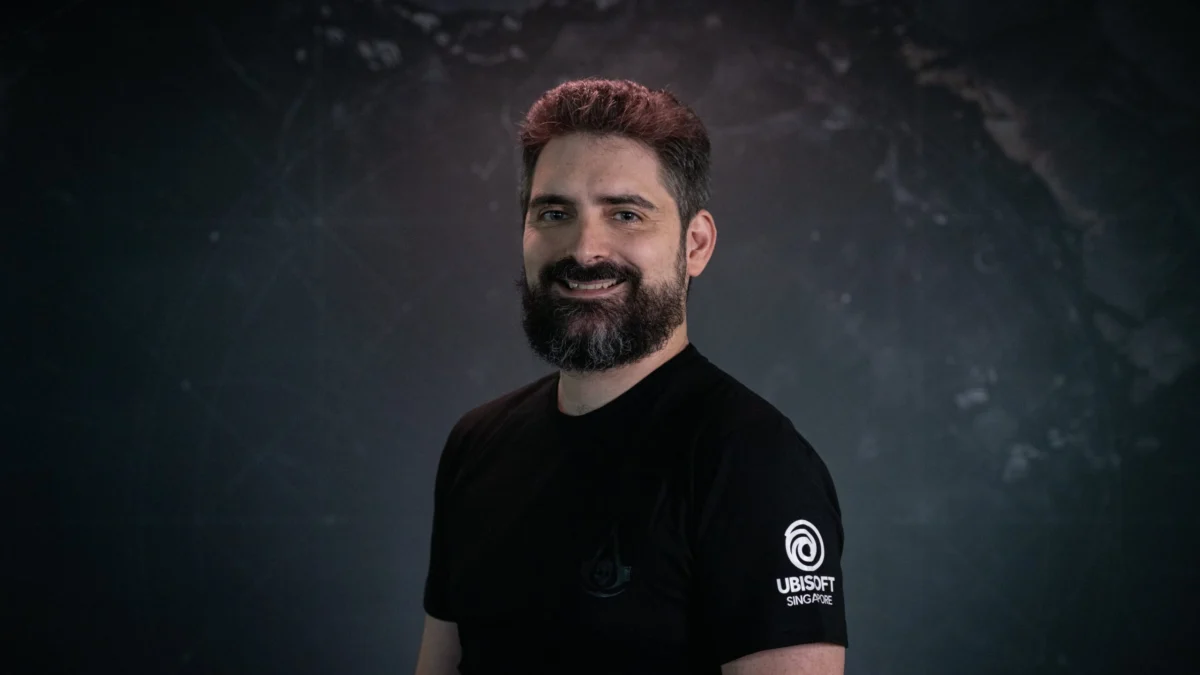
The title "Resynced" is more than a branding choice; according to Julien Koch, the Design Director at Ubisoft Singapore, it is a narrative device. In recent technical briefings, Koch emphasized that the remake aims to offer a fresh perspective on Edward Kenway’s life while acknowledging the established history of the franchise. "Our game is a new narrative," Koch stated. "Both narratives are valid, but in playing the game more you will understand that ‘Resync’ makes sense not only for the brand, but also for the story."
This approach suggests a meta-narrative layer similar to the one employed in recent high-profile remakes like Final Fantasy VII Remake, where the new game exists in dialogue with the original. Industry analysts suggest that Resynced may be framed as a modern-day Abstergo project revisiting Kenway’s memories with advanced Animus technology, allowing the developers to justify the addition of roughly six hours of new story content.
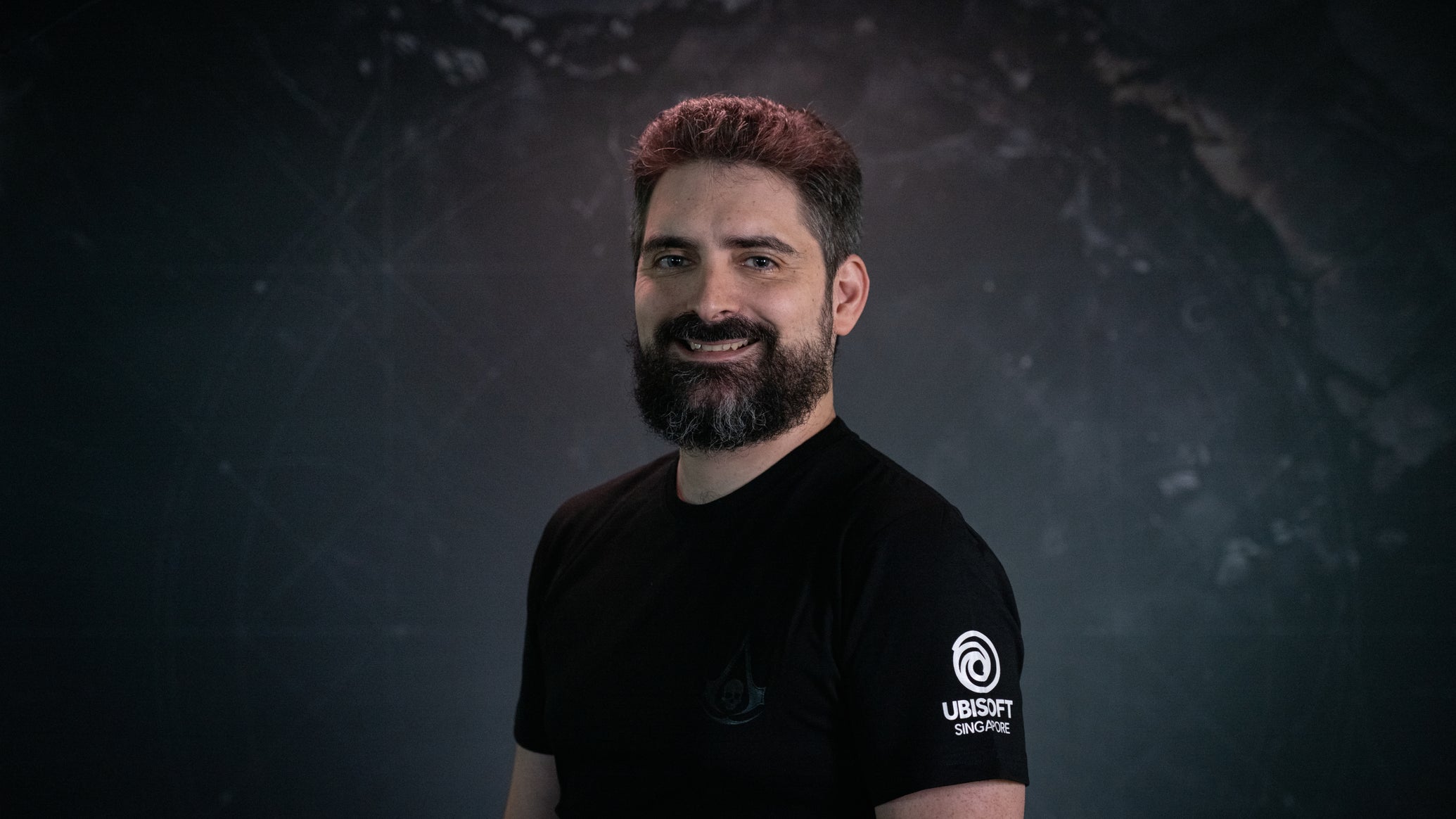
This new material is being overseen by the original game’s lead writer, Darby McDevitt, who has returned to the project to weave new threads into the existing tapestry. These additions are expected to focus on Edward Kenway’s internal psychology and the fates of supporting characters. Koch confirmed that players can expect expanded sequences involving the legendary pirate Blackbeard (Edward Thatch) and the "Gentleman Pirate" Stede Bonnet. These new narrative beats aim to provide closure or additional context that was absent in the 2013 version.
The Modern-Day Reimagining
One of the most significant changes in Resynced involves the modern-day sequences. In the original 2013 title, players engaged in first-person "walking simulator" segments within the Abstergo office, hacking computers to uncover the history of the Templars and the fate of Desmond Miles. For the remake, Ubisoft has confirmed that while "modern-day riffs" will exist to maintain the series’ signature dual-timeline structure, the traditional gameplay sections have been removed.
This decision reflects a broader trend in the franchise, as seen in Assassin’s Creed Mirage, where the modern-day framing was kept to a minimum to focus on the historical setting. By removing the interruptive office segments, Ubisoft Singapore aims to maintain the momentum of the pirate fantasy while using audio logs, UI elements, or brief cinematic "riffs" to link the game to the wider Assassin’s Creed lore. The goal is to provide a more streamlined experience that prioritizes the Caribbean setting while still acknowledging the Animus as the vehicle for the adventure.
Technical Enhancements and Development Timeline
The development of Resynced has been a multi-year endeavor, primarily led by Ubisoft Singapore—the studio originally responsible for the naval combat mechanics that defined Black Flag. The timeline of the project’s public life began in mid-2021 when reports first surfaced of a "large-scale remake" of a fan-favorite entry.
- June 2021: Initial reports emerge regarding a Black Flag remake in early development at Ubisoft Singapore.
- March 2024: Ubisoft officially reveals Assassin’s Creed Black Flag Resynced with a teaser focusing on updated environmental assets and character models.
- April 2024: Details regarding the "Launch Edition" and platform-specific bonuses are announced, including Europe-exclusive physical collectibles.
- May 2024: Hands-on previews highlight the "rough and ready" combat feel and the significant graphical leap afforded by the Animus engine upgrades.
- July 9, 2024: Scheduled worldwide release.
Technically, Resynced utilizes the latest iteration of the Ubisoft Animus engine, allowing for 4K resolution and 60 frames-per-second performance on current-gen consoles. The remake features completely overhauled water physics—a crucial component for a game centered on maritime exploration—as well as improved volumetric lighting and foliage density to bring the tropical islands of the West Indies to life.
.jpg)
Supporting Data and Market Context
The decision to remake Black Flag is supported by strong commercial logic. Since its inception in 2007, the Assassin’s Creed franchise has sold over 200 million units globally. Black Flag specifically accounts for a significant portion of that success, with over 15 million copies sold as of the last official update.
The gaming industry is currently seeing a surge in high-budget remakes as publishers seek to leverage established intellectual property. Following the success of Capcom’s Resident Evil remakes and EA’s Dead Space, Ubisoft is positioning Resynced as a bridge between the classic gameplay style and the future of the series. This release serves as a strategic placeholder and brand-reinforcement tool as the company prepares for Assassin’s Creed Shadows, which will take the series to feudal Japan.
Official Responses and Broader Implications
Ubisoft’s leadership has remained tight-lipped about the specific "surprise" elements of the ending, but the design philosophy is clear: respect the source material while acknowledging that the audience’s expectations have evolved. Julien Koch’s refusal to spoil the new ending for Blackbeard or the specific fate of Stede Bonnet suggests that the remake will take liberties with historical and fictional events to provide a more cohesive emotional arc for Edward Kenway.
The broader implications for the Assassin’s Creed franchise are substantial. If Resynced is successful in its "meta-narrative" approach, it could set a precedent for how Ubisoft handles other legacy titles, such as the original Assassin’s Creed or the Ezio Trilogy. By framing remakes as "Resyncs"—new attempts by Abstergo or the Assassins to mine the past for data—Ubisoft can update gameplay mechanics and narrative beats without "erasing" the original games from the series’ canon.
As the July 9 release date approaches, the industry’s focus remains on how players will react to the removal of traditional modern-day gameplay. While some purists may miss the office-espionage segments, the majority of the community appears focused on the prospect of returning to the Jackdaw with modern technical standards. Assassin’s Creed Black Flag Resynced stands as a test case for Ubisoft’s ability to modernize its most beloved assets while navigating the complex lore of a nearly two-decade-old franchise.