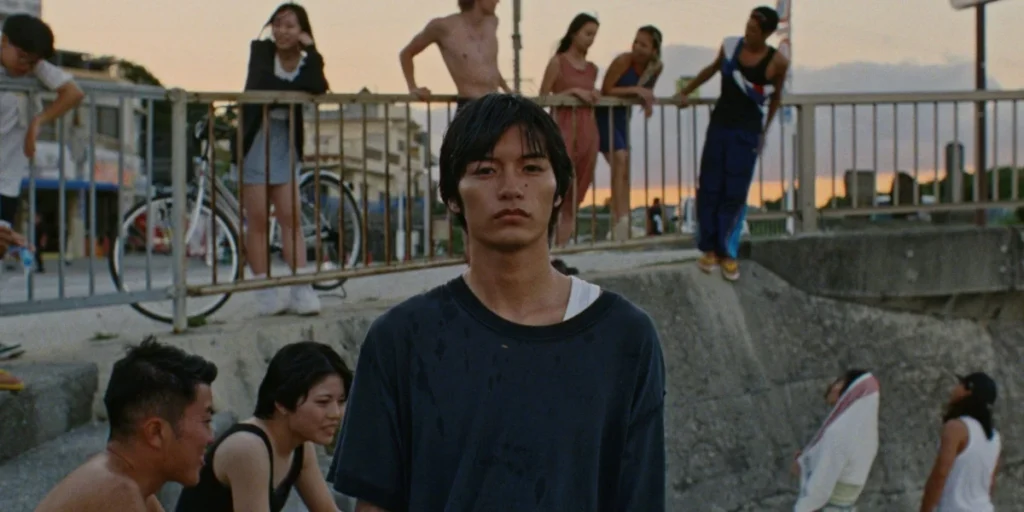



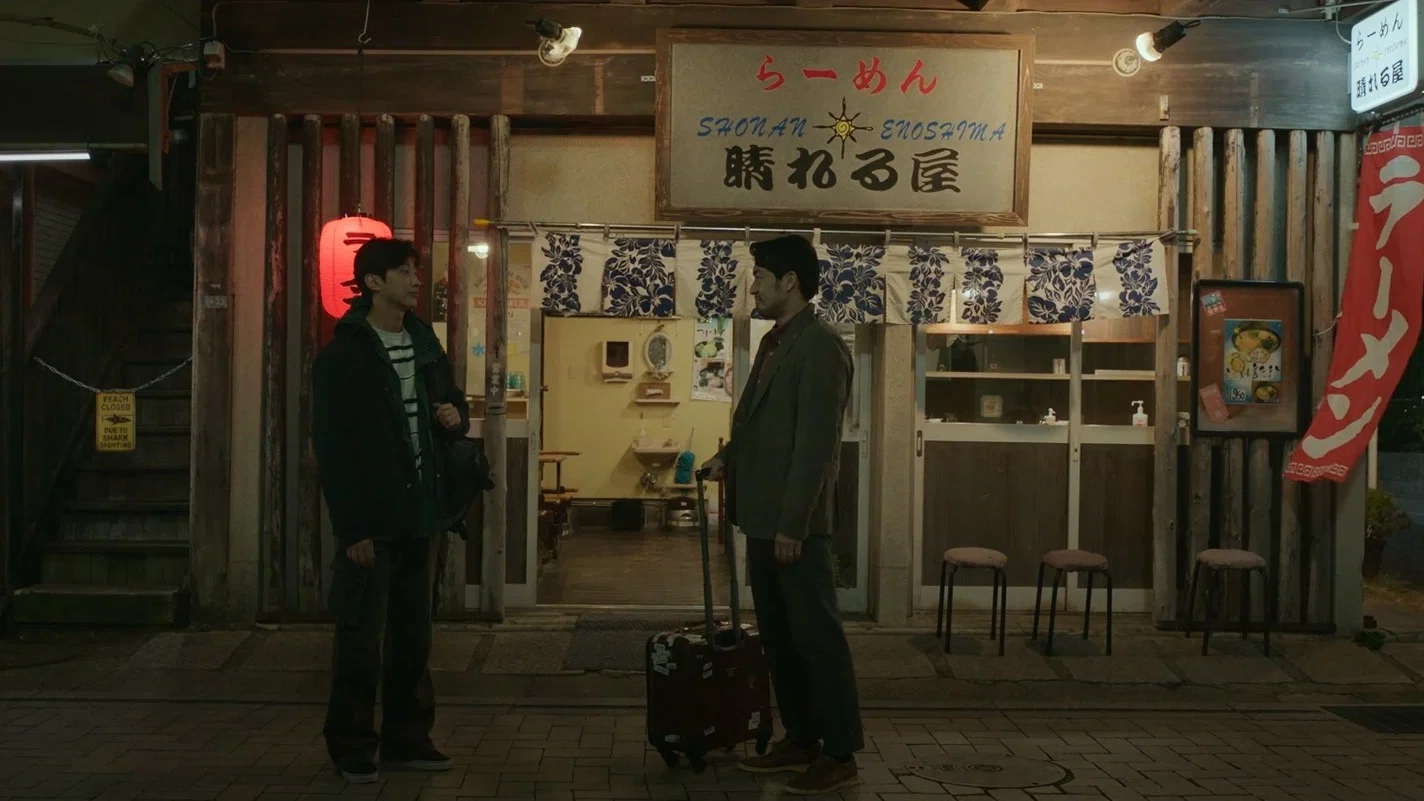
The tranquil shores of Enoshima, a picturesque island off the coast of Japan, have become the unlikely backdrop for a poignant narrative of personal journeys, unspoken regrets, and the transformative power of human connection. At the heart of this unfolding story are two individuals, separated by age and circumstance, whose paths converge in a small, unassuming ramen shop, setting in motion a series of events that challenge their deeply held beliefs about life, love, and the courage to confront their own hearts. This is the story of Shota, a seasoned Japanese businessman grappling with the weight of a career nearing its end, and Daesung, a young Korean man navigating the raw aftermath of a broken heart. Their chance encounter, fueled by a shared sense of melancholy and a half-joking pact, has sparked conversations about the universal human experience of carrying unfulfilled desires and the unexpected solace found in acknowledging them.
The Genesis of a Shared Journey: Two Men, Two Letters, One Fateful Night
The narrative begins with Shota, a man in his fifties, embarking on what he perceives to be his final business trip. The air of finality is palpable, not just in the professional realm but in the personal as well. Clutched in his hand, a resignation letter remains unsubmitted, a testament to a decision he finds too daunting to execute. This letter represents not merely an end to a professional chapter, but perhaps an acknowledgment of a life lived, with its triumphs and its quiet disappointments. Shota’s journey, therefore, is steeped in a complex mixture of apprehension and a deep-seated sense of inertia. He is at a precipice, looking back at a long career and forward into an uncertain, perhaps solitary, future.
Simultaneously, across the waters in Korea, Daesung, a young man whose heart is still bruised from a recent romantic upheaval, sets out alone for Enoshima. His motivation is singular: to find solace and perhaps reignite a lost flame. His journey is driven by the raw ache of heartbreak, a desperate hope that the picturesque landscapes of Japan might offer a balm to his wounded spirit. He seeks to reconnect with a love that has slipped through his fingers, a quest imbued with a profound sense of longing and vulnerability.
It is on the very first night of their respective journeys, amidst the steaming bowls of ramen and the ambient chatter of a local eatery in Enoshima, that their destinies intertwine. Shota and Daesung, strangers from different worlds, find themselves sharing a table. The initial interaction, born out of the shared experience of being alone in an unfamiliar place, blossoms into an exchange of life fragments. Over the course of their meal and the accompanying drinks, they begin to reveal the unspoken burdens they carry. The weight of Shota’s unsubmitted resignation letter and the sting of Daesung’s lost love become shared confidences.
In a moment that blends the absurdity of their shared vulnerability with a genuine attempt to find an outlet for their emotional burdens, they make a pact. Half in jest, they agree to carry each other’s unsent letters. Shota, the seasoned businessman, will carry Daesung’s heartfelt love letter, a testament to a passion he himself might be hesitant to express. Conversely, Daesung, the heartbroken youth, will take Shota’s resignation letter, a symbol of a difficult professional departure he is struggling to enact. This seemingly lighthearted agreement, however, marks the beginning of a profound emotional entanglement.
The Unfolding Narrative: A Cross-Cultural Exchange of Emotional Burdens
What began as a spontaneous, almost whimsical, arrangement quietly morphs into something far more significant. The act of holding another’s unspoken words, their deepest fears and desires, begins to draw Shota and Daesung into each other’s emotional landscapes. The physical act of carrying the letters becomes a metaphorical undertaking, a shared responsibility that transcends their individual struggles.
For Shota, holding Daesung’s love letter might evoke memories of his own youthful romantic aspirations, perhaps a stark contrast to the pragmatism that has come to define his adult life. He might find himself reflecting on the sacrifices made in the pursuit of professional success, questioning whether the accolades and stability were worth the emotional currency lost. Daesung’s fervent words, filled with the raw emotion of a budding or fading romance, could serve as a potent reminder of the passions that once fueled him, passions he may have long suppressed in the pursuit of a more predictable life.
Conversely, for Daesung, carrying Shota’s resignation letter might offer a unique perspective on his own current predicament. Shota’s struggle with ending a long-standing professional commitment, a situation born out of years of dedication and perhaps a fear of the unknown, could offer a parallel to Daesung’s own difficulty in letting go of a past relationship. The weight of the resignation letter, symbolizing a deliberate step towards a new beginning, might encourage Daesung to consider the necessity of closure in his own life, the importance of accepting an ending to pave the way for new possibilities.
This exchange of intangible burdens fosters a nascent understanding and empathy between the two men. They are no longer just strangers who met in a ramen shop; they are individuals who have been entrusted with the most intimate of their unspoken thoughts. This shared vulnerability creates a fertile ground for introspection, prompting them to confront feelings they have long avoided. Shota, confronted by the vibrant emotions of youth, might begin to question the stoicism he has cultivated. Daesung, exposed to the anxieties of a man at the end of a long career, might find a new perspective on his own youthful struggles, realizing that life’s challenges evolve but the underlying need for courage remains constant.
The Context of Enoshima: A Setting for Reflection and Renewal
Enoshima, with its blend of natural beauty and cultural heritage, provides an ideal backdrop for such an introspective journey. The island, steeped in legend and natural splendor, offers a sense of timelessness. The iconic Enoshima Shrine, with its ancient pagodas and panoramic ocean views, has long been a pilgrimage site for those seeking spiritual solace and guidance. The island’s geological formations, carved by the relentless forces of nature, serve as a metaphor for the enduring human spirit, capable of weathering storms and finding beauty in resilience.
Historically, Enoshima has been a destination for artists, poets, and thinkers seeking inspiration and respite. Its association with deities of the sea and good fortune further enhances its allure as a place where one might find clarity and renewed purpose. For Shota, the island’s serene atmosphere might offer a welcome respite from the pressures of his corporate life, allowing him to contemplate his future without the immediate demands of his profession. For Daesung, the picturesque scenery and the romantic aura of the island could provide a much-needed escape from the emotional turmoil of his breakup, offering a space for healing and self-discovery.
The presence of numerous small, intimate establishments like the ramen shop where they met, fosters a sense of community and shared human experience. These are places where individuals often find themselves, either alone or with companions, reflecting on their lives and seeking comfort. The intimate setting of the ramen shop, therefore, acts as a microcosm of the larger human experience, a space where connections are forged and burdens are shared.
Broader Implications: The Universal Language of Unsent Letters
The story of Shota and Daesung, while deeply personal, resonates with a universal human truth: the burden of the unsaid. In a world that often prioritizes action and outward success, the weight of unspoken words, unfulfilled dreams, and unresolved emotions can be profound. The unsent letter, in its various forms, is a potent symbol of this. It represents a desire that was not articulated, a courage that was not mustered, a connection that was not made.
The implications of this narrative extend beyond the immediate experience of the two protagonists. It highlights the potential for unexpected connections to offer profound personal growth. The act of sharing and bearing witness to another’s vulnerability can illuminate our own hidden truths and provide the impetus for change. It suggests that sometimes, the greatest catalyst for confronting our own emotional landscapes comes from an unlikely source – a stranger in a foreign land, entrusted with our most guarded secrets.
Furthermore, the story underscores the importance of emotional honesty and the courage required to express it. In a society that often encourages stoicism and self-reliance, acknowledging our vulnerabilities and seeking connection can be an act of immense bravery. The narrative subtly advocates for a culture where such expressions are not only accepted but encouraged, where the act of reaching out, even through an unsent letter, is a step towards healing and self-acceptance.
The story also touches upon the cultural nuances of expressing emotion. While Shota’s resignation letter represents a more internalized, perhaps culturally ingrained, struggle with direct confrontation, Daesung’s love letter embodies a more immediate and passionate outpouring of emotion. The juxtaposition of these two expressions, carried by individuals from different cultural backgrounds, offers a subtle commentary on how societal norms can shape the way we process and communicate our deepest feelings.
Looking Ahead: The Future of Unsent Letters
While the immediate future of Shota and Daesung’s individual journeys remains unwritten, their shared experience in Enoshima has undeniably altered their trajectories. The pact of carrying each other’s letters has served as a catalyst, compelling them to confront the very emotions they had sought to either escape or suppress. Whether Shota will finally submit his resignation letter, or whether Daesung will find the courage to express his love, is a question that will likely be answered by the strength of the renewed perspective they have gained.
The narrative serves as a powerful reminder that life’s most profound lessons are often found in the unexpected encounters and the quiet moments of shared humanity. The unsent letters, once symbols of regret and hesitation, have become potent instruments of self-discovery. In the serene beauty of Enoshima, two strangers, bound by a shared moment of vulnerability, are embarking on a journey of emotional reckoning, proving that sometimes, the most important letters we can deliver are the ones we finally find the courage to send, not just to others, but to ourselves.