
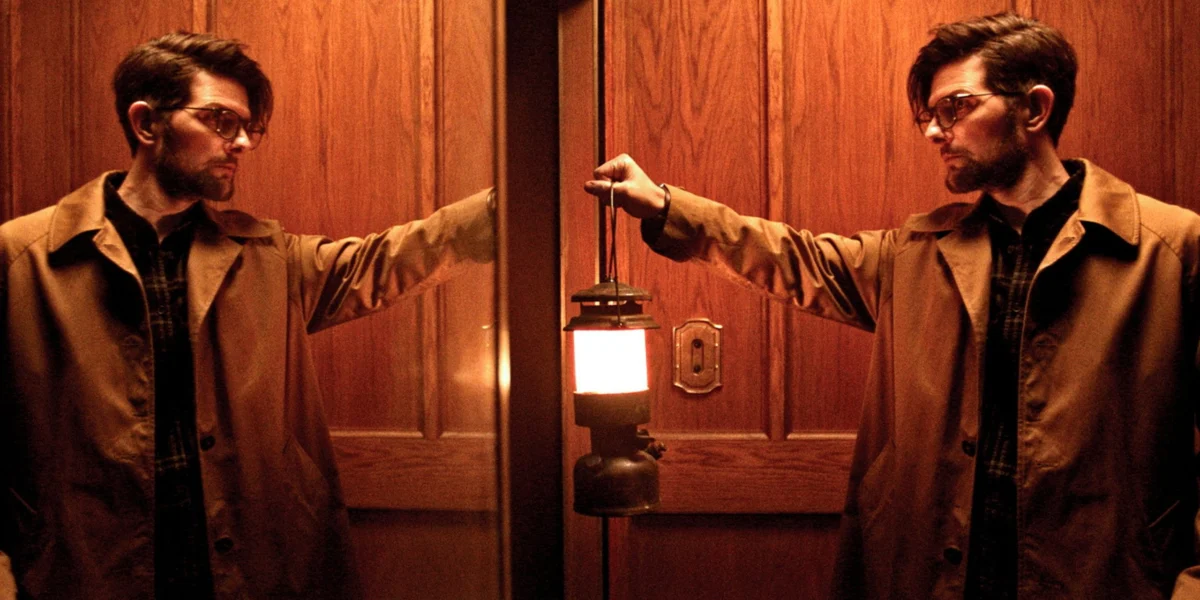
The supernatural horror film "Hokum," penned and helmed by director Damian McCarthy, has emerged as a chilling new contender in the genre, captivating audiences and critics alike following its premiere at the 2026 South by Southwest (SXSW) Film & TV Festival. Starring Adam Scott in a pivotal role, the film also features a compelling ensemble cast including Peter Coonan, David Wilmot, Florence Ordesh, Michael Patric, Will O’Connell, Brendan Conroy, and Austin Amelio. "Hokum" delves into a narrative of grief, isolation, and encroaching terror, promising a deeply atmospheric and unsettling cinematic experience.
Plot and Premise: A Descent into Irish Folklore and the Unseen
The central narrative of "Hokum" follows Adam Scott’s character, an author grappling with the recent loss of his parents. In an effort to honor their memory and find solace, he embarks on a solitary journey to a remote and picturesque corner of Ireland. His intention is to scatter their ashes, a ritualistic act meant to bring closure. However, the secluded rented accommodation he chooses for his stay harbors a dark secret: it is purportedly haunted. This premise immediately sets the stage for a classic horror trope, but McCarthy’s direction and the film’s grounding in Irish folklore suggest a nuanced and potentially terrifying exploration of the supernatural.
The integration of Irish folklore is a significant element that has drawn praise. Ireland boasts a rich tapestry of ancient myths, legends, and superstitions, often involving spirits, fae, and the lingering presence of the past. By weaving these elements into the fabric of "Hokum," McCarthy appears to be tapping into a deep well of cultural horror, potentially creating a more authentic and unsettling experience than generic supernatural tales. The isolation of the Irish countryside further amplifies the sense of vulnerability, leaving the protagonist exposed to forces he may not understand or be able to combat.
Premiere and Critical Reception: A Resounding Acclaim
The 2026 SXSW Film & TV Festival served as the official launchpad for "Hokum," a festival renowned for its discerning taste in independent and genre cinema. The film’s reception at the event was overwhelmingly positive, with critics lauding its ability to generate a genuinely haunting atmosphere. Early reviews highlighted the effective use of jump scares, a common but often debated element in horror, suggesting that McCarthy employs them judiciously to maximize impact without relying on cheap thrills.
Adam Scott’s performance has been singled out for particular commendation. Known for his versatile acting across comedic and dramatic roles, Scott’s portrayal of a grieving author confronting an unseen evil has been described as nuanced and compelling. His ability to convey vulnerability and escalating dread is crucial to the film’s success, anchoring the supernatural elements in a believable human experience.
Furthermore, the film’s successful integration of Irish folklore was a recurring theme in critical assessments. This suggests that "Hokum" is not merely a ghost story but a cultural artifact, drawing upon the specific eerie traditions of its setting. The combination of atmospheric dread, effective scares, and a performance-driven narrative has positioned "Hokum" as a significant new entry in the horror landscape.
The Creative Forces: Director and Star in Conversation
The success of "Hokum" is intrinsically linked to the vision of its writer and director, Damian McCarthy, and the central performance of Adam Scott. In a candid interview following the film’s premiere, both Scott and McCarthy shared insights into their collaborative process and the challenges and rewards of bringing "Hokum" to life.
McCarthy, whose previous work has explored the macabre and the unsettling, expressed his deep connection to the Irish landscape and its inherent folklore. He spoke about his desire to create a horror film that felt both timeless and deeply rooted in place, drawing inspiration from local tales and superstitions that have been passed down through generations. His directorial approach, as described in the interview, emphasized building suspense through atmosphere and psychological tension, allowing the fear to seep in rather than relying solely on overt threats.
Adam Scott echoed this sentiment, detailing his fascination with the script and the character’s journey. He discussed the process of embodying an author, a character often introspective and observant, and how that perspective lent itself to the unfolding horror. Scott highlighted McCarthy’s meticulous attention to detail on set, from the creation of the eerie set design to the subtle nuances in the performances. He noted that the collaborative environment fostered by McCarthy allowed for a deep exploration of the character’s emotional arc alongside the supernatural events.

The interview, available in both video and audio formats, provides a valuable behind-the-scenes look at the film’s creation. It underscores the passion and dedication of the filmmakers, shedding light on the artistic choices that contributed to "Hokum’s" critical acclaim. The discussion likely touched upon the specific challenges of filming in remote Irish locations, the logistics of creating practical and visual effects, and the collaborative spirit that defined the production.
Release and Distribution: A Wider Audience Awaits
Following its successful debut at SXSW, "Hokum" is slated for a wider theatrical release. NEON, a distribution company known for its championing of critically acclaimed and often genre-bending films, has secured the distribution rights. This partnership signals confidence in "Hokum’s" potential to resonate with a broader audience beyond the festival circuit. The film is scheduled to open in theaters nationwide on May 1st, marking a significant milestone for the independent production.
The choice of NEON as the distributor is particularly noteworthy. The company has a strong track record of bringing unique and artistically driven films to mainstream audiences, with past successes including "Parasite," "Portrait of a Lady on Fire," and "The Neon Demon." Their involvement suggests that "Hokum" is being positioned not just as a genre film but as a piece of cinematic art with the potential for critical and commercial success.
Broader Impact and Implications: The Resurgence of Folk Horror
The positive reception of "Hokum" at SXSW and its upcoming theatrical release could signify a broader trend in the horror genre: the continued resurgence of folk horror. This subgenre, which often emphasizes isolation, rural settings, and the clash between tradition and modernity, has seen a renewed interest in recent years with films like "The Witch," "Midsommar," and "Saint Maud."
"Hokum’s" success in integrating authentic Irish folklore into its narrative aligns perfectly with this trend. By grounding its supernatural elements in specific cultural traditions, the film offers a unique and potentially more profound horror experience. This approach can resonate deeply with audiences seeking more than just jump scares, craving narratives that explore deeper societal anxieties and the enduring power of ancient beliefs.
The film’s success also has implications for the independent film industry. It demonstrates that compelling storytelling, strong performances, and a unique artistic vision can still cut through the noise of larger studio productions. The collaborative spirit between emerging directors like Damian McCarthy and established actors like Adam Scott is crucial for nurturing such talent and bringing diverse cinematic voices to the forefront.
Furthermore, the critical acclaim for "Hokum" highlights the importance of festivals like SXSW in discovering and promoting new talent. These events serve as crucial platforms for filmmakers to gain exposure, attract distribution deals, and build a buzz around their projects. The ongoing support for films that explore cultural narratives and unique atmospheric horror suggests a growing appetite among audiences for diverse and thought-provoking genre cinema.
The Next Best Picture Podcast and Supporting Independent Cinema
The publication of this article is associated with The Next Best Picture Podcast, a platform dedicated to discussing and celebrating cinema. The podcast, part of the Evergreen Podcasts Network, serves as a vital conduit for film enthusiasts to engage with the latest releases, industry news, and in-depth interviews. Their commitment to featuring discussions with filmmakers like Adam Scott and Damian McCarthy underscores their dedication to promoting independent cinema and providing a voice for the creators behind these projects.
The availability of the interview content, accessible through various podcast platforms and embedded players, allows audiences to gain a deeper understanding of the creative process behind "Hokum." The invitation to review the podcast on Apple Podcasts and support it through Patreon further emphasizes the importance of community engagement in sustaining independent media and film criticism. This symbiotic relationship between content creators, platforms, and audiences is essential for the continued health and diversity of the film landscape. As "Hokum" prepares for its theatrical debut, the broader discussion surrounding its themes, its cultural roots, and its artistic merits will undoubtedly continue, solidifying its place as a notable film of 2026.