


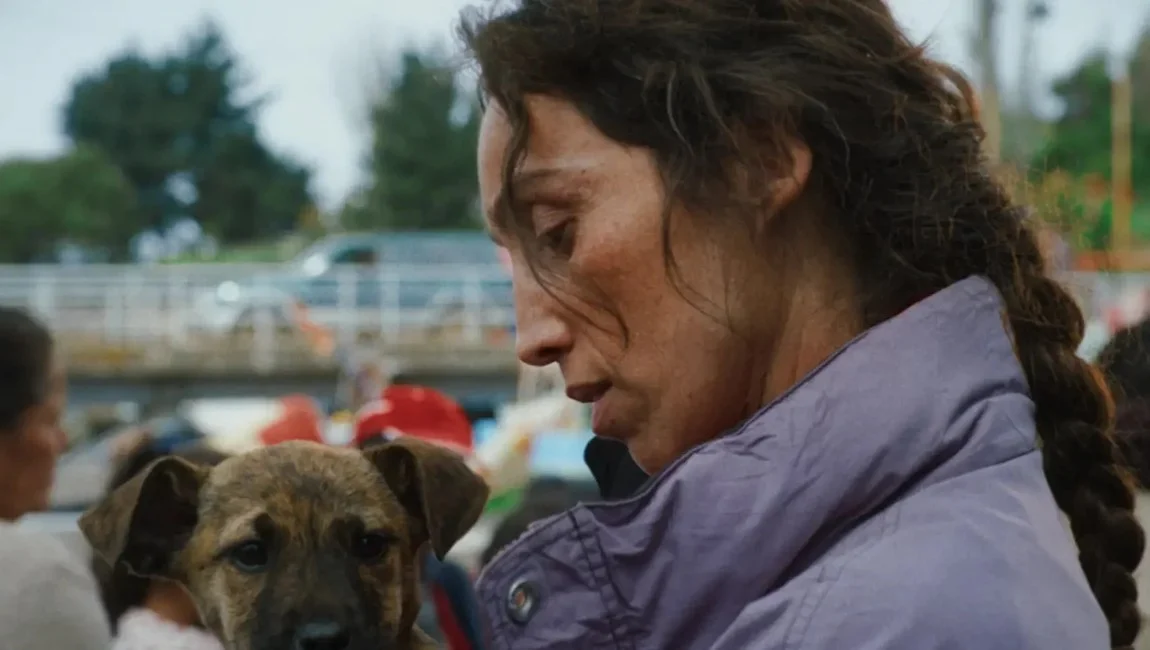
The 23rd edition of the Palm Dog Awards, an unofficial yet deeply cherished fixture of the Cannes Film Festival, celebrated an unprecedented thematic convergence this year, honoring two female dogs from films helmed by two acclaimed female directors. This double triumph, unfolding on the sun-drenched beach of the Cannes Members Club, not only brought a wave of emotional resonance to the festival’s sidebars but also underscored a growing trend in cinematic storytelling and representation. The main Palm Dog, recognizing the most outstanding canine performance, was awarded to Yuri, the compelling stray from Chilean director Dominga Sotomayor’s La Perra, which premiered in the Directors’ Fortnight. Concurrently, the prestigious Jury Prize went to Lola, the heartwarming canine companion in Clio Barnard’s I See Buildings Fall Like Lightning, also a standout entry in the Directors’ Fortnight, which had already garnered the sidebar’s People’s Choice Award. The palpable enthusiasm among attendees for these particular wins highlighted a fascinating, perhaps serendipitous, thematic through-line woven into the fabric of this year’s festival selections: narratives of self-discovery and transformation often facilitated by the profound connection between humans and their canine counterparts, frequently envisioned through the lens of female artistic leadership.
The Palm Dog: From Quirk to Cannes Institution
Founded in 2001 by British journalist Toby Rose, the Palm Dog began as a whimsical counterpoint to the more formal accolades of the Cannes Film Festival. What started as a modest, tongue-in-cheek ceremony quickly evolved into a legitimate and much-anticipated event, celebrated for its unique ability to highlight the often-overlooked yet pivotal contributions of animal actors to cinematic narratives. Over the past two decades, the award has seen a steady rise in prominence, attracting significant media attention and drawing directors, actors, and industry professionals eager to witness or accept the coveted embossed leather collar. Its historical winners include some of the most memorable animal performances in contemporary cinema, such as Uggie from Michel Hazanavicius’s Oscar-winning The Artist (2011), who captivated audiences worldwide with his expressive agility, and Nelly from Jim Jarmusch’s Paterson (2016), whose quiet dignity perfectly complemented Adam Driver’s stoic portrayal. These past successes have cemented the Palm Dog’s status not merely as a novelty, but as an integral part of the Cannes experience, bridging the gap between high art and the universal appeal of our four-legged friends. The ceremony itself, typically held in a relaxed, informal setting away from the Palais des Festivals, offers a refreshing dose of levity and genuine affection, fostering a unique sense of community among film lovers and dog enthusiasts alike. Toby Rose’s enduring dedication to the award, often involving tracking down local canine lookalikes to accept the prizes when the actual winners cannot travel, has become a cherished tradition, further endearing the Palm Dog to the festival’s global audience.
Yuri’s Roguish Charm: A Catalyst for Self-Discovery in La Perra
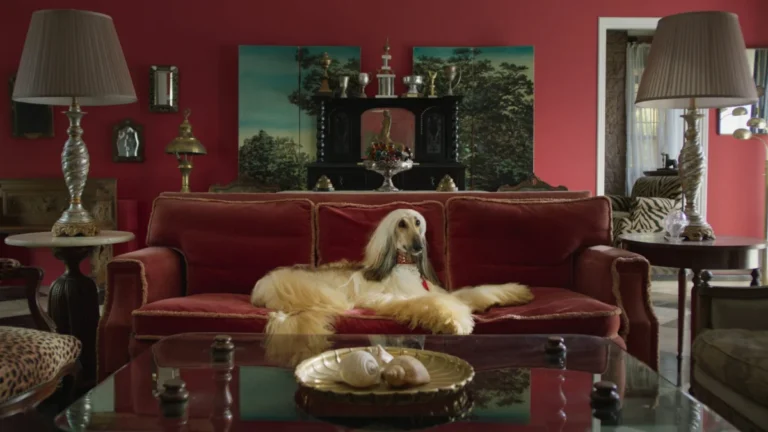
The main Palm Dog award this year was bestowed upon Yuri, the titular "perra" (female dog) in Dominga Sotomayor’s latest feature. Premiering to critical acclaim in the Directors’ Fortnight, La Perra delves into the complex life of Silvia, a woman leading a solitary existence on a windswept island off Chile’s southern coast. Yuri, a stray discovered and named by Silvia after a vibrant 1980s Mexican pop star whose hits echo from a rickety television, becomes an unexpected force in her new owner’s life. The film, adapted by Sotomayor from Pilar Quintana’s powerful novel, masterfully explores the intricate and often fraught relationship between humans and animals. Sotomayor articulated her fascination with the source material’s refusal to romanticize the dog-owner bond, instead focusing on "the fascinating tension between domestication and an animal’s uncontrollable nature." Yuri, portrayed as restless, willful, and magnificently self-possessed, is far from a mere pet; she is a character with profound depth, an entity "looking for identity and freedom," as Sotomayor described. Her presence irrevocably upends Silvia’s isolated routine, propelling the protagonist on a challenging journey of self-discovery that forces her to confront long-buried childhood traumas. This narrative choice elevates Yuri beyond a supporting role, positioning her as a central, transformative figure whose wild spirit mirrors and challenges Silvia’s own internal struggles. Accepting the embossed leather collar in person, director Sotomayor underscored her intention to create a canine role that was as complex and layered as any human character, a testament to the sophisticated storytelling evident in La Perra.
Lola’s "Rags to Riches" Story: Inspiring Change in I See Buildings Fall Like Lightning
The Jury Prize was awarded to Lola, the female canine scene-stealer from Clio Barnard’s I See Buildings Fall Like Lightning. This film, also a highlight of the Directors’ Fortnight, had already garnered significant buzz, including the sidebar’s coveted People’s Choice Award. Barnard’s kitchen-sink drama paints a vivid portrait of five working-class friends – Patrick, Shiv, Rian, Oli, and Conor – navigating their thirties in a Birmingham tower block, facing increasingly divergent and constrained paths to the future. Within this stark reality, Lola emerges as a beacon of hope and a catalyst for change. She belongs to Oli, a slacker and small-time drug dealer portrayed by Jay Lycurgo, whose life takes an unexpected turn after adopting her. Reviewers lauded their relationship as one of the most heartwarming at the entire festival, highlighting how Lola inspires Oli to reconsider his choices and embark on a path of personal growth. The profound bond between Oli and Lola transcends the typical pet-owner dynamic, showcasing how unconditional love and responsibility can ignite transformation even in the most challenging circumstances.
The emotional zenith of the Palm Dog ceremony arrived when Clio Barnard, accompanied by Soprano – Lola’s remarkably convincing female stand-in and local lookalike – shared Lola’s true backstory. Before the collar was ceremoniously fastened, Barnard recounted how Lola had once lived rough on the streets before being rescued by an animal shelter. It was there, amidst countless other hopefuls, that she was discovered and cast for the film. Barnard poignantly described Lola’s journey to the Cannes canine awards as a "true rags to riches story," a narrative that resonated deeply with the audience and added an extra layer of poignancy to her on-screen performance. Soprano, true to her stand-in duties, accepted the collar with considerable enthusiasm and an even more considerable amount of wriggling, much to the delight of the beach crowd. This tradition of using local lookalikes, a hallmark of Toby Rose’s dedication, allowed the spirit of Lola’s incredible journey to be celebrated fully, even in her physical absence.
A Thematic Nexus: Female Vision, Canine Spirit
The confluence of two female directors winning top honors for films featuring prominent female canine protagonists was not lost on festival observers. While perhaps a happy coincidence rather than a deliberate programming choice, it presented a compelling thematic through-line that resonated deeply with broader conversations about representation and storytelling in contemporary cinema. The increasing presence and recognition of female filmmakers at major international festivals like Cannes reflect a slow but steady shift in an industry historically dominated by male voices. The Directors’ Fortnight, known for its focus on emerging talent and bold artistic visions, proved a fertile ground for these narratives, highlighting the nuanced perspectives that female directors bring to stories of human (and animal) experience.
Both La Perra and I See Buildings Fall Like Lightning use their canine characters not as mere props, but as integral narrative engines that drive the protagonists’ emotional arcs and personal development. Yuri’s wildness challenges Silvia’s guarded existence, forcing introspection and confrontation with past traumas. Lola’s unwavering affection inspires Oli’s transformation from apathy to responsibility. In both instances, the female dogs embody a powerful, untamed spirit or a steadfast loyalty that serves as a mirror or a catalyst for their human counterparts’ journeys. This nuanced portrayal elevates the human-animal bond from a sentimental subplot to a profound exploration of identity, resilience, and the capacity for change. The fact that these stories are crafted and directed by women adds another layer of interpretation, suggesting a particular sensitivity to the complexities of relationships, vulnerability, and the transformative power found in unexpected connections.
The Ceremony’s Enduring Charm and Broader Implications
The Palm Dog ceremony itself remains a unique highlight of the Cannes calendar, a blend of irreverent humor and genuine appreciation. The festive atmosphere at the Cannes Members Club beach, complete with metaphorical hankies for the emotional moments, encapsulates the festival’s ability to balance high art with accessible charm. Toby Rose’s concluding karaoke tribute to Lola, belting out the iconic opening lines of Barry Manilow’s "Copacabana" ("Her name was Lola, she was a showgirl…"), perfectly encapsulated the playful yet heartfelt spirit of the event.
Beyond the immediate joy of the awards, these wins carry broader implications. For Dominga Sotomayor and Clio Barnard, the recognition from the Palm Dog, in addition to their films’ other accolades, further amplifies their visibility and underscores their distinctive artistic contributions. It also shines a spotlight on the often-unsung heroes of cinema – animal actors – and the dedicated trainers who work to bring their performances to life. Furthermore, Lola’s "rags to riches" narrative serves as a powerful testament to the potential found in rescue animals, potentially inspiring greater awareness and support for animal shelters and adoption initiatives worldwide. The Palm Dog, in its own charming way, contributes to a larger cultural conversation about the intrinsic value of animal life and the profound, often therapeutic, impact animals have on human existence.
In an industry increasingly scrutinizing representation and diverse storytelling, the 23rd Palm Dog Awards stood out not just for its enduring charm, but for its serendipitous alignment with themes of female empowerment and the powerful, transformative potential of the human-animal bond. As the festival concluded, the stories of Yuri and Lola, envisioned by Sotomayor and Barnard, left an indelible mark, reminding all of the multifaceted narratives that make cinema a truly universal art form.