
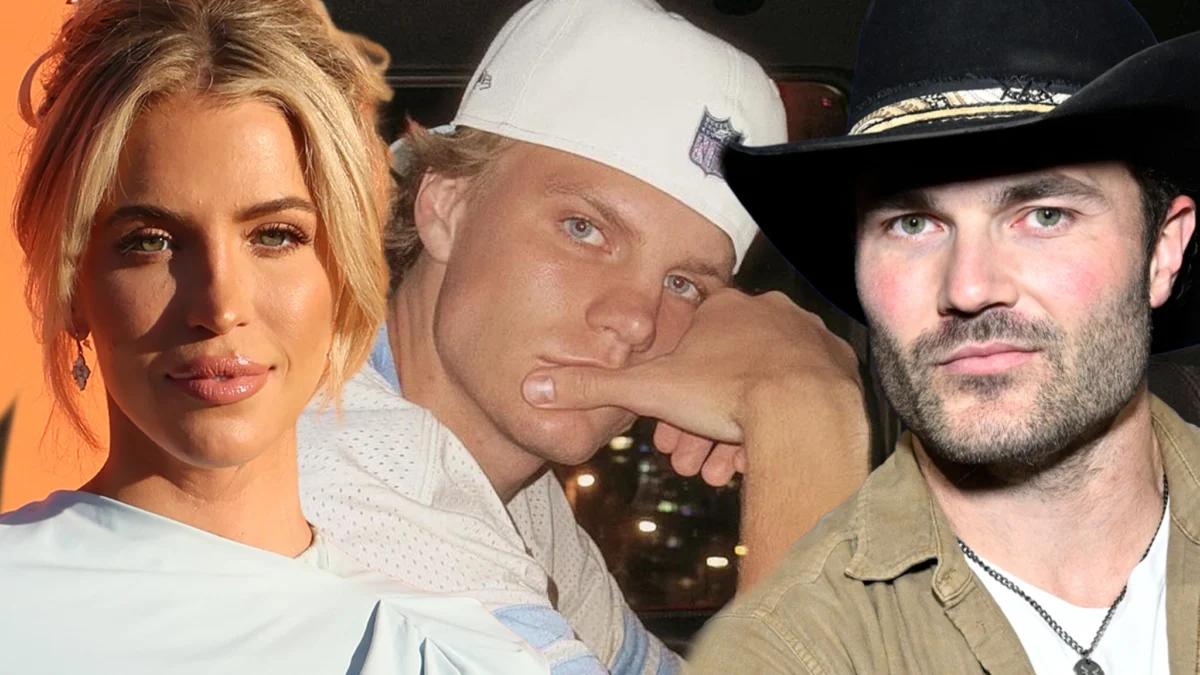
Drew Dodson has broken his silence following a maelstrom of public accusations suggesting an inappropriate encounter with Allie Eklund, the now-estranged girlfriend of Steven McBee Jr., at the recent Stagecoach music festival. Dodson, caught in the eye of a rapidly escalating online storm, has vehemently denied the cheating claims, asserting his innocence and seeking to clarify the narrative that has captivated and divided social media users. His statement, delivered via Instagram Story, marks a pivotal moment in a relationship drama that has unfolded publicly, highlighting the intense scrutiny faced by public figures in the digital age.
The Unfolding Allegations and Public Outcry
The controversy first ignited when Steven McBee Jr., a figure known to the public, took to social media to announce the abrupt end of his relationship with Allie Eklund. His declaration followed his early departure from the Stagecoach festival, after which he claimed to have been inundated with direct messages, phone calls, and even video evidence purportedly showing Eklund in close proximity with another man, later identified as Drew Dodson. McBee Jr.’s initial public statement outlined allegations of "handholding, grinding, dancing," and a "drunken stupor" at an afterparty, though he candidly admitted to not possessing firsthand knowledge of the exact nature of the interactions. This public disclosure immediately fueled widespread speculation and condemnation across various online platforms, turning a private relational dispute into a public spectacle. The rapid dissemination of these allegations through fan accounts and gossip forums underscores the pervasive influence of social media in shaping public perception and accelerating the spread of unverified information.
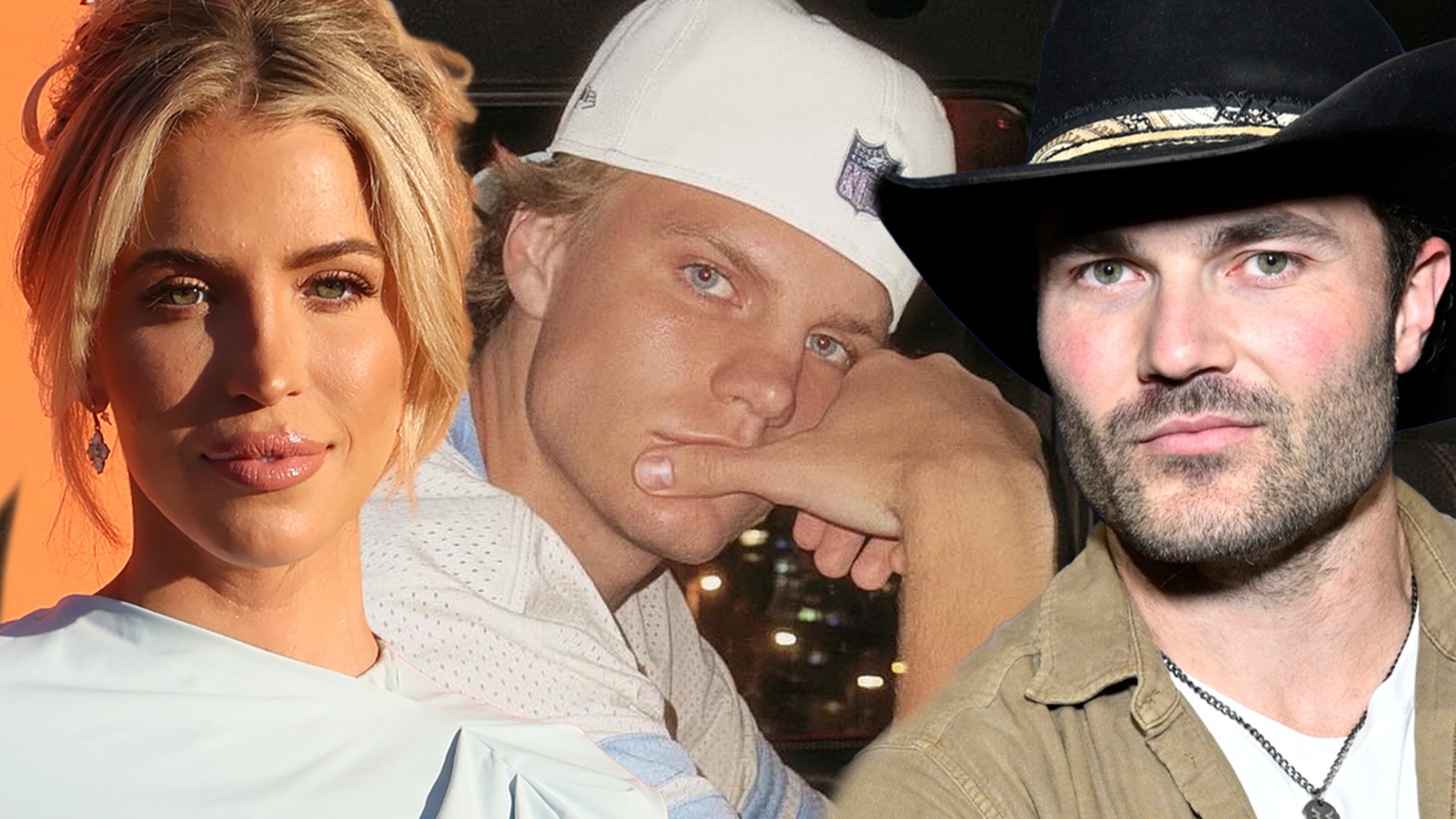
Drew Dodson’s Counter-Narrative: A Plea for Clarity
In his carefully worded Instagram Story, Drew Dodson expressed his initial reluctance to engage publicly with the unfolding drama, stating that he had not planned to speak out. However, the sheer volume and intensity of the online discourse, which he described as having "took on a life of its own," compelled him to address the accusations directly. Dodson provided his account of the events at Stagecoach, framing his presence as an innocuous social outing. "I was at Stagecoach with a big group of friends, including someone I’ve known for years," he wrote, emphasizing that he was merely "enjoying the night like everyone else."
He articulated his frustration with how the situation spiraled, lamenting that the night’s events were "turned into public accusations about both of us without any conversation or attempt to actually understand what happened." Dodson firmly reiterated his stance, stating, "The reality is simple… I was there with friends, nothing more." His statement aimed to "clear the air and keep it moving," signaling a desire to extricate himself from the public controversy and put an end to the speculation. His direct, unequivocal denial serves as a counterpoint to the narrative initially propagated, urging the public to consider his perspective amid the cacophony of online chatter.
Allie Eklund’s Defense and Critique of Public Disclosure
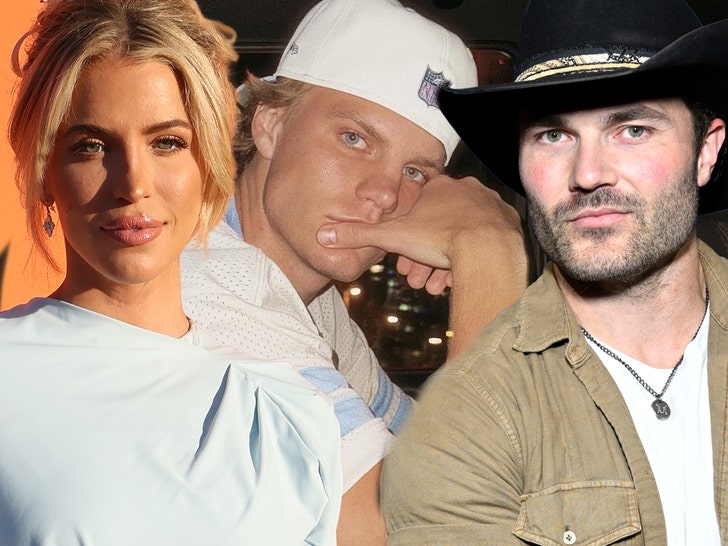
Prior to Dodson’s statement, Allie Eklund had also publicly addressed the accusations, vehemently denying any infidelity. Her response was notably tinged with a sense of betrayal and disappointment regarding McBee Jr.’s decision to air their grievances publicly. Eklund expressed hurt that Steven chose to make their personal issues public before they could engage in a private conversation, especially given what she described as her consistent efforts to protect him throughout their relationship.
She claimed that her initial hesitation to respond publicly stemmed from her awareness of McBee Jr.’s emotional reactions, suggesting a pattern of behavior that influenced her approach. However, once the allegations went viral, she felt compelled to offer her side of the story. Eklund’s objective, much like Dodson’s, was to "de-escalate, end things and move forward," indicating a desire to resolve the conflict and move on from the relationship, albeit under very public and painful circumstances. Her statement highlighted the complex dynamics of public relationships, where personal boundaries are constantly challenged by the demands of public scrutiny and the rapid dissemination of information.
The Pervasive Influence of Social Media in Celebrity Scandals
This incident serves as a stark illustration of the contemporary landscape of celebrity and influencer relationships, where personal dramas frequently spill into the public domain via social media. Platforms like Instagram, X (formerly Twitter), and TikTok act as both the stage and the judge, allowing for instantaneous communication but also facilitating the rapid spread of rumors, often without proper verification. The sheer volume of DMs, calls, and videos that McBee Jr. reportedly received underscores how quickly a private event can become a viral sensation, amplified by the collective efforts of followers and internet sleuths.
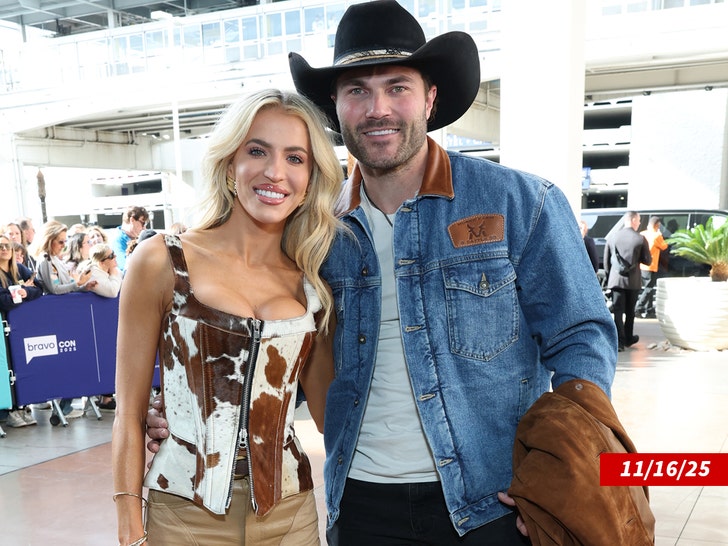
The "public court" of social media operates with remarkable speed, often forming judgments before all parties have had a chance to present their perspectives. This environment places immense pressure on individuals like Dodson, Eklund, and McBee Jr. to respond quickly, often leading to fragmented narratives and heightened emotional responses. The incident also raises questions about privacy, consent, and the ethical implications of sharing potentially compromising personal information without the consent of all involved parties. The digital footprint of such events can be enduring, impacting personal reputations and relationships long after the initial fervor has subsided.
Background Context and Public Interest
While the original article provides limited background on Steven McBee Jr. and Allie Eklund, the nature of the publication (TMZ) and the immediate public reaction suggest that they are figures with a significant public profile, likely stemming from reality television appearances, social media influence, or affiliations with other public personalities. Stagecoach, a prominent country music festival, often draws a high-profile crowd, making it a fertile ground for celebrity sightings and, consequently, public scrutiny. The public’s fascination with the personal lives of such figures creates a fertile environment for relationship dramas to capture widespread attention, transforming private disputes into collective narratives. The inherent drama of alleged infidelity, particularly within a public relationship, resonates deeply with audiences, drawing parallels to fictionalized dramas and fueling a desire for resolution and understanding.
A Chronology of Public Statements
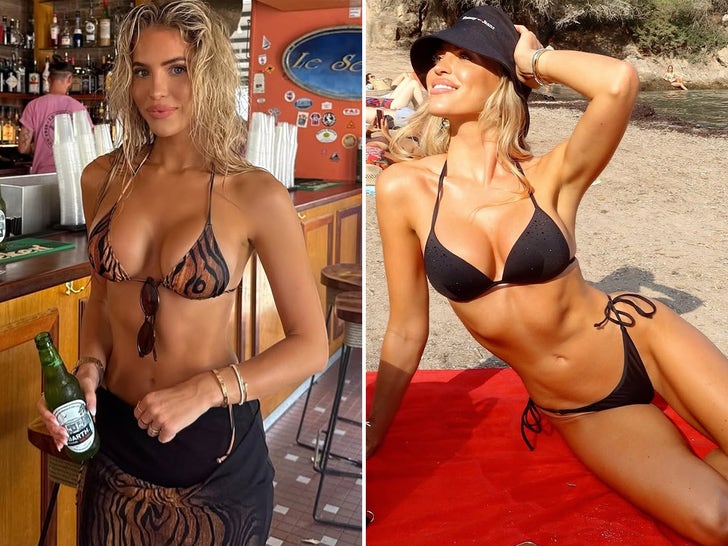
The sequence of events, as it has unfolded publicly, provides a clear timeline of the controversy:
- Stagecoach Festival: The alleged incident takes place, involving Allie Eklund and Drew Dodson, while Steven McBee Jr. is also present.
- Steven McBee Jr.’s Departure and Accusations: McBee Jr. leaves the festival early, subsequently receives DMs, calls, and videos, leading him to publicly accuse Eklund of infidelity and announce their breakup.
- Allie Eklund’s Denial: Eklund responds, denying the cheating allegations and expressing disappointment over McBee Jr.’s decision to go public before discussing the matter privately. She cites his emotional reactions as a reason for her initial reticence.
- Drew Dodson’s Statement: Dodson breaks his silence, denying the cheating claims, clarifying his presence at Stagecoach as purely social, and expressing frustration over the unverified public accusations.
Implications and Future Outlook
The public unraveling of McBee Jr. and Eklund’s relationship, coupled with Dodson’s emphatic denial, leaves the situation in a state of ambiguity for the public. While Dodson and Eklund have both attempted to clarify and de-escalate, the initial accusations from McBee Jr. have created a narrative that is difficult to fully retract or dismiss. The immediate implications include significant reputational challenges for all parties involved. For Eklund, the accusation of infidelity can be damaging, regardless of her denial. For Dodson, being publicly identified as "the other man" carries its own stigma. And for McBee Jr., while he initiated the public discourse, the lack of definitive, firsthand proof in his statements could lead to questions about his handling of the situation.
Beyond the personal ramifications, this incident underscores broader societal trends concerning privacy, media consumption, and the ethics of public shaming in the digital age. The desire for "truth" in such situations often clashes with the complexities of personal relationships and the inherent biases of social media narratives. As the dust settles, the long-term impact on their public personas, relationships, and potential careers will depend on how each individual navigates the ongoing fallout and whether any further evidence or statements emerge to conclusively resolve the conflicting accounts. The incident serves as a potent reminder of the fragility of public images and the enduring power of online narratives in contemporary culture.