


The cinematic landscape of 1970s South Korea, a period often characterized by rapid modernization and significant socio-political shifts, plays host to "Night Journey," a compelling, albeit challenging, film adapted from the celebrated works of 20th-century novelist Kim Seung-ok. Originally shot in 1973, the film’s release was significantly delayed due to the stringent censorship prevalent at the time, eventually reaching audiences in a truncated form four years later in 1977. Even the version currently available on the Korean Film Archive’s YouTube channel, while less heavily edited than its initial theatrical release, still bears the marks of censorship, a factor that director Kim Ki-young himself has acknowledged as potentially contributing to the film’s narrative complexities, though not entirely excusing them. This retrospective screening of "Night Journey" is presented as part of the distinguished series "Korean Cinema’s Celluloid Fever: The 1970s," a collaboration between Film at Lincoln Center (FLC) and Subway Cinema, offering a valuable opportunity to examine a pivotal yet often overlooked era of Korean filmmaking.
Thematic Undercurrents and Societal Reflections
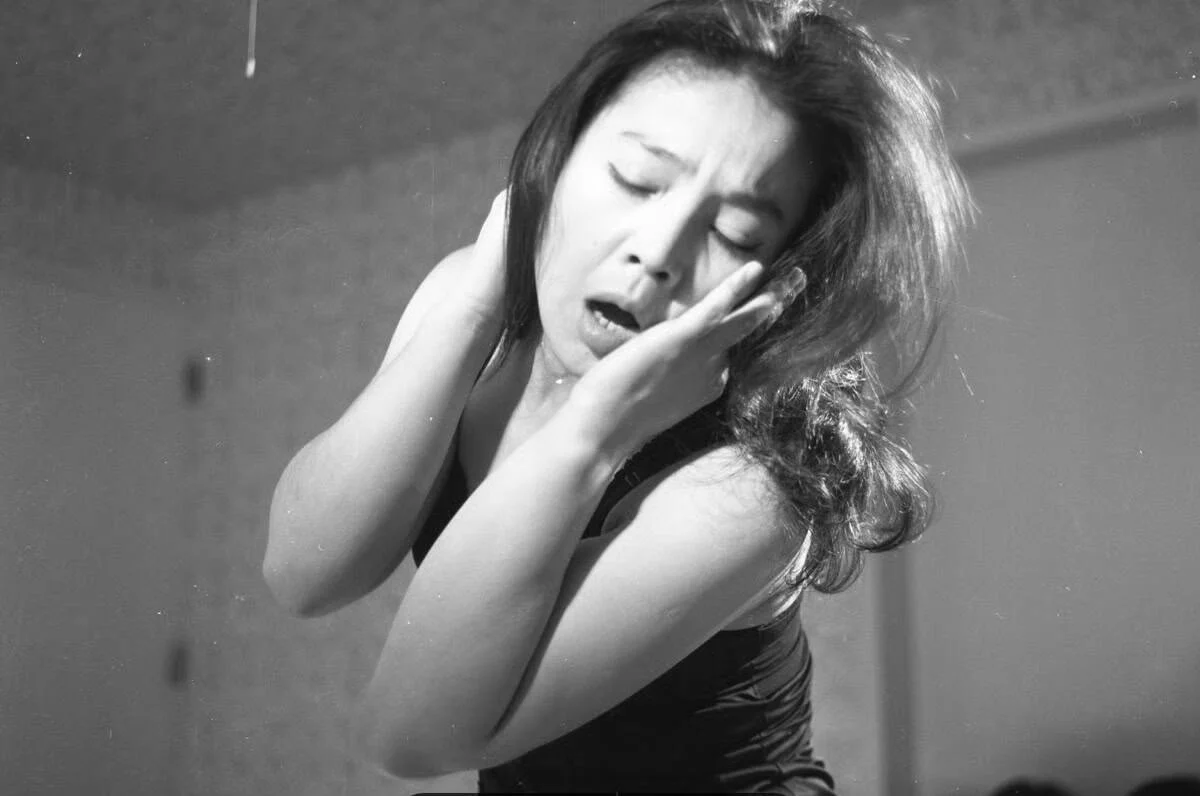
At its core, "Night Journey" delves into the life of Hyeon-joo, a beautiful and seemingly accomplished bank employee whose personal life is fraught with societal pressures and clandestine entanglements. She maintains a secret relationship with Assistant Manager Park, a man hesitant to formalize their union due to the pervasive fear of gossip and professional repercussions. This secrecy is compounded by Hyeon-joo’s status as the sole unmarried woman among her colleagues, making her a target of ridicule and the unflattering moniker of "Old Maid." The film artfully portrays the precarious balance of their erotic life, which offers moments of solace for both, yet is underscored by Park’s struggle with alcoholism, a trait shared by a significant number of male characters in the film. His continued involvement with Hyeon-joo appears rooted in convenience rather than genuine commitment, a fact that fuels Hyeon-joo’s increasingly desperate emotional outbursts.
This personal turmoil culminates in Hyeon-joo’s decision to take a paid vacation and return to her hometown, a place that seems to hold both solace and specters of her past. Her immediate actions upon arrival—donning her high school uniform and taking her younger sister to a cherished childhood beach—suggest a yearning to reconnect with a simpler time, or perhaps to confront unresolved issues. As the narrative unfolds, the reasons behind her estrillment from her hometown become clearer. Perceived as an outcast, she was forced to leave after her relationship with a teacher, who later died in the Vietnam War, was exposed. This traumatic experience appears to have shaped her subsequent behavior, possibly explaining her near-masochistic tendencies within her relationship with Park. Despite her tarnished reputation, a new suitor emerges in her hometown, yet the magnetic pull of urban life and its inherent complexities remains a powerful force.
Kim Seung-ok’s literary prowess is evident in the film’s nuanced commentary on the societal expectations placed upon women in 1970s Korea. Hyeon-joo, despite her professional success and undeniable beauty, is deemed "unfulfilled" due to her marital status and, implicitly, her family’s economic struggles. Assistant Manager Park’s casual exploitation of her affections, without any intention of commitment, further underscores this societal imbalance. The workplace ridicule she endures serves as a stark reminder of these constraints. Hyeon-joo’s tolerance of Park’s behavior, however, transcends mere societal pressure, pointing towards deeper psychological scars stemming from her past trauma. The film suggests that her experiences with her teacher were so profound that they have imprinted a pattern of seeking validation or perhaps even a form of catharsis through the more violent or emotionally charged aspects of her relationships, as vividly illustrated by her interactions with Park and a pivotal incident on a bridge. This exploration pushes "Night Journey" into psychosexual territory, enhanced by the sensual portrayal of Hyeon-joo’s beauty and the evocative camerawork of Director of Photography Kim Deok-jin, particularly during intimate scenes, despite the near absence of nudity.
Narrative Disruption and Cinematic Challenges
While the film’s thematic depth and exploration of psychosexual dynamics are undeniably intriguing, its narrative presentation presents significant hurdles for the viewer. The fragmented storytelling, characterized by frequent temporal shifts, the disjointed placement of flashbacks, and a pervasive blurring of the lines between reality and dream, renders the plot exceptionally difficult to follow. The editing, in this regard, appears particularly flawed, though some of these shortcomings can arguably be attributed to the impact of censorship on the original cut. At a runtime of 65 minutes, the film avoids overstaying its welcome, yet the narrative incoherence remains a notable detraction. Furthermore, the character of Assistant Manager Park feels underdeveloped, his actions largely explained through a generalized indictment of male immaturity rather than a nuanced exploration of his motivations. This contrasts sharply with the thorough psychological dissection of Hyeon-joo, making Park’s character appear comparatively shallow.
A Resilient Performance and Artistic Merits
Despite these narrative challenges, the performance of Yoon Jeong-hee as Hyeon-joo is a significant strength of the film. She masterfully embodies a complex woman whose past has forged an individual who oscillates between victim, seductress, seriousness, shame, playfulness, and masochism. Beyond the central performance, the film also boasts several striking montages. The sequences depicting men in a bar and scenes set on the beach are particularly artful, showcasing moments of directorial flair and visual artistry that punctuate the otherwise disjointed narrative. These moments hint at the film’s potential and the artistic vision that may have been constrained by external factors.
The Legacy of "Night Journey"
"Night Journey" ultimately emerges as a film of considerable interest, primarily due to its potent use of its female protagonist as a conduit for multifaceted societal commentary. However, the narrative’s demand for significant viewer patience ultimately detracts from its overall impact, leaving a lasting impression of a film that, while rich in thematic ambition, struggles to fully realize its potential on screen. The film’s journey from its initial conception in 1973 to its eventual, albeit compromised, release, mirrors the broader struggle for artistic freedom and expression within the highly regulated cinematic environment of 1970s South Korea. The availability of this film through platforms like the Korean Film Archive is crucial for understanding not only the artistic output of the era but also the socio-political forces that shaped it, offering a window into the lives and struggles of women in a rapidly transforming society. The persistent issues of censorship and its impact on narrative integrity serve as a potent reminder of the challenges faced by filmmakers during this period, and the enduring value of preserving and critically examining such works for their historical and cultural significance. The film’s participation in the "Korean Cinema’s Celluloid Fever: The 1970s" series underscores its importance as a piece of cinematic history, inviting audiences to engage with the complexities of a bygone era through a compelling, if imperfect, lens.