


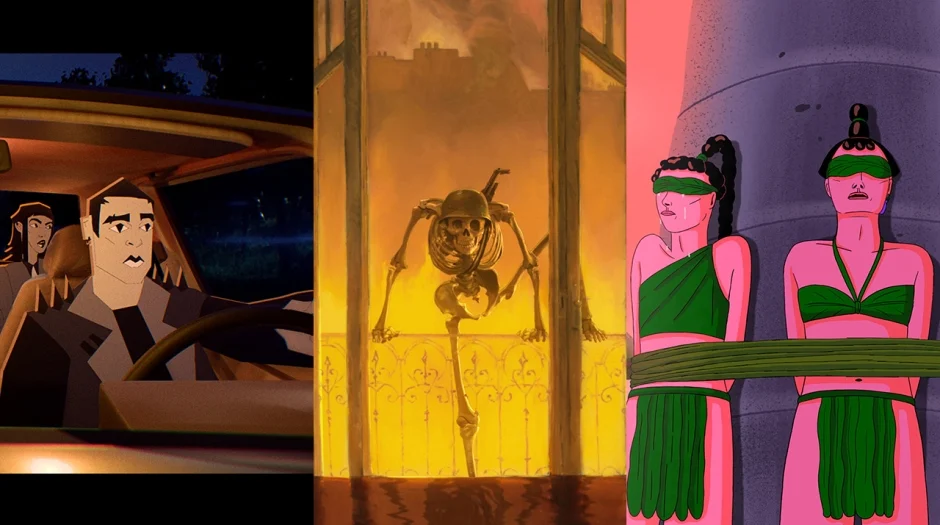
Hungary is poised to make a significant impact at Annecy and MIFA 2026, presenting a diverse slate of five competition films, seven promising pitch projects, and a dedicated national booth designed to highlight the nation’s vibrant animation studios. This strong showing follows Hungary’s prestigious role as the Guest of Honor country at the previous year’s festival, underscoring a continued and deepening engagement with the international animation community. The initiative, bolstered by the National Film Institute Hungary and orchestrated by the Hungarian Animation Producers Association (HAPA), also sees animation film historian Anna Ida Orosz lending her expertise to the esteemed Contrechamp jury, a testament to the growing recognition of Hungarian contributions to the art form.
A Diverse Selection for International Competition
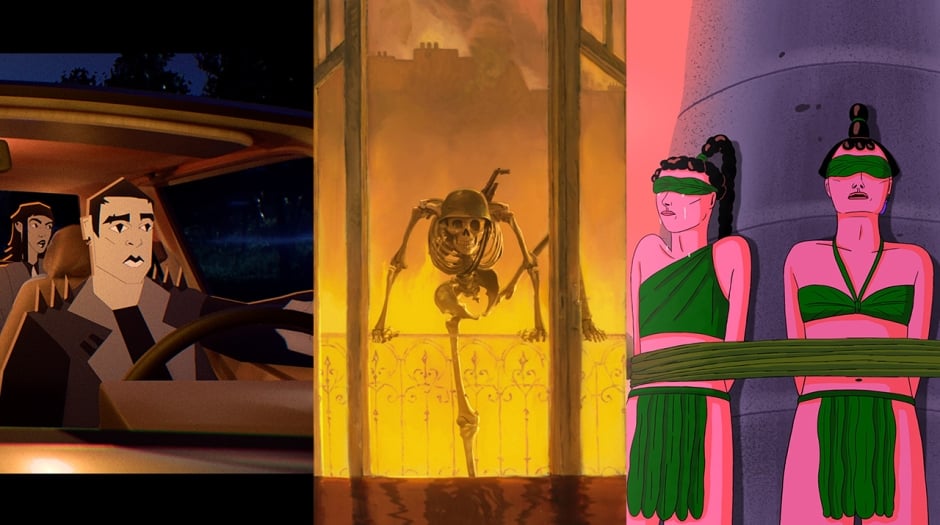
The lineup of Hungarian films vying for recognition at Annecy 2026 reflects a broad spectrum of styles and themes. In the highly competitive Short Films Competition, audiences will be treated to Zsuzsanna Kreif’s Adgwa-Ata, Béla Klingl’s Creation, and the world premiere of Hisko Hulsing’s European co-production, Danse Macabre. Máté Horesnyi’s commissioned work for the Friss Kakas Animation Film Days spot will be featured in the Commissioned Films selection, demonstrating the versatility of Hungarian animation in both artistic and commercial spheres. Further bolstering the country’s presence, Márió László’s Bonefuzz (Csontzörejt), a production from MOME Animation, is set to compete in the Graduation Films section, showcasing emerging talent.
Spotlight on Competing Films
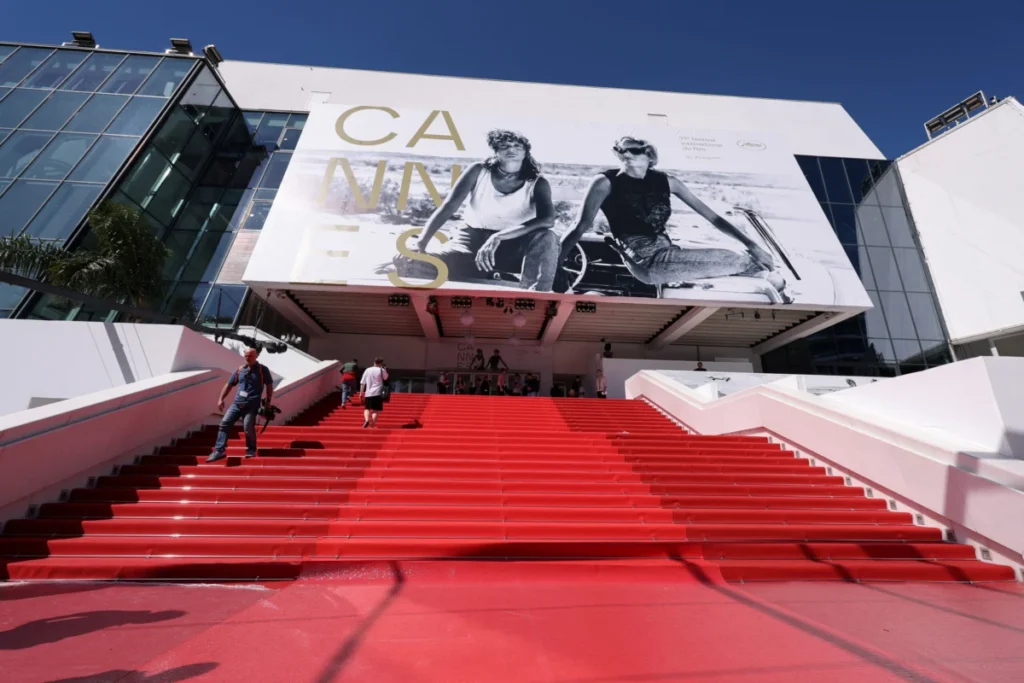
Zsuzsanna Kreif’s Adgwa-Ata, which garnered critical attention with its world premiere at Cannes Critics’ Week in May, delves into a profound exploration of adolescence and cultural immersion. The narrative follows three teenage girls who are unexpectedly drawn into a mysterious Amazonian initiation ritual. This immersive experience, steeped in the symbolism of snakes and shamanistic practices, positions the serpentine creatures as potent metaphors for transformation, the visceral nature of fear, and the often-challenging transition into adulthood. The film, a Hungarian-French co-production involving Boddah, Avec Ou Sans Vous, and XBO Films, received crucial financial backing from the National Film Institute Hungary, highlighting a strategic investment in international co-productions and culturally resonant storytelling. The visual richness and thematic depth of Adgwa-Ata are expected to resonate strongly with Annecy’s discerning jury and international audience.
Béla Klingl’s Creation promises a more introspective and abstract cinematic journey. Produced by K.G.B. Studio, the film is described as a poetic and deeply personal reflection on the very essence of artistic creation. Through the evocative power of abstract animation and intimate visual storytelling, Klingl aims to capture the intangible processes that drive artistic endeavor. Klingl’s background as a VFX supervisor on notable projects such as Anora and his collaborations with acclaimed director Ildikó Enyedi suggest a sophisticated command of visual language and a keen eye for detail, which will undoubtedly translate into a visually compelling and emotionally resonant film.
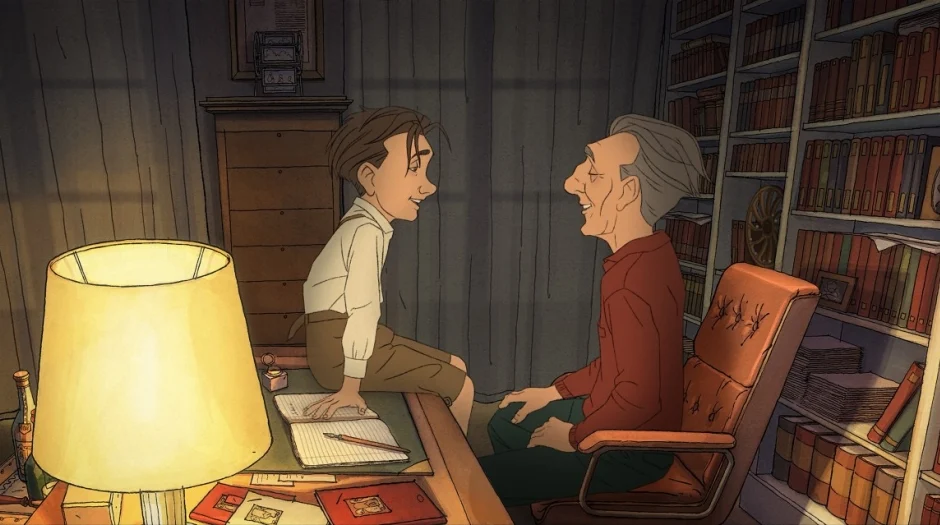
The European co-production Hisko Hulsing’s Danse Macabre stands as a powerful anti-war statement, set against the backdrop of Dmitri Shostakovich’s monumental "Symphony No. 10." This ambitious project brings together a consortium of European production houses, including Valk Films, Autour de Minuit, ViviFilm, and Hungary’s Cinemon Entertainment. Cinemon Entertainment’s significant contribution to the 3D animation and VFX production underscores the technical capabilities and collaborative spirit within the Hungarian animation industry. Hulsing, a Dutch director, brings a unique international perspective to the project, promising a visually arresting and emotionally charged film that speaks to the enduring human cost of conflict. The film’s premiere at Annecy is anticipated to spark considerable discussion and critical engagement, particularly given its timely thematic relevance.

Márió László’s Bonefuzz (Csontzörejt), originating from the esteemed MOME Animation department, offers a compelling narrative of personal growth and connection. The film centers on a withdrawn, deaf boy who finds solace and escape in the solitary world of video games. His life takes an unexpected turn when his brother introduces him to a concert by an enigmatic band, an experience that promises to be transformative. The film’s focus on a character navigating the world through a different sensory experience, coupled with themes of sibling connection and the power of music, suggests a narrative rich in emotional depth and nuanced character development. The inclusion of a graduation film in the main competition highlights MOME Animation’s commitment to nurturing and showcasing emerging directorial voices.
Cultivating Future Talent: Pitch Projects and Industry Engagement
Beyond the competition screenings, Hungary’s presence at Annecy and MIFA 2026 will be significantly amplified by its robust representation in international pitching programs and a dedicated industry presence. This strategic approach underscores Hungary’s commitment to fostering new talent, securing international co-production partnerships, and promoting its animation studios on a global stage.
Balázs Turai’s new project, Killin’ It, has earned a coveted spot in the official Annecy Pitch selection, a highly competitive program that offers a platform for promising projects to gain visibility and attract potential investors and collaborators. Similarly, Anna Katalin Lovrity’s Rosie and Sapphire has been selected for the CEE Animation MIFA Pitch, further demonstrating the strength and diversity of Hungarian animation development. These selections are not merely individual achievements; they represent the successful output of national development programs and the strategic support provided by institutions like the National Film Institute Hungary.

The MIFA Hungarian Partner Pitch, scheduled for June 25th, will serve as a crucial showcase for five additional projects, offering a comprehensive overview of the current animation landscape in Hungary. These include:
- Abracadabra, a series project by Júlia Farkas and Zita Vadász, hinting at a potentially magical or fantastical narrative.
- Paradise Island, a series by Eszter Molnár, suggesting a focus on escapism or adventure.
- Sun in Retrograde, a short film by Adél Szegedi, the title of which evokes a sense of introspection or a departure from the norm.
- Nature’s Creatures Nature, a series by Csaba Klement, pointing towards an exploration of the natural world and its inhabitants.
- Half Open, Half Pose, a short film by Fábián Balogh, the title of which suggests a nuanced or perhaps confrontational thematic exploration.
This multi-faceted pitching initiative, organized collaboratively by the Hungarian Animation Producers Association and the Friss Hús Budapest International Short Film Festival, with continued support from the National Film Institute Hungary, underscores a coordinated effort to propel Hungarian animation projects into the international market. The selection process for these pitches is notoriously rigorous, involving evaluation by industry experts and a focus on market potential, creative originality, and production feasibility.
The National Booth: A Hub for Collaboration
Throughout MIFA, attendees will have the opportunity to engage directly with the Hungarian animation sector at HAPA’s national industry stand, located at booth MIFA B33. This dedicated space will serve as a central hub for international professionals to connect with Hungarian studios, producers, and creators. The booth’s presence signifies a concerted effort to foster direct collaborations, facilitate business development, and showcase the diverse range of services and creative talent available within Hungary’s animation ecosystem. Industry professionals can expect to find information on production capabilities, access to a network of animators and artists, and opportunities to explore potential co-productions and service work.

Context and Significance: Hungary’s Ascending Animation Trajectory
Hungary’s robust presence at Annecy and MIFA 2026 is not an isolated event but rather a continuation of a strategic and sustained effort to elevate its animation industry on the global stage. The nation’s designation as Guest of Honor in 2025 provided a significant platform, allowing Hungarian animation to reach a wider international audience and fostering a deeper understanding of its rich history and contemporary dynamism. This year’s participation builds upon that momentum, demonstrating a commitment to sustained engagement and showcasing the evolving capabilities and creative output of Hungarian studios and artists.
The National Film Institute Hungary has played a pivotal role in this ascendancy, providing crucial financial support and strategic guidance to animation projects at various stages of development and production. Their investment in both artistic endeavors and industry infrastructure has been instrumental in fostering a fertile environment for creativity and innovation. The Hungarian Animation Producers Association, in turn, acts as a vital conduit, coordinating industry efforts, advocating for its members, and facilitating international partnerships.
The presence of Anna Ida Orosz on the Contrechamp jury further solidifies Hungary’s integration into the highest echelons of the international animation community. Her role as a film historian lends a crucial perspective on the art form’s evolution and its diverse manifestations, reflecting a growing appreciation for the theoretical and critical contributions emanating from Hungary.

Broader Implications for the Animation Landscape
Hungary’s comprehensive approach to Annecy and MIFA 2026 has several significant implications for the broader animation landscape. Firstly, it signals a maturing and increasingly competitive Hungarian animation industry capable of producing high-quality, internationally appealing content across various genres and formats. The diverse selection of competition films and pitch projects suggests a creative dynamism that extends from auteur-driven shorts to ambitious co-productions and promising series concepts.
Secondly, the strategic emphasis on co-production and international collaboration, exemplified by films like Danse Macabre and Adgwa-Ata, highlights Hungary’s attractiveness as a partner for global animation ventures. The availability of skilled talent, supportive infrastructure, and favorable co-production agreements makes Hungary an increasingly sought-after destination for international animation projects.
Finally, the dedicated national presence at MIFA serves to demystify the Hungarian animation sector for international professionals, fostering greater transparency and accessibility. This proactive approach is crucial for building trust, facilitating business relationships, and ultimately driving more international investment and collaboration into Hungary. As the industry continues to evolve, Hungary’s sustained and strategic engagement with Annecy and MIFA is likely to solidify its position as a significant and influential player in the global animation arena for years to come.