Ira Sachs’ Latest Film Delves into the Complexities of Life, Love, and Mortality in 1980s New York City
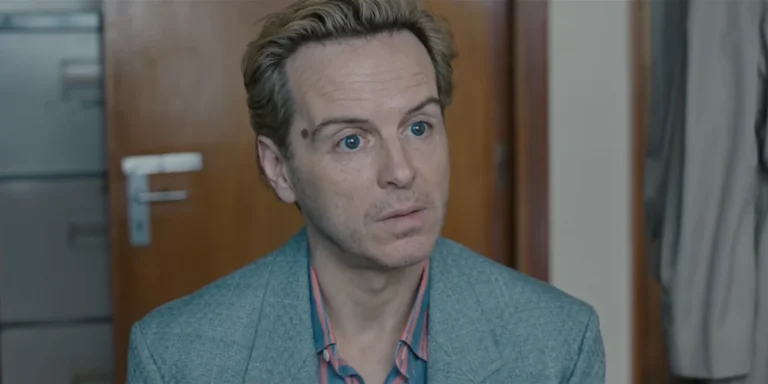
In late 1980s New York City, a vibrant yet precarious era, filmmaker Ira Sachs returns with "The Man I Love," a poignant and unflinching exploration of human connection and the profound impact of mortality. The film centers on Jimmy George, portrayed by Rami Malek, a theater actor grappling with a life-threatening illness, who embarks on what may be his final significant role. This deeply personal narrative, co-written by Sachs and Mauricio Zacharias, challenges conventional portrayals of illness and suffering, presenting a nuanced portrait of a flawed individual navigating the twilight of his life with both defiance and vulnerability.
A Glimpse into Jimmy George’s World
"The Man I Love" unfolds against the backdrop of a New York City grappling with the realities of the AIDS epidemic, though the film refreshingly eschews explicit pronouncements of the disease, opting instead for a more ambient awareness that mirrors the societal understanding of the time. Jimmy George, an actor known for his magnetic stage presence, finds himself preparing for a challenging, gender-bending adaptation of André Brassard’s 1974 film "Il était une fois dans l’est." His rehearsals take him from the intimate confines of his shared apartment with his partner, Dennis (Tom Sturridge), to the theatrical spaces that have defined his career. The arrival of a charismatic new neighbor, Vincent (Luther Ford), injects a new dynamic into Jimmy’s life, hinting at the complex emotional landscapes the film is poised to explore.
The film’s 96-minute runtime allows for a focused and immersive experience, drawing viewers into Jimmy’s internal and external world. Sachs, a director known for his compelling portrayals of "difficult" characters, continues this thematic exploration with "The Man I Love." His previous works, such as the narcissistic exploration in "Passages," the challenging relationship dynamics in "Keep the Lights On," and the darkly romantic "The Delta," have consistently demonstrated his ability to delve into the less-than-ideal aspects of human nature. With "The Man I Love," Sachs offers a character study that is both deeply sympathetic and unflinchingly honest, refusing to cast his protagonist as a saintly victim of circumstance.
A Stellar Ensemble Cast
The casting of Rami Malek as Jimmy George is a pivotal element of the film’s success. Malek, who has previously captivated audiences with his transformative performances, delivers what is being hailed as his most profound work to date. His portrayal of Jimmy is marked by a meticulous physicality, a conscious effort to control his body’s failing impulses, reflecting the actor’s own command over physical transformation. This controlled movement, often appearing "wound up," conveys the internal struggle of a man fighting to maintain his composure and presence amidst a deteriorating health.
Complementing Malek’s performance is Tom Sturridge as Dennis, Jimmy’s partner. Sturridge embodies Dennis with a quiet strength and unwavering devotion. His portrayal is one of understated grace, capturing the immense emotional labor of caring for a partner facing a life-threatening illness. Dennis serves as the emotional anchor of the film, his patience and deliberate care for Jimmy demonstrating a deep understanding of his partner’s nature and the limited time they have together. The subtle nuances of Sturridge’s performance, straddling the line between lover and caregiver, are particularly impactful, avoiding any hint of pity or pathos.
Luther Ford, making his feature film debut, is captivating as Vincent. Known for his role as Prince Harry in "The Crown," Ford brings a youthful magnetism to Vincent, a new neighbor who quickly captures Jimmy’s attention. Ford wisely portrays Vincent not just as a younger man, but as one striving for an outward appearance of maturity and certainty, a common aspiration for those in their early twenties. His bright red hair serves as a visual metaphor for the fiery path he carves through his interactions, adding a vibrant counterpoint to the film’s more somber themes.
Rebecca Hall, a consistent presence in Sachs’ filmography, makes a memorable appearance as Brenda, Jimmy’s sister. Despite her limited screen time, Hall’s performance is a masterclass in calibrated emotional delivery. Her impeccable accent work and the subtle build-up of a single tear in her eye underscore the profound impact of her character’s familial connection and unspoken grief.
Thematic Depth and Artistic Choices
The screenplay by Ira Sachs and Mauricio Zacharias, in their sixth collaboration, demonstrates a sophisticated understanding of character and narrative. They resist the temptation to lean into predictable melodrama or stereotypical portrayals of relationships affected by illness. Instead, the narrative is framed from a non-judgmental distance, allowing the complexities of human behavior to unfold organically. The film’s exploration of Jimmy’s impulses, even in the face of his diagnosis, challenges the notion of the saintly sufferer, presenting a credibly flawed individual whose actions have consequences, even as his circumstances inspire sympathy.
The title, "The Man I Love," can be interpreted as a testament to Dennis’s unwavering devotion, a quiet declaration of his enduring love for Jimmy, even as Jimmy’s life choices create turmoil. This thematic resonance is amplified by Sturridge’s subtle portrayal, which underscores the depth of his character’s commitment.
Musicality and Visual Aesthetics
While not a musical in the traditional sense, "The Man I Love" incorporates moments of musicality that add to its unique texture. The film features sporadic singing, notably a scene at a party where Jimmy’s family and theatrical ensemble perform snippets of songs a cappella. Rami Malek himself showcases his vocal talents, performing a rendition of the Gershwin song from which the film derives its title. This performance is described as "smoldering" and "memorable," highlighting Malek’s versatility and commitment to the role.
The film’s visual aesthetic is equally compelling. Costume designer Megan Gray has crafted a wardrobe that eschews the overt clichés of 1980s fashion, instead opting for refined, flattering, and plausible metropolitan style. Jimmy’s collection of smart polos and the striking, almost absurd, costume Malek wears as a female character in his play contribute to the film’s visual richness and occasional moments of levity. This attention to detail in costume and set design grounds the film in its historical period while maintaining a timeless quality.
Background Context and Societal Implications
The setting of late 1980s New York City is crucial to understanding the film’s narrative and thematic underpinnings. This was a period when the AIDS crisis was at its peak, deeply impacting the LGBTQ+ community and sparking widespread fear, misinformation, and social stigma. The film’s subtle approach to the illness reflects the lived experience of many at the time, where the presence of AIDS was a palpable reality, often understood and navigated without explicit naming.
The film’s exploration of Jimmy’s "reckless behavior" and Vincent’s retort, "life happens," speaks to the broader societal responses to the epidemic. While some grappled with the grim realities, others, like Vincent, embodied a more carefree, perhaps even defiant, attitude towards the potential consequences of their actions. This dynamic highlights the varied ways individuals coped with uncertainty and mortality during a deeply challenging period.
Analysis of Implications
"The Man I Love" contributes to a growing body of cinematic work that seeks to humanize and complexify the narratives surrounding the AIDS epidemic. By focusing on the lived experiences of individuals grappling with the disease and its societal impact, the film offers a counter-narrative to simplistic portrayals of victimhood. It underscores the importance of understanding the personal choices, relationships, and emotional landscapes that define lives, even in the face of overwhelming adversity.
The film’s success also hinges on its ability to resonate with contemporary audiences by exploring universal themes of love, loss, and the search for meaning. Sachs’ signature style of presenting "difficult" characters with empathy and honesty ensures that "The Man I Love" is not just a historical piece but a timeless examination of the human condition. The film’s refusal to offer easy answers or judgments encourages viewers to engage with the complexities of its characters and their choices, fostering a deeper understanding of the multifaceted nature of life.
The ensemble’s collective performance, from Malek’s tour-de-force portrayal of Jimmy to Sturridge’s grounded presence and Ford’s magnetic debut, creates a rich tapestry of human experience. Rebecca Hall’s brief but impactful appearance further solidifies the film’s commitment to nuanced character development.
Broader Impact and Reception
Ira Sachs has consistently demonstrated a talent for crafting intimate, character-driven dramas that provoke thought and emotion. "The Man I Love," with its strong performances, insightful screenplay, and evocative setting, is poised to be another significant addition to his acclaimed body of work. The film’s exploration of themes relevant to the LGBTQ+ community, particularly during the AIDS epidemic, offers a valuable perspective for both historical understanding and contemporary discourse on health, relationships, and societal resilience.
The film’s release comes at a time when storytelling that embraces complexity and challenges stereotypes is increasingly vital. By presenting a story that is "well-considered, truthful, and candidly close to life," "The Man I Love" aims to offer audiences a cinematic experience that is both profoundly moving and intellectually stimulating. The film’s success will likely be measured not only by its critical reception but also by its ability to spark meaningful conversations about the enduring power of human connection in the face of life’s most profound challenges.