


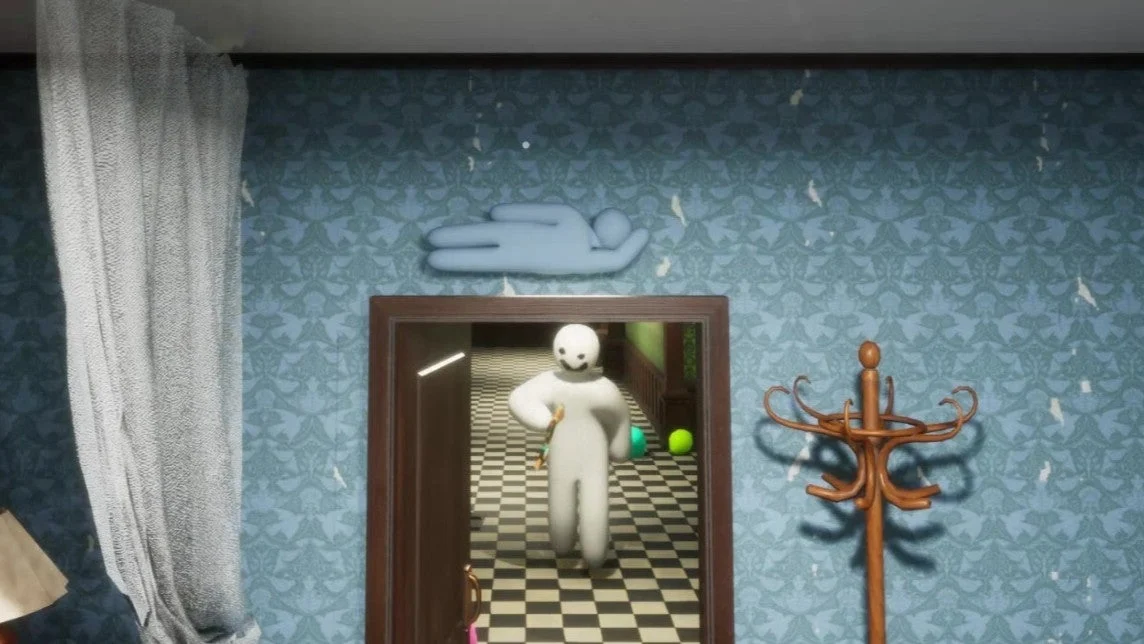
The independent gaming landscape has witnessed a remarkable surge in viral success stories over the past several years, but few titles have demonstrated the explosive trajectory currently being charted by Meccha Chameleon. In a market often dominated by high-budget, triple-A releases, this minimalist hide-and-seek title has officially surpassed the 10 million copies sold milestone, a feat achieved just months after its initial launch on June 10. This latest achievement is particularly noteworthy given the velocity of its growth; only five days prior to this announcement, the game was reported to have reached the seven million sales mark. The addition of three million new players in less than a week underscores the potent combination of accessible gameplay, social integration, and the influential power of digital word-of-mouth in the modern gaming era.
Developed by the creative duo Lemorion_1224 and Haganerio, Meccha Chameleon has transitioned from a niche indie project to a bona fide cultural phenomenon within the PC gaming community. The developers acknowledged the milestone through a concise update on the Steam platform, expressing their gratitude to the community that has propelled the game to the top of the sales charts. While the message was brief, the implications of such a sales figure are profound, positioning Meccha Chameleon alongside some of the most successful independent titles in history, such as Among Us, Lethal Company, and REPO.
The Mechanics of Camouflage and Social Engagement
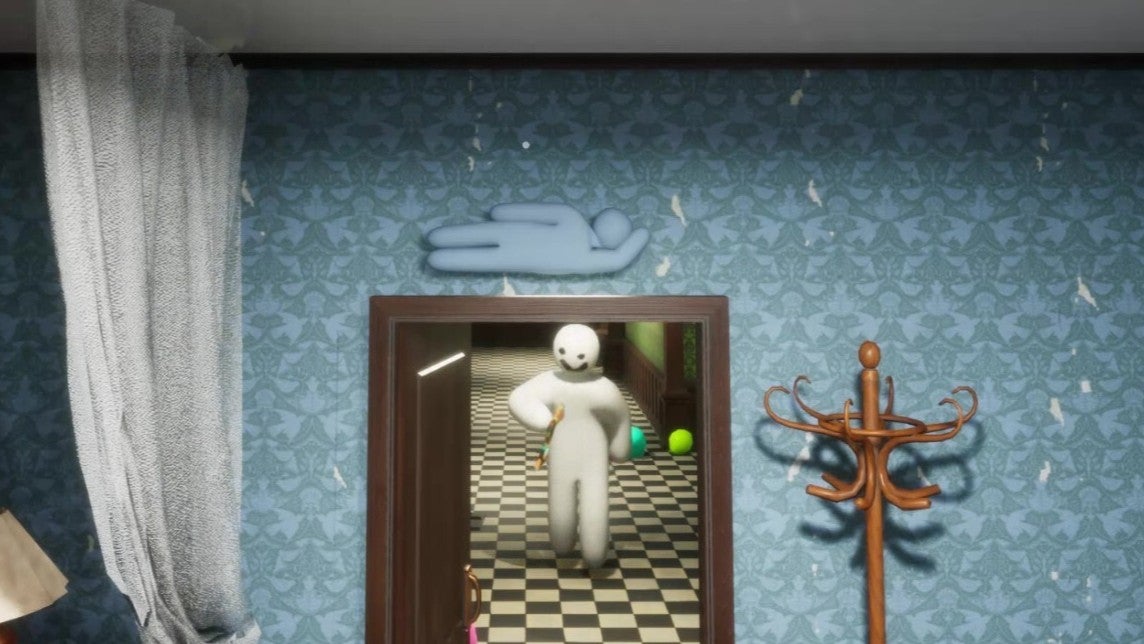
At its core, Meccha Chameleon utilizes a deceptively simple premise that taps into the universal appeal of hide-and-seek. However, it distinguishes itself through a unique "paint-and-disguise" mechanic. Players are tasked with using a variety of digital paint tools to match their character’s texture and color to the surrounding environment. Whether blending into a brick wall, a wooden floor, or complex industrial machinery, the goal is to become functionally invisible to the "seekers" who are patrolling the map.
This mechanic introduces a high degree of tension and creativity. Unlike traditional stealth games that rely on pre-set hiding spots or shadow mechanics, Meccha Chameleon grants players the agency to create their own camouflage in real-time. This creates a dynamic "cat-and-mouse" loop where seekers must develop a keen eye for subtle inconsistencies in the environment, while hiders must possess the artistic precision and nerves of steel to remain still as an opponent passes just inches away.
The social nature of the game is its primary engine for growth. Designed as a cooperative and competitive multiplayer experience, it thrives on the unpredictability of human interaction. The game’s low barrier to entry—both in terms of hardware requirements and mechanical complexity—allows it to appeal to a broad demographic, ranging from hardcore enthusiasts to casual players looking for a social evening activity.
Economic Positioning and Market Strategy
One of the most significant factors contributing to the 10 million sales figure is the game’s aggressive and consumer-friendly pricing strategy. Retailing at approximately £5.29, Meccha Chameleon sits in a price bracket that encourages "impulse buying" and makes it an easy recommendation for groups of friends. When compared to the rising costs of triple-A titles, such as the recently released 007 First Light which carries a premium price tag of £59.99, the value proposition of Meccha Chameleon becomes clear.
Industry analysts note that this "micro-pricing" strategy is a hallmark of the modern indie breakout hit. By lowering the financial risk for the consumer, developers can maximize their player base, which in turn fuels the game’s visibility on platforms like Steam. This high volume of players compensates for the lower per-unit profit margin, eventually leading to the massive revenue totals seen with the 10-million-unit milestone. Furthermore, a larger player base ensures that matchmaking servers remain populated, a critical component for the longevity of any multiplayer-centric title.
A Chronology of Rapid Expansion
The timeline of Meccha Chameleon’s ascent is a study in viral momentum. Launched on June 10, the game initially saw steady but modest growth as it found its footing among early adopters and indie game enthusiasts. However, by mid-summer, the title began to appear frequently in the "Top Sellers" and "Most Played" categories on Steam.
- June 10: Official release on Steam. Initial reception is positive, focusing on the novelty of the paint mechanics.
- July – August: Organic growth via Twitch and YouTube. Content creators begin to showcase the humorous and tense moments inherent in the gameplay, leading to a spike in concurrent users.
- Late August: The game reaches its first major milestones, crossing the three million and five million sales thresholds.
- Early September: Developers introduce the "Japan-themed map" in celebration of reaching seven million sales. This update adds new environmental textures and architectural challenges, further incentivizing existing players to return.
- Mid-September: The game hits 10 million sales just five days after the seven million mark was reported.
- Current Status: Despite a minor setback with the 1.8.1 update, which was rolled back due to a critical bug, the game maintains a massive active player base and continues to dominate social media trends.
The Role of Content Creators and Digital Communities
The meteoric rise of Meccha Chameleon cannot be discussed without acknowledging the role of the creator economy. Platforms like Twitch, TikTok, and YouTube have served as the primary marketing vehicles for the game. The visual nature of the "camouflage" mechanic makes for highly "clip-able" content. Viewers enjoy the suspense of watching a streamer hide in plain sight, and the subsequent "jump scare" or comedic reveal when they are finally discovered.
This cycle of visibility creates a feedback loop: streamers play the game because it attracts viewers; viewers buy the game because it looks entertaining to play with friends; and the growing player base attracts even more streamers. This organic marketing is often more effective than traditional advertising campaigns, as it carries the weight of a personal recommendation from a trusted influencer.
Technical Evolution and the Road Ahead
Maintaining a game that experiences such rapid growth presents unique technical and logistical challenges for a small development team. Lemorion_1224 and Haganerio have been proactive in addressing player feedback, though the journey has not been without obstacles. The recent 1.8.1 update, intended to provide further refinements and content, had to be rolled back almost immediately after launch. The developers cited a critical bug that impacted gameplay stability, demonstrating the pressures of maintaining a live-service environment under the scrutiny of millions of players.

Despite this, the introduction of the Japan-themed map—released as a "thank you" for the seven million sales milestone—was met with widespread acclaim. The map introduced neon-lit streets, traditional paper walls (shoji), and intricate gardens, all of which offered new tactical opportunities for hiders. The success of this update suggests that the community is eager for more localized and themed content, which could serve as a blueprint for future expansions.
Industry Implications and the "Indie Social" Genre
The success of Meccha Chameleon reinforces a shifting trend in the gaming industry toward "social co-op" and "social deduction" games. Following the path cleared by Among Us during the pandemic and Lethal Company in late 2023, Meccha Chameleon proves that players are increasingly looking for experiences that prioritize social interaction over graphical fidelity or complex narratives.
This shift has significant implications for both indie developers and major publishers. For indies, it proves that a strong, unique hook and a fair price point can overcome lack of marketing budget. For major publishers, it serves as a reminder that the "live service" model does not always require hundreds of millions of dollars in investment; sometimes, a well-executed, simple idea can capture the global zeitgeist more effectively than a cinematic blockbuster.
As Meccha Chameleon moves past the 10 million mark, the industry will be watching closely to see how the developers manage the "long tail" of the game’s lifecycle. Sustaining this level of engagement will require a consistent cadence of updates, new maps, and perhaps the introduction of new game modes or cosmetic customization options. If the current trajectory is any indication, Meccha Chameleon is well on its way to becoming a permanent fixture in the multiplayer gaming landscape, proving once again that in the world of video games, sometimes the best way to stand out is to learn how to perfectly blend in.