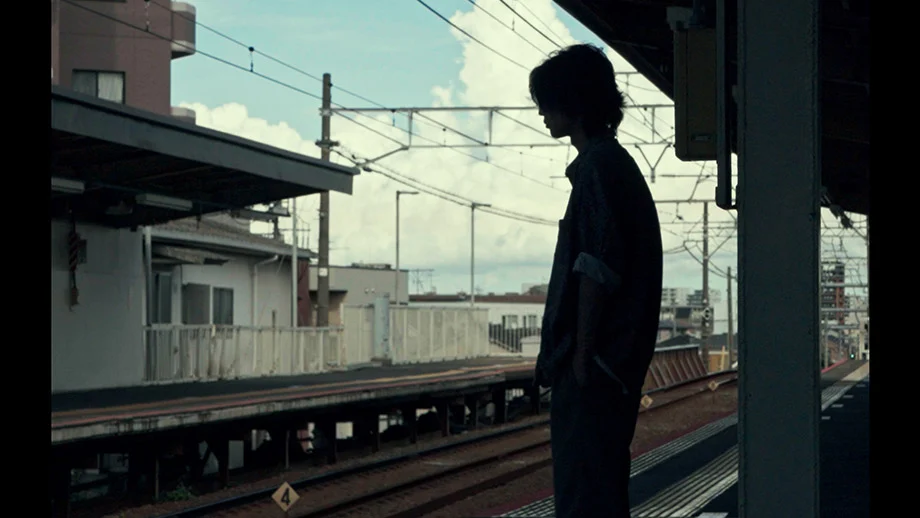
The haunting uncertainty of loss continues to grip Mari and Koichi two years after Kai’s inexplicable disappearance into the vast expanse of the sea. Their shared grief, a silent testament to a void that remains unfilled, offers a fragile solace. However, an unforeseen development threatens to unravel the delicate threads of their coping, reopening deep-seated wounds and reigniting the agonizing questions that have shadowed their lives. This emotional landscape is masterfully navigated by Yui Kusakari in his feature directorial debut, "Long Night," a film that showcases a profound understanding of atmosphere and character, elevated by a sensitive screenplay and exquisite cinematography. The film is slated to screen at the 26th Nippon Connection Film Festival on June 6, offering audiences a poignant exploration of enduring sorrow and the fragile resilience of the human spirit.
The Genesis of "Long Night": A Deep Dive into Loss and Memory
"Long Night" is not merely a narrative about a disappearance; it is an immersive study of the psychological aftermath of unresolved tragedy. The film delves into the complex emotional tapestry woven by grief, memory, and the relentless pursuit of closure. The central mystery of Kai’s vanishing serves as the catalyst for an exploration of the profound impact such an event can have on individuals and their relationships. The narrative hinges on the quiet devastation experienced by Mari and Koichi, two individuals bound by a shared past and now united by an unshakeable present of absence. Their struggle is not one of active investigation, but of enduring the weight of the unknown, a state that can be more torturous than definitive answers.
Yui Kusakari, in his inaugural feature-length work, demonstrates a remarkable maturity and artistic vision. His directorial approach is characterized by a deliberate pacing that allows the emotional nuances of the story to unfold organically. The screenplay, lauded for its sensitivity, eschews melodrama in favor of a subtle, yet powerful, portrayal of human vulnerability. This delicate touch extends to the film’s visual language. The cinematography is described as masterful, suggesting a deliberate use of light, shadow, and composition to evoke the pervasive atmosphere of melancholy and introspection that defines the characters’ existence. This visual storytelling is crucial in conveying the internal states of Mari and Koichi, making their emotional journey palpable to the audience.
The 26th Nippon Connection Film Festival: A Platform for Cinematic Excellence
The selection of "Long Night" for the 26th Nippon Connection Film Festival underscores its artistic merit and its relevance to contemporary cinematic discourse. The Nippon Connection Film Festival, held annually in Frankfurt, Germany, has established itself as a premier showcase for Japanese cinema outside of Japan. Founded in 2001, the festival has grown significantly, attracting international filmmakers, critics, and a dedicated audience eager to engage with the diverse and evolving landscape of Japanese filmmaking. Its mission is to promote understanding and appreciation of Japanese culture through cinema, providing a vital platform for both established and emerging talents.
The festival typically features a wide array of films, including features, documentaries, and short films, spanning various genres and themes. It often includes retrospectives, special programs, and discussions with filmmakers, offering a comprehensive and insightful look into Japanese society and its artistic expressions. For a debut feature like "Long Night," inclusion in such a reputable festival is a significant achievement, providing crucial exposure and critical validation. The festival’s focus on showcasing innovative and artistically significant works makes it an ideal venue for Kusakari’s nuanced directorial debut.
The Unfolding Narrative: Uncertainty and Resurfacing Wounds
The core of "Long Night’s" narrative revolves around the enduring struggle of Mari and Koichi with the agonizing uncertainty surrounding Kai’s disappearance. Two years is a significant period to live with an unanswered question, and the film likely portrays the cumulative effect of this prolonged state of limbo. The initial comfort they find in each other is a natural consequence of shared trauma. In the face of overwhelming external circumstances, individuals often turn to those who understand their pain most intimately. This mutual support system, however, is fragile and susceptible to disruption.
The "unexpected turn" mentioned in the synopsis is the critical juncture that propels the narrative forward and intensifies the emotional stakes. This development has the power to reawaken dormant pain, suggesting that while Mari and Koichi may have found a semblance of equilibrium, the underlying wounds have never truly healed. This turn could manifest in various ways: a new piece of information, the reappearance of someone connected to Kai, or an event that mirrors the circumstances of his disappearance. Regardless of its specific nature, it serves to dismantle their coping mechanisms and force them to confront the unresolved aspects of their loss with renewed intensity.
Yui Kusakari’s Vision: A Director’s Imprint
Yui Kusakari’s feature debut is being recognized for its "outstanding feel for atmosphere and characters." This praise suggests a director who is not only adept at storytelling but also possesses a keen insight into the human psyche. The creation of atmosphere in cinema is a multifaceted art, involving the interplay of visual elements, sound design, and pacing. A strong atmospheric feel can immerse the audience in the film’s world, making them feel the characters’ emotions and the weight of their circumstances. In a film dealing with grief and uncertainty, a well-crafted atmosphere is paramount in conveying the pervasive sense of melancholy and isolation.
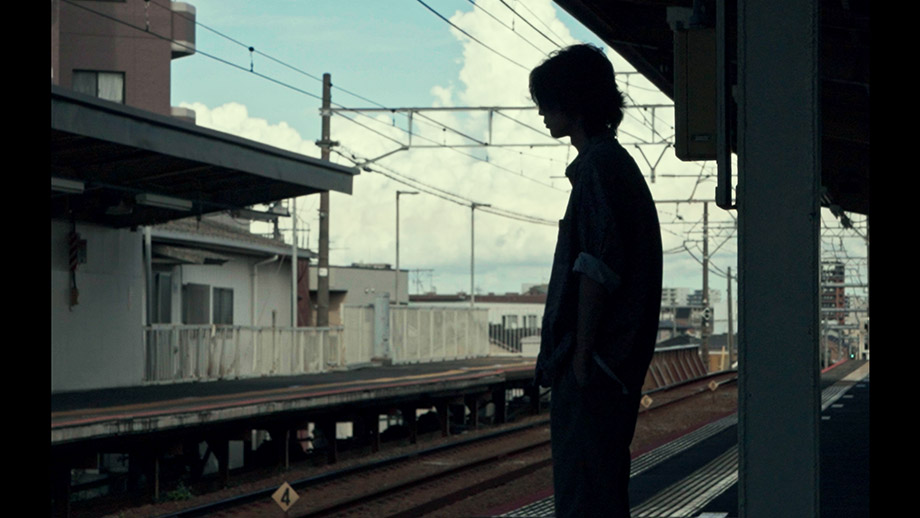
The focus on characters indicates that Kusakari prioritizes depth and authenticity in his portrayals. This means that Mari and Koichi are likely to be depicted with a nuanced understanding of their individual struggles, their relationship dynamics, and the ways in which they process their shared tragedy. A sensitive screenplay, combined with strong performances, can bring these characters to life, making their emotional journeys relatable and compelling. The "masterful cinematography" further suggests a director who understands the power of visual storytelling, using the camera to enhance the emotional resonance of the narrative and to paint a vivid picture of the characters’ internal and external worlds.
Broader Implications: The Enduring Power of Unresolved Grief
The themes explored in "Long Night" resonate with universal human experiences. The loss of a loved one, particularly under mysterious circumstances, can leave an indelible mark on individuals and families. The film’s exploration of unresolved grief touches upon a critical aspect of the human condition: our need for closure and the difficulties we face when it is denied.
- Psychological Impact: The prolonged state of uncertainty can lead to various psychological challenges, including anxiety, depression, and post-traumatic stress. The film likely portrays these effects on Mari and Koichi, highlighting the long-term consequences of living with an open wound.
- Interpersonal Dynamics: Grief can strain relationships, but it can also forge deeper bonds. The dynamic between Mari and Koichi, initially a source of comfort, is likely tested by the "unexpected turn," revealing the complexities of their shared experience.
- The Nature of Memory: The film may also delve into the way memory functions in the face of loss. How do we hold onto the memories of someone who is gone? How do our memories change and evolve over time? These questions are central to understanding the enduring impact of Kai’s absence.
- Societal Context: While the article does not provide specific details about the setting of "Long Night," the fact that it is a Japanese film premiering at a festival dedicated to Japanese cinema might suggest cultural nuances in how grief and loss are expressed and managed within that society. Japanese cinema has a rich tradition of exploring themes of impermanence, melancholy, and the quiet dignity of endurance.
Contextualizing the Event: The 26th Nippon Connection Film Festival
The 26th iteration of the Nippon Connection Film Festival signifies a continued commitment to fostering a robust dialogue around Japanese cinema. Over its history, the festival has played a crucial role in introducing audiences to a wide spectrum of Japanese filmmaking, from established masters to emerging voices. Its longevity is a testament to the enduring appeal and artistic significance of Japanese films on the global stage.
Each year, the festival’s programming committee meticulously selects films that represent the current state of Japanese cinema, often highlighting themes that reflect contemporary societal concerns, historical reflections, and artistic innovations. For a debut filmmaker like Yui Kusakari, securing a slot at this festival is a significant validation, placing "Long Night" alongside other noteworthy productions and granting it access to a discerning international audience and critical appraisal. The festival’s success in Frankfurt has solidified its reputation as a vital cultural bridge, promoting not only cinematic art but also a deeper understanding of Japanese culture and society. The presence of "Long Night" at this esteemed event suggests that the film possesses qualities that align with the festival’s mandate of showcasing compelling and artistically significant works.
Behind the Scenes: The Craft of Filmmaking
The description of "Long Night" emphasizes its "sensitive screenplay and masterful cinematography." These are two fundamental pillars of filmmaking that, when executed with skill, can elevate a narrative from good to exceptional.
- Screenplay Sensitivity: A sensitive screenplay implies a script that treats its subject matter with respect, empathy, and nuance. In the context of grief and loss, this means avoiding clichés, gratuitous emotional outbursts, or simplistic resolutions. Instead, it suggests a focus on the subtle emotional shifts, the unspoken tensions, and the internal struggles of the characters. This approach allows for a more authentic and resonant portrayal of human experience.
- Masterful Cinematography: Cinematography is the art of visual storytelling. "Masterful" cinematography suggests deliberate choices in framing, lighting, camera movement, and color grading that serve to enhance the mood, underscore the themes, and deepen the audience’s connection with the characters and their environment. For a film dealing with atmosphere and emotion, the cinematographer’s role is particularly crucial. The way a scene is shot can convey a character’s isolation, the weight of their memories, or the suffocating nature of their uncertainty.
The combination of these elements, guided by Yui Kusakari’s directorial vision, points to a film that is likely to be a visually stunning and emotionally engaging experience. The success of a debut feature often hinges on the director’s ability to coalesce these technical and artistic elements into a cohesive and impactful whole.
Anticipation and Reception: The Festival Premiere
The screening of "Long Night" at the 26th Nippon Connection Film Festival on June 6 is a highly anticipated event for cinephiles and critics alike. As a debut feature, the film will be scrutinized for its originality, its execution, and its potential to announce Yui Kusakari as a significant new voice in Japanese cinema. Festivals like Nippon Connection serve as crucial launchpads for emerging filmmakers, offering them a platform to gain recognition and attract potential distributors and collaborators.
The reception of "Long Night" at the festival will likely be a key indicator of its artistic success. Reviews from critics attending the festival, as well as audience feedback, will contribute to the film’s early reputation. For a film that delves into such profound emotional territory, the ability to connect with an audience on a visceral level is paramount. The festival setting, with its concentrated audience of film enthusiasts, provides an ideal environment for such a connection to be forged. The success of "Long Night" could pave the way for wider distribution and further opportunities for Kusakari and his creative team.
Conclusion: A Cinematic Exploration of Enduring Grief
"Long Night" appears poised to be a significant contribution to the landscape of contemporary cinema, offering a deeply human and artistically rendered exploration of grief, loss, and the enduring power of unresolved questions. Yui Kusakari’s feature directorial debut, with its sensitive screenplay and masterful cinematography, promises to be an atmospheric and character-driven experience. Its inclusion in the 26th Nippon Connection Film Festival is a testament to its artistic merit and its potential to resonate with audiences worldwide. The film’s narrative, centered on the profound impact of Kai’s disappearance on Mari and Koichi, invites viewers to contemplate the complexities of human resilience in the face of overwhelming uncertainty, and the intricate ways in which sorrow can reshape lives. The screening on June 6 will undoubtedly be a moment of significant interest for those following the evolution of Japanese cinema and the emergence of new directorial talents.