


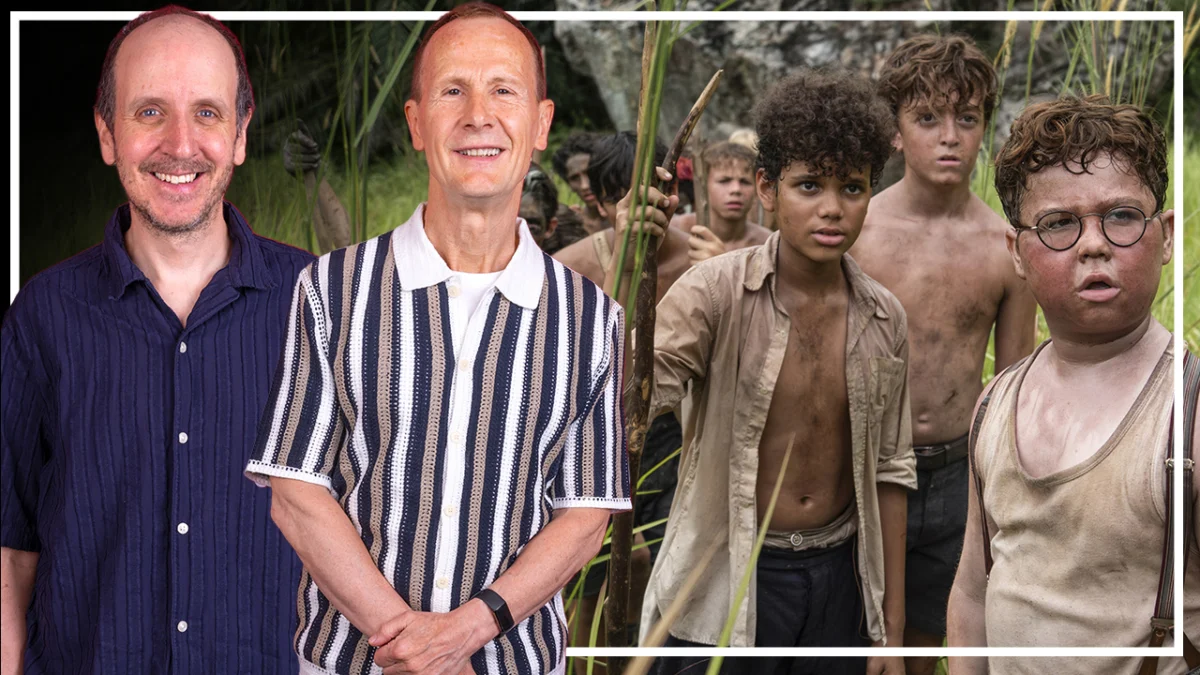
The eagerly anticipated four-part Netflix miniseries adaptation of William Golding’s seminal 1954 novel, Lord of the Flies, marks a significant creative milestone for acclaimed screenwriter Jack Thorne and director Marc Munden. Their collaboration brings a fresh, immersive perspective to a literary classic renowned for its stark exploration of human nature and societal collapse, leveraging the expanded canvas of television to delve deeper into its complex characters and themes. This ambitious project, a testament to Thorne’s long-held ambition and Munden’s distinctive directorial vision, required both creators to push beyond their established comfort zones, confronting the formidable legacy of the source material and the logistical challenges of an extreme production environment.
A Literary Cornerstone Reimagined for the Screen
William Golding’s Lord of the Flies stands as a cornerstone of 20th-century literature, a chilling allegorical tale depicting a group of British schoolboys stranded on an uninhabited island after a plane crash during a fictional nuclear war. What begins as an attempt to establish a civilised society quickly devolves into a brutal struggle for power, culminating in a descent into savagery that questions the very foundations of human morality and order. Published in 1954, the novel was largely shaped by Golding’s experiences as a naval officer during World War II, profoundly impacting his views on humanity’s inherent capacity for evil, a stark counterpoint to earlier adventure stories like R.M. Ballantyne’s The Coral Island. Golding’s work, which earned him the Nobel Prize in Literature in 1983, became a staple of school curricula worldwide, sparking endless debate about the nature versus nurture argument.
The novel has previously seen two notable cinematic adaptations: Peter Brook’s stark, black-and-white 1963 film, celebrated for its raw realism and faithful adherence to the novel’s tone, and Harry Hook’s 1990 version, which, while visually more vibrant, opted for an Americanized cast and a somewhat more sensationalised approach. These earlier interpretations have long shaped public perception of the story, making any new adaptation a venture fraught with both expectation and critical scrutiny. Thorne and Munden’s decision to tackle such an iconic work underscores their commitment to exploring its enduring relevance through a contemporary lens, albeit one deeply rooted in the original period setting.
The Creative Partnership: Thorne and Munden’s Shared History
Jack Thorne, celebrated for his profound and often unflinching character studies, has established himself as one of the most compelling voices in contemporary television writing. His filmography includes the BAFTA-winning Help (2021), a powerful drama exploring the COVID-19 pandemic’s impact on care homes, and the critically acclaimed miniseries National Treasure (2016), which tackled complex issues of historical sexual abuse. Thorne also achieved significant success with his Netflix limited series Adolescence, which garnered widespread acclaim and record viewership for the platform. His ability to craft nuanced narratives that resonate deeply with audiences made him an ideal candidate to re-interpret Golding’s intricate psychological drama.
Director Marc Munden, known for his distinctive visual style and talent for creating atmospheric, psychologically charged narratives in series such as Utopia and The Third Day, brought his unique sensibility to the project. Munden and Thorne share a robust professional history, having collaborated on several previous ventures, including Help and National Treasure. This established rapport proved invaluable when embarking on the formidable task of adapting Lord of the Flies.
Thorne’s personal connection to the novel runs deep. He reveals that Lord of the Flies was the book that "changed me as a kid; it’s the book that did the most damage to me as a kid; it’s the book that left me most confused as a kid." His lifelong engagement with the text fueled a long-standing ambition to adapt it, an aspiration that nearly materialised 15 years prior with Channel 4 but was stymied by rights issues. It was executive producer Joel Wilson who ultimately secured the rights, making Thorne’s dream a reality. Munden, initially daunted by the prospect of remaking an "iconic film" like Peter Brook’s, was swayed by Thorne’s script, which offered a fresh angle: "It’s just to do what I think Jack brought out of the book, which was an exploration of the characters and the time to explore it over four hours." Both creators recognised the inherent suitability of the television format for Golding’s dense narrative, allowing for an unprecedented depth of character and thematic exploration.
A Multi-Perspective Narrative: Unpacking the Allegory
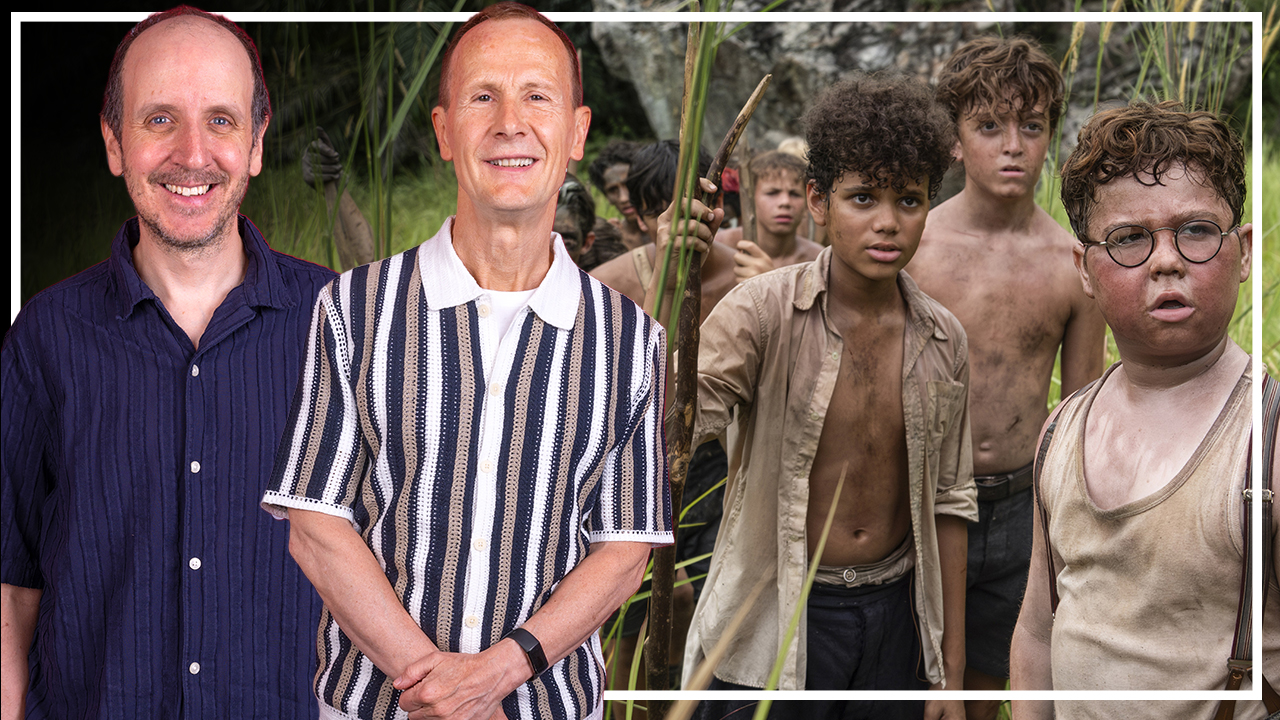
One of the most innovative aspects of Thorne and Munden’s adaptation is its deliberate multi-perspective approach, a structural decision designed to enhance the novel’s allegorical commentary. Unlike previous adaptations that largely maintained Ralph’s viewpoint, this four-part miniseries assigns a distinct narrative focus to key characters across its episodes. This strategic choice allows the creative team to delve into the psychological motivations and internal struggles of each boy, offering viewers a more comprehensive understanding of their collective descent.
Thorne elaborates on this creative decision: "There’s something about the chapter format of television, the vocabulary of television, which can really help you understand the book. And what we tried to do in adapting it was bring that out." The series structure is conceived as a "relay race," with specific characters carrying the narrative baton for individual episodes. For instance, the second episode is dedicated to Jack, the charismatic choir leader who quickly emerges as Ralph’s antagonist. This focus provides "a window into why the chaos happens and you’re given a sympathy for the chaos-maker," aligning with Golding’s subtle "tenderness towards all the boys." Jack’s perspective becomes crucial in understanding the incremental shifts towards brutality, particularly in episodes covering the failed signal fire and the first pig hunt.
Similarly, Simon, the enigmatic and spiritual boy, naturally takes centre stage in the third episode, a narrative choice driven by his profound encounter with the "Lord of the Flies." The decision for Ralph, the initially elected leader and ostensible protagonist, to anchor the fourth and final episode is particularly intriguing. Thorne explains, "When war is breaking out, you see it through the character whose eyes have been kept from you for the whole show. And then he drives us through to the end." While Golding’s novel opens with Piggy meeting Ralph, the series’ delayed focus on Ralph’s subjective experience during the climax intensifies the sense of impending doom and personal struggle.
Munden underscores how this character-driven storytelling permeates every aspect of the production: "It’s not so much about perspective as those characters being right at the centre of the piece… when you’ve got writing like Jack’s, the character is the story." He describes his directorial approach as "trying to echo those characters outwards into the world that we’d created," allowing their internal states to influence the island’s setting, design, and even the musical score, creating a deeply integrated and psychologically resonant experience.
Revisiting Childhood Trauma and Societal Breakdown
Both Thorne and Munden found their understanding of Lord of the Flies profoundly altered upon revisiting the novel as adults. Thorne recounts his evolving relationship with the character of Jack: "When I read it when I was 11, I read it thinking I’m Simon… I know Jack on my playground… and I hate Jack." This simplistic, black-and-white view of good versus evil matured over time. In his 20s, a period marked by self-reflection, he questioned his own moral standing. By his 30s, however, a more nuanced interpretation emerged: "‘Oh, he’s not writing Jack like I thought he did’. Jack is not the character that I thought he was. There’s tenderness here. There’s truth here." This revelation led Thorne to understand that the island’s events were not "inevitable," but rather a tragic consequence of a character "capable of better" being "drawn to worst." This profound shift in perspective informed his adaptation, aiming to explore the tragic humanity within each boy, even the antagonists.
Munden echoed this sentiment, viewing the narrative less as an unavoidable collapse and more as a "political parable" rooted in "incremental little decisions that are made and the weaknesses within the characters." He emphasised the importance of portraying these subtle shifts on screen, connecting them to individual psychological states like "Jack’s loneliness" and "Simon’s isolation." This adult understanding transforms the story from a simple cautionary tale into a complex study of human fragility, societal pressures, and the insidious nature of power.
The Gruelling Realities of Filming in Malaysia
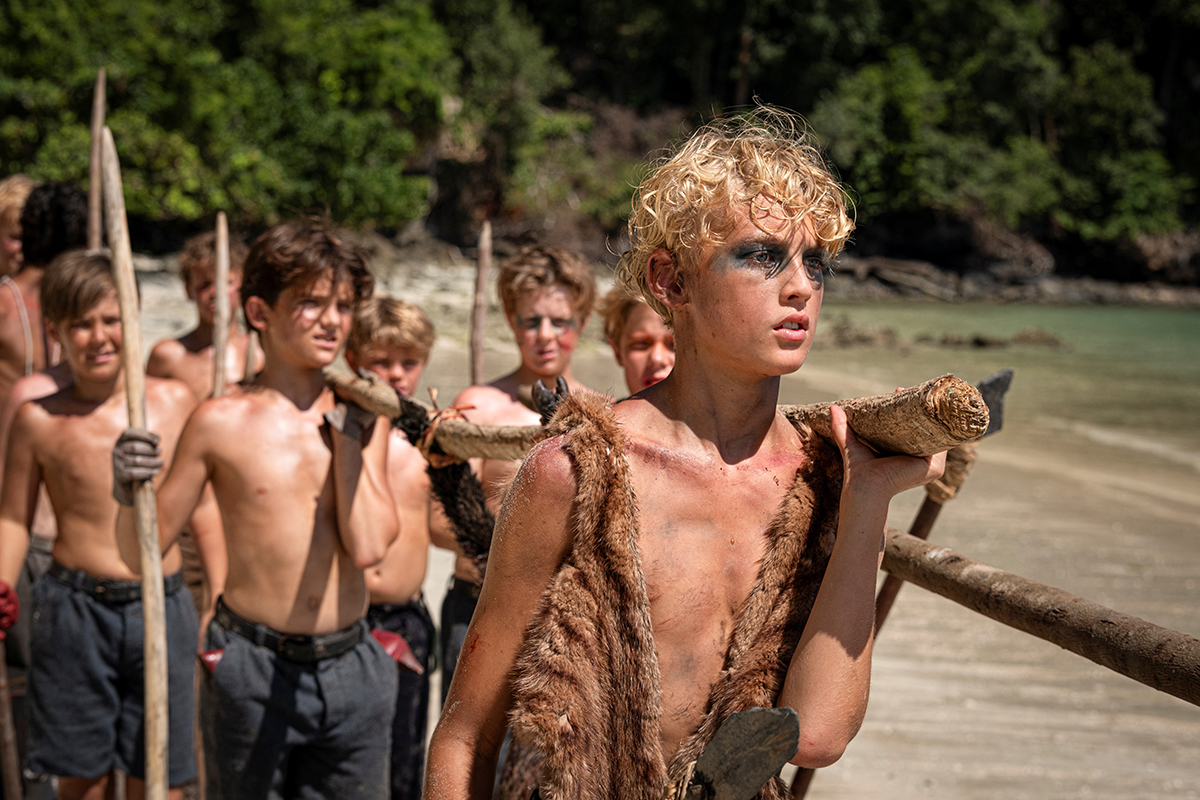
The ambition of this adaptation extended beyond its narrative structure into the very fabric of its production. To capture the raw, untamed essence of the island, Munden made the audacious decision to film on uninhabited islands in Malaysia, a choice that plunged the cast and crew into a "Werner Herzog type Fitzcarraldo craziness." This reference to Herzog’s legendary, arduous productions underscores the extreme conditions faced during filming.
The logistical challenges were immense. Unlike typical productions near established facilities, the crew faced a 40-minute daily commute by boat to remote locations where constructing permanent shelters was impossible. Filming during the monsoon season added another layer of difficulty, with torrential rains, extreme humidity, and unpredictable weather events becoming a constant threat. Munden vividly recalled incidents of the set being "completely flooded out," being "caught on an island in a storm" where "tables were flying across the sets," and personal injuries ranging from widespread "leech bites" to a "rattan plant through my ear." Thorne confirmed the director’s uncompromising vision, noting, "We did look at other islands that were much more sensible. And Mark went, ‘no, no, no.’"
Despite the hardships, Munden believes the environment was integral to the artistic integrity of the piece. The "incredible alien beauty of the rainforest and of these beaches" not only provided an "extraordinary exotic environment" but also served as a visual metaphor for the boys’ psychological disintegration. The island’s "incredible life," its ecosystem of decay and growth, was intended to "echo the boys’ journeys," creating a profound connection between the natural world and their internal struggles. This immersive, challenging production environment undoubtedly contributed to the authenticity and visceral impact of the series.
Preserving the 1950s Context: A Deliberate Choice
A critical decision made by Thorne and Munden was to retain the novel’s original 1950s setting rather than modernising it. This was not merely a matter of historical accuracy but a profound artistic choice central to Golding’s sociological insight. Thorne firmly asserted, "The language and behaviour is specific, and that’s what I love about it, that a lot of people say that this is a story about people in the state of nature. It isn’t. It’s about a bunch of public school boys in the 1950s." This distinction is crucial, as Golding’s allegory is deeply informed by the specific class structures, educational systems, and cultural norms of post-war Britain.
Munden further elaborated on the historical backdrop, noting that Golding wrote the book in 1954 as a direct "response to his service in the Second World War and the horrors that he saw there." The shadow of the Cold War also loomed large, influencing the novel’s themes of global conflict and human destructiveness. The boys, products of their time, are seen "mimicking their parents in some sort of way and making decisions that their parents might have made," carrying the implicit biases and trauma of a generation shaped by unprecedented global conflict.
Thorne highlighted the profound impact of this generational trauma: "Most of those boys have parents who probably lived through two world wars… Those parents are traumatised by war. And the boys have been taught how to be humans by people that are traumatised by war and probably overwhelmed with hate." This sociological insight, rather than a timeless "state of nature" scenario, is what makes Golding’s commentary so potent. While acknowledging that a modern reinvention is possible, citing Yellowjackets as a clear successor to Lord of the Flies‘ thematic legacy, Thorne and Munden’s adaptation prioritises fidelity to the source material’s specific historical and cultural context to fully realise Golding’s original vision.
Jack Thorne’s Recurring Thematic Explorations
The themes of boys, violence, and emotional damage frequently recur in Jack Thorne’s body of work, a pattern he admits is "not always intentional." He clarifies that this isn’t a deliberate "boy era" but rather a persistent inquiry into the human condition. Thorne sees storytelling as a tool for understanding the world: "I do think if we understand how we’re made, we might have some sense of understanding the world in which we live." His current confusion and disappointment with a perceived lack of kindness in the world fuel his desire to "get the spanner out to understand what’s gone wrong."

This quest often leads him back to formative experiences, particularly those of childhood and adolescence. The lasting impact of school and early social dynamics is universal, as Thorne observes, "If you go on a date with someone and you ask them what they were like at school, then you’ve got three hours of conversation. We’re all haunted by it and we’ve all got to look at it." By examining these periods with "specificity," Thorne believes a deeper understanding of human behaviour and societal structures can be achieved.
Munden corroborated this observation from the production floor, noting the young actors’ innate grasp of the material: "As soon as we got those boys in, they all implicitly understood that behaviour from the playgrounds. They all implicitly understood bullying and who’s the coolest." This intuitive understanding among the cast further validates the timeless and universal resonance of Golding’s themes, even when presented within a historical context.
Broader Implications and Enduring Relevance
The Netflix adaptation of Lord of the Flies arrives at a time when its central themes — the fragility of democracy, the allure of authoritarianism, the dangers of tribalism, and humanity’s inherent capacity for both good and evil — resonate with particular urgency across global socio-political landscapes. Thorne and Munden’s meticulous approach, combining a deep respect for the source material with innovative narrative strategies and a commitment to authentic, challenging production, promises to offer a definitive television interpretation of this enduring classic.
The miniseries stands to re-engage a new generation with Golding’s profound questions, prompting introspection on the forces that shape human societies and individual morality. By presenting the story through multiple perspectives, it invites viewers to move beyond simplistic heroes and villains, exploring the complex interplay of character, circumstance, and choice that drives the narrative’s tragic arc. The demanding production in Malaysia, while challenging, imbues the series with a visceral realism that underscores the harsh, indifferent nature of the island, mirroring the escalating brutality of the boys.
This adaptation not only enriches the legacy of Lord of the Flies but also solidifies Thorne and Munden’s reputations as formidable storytellers capable of tackling the most challenging literary works. Their collaboration on this project serves as a powerful reminder of television’s capacity to deliver nuanced, impactful storytelling that can provoke thought and contribute to ongoing societal dialogues about human nature and the delicate balance of civilisation. The series is now streaming on Netflix, inviting audiences worldwide to embark on this harrowing yet illuminating journey into the heart of darkness.