


Square Enix has officially addressed the possibility of bringing Final Fantasy XV and other high-profile legacy titles to Nintendo’s upcoming successor to the Switch, signaling a potential shift in the publisher’s platform strategy. During a recent internal shareholder meeting, executives responded to direct inquiries regarding the technical feasibility of porting the franchise’s more demanding entries to the Nintendo Switch 2. While the company maintained a cautious stance, citing significant hardware limitations, it explicitly stated that such endeavors are "not entirely impossible," marking a notable departure from previous years where high-fidelity Final Fantasy titles were largely restricted to PlayStation and PC environments.
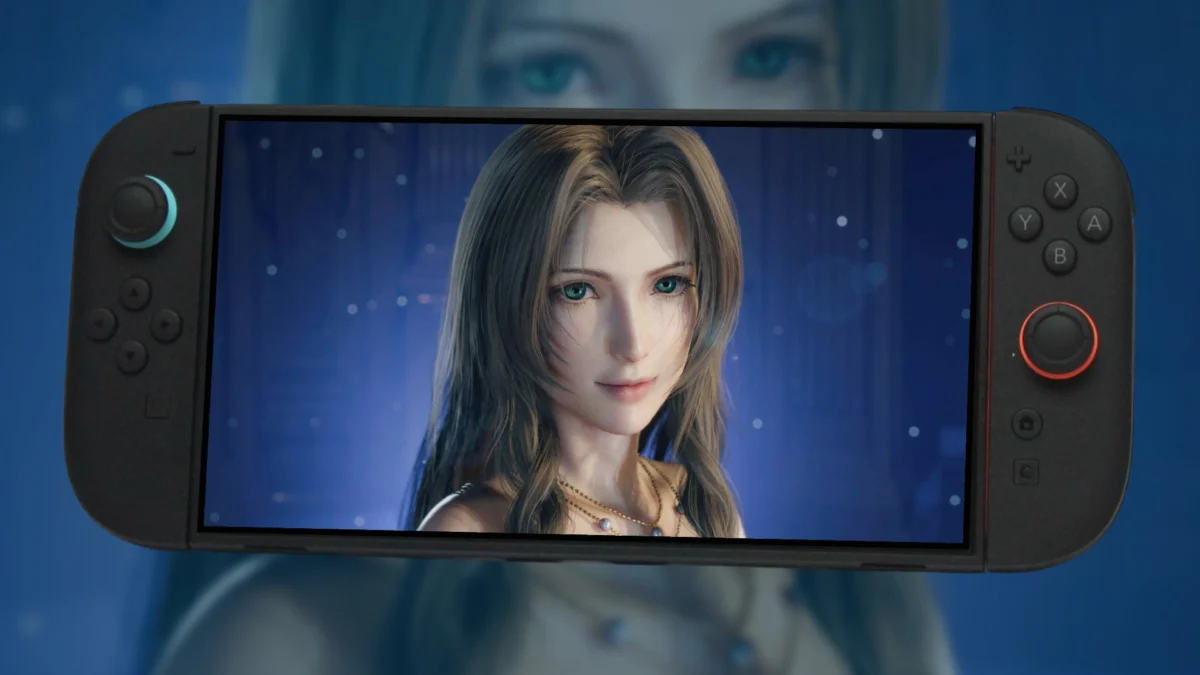
The discussion was prompted by a shareholder who noted the rumored existence of a Final Fantasy VII Remake port for the Nintendo Switch 2. The attendee questioned whether the successful translation of the Remake trilogy to Nintendo’s next-generation hardware would pave the way for other modern entries, specifically Final Fantasy XV, to find a home on the platform. Square Enix’s representative acknowledged the demand, stating that while faithfully replicating the expansive open world and high-end visual effects of Final Fantasy XV presents "certain hardware constraints," the company is evaluating its options. The input has been forwarded to the development teams as a "valuable perspective on marketing and future platform options."
Technical Hurdles and the Luminous Engine
Final Fantasy XV, originally released in 2016, was built on the proprietary Luminous Engine, a toolset designed to push the boundaries of lighting, particle effects, and large-scale environmental rendering on the PlayStation 4 and Xbox One. Despite its age, the game remains a benchmark for technical complexity due to its seamless open-world traversal and "Luminous Studio" physics.
When the original Nintendo Switch launched in 2017, Square Enix determined that the console’s mobile-oriented Tegra X1 processor was insufficient to run the full version of Final Fantasy XV. As a compromise, the company released Final Fantasy XV: Pocket Edition, a version that utilized stylized, low-polygon graphics and simplified mechanics to accommodate the hardware. The prospect of a "faithful" port on the Switch 2 suggests that Square Enix is looking at the rumored technical specifications of the new console—which is widely expected to feature NVIDIA’s DLSS (Deep Learning Super Sampling) technology—as a means to bridge the performance gap without compromising the game’s visual identity.
Industry analysts suggest that the Switch 2’s rumored T239 chip and Ampere-based architecture could theoretically handle the Luminous Engine, provided the software is optimized for the console’s specific memory bandwidth. The "hardware constraints" mentioned by Square Enix likely refer to the challenges of maintaining a stable frame rate and high-resolution textures in a portable form factor, which often requires significant downscaling of assets compared to their PC or PS5 counterparts.
The Final Fantasy VII Remake Roadmap
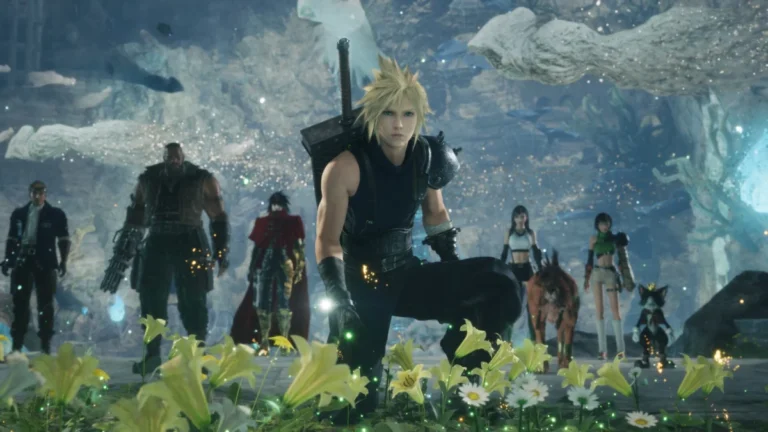
The conversation regarding legacy ports is inextricably linked to the ongoing Final Fantasy VII Remake project. The trilogy, which consists of Final Fantasy VII Remake (2020), Final Fantasy VII Rebirth (2024), and the upcoming third entry, tentatively titled Final Fantasy VII Revelation, represents Square Enix’s most ambitious technical undertaking.
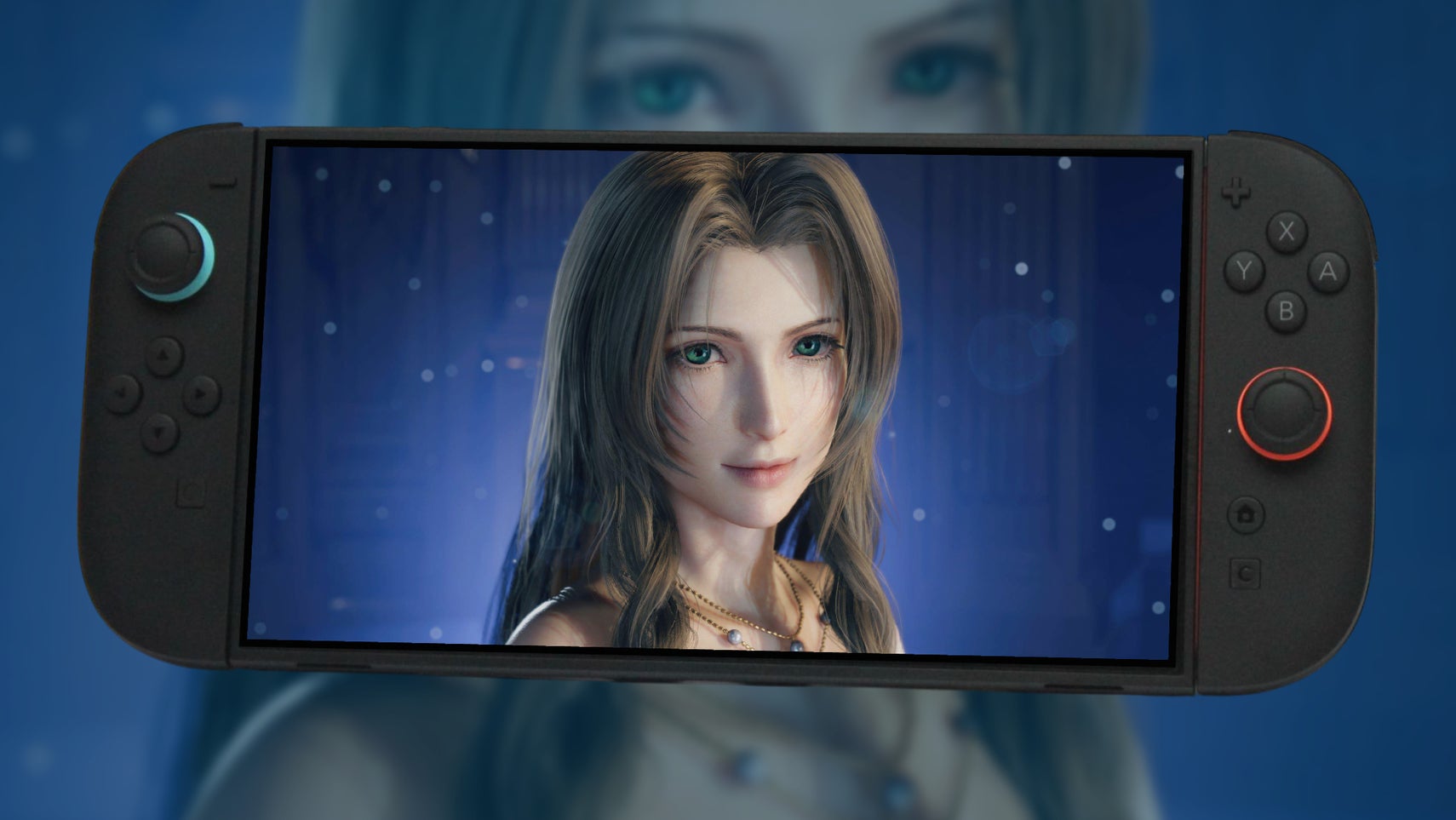
Reports from the shareholder meeting and recent data leaks indicate that Square Enix is prioritizing the expansion of this trilogy across more platforms. A recent leak from the Epic Games Store database hinted at a robust post-launch plan for the final chapter of the trilogy, including various DLC packs and story expansions similar to the "INTERmission" chapter released for the first game. Bringing these titles to the Switch 2 would significantly expand the trilogy’s total addressable market, especially in Japan, where Nintendo hardware maintains a dominant market share over stationary consoles.
Strategic Shift: The Multiplatform Mandate
The willingness to discuss Switch 2 ports reflects a broader strategic pivot within Square Enix. In May 2024, the company unveiled its new medium-term business plan, titled "Square Enix Reboots and Awakens." A core pillar of this strategy is the "aggressive pursuit of a multiplatform strategy," which includes Nintendo platforms, PlayStation, Xbox, and PC.
This shift follows a period of financial re-evaluation. While Final Fantasy XVI and Final Fantasy VII Rebirth received critical acclaim, their status as PlayStation 5 exclusives limited their initial sales potential compared to the broader reach of multiplatform releases. By signaling an interest in porting Final Fantasy XV and the VII Remake series to the Switch 2, Square Enix is attempting to maximize the return on investment for its high-budget titles.
The company’s "market-in" approach, as described during the meeting, involves constant "trial and error" to establish what modern consumers want. One shareholder asked if Square Enix would consider updating the graphics of older titles without changing their core combat systems—essentially creating "remasters plus" rather than full-scale remakes. Square Enix responded that striking the right balance between modern expectations and the "expectations of players who loved the original works" is their primary goal.
Historical Context: Square Enix and Nintendo
The relationship between Square Enix and Nintendo has undergone several transformations over the decades. During the NES and SNES eras, Square was a cornerstone of Nintendo’s success, producing legendary titles like Final Fantasy VI and Chrono Trigger. However, the decision to move Final Fantasy VII to the Sony PlayStation in 1997 created a decade-long rift, as Nintendo’s cartridge-based N64 could not support the cinematic ambitions of the series.
The relationship began to mend during the GameCube and Wii eras with the Crystal Chronicles sub-series, but the mainline, numbered Final Fantasy games remained largely absent from Nintendo platforms until the current Switch generation. The Nintendo Switch saw the arrival of the "Pixel Remasters" and ports of Final Fantasy VII through XII, but the "modern" era of the franchise (XIII, XV, XVI, and the VII Remake) has remained elusive. The Switch 2 represents the first opportunity in nearly 30 years for a Nintendo console to be technically capable of hosting the "current" mainline Final Fantasy experience simultaneously with other platforms.
Implications for the Gaming Industry
If Square Enix successfully ports Final Fantasy XV and the VII Remake trilogy to the Switch 2, it could set a precedent for other third-party developers. The "impossible port" became a badge of honor for the original Switch, with titles like The Witcher 3: Wild Hunt and Doom Eternal proving that clever optimization could overcome hardware deficits. However, those ports often required significant visual sacrifices.
The Switch 2, powered by modern AI upscaling, may allow Square Enix to deliver "faithful" versions that look and play much closer to the original visions. This would solidify the Switch 2 as a viable secondary platform for "AAA" enthusiasts who desire portability without the extreme compromises seen in the previous generation.
Furthermore, the mention of "certain hardware constraints" serves as a reality check for those expecting the Switch 2 to match the raw power of the PlayStation 5. Square Enix’s comments suggest that while the new hardware is a significant leap forward, it will still require specialized development efforts to ensure that high-end engines like Luminous or Unreal Engine 5 run efficiently.
Future Outlook
As Square Enix prepares for the conclusion of the Final Fantasy VII trilogy with Revelation, the company’s focus remains on balancing innovation with legacy. The shareholder meeting concluded with a promise to "continue development efforts by assessing what truly resonates within the current market environment."
For fans of Final Fantasy XV, the news is a glimmer of hope. While not a confirmation of a project in active development, the admission that a port is "not entirely impossible" is the strongest indication yet that Square Enix is looking to bring its modern catalog to the Nintendo ecosystem. As the industry awaits the official unveiling of the Nintendo Switch 2, the potential for a unified Final Fantasy library on a single handheld device remains one of the most anticipated possibilities for the next console cycle.
The timeline for these potential releases remains speculative, but with Square Enix’s new multiplatform mandate in full effect, the barriers that once separated the world of Eos and Midgar from Nintendo fans appear to be thinning. Whether through cloud technology or native ports, the next generation of Nintendo hardware is poised to become a central pillar in Square Enix’s quest to reclaim its status as a global leader in the RPG genre.