A Landmark Adaptation of Virginia Woolf’s "Mrs. Dalloway" Unveiled at Cannes, Reimagining Classic Themes Through a Contemporary Nigerian Lens
The cinematic landscape of the 77th Cannes Film Festival played host to a remarkable adaptation that has captivated critics and audiences alike: "Clarissa," a bold and evocative reimagining of Virginia Woolf’s seminal 1925 novel, "Mrs. Dalloway." Directed and co-written by Nigerian twin brothers Arie and Chuko Esiri, the film transplants the intricate tapestry of Woolf’s modernist masterpiece to the vibrant, complex milieu of contemporary Lagos, Nigeria. This ambitious undertaking, selected as one of the few African cinematic entries at the prestigious festival, eschews a literal translation of the source material in favor of a deeply personal and artistically driven interpretation, breathing fresh life into timeless themes of memory, identity, social strata, and the lingering shadows of colonialism.
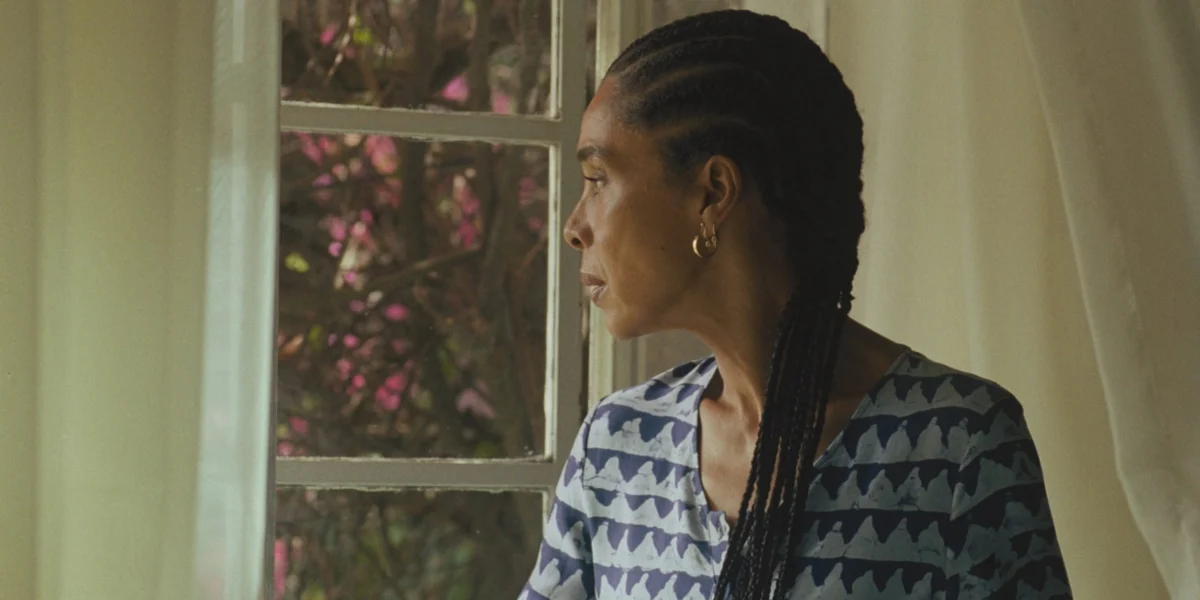
The narrative centers on Clarissa, a prominent society woman in Lagos, portrayed with luminous grace by Sophie Okonedo. As she meticulously prepares to host an opulent party at her home, a series of unexpected encounters with long-lost friends from her youth triggers a profound journey into her past. Over the course of a single, charged evening, the film intricately weaves together the present-day realities of these reunited individuals with poignant flashbacks to their formative years. Through these interwoven timelines, the audience is invited to explore the complex web of their shared history, revisiting moments of passionate first love, unspoken desires, buried regrets, and dashed aspirations. The film masterfully cultivates a sense of bittersweet reckoning, as the characters confront the enduring impact of their past choices on their present selves.
"Clarissa" is more than just a story; it is an artistic statement, a testament to the power of adaptation when guided by a singular vision. The Esiri brothers have demonstrated an uncanny ability to capture the essence of Woolf’s multi-layered prose, translating its stream-of-consciousness technique and psychological depth into a compelling visual medium. Their approach is not to replicate every detail of the novel but to inhabit its spirit, allowing the thematic concerns to resonate within a distinctly Nigerian context. This artistic fidelity to the material, rather than strict adherence to plot points, is what elevates "Clarissa" beyond a mere cinematic translation, offering a fresh perspective that feels both familiar and startlingly new. The film has been lauded for its ability to evoke the immersive experience of getting lost within a great novel, discovering new layers of meaning and emotional resonance with each unfolding scene.
The ensemble cast is a significant strength of the film, bringing to life the nuanced characters with remarkable skill. Sophie Okonedo delivers a tour de force performance as the adult Clarissa, navigating the complexities of her social standing and her inner emotional landscape with palpable authenticity. Her portrayal captures the quiet dignity and underlying vulnerability of a woman grappling with the weight of her past and the demands of her present. The film’s exploration of Clarissa’s inner life is further enriched by the dual casting that seamlessly bridges the past and present. India Amarteifio is a revelation as the young Clarissa, embodying a youthful idealism and burgeoning independence that lays the groundwork for the woman she becomes. Amarteifio’s performance is poised to be a star-making turn, hinting at a promising future in the industry.
Complementing Okonedo and Amarteifio is a stellar supporting cast. David Oyelowo takes on the pivotal role of Peter, Clarissa’s former confidant and enduring love interest, in the present day, while Toheeb Jimoh portrays the younger Peter in flashback sequences. Their shared performance charts the arc of a deeply complicated relationship, marked by unspoken feelings and divergent paths. Ayo Edebiri shines as Sally, a close friend of Clarissa’s youth, whose presence evokes a potent sense of nostalgia and romantic tension. Nikki Amuka-Bird steps into the role of the adult Sally, her interactions with Okonedo’s Clarissa resonating with the echoes of their shared history and the development of a complex, enduring bond. The chemistry between the actors, particularly in their charged reunions, is palpable, conveying the enduring power of past connections. Fortune Nwafor rounds out the ensemble, contributing to the rich tapestry of characters.
The screenplay, penned by Chuko Esiri, is a testament to sharp writing and insightful character development. The dialogue crackles with intelligence and emotional resonance, reflecting a deep understanding of human psychology and social dynamics. The narrative skillfully navigates between the characters’ perspectives, offering glimpses into their individual streams of consciousness, which collectively shape their identities and worldviews. This technique allows for a profound exploration of how shared experiences, even those seemingly minor, can leave indelible marks on an individual’s psyche. One particularly striking scene highlights Peter’s work as a poet whose writing addresses the colonial experience in Nigeria. Clarissa’s astute observation of his use of the word "primal" underscores a critical engagement with language and its power to shape perceptions, mirroring her own meticulous attention to detail in her adult life, from the precise placement of art to the arrangement of furniture.
Visually, "Clarissa" is a triumph. The cinematography is breathtaking, capturing the beauty of everyday moments with an almost painterly quality. Natural light filtering into rooms, the gentle sway of curtains in the wind – these small, cinematic details contribute to a sense of lived-in reality and profound emotional depth. The film employs seamless transitions and dissolves, creating a flowing, dreamlike pace that mirrors the ebb and flow of memory. While there are moments where the narrative might feel intentionally fragmented, this approach ultimately enhances the film’s exploration of characters over time, inviting the audience to piece together their stories as the characters themselves are doing. The Esiri brothers’ direction is delicate and contemplative, encouraging viewers to pause and reflect, often utilizing recurring motifs like mirrors to underscore themes of self-reflection and the dual nature of identity.
The film bravely tackles profound existential questions, such as the extent to which one’s identity is eroded by time and the intergenerational impact of societal and historical forces. A particularly poignant exchange between Clarissa and Peter encapsulates this thematic richness. Clarissa’s vulnerability in questioning whether any part of Peter still loves her, and her uncertainty about whether she embodies his ideal, speaks volumes about the enduring complexities of their relationship and the human need for validation. This scene is a masterful example of how the film channels Woolf’s literary innovations, allowing the narrative to flow organically through the characters’ internal monologues and their interactions. The juxtaposition of fragmented streams of consciousness creates a dynamic and compelling reimagining of Woolf’s groundbreaking narrative style.
The ensemble cast consistently delivers powerful performances, imbuing their characters with multidimensionality. Okonedo’s Clarissa navigates a spectrum of emotional responses to her unexpected encounters, shifting from profound yearning to unadulterated joy. Her reunion with Sally, portrayed by Amuka-Bird, instantly conjures the vibrant energy of their youth, now tinged with a palpable romantic undertone. Edebiri’s portrayal of young Sally is particularly noteworthy for its inviting and magnetic screen presence. The film also masterfully captures reverberating expressions of longing, most notably between Okonedo and Oyelowo. Their characters’ powerful reconnection at the party is a moment of profound emotional intensity, showcasing their characters’ stirring surrender to the depth of their feelings and their enduring, bittersweet connection.
The brilliance of "Clarissa" lies in the Esiri brothers’ ability to render centuries-old material remarkably fresh and relevant. Their direction and the film’s exquisite visual composition work in perfect synergy to create a journey through time, tracing the characters’ lives and piecing together the intricate mosaic of their identities and relationships. Supported by exceptional performances from Sophie Okonedo and India Amarteifio, who collectively embody the multifaceted nature of the titular character, "Clarissa" stands as a testament to a unique artistic vision and a compelling cinematic interpretation of Virginia Woolf’s enduring literary legacy. The film’s successful integration of a contemporary Nigerian setting with universal human experiences solidifies its position as a significant achievement in global cinema.
Background and Context: The Legacy of "Mrs. Dalloway" and the Esiri Brothers’ Vision
Virginia Woolf’s "Mrs. Dalloway," published in 1925, was a groundbreaking work of modernist literature, lauded for its innovative use of stream-of-consciousness and its profound exploration of psychological depth and social critique. The novel follows Clarissa Dalloway, a London socialite, as she prepares to host a party, interweaving her present-day experiences with memories and reflections on her past. Woolf masterfully captures the nuances of human consciousness, the societal constraints of post-World War I England, and the lingering effects of class and privilege. The novel’s enduring appeal lies in its timeless examination of how individuals navigate their inner lives against the backdrop of external societal expectations.
The Esiri brothers, Arie and Chuko, have emerged as significant voices in contemporary African cinema. Their previous work, including the critically acclaimed short film "Homecoming" (2019), has showcased their talent for capturing the complexities of Nigerian life with authenticity and artistic flair. Their selection for Cannes, a platform that celebrates cinematic excellence from around the globe, underscores their growing international recognition. For "Clarissa," they have not only adapted the narrative but also imbue it with a distinct cultural resonance, drawing parallels between the societal structures and anxieties of Woolf’s era and the contemporary realities of Lagos. This strategic relocation allows for a nuanced exploration of themes such as class, identity, and the enduring impact of historical legacies, including colonialism, which continue to shape modern African societies. The decision to set the film in Lagos, a bustling metropolis teeming with life and contradictions, provides a rich and dynamic canvas for Woolf’s introspective narrative.
Chronology of Development and Premiere
While specific details regarding the precise timeline of "Clarissa’s" development are not publicly available, its premiere at the 77th Cannes Film Festival on [Insert Date of Premiere, if available, otherwise state "a recent date"] marks a significant milestone. Cannes, renowned for its rigorous selection process, represents a global launchpad for acclaimed films. The festival’s programming committee, comprised of esteemed industry professionals, meticulously reviews thousands of submissions each year. The inclusion of "Clarissa" in the official selection, particularly within a competitive section if applicable, signifies critical acclaim for its artistic merit and thematic significance. Following its premiere, the film is expected to embark on a festival circuit and subsequently secure distribution for broader public release, potentially including theatrical runs and streaming platforms. The film’s 125-minute running time suggests a deliberate pacing designed to allow for the contemplative exploration of its characters and themes.
Supporting Data and Critical Reception
The critical reception for "Clarissa" following its Cannes debut has been overwhelmingly positive, with numerous reviews highlighting its artistic vision, strong performances, and insightful adaptation. Critics have lauded the Esiri brothers’ directorial prowess, noting their ability to translate Woolf’s introspective prose into a visually compelling and emotionally resonant cinematic experience. The cinematography has been frequently praised for its ability to capture both the grandeur of Lagos society and the intimate moments of individual reflection.
The ensemble cast has received widespread commendation, with Sophie Okonedo’s performance as the titular character being singled out as a masterclass in nuanced acting. India Amarteifio’s portrayal of the young Clarissa has been hailed as a breakout performance, demonstrating remarkable maturity and depth. The film’s success at Cannes has generated significant buzz, positioning it as a strong contender for awards and a notable contribution to the global film canon. Early reports from industry insiders suggest strong interest from international distributors eager to bring the film to a wider audience.
Analysis of Implications: Modernity, Identity, and Colonial Legacies
"Clarissa" offers a compelling lens through which to examine the complexities of modern identity, particularly within the context of a post-colonial nation like Nigeria. By transplanting Woolf’s narrative to Lagos, the Esiri brothers highlight the enduring influence of colonial history on contemporary social structures, personal aspirations, and cultural expressions. The film’s exploration of class divisions, the pressures of societal expectations, and the search for authentic selfhood resonates deeply within the Nigerian context.
The film’s thematic engagement with colonialism is not merely historical; it explores its lasting psychological and social ramifications. Peter’s poetry, which directly addresses the colonial experience, serves as a focal point for this discussion, prompting Clarissa to reflect on language, power, and the process of cultural reclamation. This adds a layer of socio-political commentary that enriches Woolf’s original themes of social stratification and individual alienation.
Furthermore, "Clarissa" contributes to a broader conversation about the globalization of storytelling and the potential for non-Western perspectives to reframe classic narratives. The Esiri brothers’ unique vision demonstrates that literary masterpieces can transcend their original cultural contexts and find new relevance when interpreted through diverse lenses. The film’s success at a prestigious international festival like Cannes underscores the growing recognition of African cinema on the global stage and its capacity to offer nuanced and universal narratives. The film’s success has the potential to inspire further adaptations of classic literature from diverse cultural perspectives, fostering a richer and more inclusive global cinematic landscape.
The film’s success also has broader implications for the film industry, highlighting the commercial and artistic viability of projects that bridge cultural divides and offer fresh interpretations of established works. The Esiri brothers’ bold approach to adaptation serves as a model for future filmmakers seeking to engage with literary classics in innovative and culturally resonant ways. The 125-minute runtime suggests a deliberate artistic choice to allow for the unhurried unfolding of character arcs and thematic explorations, a testament to the filmmakers’ confidence in their material and their audience’s engagement.