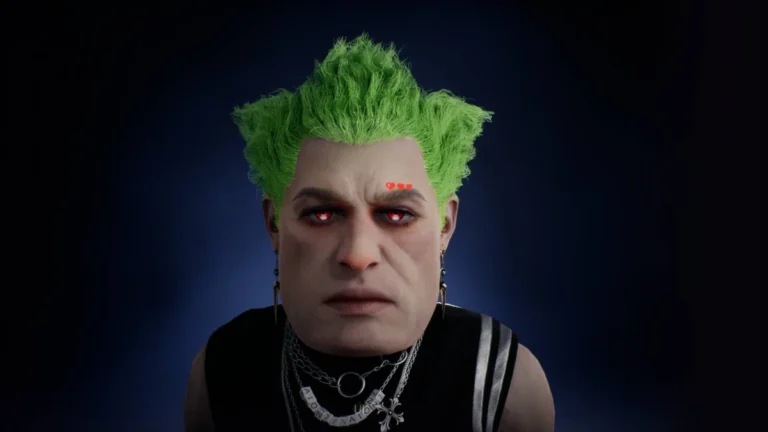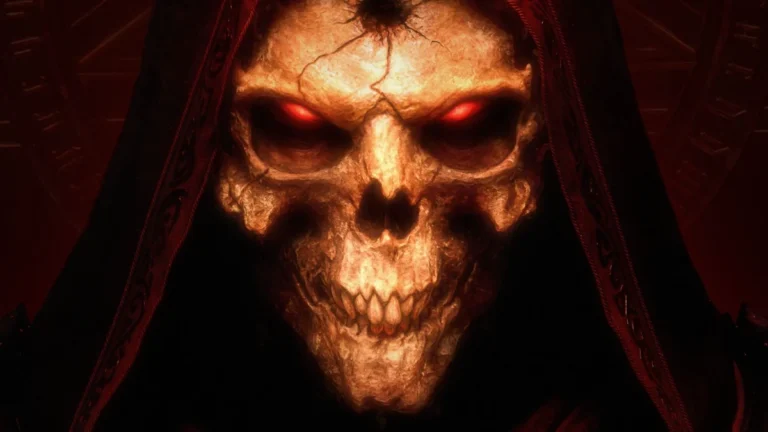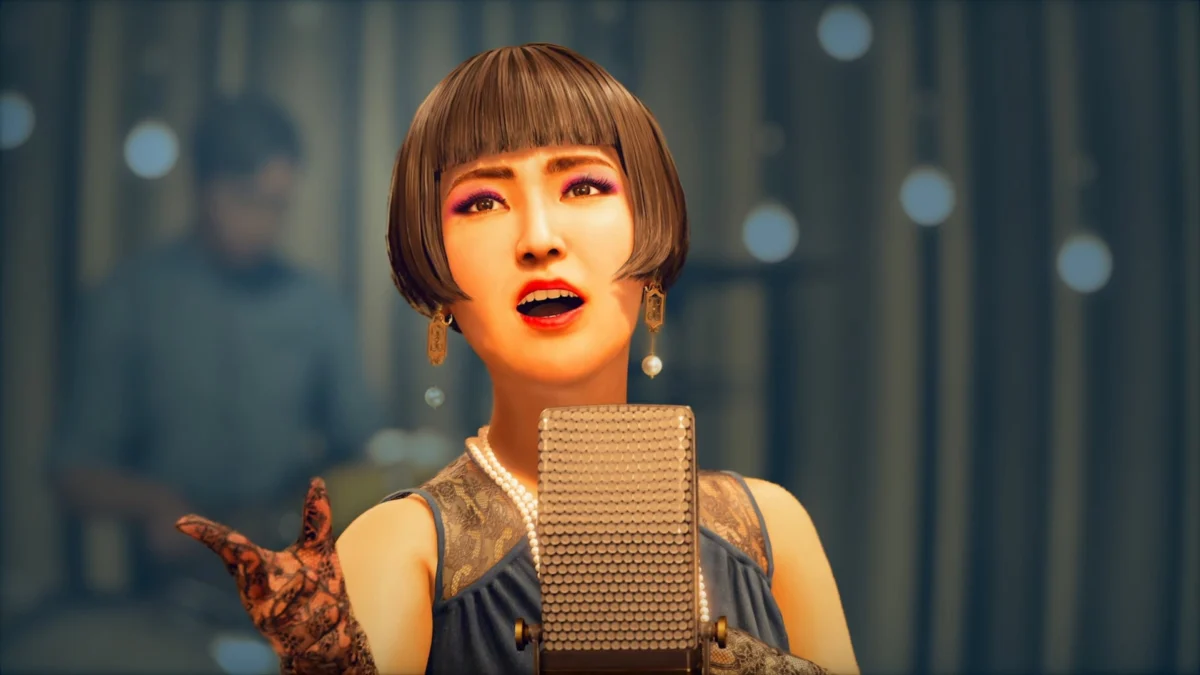
During a comprehensive 30-minute digital broadcast hosted by Xbox, Ryu Ga Gotoku (RGG) Studio and SEGA officially confirmed that their highly anticipated action-RPG, Stranger Than Heaven, is scheduled for a global release in the winter of 2025. The presentation, which served as a deep dive into the title’s narrative architecture, combat mechanics, and historical scope, marks a significant milestone for the developer known for the long-running Like a Dragon and Judgment franchises. While a specific calendar date remains unannounced, the "winter" window places the title in a strategic position within the fiscal year, signaling SEGA’s confidence in the game’s ability to anchor its seasonal lineup.
The announcement comes at a time of heightened caution within the global gaming industry. Industry analysts suggest that the lack of a firm day-and-date release may be a calculated move to navigate the massive gravity of Rockstar Games’ Grand Theft Auto VI, which is currently slated for a late 2025 release. By opting for a broader seasonal window, RGG Studio retains the flexibility to adjust its launch should competitors shift their schedules, a common practice in a market increasingly defined by high-profile delays and crowded release corridors.
A Chronological Odyssey: Five Eras of Japanese History
Stranger Than Heaven represents a radical departure from the studio’s traditional focus on contemporary urban settings like Kamurocho or Isezaki Ijincho. The presentation revealed that the narrative will span fifty years of Japanese history, divided into five distinct eras. Players will navigate the evolution of Japanese society through the lens of five different cities, starting in 1915 and concluding in 1965.
This chronological structure allows RGG Studio to explore the radical transformations of the 20th century. The journey begins in 1915, during the height of the Taisho era, a period characterized by burgeoning liberalism and the introduction of Western influence. The narrative then shifts to 1929, capturing the tension of the pre-war years and the global economic downturn. The 1943 segment promises a somber look at Japan during the Second World War, followed by the 1951 era, which focuses on the complexities of the post-war occupation and the early stages of national reconstruction. The saga concludes in 1965, an era defined by the "Economic Miracle" and the cultural shifts following the 1964 Tokyo Olympics.
By utilizing this multi-generational approach, the developers aim to weave a story that emphasizes the "core theme of friendship" against a backdrop of societal upheaval. Each era is expected to feature unique environmental assets, period-accurate social dynamics, and evolving technology, providing a sense of scale rarely seen in the studio’s previous work.
Evolution of Combat: Complexity Meets Intuition
A significant portion of the Xbox Presents showcase was dedicated to the game’s combat system. RGG Studio has historically fluctuated between real-time brawling and turn-based RPG mechanics. Stranger Than Heaven appears to be a synthesis of these philosophies, described by developers as a "distinct step-up" from the foundations laid in the Yakuza and Like a Dragon series.
The new system introduces a layer of tactical complexity that challenges the player’s mastery of positioning and timing. While the studio stopped short of calling it a "simulation," the emphasis on intricate move-sets and environmental interaction suggests a more demanding experience than the arcade-style combat of earlier titles. The gamble for RGG Studio lies in balancing this complexity with the "intuitive and fun" gameplay that has become their hallmark.
Early reactions from the gaming community and industry observers suggest that this shift is a necessary evolution. As the studio moves further into the action-RPG genre, the need for a combat system that rewards deep engagement is paramount. The developers emphasized that while the system may appear daunting in demonstrations, the goal is to create a "kinetic helix" where cinematic storytelling and player agency are indistinguishable.
Strategic Market Positioning and Platform Availability
The decision to launch Stranger Than Heaven across a wide array of platforms underscores SEGA’s commitment to a multi-platform, global strategy. The game is confirmed for Xbox Series X/S, Windows PC, Steam, and PlayStation 5. Furthermore, the title will be available on Xbox Game Pass on day one, a move that significantly expands its potential player base at launch.
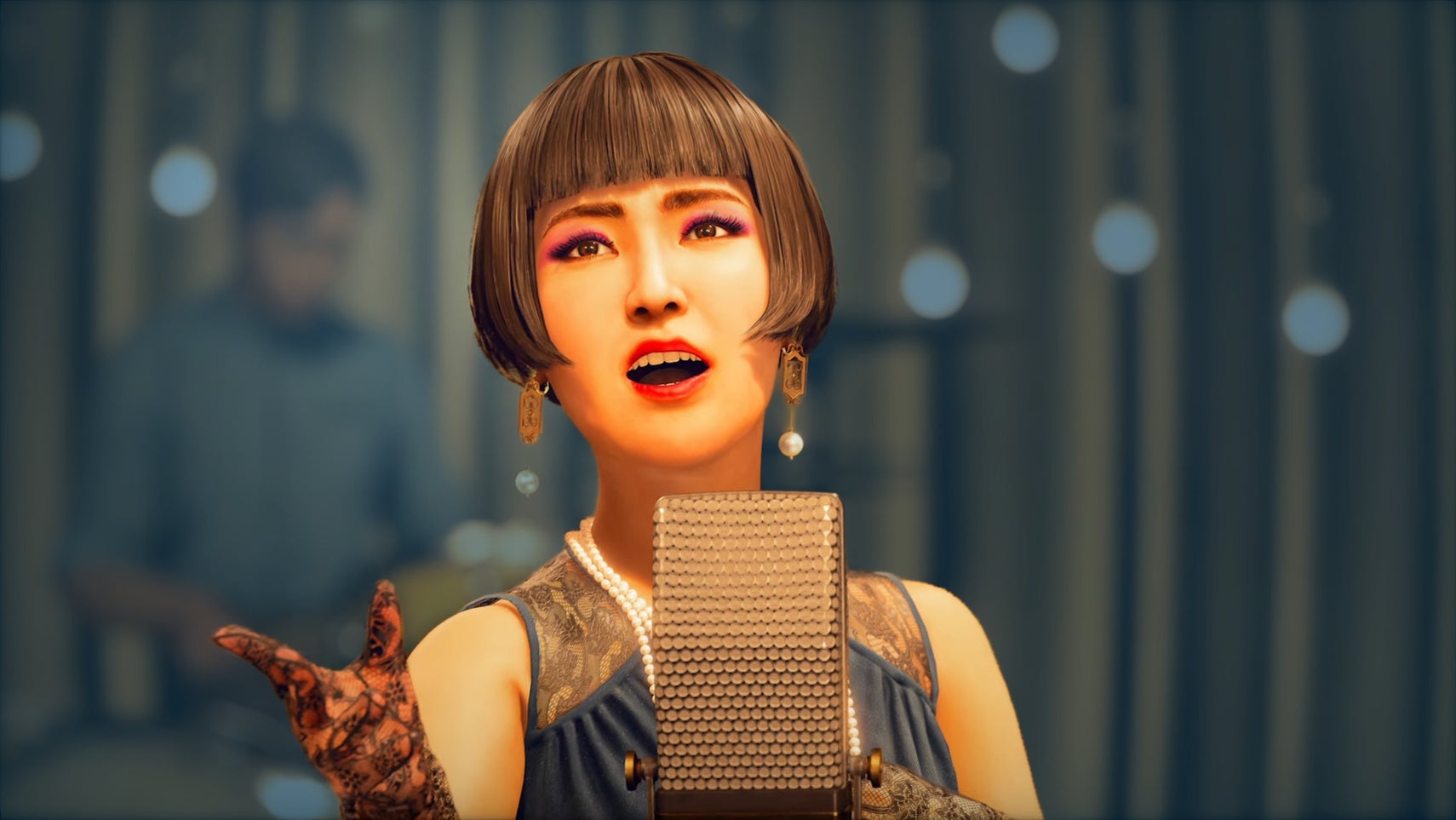
The inclusion of Xbox Cloud Gaming also ensures that the title will be accessible to players without high-end hardware, aligning with Microsoft’s broader "gaming everywhere" initiative. This level of accessibility is crucial for a title that relies heavily on its narrative breadth and historical detail to attract both long-time fans and newcomers to the RGG ecosystem.
The "winter" release window (encompassing December 2025 through February 2026) is historically a period of high consumer spending but also high volatility. By targeting this window, SEGA is positioning Stranger Than Heaven as a premier holiday or early-year blockbuster. The studio’s recent success with Like a Dragon: Infinite Wealth, which sold over one million units within its first week of release in early 2024, provides a blueprint for this timing strategy.
Industry Implications and Developer Philosophy
The development of Stranger Than Heaven signals a broader shift in Ryu Ga Gotoku Studio’s creative trajectory. Under the leadership of Masayoshi Yokoyama, the studio has increasingly leaned into historical fiction and experimental narrative structures, as seen in titles like Like a Dragon: Ishin! However, Stranger Than Heaven appears to be their most ambitious project to date in terms of sheer historical span.
From an industry perspective, the game serves as a litmus test for the viability of high-budget, single-player historical RPGs in a market currently dominated by live-service titles. RGG Studio’s ability to maintain a prolific release schedule—often delivering a major title or expansion every 12 to 18 months—is a rarity among AAA developers. Their efficiency is largely attributed to the iterative use of their proprietary Dragon Engine, though Stranger Than Heaven’s five-era scope suggests a significant amount of new asset creation and technical refinement.
Official responses from SEGA executives during the event highlighted the studio’s "unwavering dedication to character-driven drama." They noted that while the setting and mechanics have evolved, the "soul" of the studio—the focus on human connection and the exploration of the "stranger" elements of life—remains intact.
Chronology of Development and Key Milestones
To understand the weight of this announcement, it is helpful to look at the timeline of RGG Studio’s recent output and the road to Stranger Than Heaven:
- January 2024: Launch of Like a Dragon: Infinite Wealth to critical and commercial acclaim.
- Summer 2024: Initial rumors of a "New Project" begin to circulate following SEGA trademark filings.
- Autumn 2024: RGG Summit officially teases a project that deviates from the standard Yakuza numbering.
- Current (Xbox Presents): Full reveal of Stranger Than Heaven, confirming the 1915–1965 timeline and the "Winter" launch window.
This rapid progression from teaser to deep-dive demonstration is characteristic of RGG Studio’s transparent development cycle. Unlike many Western studios that announce titles years before they are playable, RGG typically reveals games when they are in the final stages of polishing.
Conclusion: A Bold New Chapter for SEGA
Stranger Than Heaven is more than just another entry in the RGG catalog; it is a statement of intent. By tackling fifty years of Japanese history and overhauling their combat philosophy, the studio is attempting to redefine what an action-RPG can be. The five-city, five-era structure offers a level of variety that could potentially set a new standard for the genre, provided the execution matches the ambition.
As the industry moves toward the 2025 holiday season, all eyes will be on Ryu Ga Gotoku Studio to see if they can deliver on the promise of this winter release. With a robust presence on Xbox Game Pass and a cross-generational appeal rooted in historical drama, Stranger Than Heaven is poised to be one of the most significant releases of its year. For now, fans and critics alike must wait for a final date, but the "winter" window ensures that the wait will not be much longer.
The game will launch on Xbox Series X/S, PC, Steam, and PlayStation 5, with day-one availability on Xbox Game Pass and support for Xbox Cloud Gaming. More details regarding the specific characters and the "friendship" mechanics are expected to be shared in the coming months as SEGA ramps up its global marketing campaign.