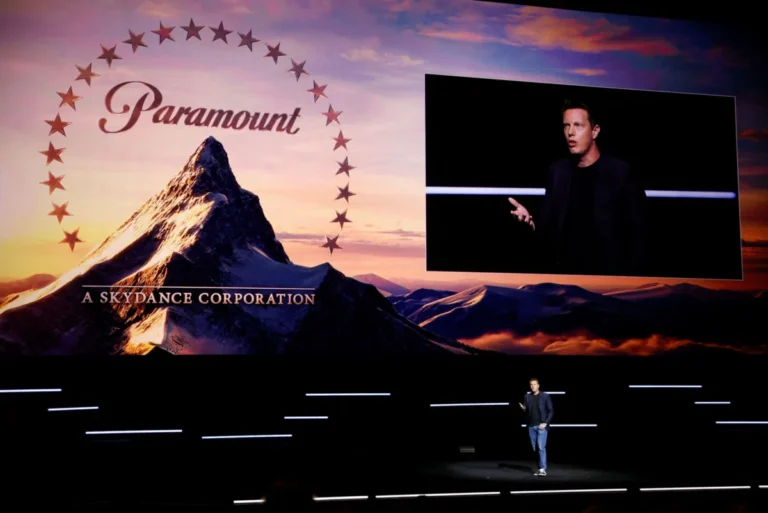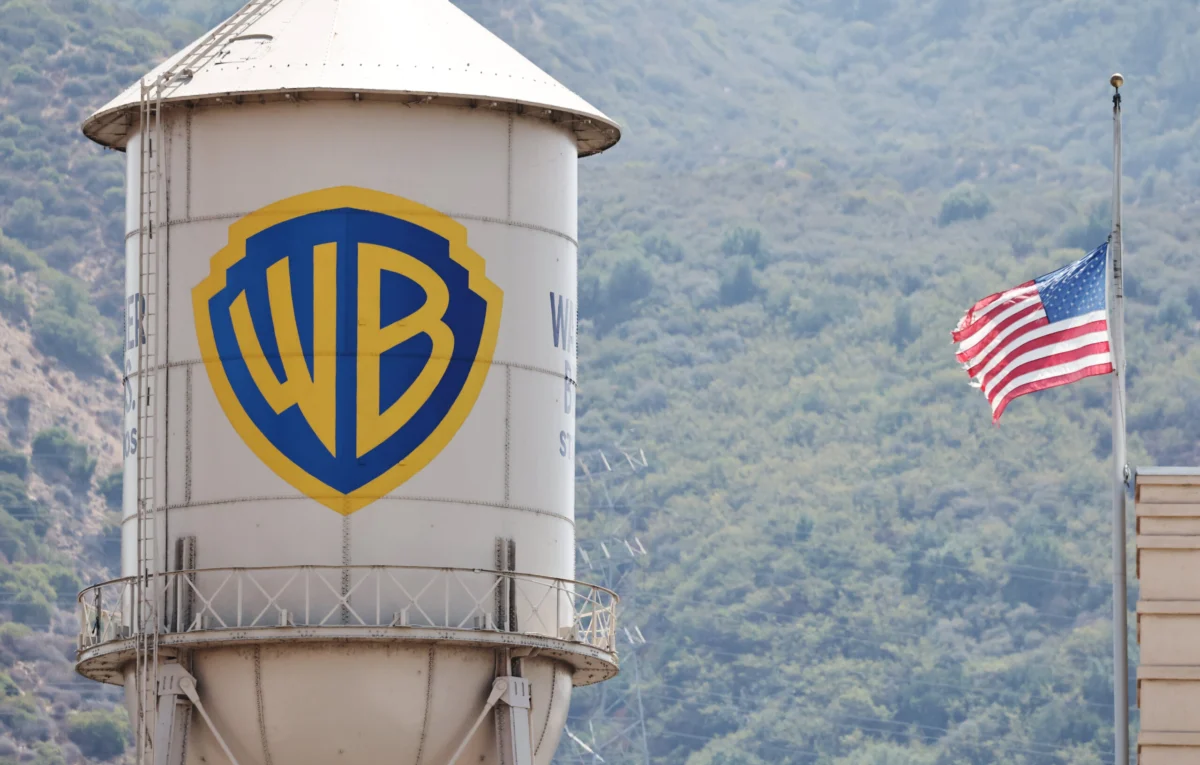
The Warner Bros. Discovery (WBD) board of directors has signaled a definitive shift in the landscape of American media by favoring an acquisition offer from Paramount Skydance over a competing bid from Netflix. While the decision is poised to provide a significant premium to WBD shareholders, it has simultaneously ignited a wave of uncertainty and "deflation" among the company’s nearly 35,000 employees. The preference for the Paramount Skydance deal, valued at approximately $31 per share, represents a strategic pivot toward traditional media consolidation rather than the tech-centric integration proposed by Netflix’s $27.75-per-share offer.
As of late February 2026, the potential merger remains subject to rigorous regulatory scrutiny and internal restructuring fears. WBD Chief Executive Officer David Zaslav, in a recent all-hands meeting, acknowledged the "whiplash" felt by the workforce as the company moved from negotiations with the world’s largest streaming platform to a merger with a legacy rival. Despite the board’s preference, the transaction faces a complex path toward closing, involving antitrust reviews in both the United States and Europe and the integration of two massive, debt-laden corporate hierarchies.
The Financial Conflict: Shareholders vs. Workforce
The board’s decision was primarily driven by the financial valuation of the respective bids. Paramount Skydance’s offer of $31 per share represents a significant upside compared to the current trading price of WBD and outperformed Netflix’s bid by more than $3 per share. For institutional investors and major shareholders, the Paramount deal offers immediate capital appreciation and a stake in a consolidated media powerhouse with an enterprise value estimated at $111 billion.
However, for the employees of Warner Bros. Discovery, the financial logic of the board does not necessarily align with job security or operational stability. CNBC spoke with 10 WBD employees across various divisions, including news, sports, and streaming. Each individual, speaking on the condition of anonymity, expressed profound concern regarding the redundancy of roles. Unlike the Netflix bid, which promised to keep several WBD assets as independent entities, the Paramount Skydance merger is built on the premise of "synergies"—a corporate euphemism for large-scale layoffs and the elimination of overlapping departments.
"It’s fair to say people are deflated by the news," one long-term WBD executive noted, reflecting a sentiment that the company is moving from one period of painful restructuring—following the 2022 Discovery-WarnerMedia merger—directly into another.
The Netflix Alternative: A Path of Autonomy
A significant portion of the WBD workforce had reportedly been rooting for a Netflix acquisition. The appeal of the Netflix offer lay in its unique structure. Netflix co-CEO Ted Sarandos had signaled an intent to maintain WBD’s core theatrical business as a separate entity, recognizing that Netflix’s internal model is not currently optimized for traditional cinema distribution. Furthermore, Netflix proposed keeping HBO Max as an independent, standalone streaming service for the foreseeable future, rather than folding it into the Netflix interface.
Perhaps most importantly for those in the linear television sector, Netflix did not intend to acquire WBD’s cable assets, such as CNN, TNT Sports, and the legacy Discovery networks. Under the Netflix proposal, these entities would have been spun off into a separate, publicly traded company. This would have allowed employees at CNN and TNT to chart their own course without being absorbed into a larger conglomerate’s existing news or sports infrastructure.
In contrast, the Paramount Skydance deal necessitates a full integration. Paramount executives have already publicly stated their goal of achieving $6 billion in cost savings. Chief Strategy Officer Andy Gordon highlighted that these cuts would target "duplicative operations" in back-office functions, finance, legal, technology, and corporate infrastructure. For a workforce that has already endured thousands of cuts since David Zaslav took the helm of the merged WBD in 2022, the prospect of another $6 billion in "efficiencies" is daunting.
Leadership and Cultural Clashes in News and Entertainment
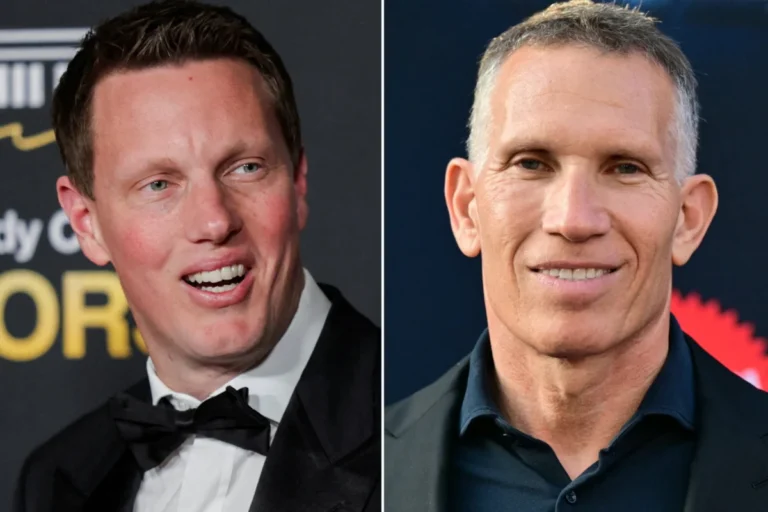
The potential merger raises significant questions regarding the future leadership of iconic brands like CNN. Currently, CNN is led by Mark Thompson, who has been tasked with modernizing the network’s digital presence. However, a merger with Paramount would bring CBS News into the same stable. Speculation has mounted that Bari Weiss, currently the editor-in-chief at CBS News (following the Skydance-Paramount merger), could see her purview expanded to include CNN.

This possibility has created "rampant fear" among CNN staff. Reports from the Wall Street Journal in late 2025 suggested that Paramount CEO David Ellison had discussed potential changes to CNN’s tone and anchor lineup with political figures, including Donald Trump. While CNN media reporter Brian Stelter has argued that it would be "foolish" for any owner to disrupt a highly profitable business like CNN, the anxiety regarding editorial independence remains high. Mark Thompson attempted to soothe these fears in a recent memo, urging staff not to "jump to conclusions" until the deal’s details are finalized.
On the entertainment and streaming side, the "too many cooks" problem becomes apparent. The combined entity would need to reconcile a leadership group that includes WBD’s existing heads with Paramount’s senior executives, such as President Jeff Shell, Chair of Direct to Consumer Cindy Holland, and Chair of TV George Cheeks. Each of these individuals has a history of leading major organizations—Shell at NBCUniversal, Holland at Netflix, and Cheeks at CBS/Paramount. Integrating these high-level executives into a single hierarchy presents a significant cultural and operational challenge.
Sports Synergy: A Silver Lining?
One area where the merger may offer strategic benefits is in sports broadcasting. WBD’s TNT Sports and Paramount’s CBS Sports have a long history of collaboration, most notably in their joint production of the NCAA Men’s Basketball Tournament (March Madness). This existing partnership provides a level of familiarity that other divisions lack.
Luis Silberwasser, head of TNT Sports, has focused on capturing younger demographics through investments in Bleacher Report and House of Highlights. CBS Sports, led by David Berson, has traditionally catered to an older, broadcast-heavy audience. Analysts suggest these assets could be complementary rather than purely redundant. Furthermore, after WBD lost the media rights to the NBA last season, a merger with CBS—which holds rights to the NFL and The Masters—would instantly return WBD to a position of dominance in the sports media landscape, albeit as part of a larger CBS-led ecosystem.
The Debt Mountain and Market Valuation
A recurring concern among both employees and market analysts is the financial health of the combined entity. The enterprise value of the deal is cited at $111 billion, but a staggering $64 billion of that is comprised of debt. WBD has spent the last three years aggressively paying down debt from its previous merger, and the prospect of taking on Paramount’s liabilities is seen by some as a step backward.
Comparatively, Netflix boasts a market capitalization of over $400 billion with a relatively lean debt profile, providing a sense of financial security that a Paramount-WBD merger cannot match. Paramount Skydance’s own market valuation sits at approximately $15 billion, leading some to question whether the "merged" company will have the necessary capital to compete with tech giants like Apple, Amazon, and Netflix in the long term.
Regulatory Hurdles and the Road Ahead
Despite the board’s preference, the merger is far from a "done deal." California Attorney General Rob Bonta has publicly noted that the transaction will face intense scrutiny. Regulators in the U.S. Department of Justice and the Federal Trade Commission, as well as European competition authorities, are expected to examine the deal for potential monopolistic behavior in the advertising and content distribution markets.
David Zaslav has prepared for the possibility of a regulatory block. According to leaked audio from a recent town hall, Zaslav informed employees that if the deal fails to gain approval, WBD would receive a $7 billion breakup fee from Paramount Skydance. "If it doesn’t close, we get $7 billion, and we get back to work," Zaslav reportedly said, attempting to frame a potential failure as a win for the company’s balance sheet.
Timeline of the WBD-Paramount-Netflix Saga
The current situation is the culmination of a months-long bidding war that began in late 2025:
- September 2025: Speculation begins regarding Paramount Global’s search for a buyer as Shari Redstone looks to exit the media business.
- December 2025: Paramount and Skydance enter exclusive talks. WBD and Netflix emerge as potential "spoiler" bidders.
- January 2026: Netflix submits a formal bid emphasizing operational autonomy and a spin-off of linear assets.
- February 17, 2026: WBD enters formal waiver talks with Netflix to explore a potential deal.
- February 24, 2026: Paramount Skydance raises its bid to $31 per share, creating a clear valuation gap.
- February 26, 2026: The WBD board officially votes to pursue the Paramount Skydance offer, citing superior shareholder value.
- February 27, 2026: David Zaslav holds an all-hands meeting to address employee concerns and the $7 billion breakup fee.
As the industry moves into the spring of 2026, the focus will shift from the boardroom to the halls of government. The outcome of the regulatory review will determine whether the "Big Five" of Hollywood becomes the "Big Four," and whether the employees of Warner Bros. Discovery will face a new era of consolidation or a return to the status quo. For now, the mood in Burbank and New York remains one of cautious observation, as the workforce waits to see if the board’s financial windfall will translate into a sustainable future for the storied studio.