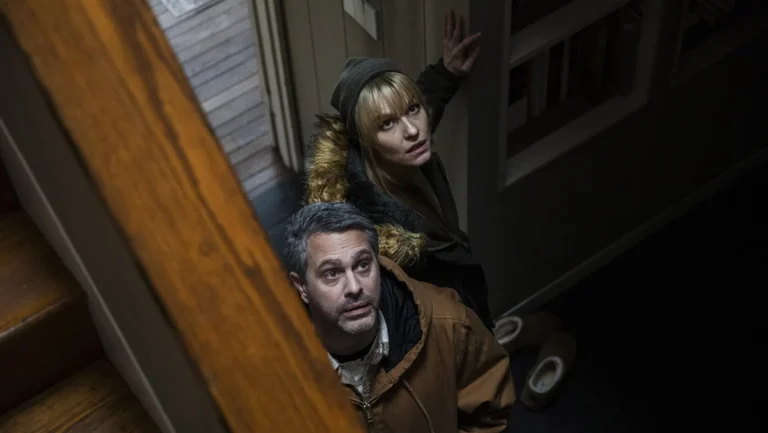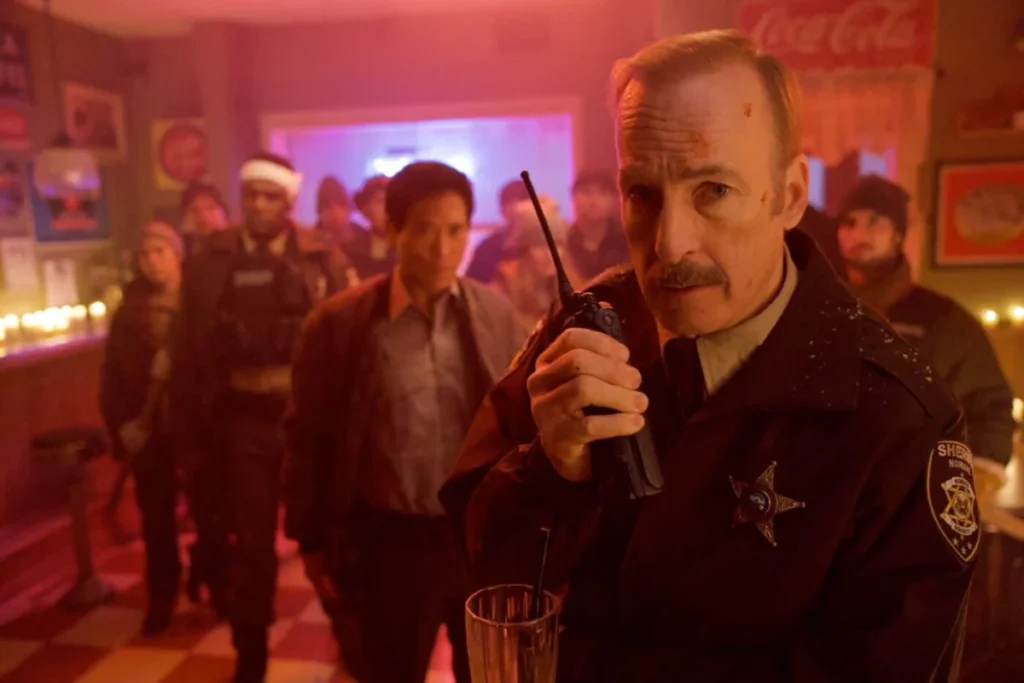




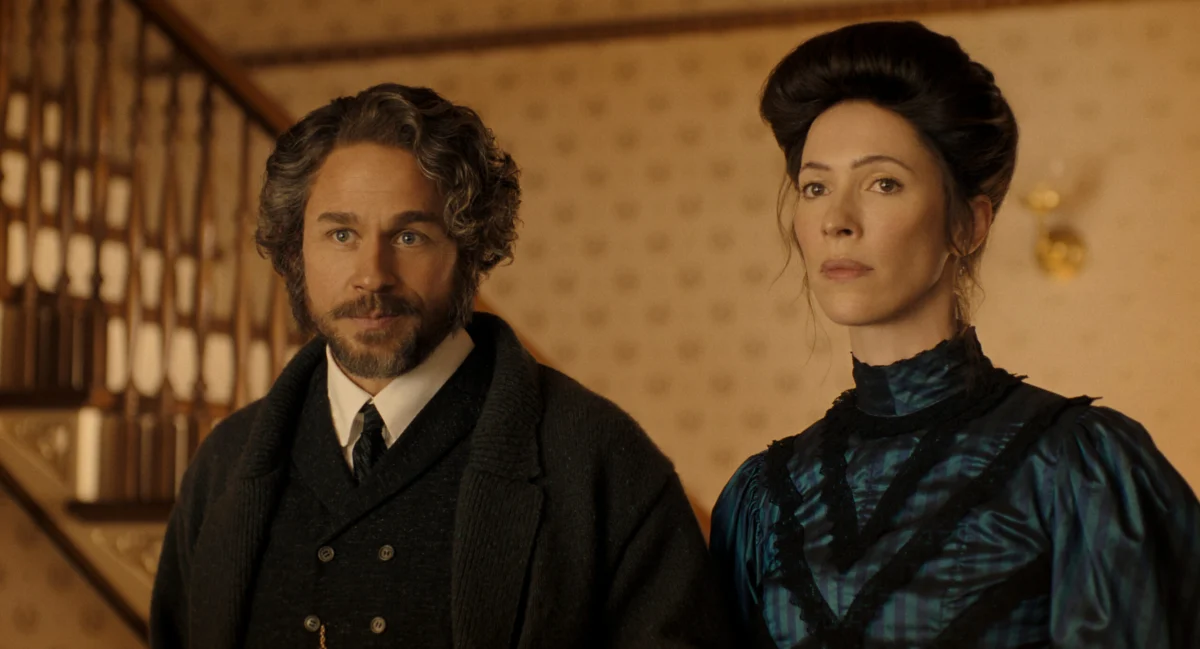
Charlie Hunnam has solidified his reputation as a transformative actor by anchoring the latest installment of Ryan Murphy and Ian Brennan’s true-crime anthology series, Netflix’s Monster: The Lizzie Borden Story. Following an intense, critically acclaimed portrayal of serial killer Ed Gein in the show’s third season, Hunnam stepped immediately into the shoes of Andrew Borden, the patriarch whose 1892 demise remains one of the most debated unsolved mysteries in American legal history. The series, which has already garnered significant viewership, offers a stylized, harrowing examination of the toxic domestic dynamics that preceded the infamous axe murders in Fall River, Massachusetts.
The transition from the well-documented life of Ed Gein to the enigma of Andrew Borden presented a unique creative challenge for the actor. While Gein’s history is replete with psychological evaluations, police reports, and extensive media documentation, Andrew Borden remains a figure obscured by the shadows of his own reclusive, penny-pinching lifestyle. For Hunnam, this lack of historical data served as a narrative canvas rather than a constraint, allowing the production team to craft a character whose oppressive domestic presence could theoretically catalyze the violent trajectory of his daughter, Lizzie.
The Historical Context of the Borden Murders
To understand the weight of the roles Hunnam and his co-star, Ella Beatty, inhabit, one must revisit the atmosphere of Fall River in the late 19th century. On August 4, 1892, the Borden household became the site of a gruesome double homicide. Andrew Borden, a wealthy and notoriously frugal banker, and his wife, Abby Borden, were struck repeatedly with an axe.
The investigation that followed was fraught with incompetence and social bias. Lizzie Borden, the daughter of Andrew and his first wife, quickly became the primary suspect. The subsequent trial in 1893 remains a fixture in the American consciousness, characterized by the famous, albeit apocryphal, jump-rope rhyme that cemented the event in pop culture. Despite the circumstantial evidence—including Lizzie’s conflicting accounts of her whereabouts and the discovery of a burnt dress—she was acquitted by a jury after only an hour of deliberation. The acquittal was influenced by the era’s patriarchal legal standards, which struggled to reconcile the image of a genteel, church-going woman with the brutality required to commit such a crime.
A Creative Departure from Historical Record
The Netflix series does not shy away from taking a definitive stance on the culpability of its central figure. While history leaves the case open to interpretation, the showrunners have opted to lean into the narrative that Lizzie was indeed the perpetrator. Hunnam confirms that this creative direction was a consensus reached after extensive research by creators Ryan Murphy and Ian Brennan.
"We got to create the version of Andrew that was most impactful for Lizzie’s story, and to try to speculate what it was about him and that household that drove Lizzie to do what she did," Hunnam notes. "After doing all of their research, Ian and Ryan felt more than likely that Lizzie was responsible. Which I do, too. But, a lot of my understanding comes through the conversations I had with them."
This collaborative approach allowed Hunnam to focus on the emotional reality of a man trapped by his own grief—specifically the death of his first wife—and a subsequent marriage that fostered deep resentment within his home. By focusing on the internal prison of Andrew Borden, the show provides a psychological foundation for the violence that follows, moving beyond the mere gore of the crime to the systemic pressures of the household.
Production Dynamics and Character Development
The production of the fourth season of Monster was accelerated by the creative chemistry between the cast and the production team. Having recently concluded his work as Ed Gein, Hunnam was approached by Murphy with the role of Andrew Borden while in discussions for another potential project. The decision to accept the role was driven by his positive experience with the creative team and his long-standing friendship with director Max Winkler.

The dynamic between Hunnam and his scene partner, Ella Beatty, was critical to the show’s success. Beatty, who portrays the enigmatic Lizzie, has been lauded by the cast and crew for her poise and technical precision. Hunnam describes his work with her as a revelation, noting that her maturity and self-awareness on set were remarkable for a performer at her stage in her career. The scenes involving the two—particularly those depicting the escalating conflict between a controlling father and a stifled daughter—serve as the emotional anchor of the early episodes.
One specific sequence, involving the killing of Lizzie’s pet doves, marks a turning point in the series. The scene, in which Andrew lashes out in a display of temper, was described by Hunnam as a pivotal moment of explosion. The deliberate, often silent, tension between the characters culminates in these bursts of violence, which the show uses to illustrate the toxic environment of the Borden home.
The Evolution of the True-Crime Anthology
The success of the Monster series marks a broader trend in streaming media, where high-production-value anthologies revisit historical crimes through a lens of psychological drama rather than standard procedural investigation. By utilizing a "Monster" framework, the series frames these crimes not as isolated incidents of madness, but as the culmination of systemic, familial, and social failures.
Data from the streaming sector indicates that true-crime narratives continue to dominate viewer engagement metrics, with audiences increasingly drawn to productions that offer a deep dive into the "why" rather than the "who." However, this approach carries the responsibility of balancing narrative entertainment with historical sensitivity. By acknowledging the speculative nature of their depiction, the creators of the Lizzie Borden installment have attempted to navigate the thin line between historical fiction and respectful adaptation.
Analytical Implications of the Series
The series effectively highlights the role of domestic resentment in the commission of violent crimes. By portraying Andrew Borden as a man whose cold, detached pragmatism contributed to an environment where violence became the only perceived outlet for his daughter, the show invites viewers to analyze the Borden case through a modern lens.
Critics have pointed out that the show’s decision to lean into the guilt of Lizzie Borden is a narrative choice that departs from the "not guilty" verdict of history. This has sparked renewed debate among historians and true-crime enthusiasts. However, from a production standpoint, the series is an exploration of the human cost of repression. As Hunnam describes, the most difficult scenes were not the murders themselves, but the raw, emotional, and honest moments that detailed the internal experience of Andrew Borden across different periods of his life.
Looking Ahead: The Legacy of the Monster Franchise
With the release of all episodes on Netflix, the impact of this season on the broader Monster anthology is already being felt. The ability of the series to retain high-profile talent like Hunnam across multiple seasons suggests a sustainable model for the platform. As the franchise continues to evolve, the challenge for Murphy and Brennan will be to maintain the balance between high-stakes drama and the historical integrity of the subjects they choose to depict.
The portrayal of Andrew Borden stands as a testament to Hunnam’s ability to find humanity in the most controversial of historical figures. By stripping away the mythological status of the "Borden Axe Murderer" and replacing it with the mundane, often cruel realities of a 19th-century domestic life, the series forces a confrontation with the uncomfortable truths that often reside behind the closed doors of "respectable" households.
Ultimately, the production serves as a mirror to contemporary society’s ongoing fascination with the dark corridors of the past. Through careful curation of historical themes and a commitment to character-driven storytelling, Monster: The Lizzie Borden Story provides a haunting look at the fragility of familial bonds and the lasting shadow of an unsolved tragedy. As audiences continue to engage with the series, the debate surrounding the Borden case—and the choices made by the showrunners to interpret it—will undoubtedly persist, ensuring that the legacy of the Fall River murders remains as potent today as it was over a century ago.