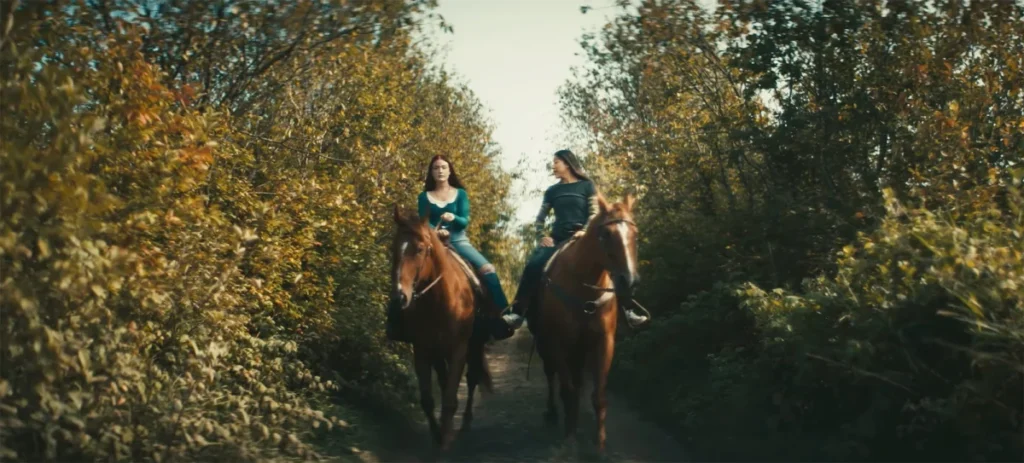




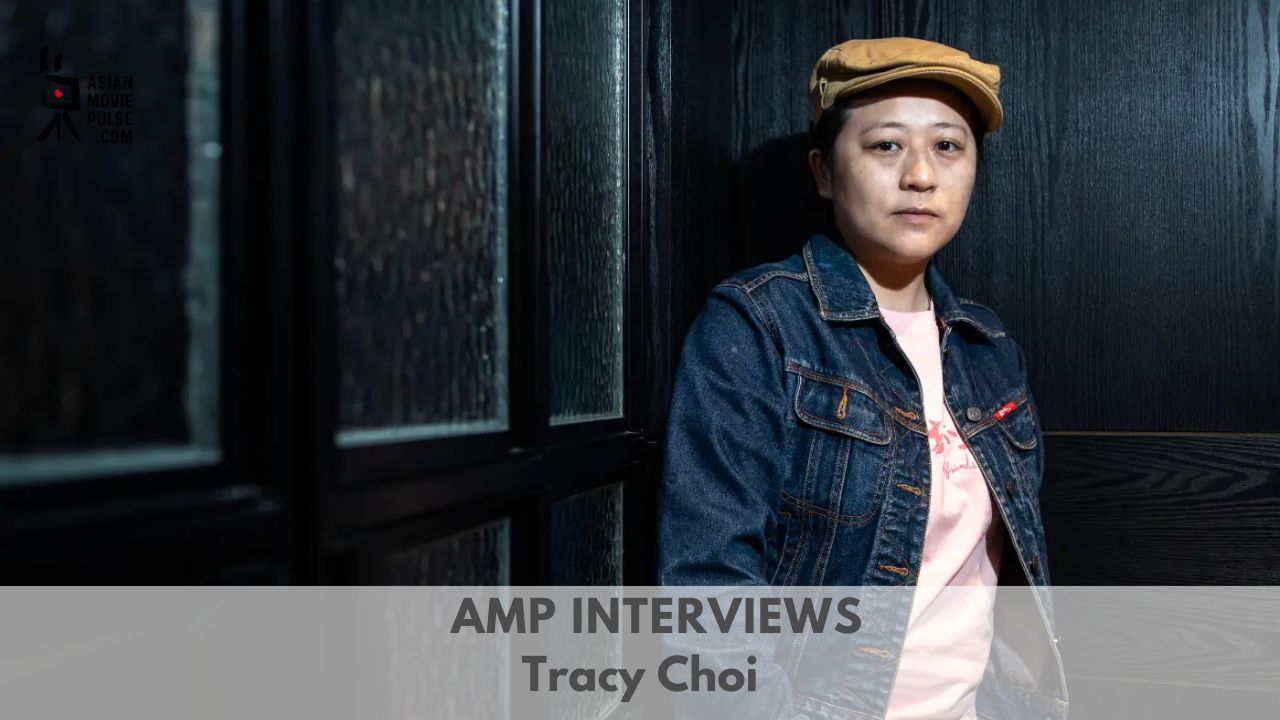
Macau director Tracy Choi’s latest cinematic offering, "Girlfriends," embarks on an evocative exploration of a queer woman’s life, tracing her emotional, personal, and professional evolution across the distinct urban landscapes of Macau, Taiwan, and Hong Kong. The film, currently gracing the screens of the Queer East Film Festival, presents a compelling narrative structure that unfolds in reverse chronological order. Choi, in a recent discussion, elaborated on the deliberate choice behind this unconventional timeline, the innovative casting of three actresses to portray the same protagonist, the integral role of the three cities in shaping the narrative, and the inherent challenges of cinematic production within Macau.
A Deliberate Narrative Unfolding in Reverse
The genesis of "Girlfriends" did not initially align with its final form. Choi revealed that the initial script employed a more conventional crosscutting approach. However, as the production phase concluded and the intricate process of editing commenced, she and her collaborative team identified a more profound resonance in presenting the narrative in reverse. This structural decision, Choi explained, was intended to foster a deeper audience connection with the protagonist. By moving from the present to the past, the film gradually unveils the contemporary predicaments the character faces, while simultaneously illuminating the formative experiences and societal influences that have sculpted her into the individual she is at each stage of her life. This backward glance, therefore, serves not only as a storytelling device but also as a key to understanding the layered complexities of her identity and journey.
The writing process itself was significantly influenced by the global pandemic, during which Choi began conceptualizing a story centered on a young woman’s upbringing in Macau. The narrative gained further depth and accessibility with the subsequent involvement of a Hong Kong-based screenwriter, who helped refine the story for a broader audience. Principal photography for "Girlfriends" commenced in September 2024, following approximately one month of intensive preparation. The shoot itself was remarkably efficient, spanning roughly one month and comprising 19 shooting days, a testament to meticulous planning and execution.
The Mosaic of a Single Protagonist: Three Actresses, One Soul
A particularly striking element of "Girlfriends" is the casting of three distinct actresses to embody the central character across different phases of her life. Choi, however, intentionally steered away from seeking actresses with strong physical resemblances. This casting choice was rooted in a profound observation of human development. Choi articulated that the significant transformations individuals undergo from adolescence through higher education and into adulthood often lead to such pronounced changes that even those closest to them may find them almost unrecognizable. Furthermore, she aimed for the character to represent a spectrum of female experiences, encompassing diverse appearances, energies, and ways of navigating the world. This approach underscores the idea that identity is not static but a fluid construct shaped by time, experience, and personal evolution.
Despite the visual distinctions, Choi meticulously wove threads of continuity between the three performances. The actress portraying the protagonist during her younger years served as a crucial reference point. The actress embodying the middle period of the character’s life visited the set during the filming of the younger segments. This immersion allowed her to observe the creative process and develop a nuanced understanding of the character’s past, fostering a sense of inherited memory. Similarly, the actress taking on the role of the eldest version of the protagonist was provided with footage of the youngest incarnation. This visual reference enabled her to internalize and convey echoes of that earlier self within her performance, creating a palpable link across the temporal divides.
The casting process also held a personal dimension for Choi. She revealed that the actresses selected to portray the older iterations of the protagonist were already close friends of hers, sharing a friendship of nearly a decade. Given that their characters were envisioned as having been in a long-term relationship for eight to ten years, this pre-existing familiarity proved invaluable in cultivating a natural and authentic on-screen chemistry. Indeed, some of their most compelling interactions were not scripted but emerged organically from their genuine friendship, a serendipitous element that Choi felt significantly enhanced the authenticity of the scenes. This integration of personal relationships into the narrative fabric added a layer of lived experience that resonated deeply within the film.
The Urban Tapestry: Macau, Taiwan, and Hong Kong as Characters
The geographical settings of "Girlfriends" are not merely backdrops but function as integral components of the narrative, almost as additional characters in their own right. Choi described Macau, Taiwan, and Hong Kong as distinct entities, each imprinting its unique character upon the protagonist’s journey. Macau, her place of upbringing, is depicted as a milieu of restriction, mirroring a societal consciousness deeply concerned with external perception and conformity. In stark contrast, Taiwan offers the protagonist a sense of liberation, albeit one tinged with the inherent confusion and uncertainty that often accompanies newfound freedom. Hong Kong, on the other hand, is portrayed as a city of pragmatism and resilience, a place where individuals labor diligently to forge a livelihood. This aspect directly resonates with the protagonist’s adult life, her endeavors to balance her creative aspirations with the demands of maintaining her relationships, and the constant negotiation between personal fulfillment and societal expectations.
The pervasive issue of housing also emerges as a significant thematic concern within the narrative, particularly highlighted by Bei Bei’s decision to purchase a property in Macau. Choi observed that while housing prices in Macau might be comparatively more accessible than in Hong Kong, they remain prohibitively expensive for a substantial segment of the young population, including those in professions such as office work, artistic pursuits, or teaching. Consequently, the aspiration for homeownership transcends a mere practical consideration, becoming a potent symbol of societal pressure, the pursuit of stability, and the varied expectations placed upon individuals as they navigate adulthood and seek to establish themselves. This economic reality serves as a tangible manifestation of the pressures and aspirations that define the characters’ lives.
Navigating Queer Identity in Shifting Social Climates
In her discourse on queer identity, Choi articulated a nuanced perspective on the societal landscapes of the featured cities. She posited that the most significant contrast is not between Hong Kong and Macau, but rather between Taiwan and the other two locations. Even though the Taiwanese segment of "Girlfriends" is set prior to the legalization of same-sex marriage in the region, Choi emphasized Taiwan’s more advanced and robust public discourse surrounding queer and gender-related issues. Conversely, she perceives a relative reticence in Hong Kong and Macau to engage with these subjects with the requisite seriousness. This societal silence, she noted, can manifest in subtle yet revealing ways. She cited an instance within the film where a character refers to a lesbian partner as a "boyfriend." For Choi, such linguistic imprecisions underscore how queer relationships are often inadvertently forced into heterosexual frameworks due to a societal unpreparedness to articulate and acknowledge diverse sexual orientations and gender identities openly and accurately. This highlights the profound impact of social discourse on the lived experiences of LGBTQ+ individuals.
This deliberate approach to portraying the complexities of queer identity extends to the more intimate moments within the Taiwan-set portions of the film, where the protagonist grapples with self-discovery in relation to her sexuality and identity. Choi engaged the services of an intimacy coach for the first time during the production of these scenes, an experience she described as exceptionally positive and beneficial. Given the compressed schedule of six days allocated for shooting the Taiwan sequences, the preparatory work undertaken with the intimacy coach proved instrumental. This collaboration ensured that the actresses, the crew, and Choi herself were well-prepared, allowing for a focused approach to capturing the emotional nuances and subtle expressions once filming commenced. The pre-choreographed intimacy sequences facilitated a more streamlined shooting process, enabling Choi to prioritize the emotional core of the scenes.
Visual Language and the Challenges of Macau Cinema
Visually, Choi sought to imbue "Girlfriends" with a profound sense of immersion into the characters’ internal emotional states. Collaborating once again with Simmy Cheong, the Director of Photography from her debut feature, "Sisterhood," with whom she has maintained a decade-long working relationship, Choi employed handheld camerawork and distinct color palettes to delineate the three temporal periods. In the segments depicting the protagonist’s youth, the framing frequently positions her within enclosed spaces or deliberately obscures her direct presence, visually articulating a state of emotional uncertainty and confinement. This deliberate visual strategy serves to externalize the character’s internal world and her nascent understanding of herself and her surroundings.
Addressing the broader context of cinema in Macau, Choi acknowledged the absence of a fully established and cohesive industry. However, she identified the development of government funding initiatives over the past decade as a significant positive trend. These initiatives have provided crucial support for emerging directors, enabling them to realize their first or second feature films. Nevertheless, Macau remains a diminutive market with a constrained audience base, posing considerable challenges for film distribution. Consequently, filmmakers operating within Macau often find it necessary to forge collaborations with entities in Hong Kong, Taiwan, or mainland China to secure wider circulation and attain theatrical release. This interdependence highlights the ongoing efforts to bolster the regional film landscape and expand the reach of Macau’s cinematic creations.
Future Endeavors and the Evolution of Storytelling
Looking towards the horizon of her filmmaking career, Choi revealed that she currently has another project in the post-production phase. This upcoming work also centers on female protagonists, exploring the dynamic relationship between a college professor and a student. The narrative focuses on their mutual support as they endeavor to extricate themselves from challenging circumstances, embark on new ventures together, and undergo significant personal growth throughout their shared journey. This continued thematic focus on women’s experiences and intergenerational connections suggests a consistent artistic vision and a commitment to exploring diverse facets of human relationships through her cinematic lens. The film’s progression into post-production signifies a tangible step towards bringing this new narrative to audiences, further expanding Choi’s distinctive contribution to contemporary cinema.