



While summer has historically maintained its reputation as the peak season for weddings, the bridal industry has undergone a significant transformation over the last decade. Data from the wedding planning sector indicates that the "wedding season" is no longer confined to the warmer months; instead, ceremonies are now evenly distributed across all four seasons. From holiday-themed proposals to spring elopements and autumn nuptials, the timeline for marriage has become increasingly fluid. This shift in consumer behavior mirrors a broader change in how couples approach the engagement process itself. As public figures like Travis Kelce and Taylor Swift opt for summer milestones, and celebrities such as Tom Holland and Zendaya choose winter engagements, the traditional pressure to propose on specific dates—most notably Valentine’s Day—has largely dissipated.
This evolution extends to the procurement of engagement rings, a purchase that remains one of the most significant financial and emotional investments a person will make in their lifetime. As the market pivots toward digital accessibility, the once-daunting task of sourcing a high-quality ring has moved from traditional brick-and-mortar storefronts to the global digital marketplace.

The Shift Toward Digital Jewelry Procurement
The move toward purchasing engagement rings online is driven by a combination of transparency, convenience, and a wider breadth of selection. According to recent market analysis, online jewelry sales have seen a compound annual growth rate (CAGR) of approximately 8% as consumers grow more comfortable with high-ticket digital transactions. This growth is supported by advanced logistics, high-definition 360-degree product imaging, and sophisticated return policies that mitigate the risks traditionally associated with buying jewelry without a physical inspection.
For many modern couples, the ability to compare diamond certifications, carat weights, and metal compositions side-by-side online provides a level of control that in-store experiences often lack. Furthermore, the rise of lab-grown diamonds has democratized the market, allowing consumers to achieve higher clarity and carat weight at a fraction of the cost of mined stones, a trend that is particularly prevalent among younger demographics prioritizing sustainability and budget-conscious luxury.
Essential Guidelines for Online Ring Sizing
One of the primary concerns for online shoppers is accuracy in sizing. Unlike buying clothing, an engagement ring requires a precise fit to ensure comfort and security for the wearer. Industry experts emphasize that while standard charts are helpful, they are rarely foolproof.

"When trying to find the right size, you can purchase an inexpensive ring sizer tool online or utilize a printable chart to wrap around the finger," suggests Kylie Bee, Merchandise Lead of Fine Jewelry at Quince. "However, if you are planning a surprise proposal, the most effective method remains borrowing a ring that your partner currently wears. Ideally, you should target a ring they wear on the ring finger or middle finger, as these are the closest matches to the target finger’s dimensions."
For those opting to trace a ring, Bee recommends placing the item on a piece of paper, carefully marking the inner circumference with a pencil, and measuring the diameter. "If you are utilizing this indirect method, it is crucial to select an engagement ring style that is easily resizable—at least a full or half-size up or down," she adds. Always verify with the retailer’s representative whether a specific setting is designed to accommodate future adjustments, as some intricate band designs, such as full-pavé styles, can be difficult or impossible to alter.
Selecting the Right Style and Balancing Priorities
Choosing a design that aligns with the recipient’s personal aesthetic is a subjective but critical challenge. Professionals in the bridal industry often suggest a "consultative approach" before committing to a purchase. This involves discreetly vetting the preferences of the recipient through trusted friends or family members who may have access to digital "wish lists" or Pinterest boards.

"The most important aspects to identify are the preferred diamond shape, carat weight, and metal color," notes Bee. "Furthermore, determining whether your partner prefers natural or lab-grown diamonds is essential. This information allows you to balance their specific tastes with your financial parameters."
When evaluating retailers, the fine print is paramount. Because engagement rings represent a significant investment, shoppers must review the return policy, warranty coverage, and the availability of certification reports from reputable organizations like the GIA (Gemological Institute of America) or IGI (International Gemological Institute). A lifetime warranty that covers prong tightening and cleaning is often a hallmark of a reputable vendor.
Top Retailers for Online Engagement Rings
The following retailers have emerged as leaders in the digital space, each offering distinct advantages depending on the buyer’s priorities, ranging from luxury craftsmanship to sustainable sourcing.

Blue Nile: The Standard for Value and Selection
Blue Nile remains a dominant force in the online engagement market, largely due to its extensive inventory and "design-your-own" interface. The company offers a competitive pricing structure that makes it an ideal choice for buyers looking for maximum value. Each ring is delivered in a professional presentation box, accompanied by essential documentation, including appraisal certificates and diamond grading reports. Their offerings include a lifetime warranty and complimentary engraving, making them a comprehensive one-stop shop for diverse budgets.
Kinn Studio: The "Cool Girl" Aesthetic
For those seeking a departure from traditional, ornate settings, Kinn Studio focuses on intentional design and modern silhouettes. Their collection is characterized by chunkier gold bands, bezel settings, and ribbed designs like the Solis Ring. While their inventory is more curated than larger retailers, the brand’s appeal lies in its "less is more" philosophy, creating pieces that feel both trendy and timeless.
Plum Diamonds: The Eco-Conscious Choice
As a women-owned business, Plum Diamonds exclusively utilizes lab-grown diamonds, positioning themselves as an ethical and cost-effective alternative to traditional mining. Their model allows for high levels of customization, including choices for side stones and metal finishes. With a production time of 15 to 17 business days, they offer a personalized manufacturing experience that includes lifetime resizing and polishing services.

Jean Dousset: The Pinnacle of Luxury
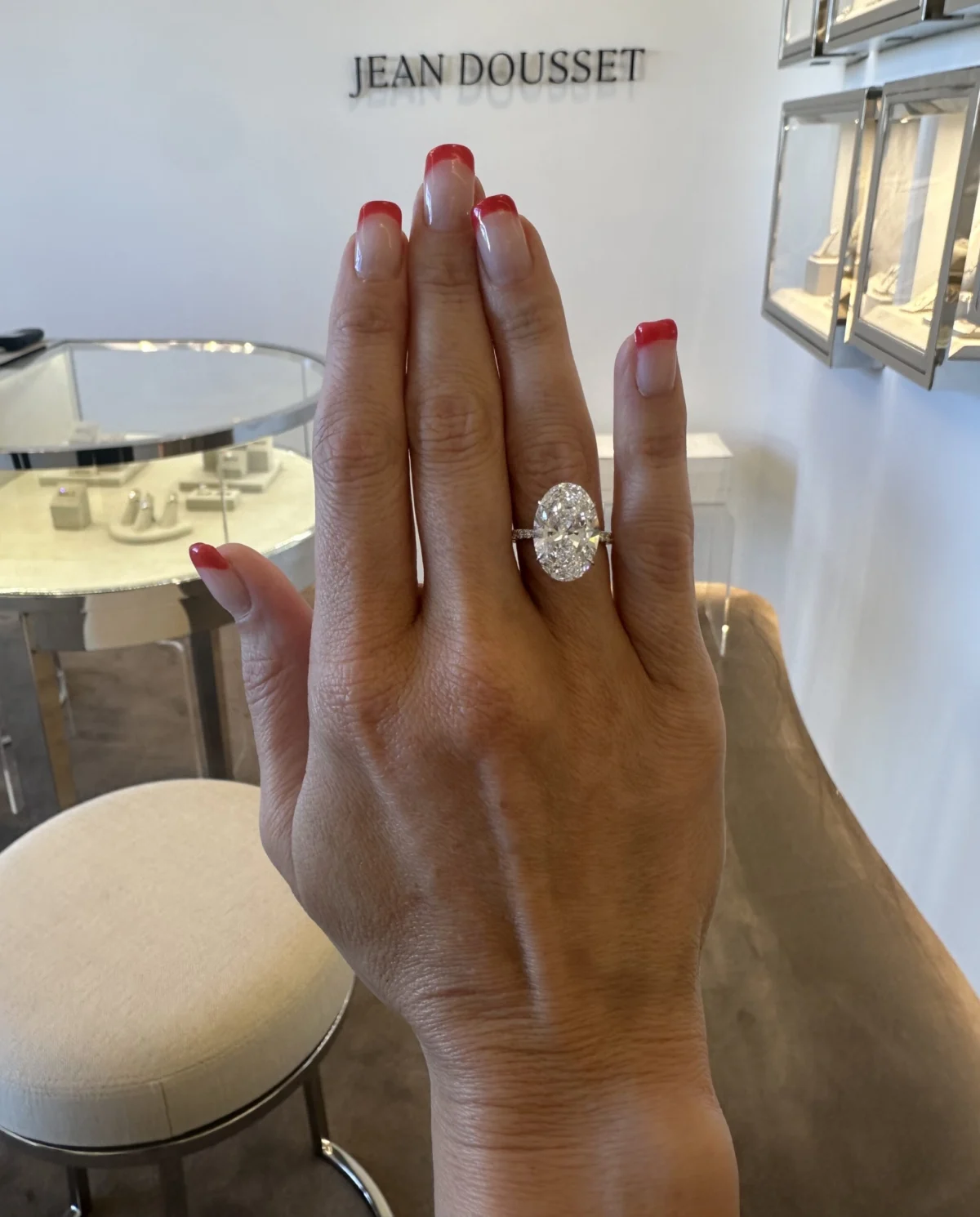
Representing the intersection of heritage and innovation, Jean Dousset—the great-great-grandson of Louis Cartier—offers a high-end digital experience. His Claire Collection is noted for its "floating" stone design, achieved through ultra-thin, nearly invisible prongs. For the buyer prioritizing prestige and craftsmanship, the brand offers a white-glove experience that bridges the gap between digital convenience and the luxury boutique atmosphere.
Mejuri: The Shopper Favorite
Mejuri has captured a significant portion of the market by focusing on high-quality materials, such as solid 14k gold and sterling silver, without the markups associated with legacy luxury brands. Their diamond cluster rings are particularly popular among younger consumers who prefer a chic, understated look. While their customization is more limited than dedicated bridal houses, their popularity among influencers and celebrities has solidified their reputation as a reliable and stylish option.
Quince: The Accessible Luxury Model
Quince distinguishes itself through a factory-direct model that eliminates middleman costs, keeping their lab-grown diamond engagement rings within the $900 to $5,000 range. They provide a transparent return and exchange policy of 60 days, coupled with a limited lifetime warranty. Their focus is on accessibility, ensuring that high-quality, modern designs are available to a wider range of consumers.

Catbird: The Modern Heirloom
Based in Brooklyn, Catbird’s "The Swans" collection focuses on pieces designed to be passed down through generations. Utilizing 100% recycled solid 14k gold or platinum, the brand emphasizes durability and classic proportions. They offer a unique service model that includes both virtual and in-person appointments, providing a personalized bridge for those who want a digital purchase with a localized human touch.
Vrai: The Sustainable Innovator
Vrai stands out for its vertical integration, as they grow their own diamonds in a zero-emission foundry in the United States. By converting greenhouse gases into diamonds, they appeal to the environmentally conscious consumer. Their platform offers full customization, allowing users to configure everything from the stone shape to the band style. With a lifetime warranty and a value guarantee, they represent the future of sustainable jewelry production.
MiaDonna: The Ethical Alternative
MiaDonna focuses on premium lab-grown diamonds while maintaining an emphasis on philanthropic impact. Their rings are noted for their brilliance and thoughtful design, with a strong commitment to quality. The brand provides a 30-day return policy and a 90-day complimentary resizing window, which provides significant peace of mind for those who may be nervous about the sizing process.

Broader Implications of the Online Shift
The transition to digital engagement ring shopping is not merely a convenience-based trend; it is a fundamental shift in the industry’s power structure. By removing the high-pressure sales environment of traditional retail, consumers are empowered to make decisions based on data, budget, and personal preference. As technology continues to improve—with the potential for augmented reality "try-on" features and improved 3D rendering—the gap between the digital and physical shopping experience will continue to close.
The modern couple is increasingly prioritizing brands that offer transparency in their supply chain, ethical sourcing, and flexible post-purchase support. As the industry continues to adapt, the online marketplace stands as the most viable path for couples seeking a personalized, efficient, and meaningful way to symbolize their commitment in an era that celebrates individual expression over traditional mandates.