

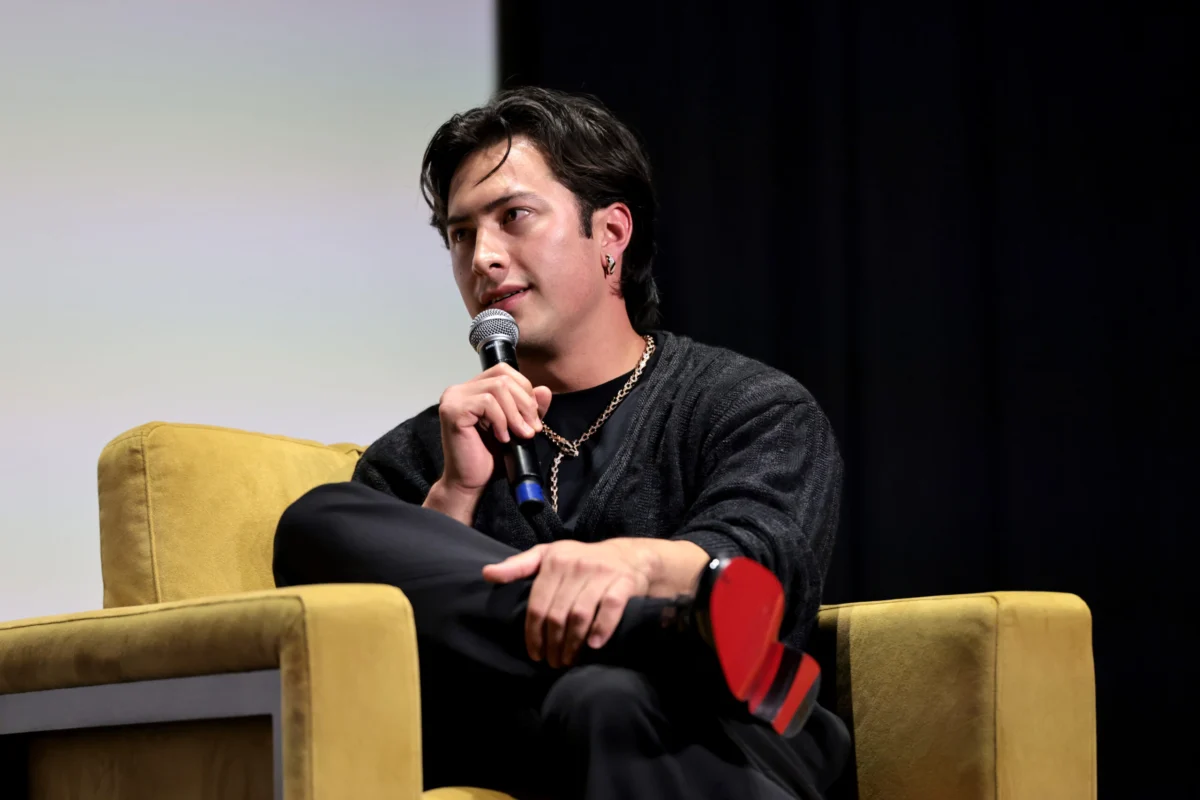
The Toronto International Film Festival served as the backdrop for a candid discussion regarding the evolving landscape of queer television, specifically focusing on the production of the second season of the breakout hit series Heated Rivalry. Hudson Williams, the 26-year-old lead actor, offered a detailed retrospective on the transition from the show’s freshman success to the rigorous demands of its sophomore outing. As the series moves forward with a narrative arc based on author Rachel Reid’s follow-up novel, The Long Game, the production team faces the challenge of maintaining the intimate, character-driven resonance that turned the first season into a cultural phenomenon.
The Evolution of a Queer Sports Drama
Heated Rivalry, a queer hockey romance drama that garnered significant critical acclaim upon its release, established itself as a cornerstone of modern independent television. The series, which explores the complex and often volatile relationship between professional hockey players Ilya and Shane, transcended the typical boundaries of the sports genre by centering on emotional vulnerability and the systemic pressures inherent in professional athletics.
When the series was first greenlit, expectations were modest, yet the project quickly found a devoted audience. According to industry analytics, the show’s success was driven by a combination of high-quality writing, authentic performances, and a growing demand for nuanced queer narratives in mainstream media. The transition to a second season, however, brings a new set of pressures. For Williams, the challenge is not merely reprising a role but deepening a character who has already been embraced by a global fanbase.
Chronology of the Production Return
The process of returning to a established character presented a unique psychological hurdle for the cast. During the panel at the Toronto International Film Festival, Williams detailed the apprehension he and co-star Connor Storrie felt before production commenced.
"It was surreal to step into it," Williams noted, reflecting on the initial days of shooting. He described the process as an exercise in muscle memory and artistic confidence. The initial phase of production involved individual scenes that highlighted the isolation of returning to a familiar environment without one’s primary scene partner immediately present.
Storrie, who began filming his scenes first, expressed a degree of professional self-doubt, questioning if he was truly "in" the character or merely performing an impression of his previous work. This phenomenon—where actors fear the artificiality of their own performance upon revisiting a character—is common in long-form television, yet it highlights the level of immersion required for a series as emotionally demanding as Heated Rivalry. When Williams arrived on set, he echoed these sentiments, noting that the presence of extras who were clearly fans of the first season added an extra layer of meta-awareness that initially threatened to break his immersion.
Maintaining Intimacy Through Consistent Leadership
A pivotal factor in the production’s stability has been the retention of the original creative team, led by showrunner Jacob Tierney. Tierney’s approach, which emphasizes a small, tight-knit set environment, has been credited by the cast as the primary reason they were able to regain their footing.
Industry experts suggest that the "small set" philosophy is increasingly vital for independent productions attempting to replicate the success of a first season. By maintaining the same crew, the production avoids the friction that often comes with personnel turnover, allowing for a more seamless transition into the more complex themes of the second season. This continuity is essential, particularly as the narrative shifts from the "yearning" and discovery phase of the first season to the more difficult realities of "external adversity" and professional relationship management depicted in The Long Game.
Analytical Context: The Shift in Narrative Scope
The second season of Heated Rivalry represents a strategic pivot in narrative scope. While the first season focused on the internal discovery of the characters’ feelings—often referred to as the "yearning" phase—the upcoming episodes will focus on the practical, external realities of their relationship.
Rachel Reid’s source material, The Long Game, is noted for its exploration of communication barriers and the stresses of professional sports, providing a roadmap for a more grounded, albeit more painful, exploration of the characters. Williams characterized this shift as a transition into "very real and human" conflict.
From an analytical standpoint, this evolution is a classic trope of successful long-form television. By escalating the stakes—not just in terms of romance, but in terms of professional consequences and societal expectations—the show risks alienating viewers who enjoyed the lighter, romantic tone of the first season. However, it also offers an opportunity for the series to mature alongside its audience. The inclusion of themes such as "external adversity" suggests a move toward a more dramatic, high-stakes environment that could potentially broaden the show’s appeal beyond its existing niche.
Industry Impact and Cultural Significance
The success of Heated Rivalry has been cited as a bellwether for the viability of queer-led sports dramas in the current streaming market. Data from the initial season indicated that the show performed exceptionally well with younger demographics, particularly those who engage with "book-to-screen" adaptations.
The decision by the production to lean into the more difficult, "frustrating" aspects of the second novel is a testament to the trust the creative team has in their audience. Rather than attempting to recreate the exact tone of the first season, they are opting for narrative growth. This is a significant risk in an industry that often prioritizes the repetition of successful formulas.
Future Projections and Challenges
As production continues, the primary challenge for Williams and Storrie will be navigating the emotional weight of the new script. Williams’s comments suggest that the actors are prepared for the taxing nature of the material, acknowledging that the frustration of the characters—who often leave scenes with issues unresolved—is intended to translate into compelling television.
The integration of these complex themes requires a delicate balance. If successful, the second season could cement Heated Rivalry as a definitive work in the genre, moving beyond the "queer romance" label to be recognized as a sophisticated drama about the intersection of professional ambition and personal sacrifice.
For the production team, the coming months will be defined by the pressure to meet both critical expectations and the fervent demands of a fan base that has spent the last ten months dissecting every aspect of the first season. With the showrunner’s commitment to intimacy and the cast’s dedication to character authenticity, the trajectory of the series remains focused on delivering a narrative that is both emotionally resonant and professionally ambitious.
The return of the series, therefore, serves as a case study in how to navigate the "sophomore slump." By acknowledging the difficulties of their roles and leaning into the inherent discomfort of their characters’ growth, Williams and his colleagues are positioning Heated Rivalry to reach a level of depth rarely seen in contemporary television. As the industry watches, the success of this season will likely depend on whether that "frustration" and "annoyance" mentioned by Williams can be successfully distilled into the high-quality, character-driven storytelling that defined their initial success.