


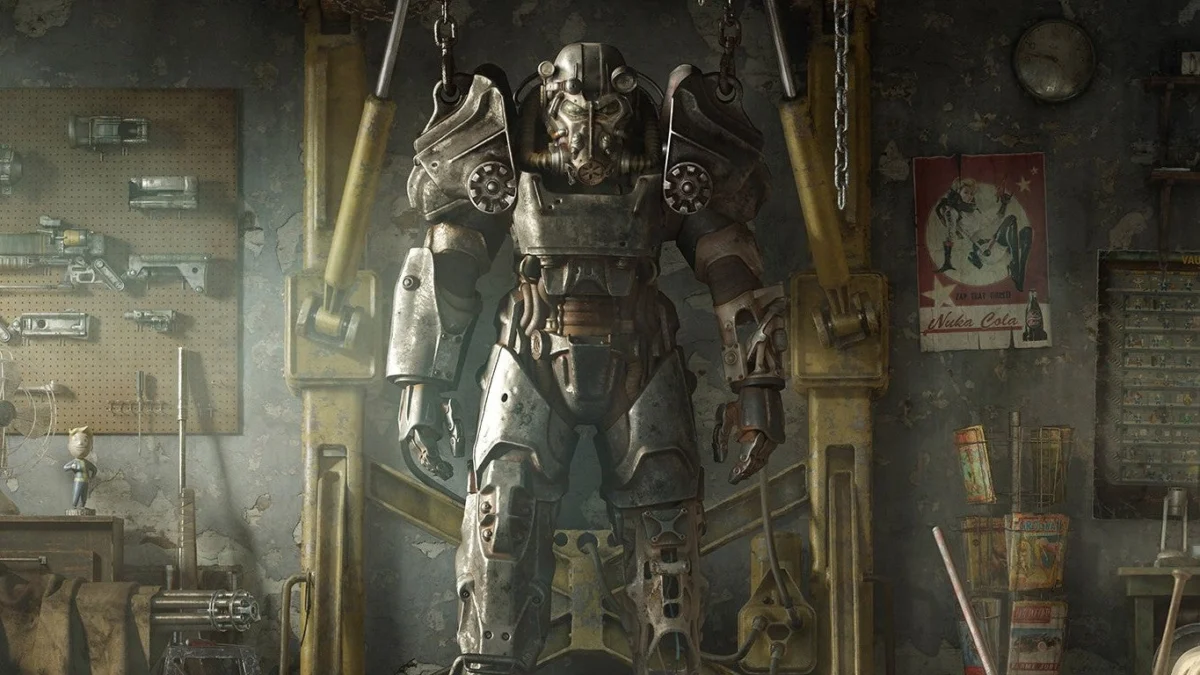
The labor dispute between Microsoft’s Bethesda Game Studios and its newly unionized workforce in Montréal has escalated into a formal legal battle following a wave of layoffs that employees claim violated both verbal agreements and provincial labor standards. OneBGS, the union representing workers at the Bethesda Montréal studio, has filed a legal complaint against the parent company, alleging that terminated employees were provided with the absolute minimum severance packages allowed by law, despite prior assurances that more favorable terms were being negotiated. This development marks a significant flashpoint in the ongoing tension between major gaming conglomerates and the rising tide of labor organization within the North American video game industry.
The Core of the Dispute: Allegations of Bad Faith Bargaining
According to statements released by OneBGS via social media and internal communications, the conflict stems from the handling of terminations that occurred on July 17. The union asserts that Microsoft and Bethesda leadership failed to honor commitments made during a general video call on July 6. During that meeting, employees were reportedly informed that their employment would remain secure until at least September and that the company was actively negotiating a severance package with the union to ensure a fair transition for those affected by the broader Xbox reorganization.
However, the reality that materialized on July 17 was starkly different. Workers received notification of their immediate termination and were presented with an exit package that the union describes as the "bare legal minimum." The package reportedly consisted of eight weeks of pay in lieu of notice and the payout of accrued vacation time. Crucially, the union claims that health insurance and group benefits were terminated "immediately," leaving former employees without coverage during a period of high economic uncertainty. OneBGS argues that by bypassing the union to issue these minimum packages, Bethesda and Microsoft have engaged in a "direct-to-employee" tactic that undermines the collective bargaining process and violates Canadian labor laws regarding the duty to bargain in good faith.
Chronology of the Xbox Layoff Wave
The layoffs at Bethesda Montréal do not exist in a vacuum; they are part of a massive restructuring effort at Microsoft’s gaming division that has seen thousands of jobs eliminated since the beginning of 2024. The timeline of these events illustrates a period of intense volatility for the company:
- January 2024: Microsoft announces the layoff of 1,900 employees across its gaming divisions, including Xbox, Bethesda, and the newly acquired Activision Blizzard.
- May 2024: Microsoft shocks the industry by closing several high-profile studios under the Bethesda/ZeniMax umbrella, including Tango Gameworks (the developers of Hi-Fi Rush) and Arkane Austin (the developers of Prey and Redfall).
- June 2024: Bethesda Montréal workers successfully form a "wall-to-wall" union with the Communications Workers of America (CWA), becoming the first Bethesda studio to do so.
- July 6, 2024: Bethesda leadership holds a video call with Montréal staff, allegedly promising stability until September and ongoing negotiations with OneBGS.
- July 17, 2024: Termination emails are sent to affected staff, detailing the minimum severance packages and immediate loss of benefits. This occurs on the same day Bethesda makes major public announcements regarding the future of the Fallout, Starfield, and Elder Scrolls franchises.
The Legal Landscape: Quebec’s Labor Protections
The legal complaint filed by OneBGS hinges on the specificities of labor law in Quebec, Canada, which generally provides more robust protections for unionized workers than many jurisdictions in the United States. In Canada, when a workforce is unionized, the employer is legally obligated to negotiate terms of employment, including severance and layoff procedures, through the union.
Legal experts suggest that by unilaterally setting the severance terms at the statutory minimum without reaching an agreement with OneBGS, Bethesda may have committed an "unfair labor practice." Furthermore, the abrupt nature of the terminations—contradicting the September timeline allegedly provided in the July 6 meeting—could be interpreted as a breach of the duty to act in good faith. The immediate cessation of health benefits is another point of contention, as many provincial standards require a "reasonable" transition period or the continuation of benefits through the notice period.
The Contrast Between Corporate Messaging and Worker Reality
One of the most striking elements of the July 17 terminations was the timing. While employees were receiving notice of their job losses and the loss of their healthcare, Bethesda’s public relations apparatus was in full swing, promoting a series of major updates for its flagship titles. This included new details on Fallout 76 expansions, the ongoing support for Starfield, and the long-term roadmap for The Elder Scrolls VI.
The union highlighted this juxtaposition in their public statements, noting that the company’s financial success and the hype surrounding its upcoming releases are built on the labor of the very people being "disposed of." The "cycle of workers paying for the mistakes of management" has become a rallying cry for OneBGS, which argues that the "business reset" cited by Microsoft executives should not come at the expense of the basic financial security of the developers.

Supporting Data: The Scale of Industry Layoffs
The situation at Bethesda Montréal reflects a broader trend of contraction within the global video game industry. Following a period of hyper-expansion during the COVID-19 pandemic, the industry has faced a cooling market, rising interest rates, and the pressure of consolidation.
- 2023 Totals: An estimated 10,500 game industry workers were laid off globally.
- 2024 Year-to-Date: Estimates suggest that over 11,000 workers have already been laid off in the first seven months of 2024, surpassing the previous year’s total.
- Microsoft’s Share: With the 1,900 cuts in January and subsequent rounds in May and July, Microsoft has been one of the primary drivers of these statistics, despite reporting record-breaking gaming revenue following the $68.7 billion acquisition of Activision Blizzard.
Analysts point out that Microsoft’s gaming revenue grew by 51% in the third quarter of its 2024 fiscal year, largely due to the Activision Blizzard acquisition. However, the pressure to deliver "margin expansion" to shareholders has led to aggressive cost-cutting measures, often targeting the very development teams responsible for the company’s most valuable intellectual property.
Official Responses and Union Mobilization
While Microsoft and Bethesda have generally declined to comment on specific personnel matters or the details of the OneBGS legal filing, their standard messaging has focused on the need for long-term "sustainable growth." In previous memos, Xbox head Phil Spencer has described the layoffs as "painful choices" necessary to align the company’s cost structure with its future ambitions.
In response, the labor movement within Microsoft is gaining momentum. The CWA, which represents OneBGS and several other units within the Microsoft ecosystem, has been vocal in its criticism. In direct response to the July layoffs, the union announced plans for a protest march, emphasizing that they "mean business" when it comes to defending the rights of their members. The union’s strategy involves not just legal filings, but public advocacy to draw attention to the human cost of corporate restructuring.

Broader Impact and Industry Implications
The outcome of the legal complaint in Montréal could have far-reaching implications for how Microsoft manages its global workforce. If the Quebec labor board finds that Bethesda violated the law, it could lead to mandatory renegotiations of severance packages and potential financial penalties. More importantly, it would set a precedent that unionized workers in the gaming industry can successfully challenge the "minimum-standard" approach to layoffs.
The morale at Bethesda is also a significant concern for the future of its major projects. Reports have surfaced suggesting that even the development of The Elder Scrolls VI, one of the most anticipated games in the industry, has felt the impact of the firing spree. When veteran developers are laid off or leave due to a perceived lack of job security, the institutional knowledge required to build massive, complex RPGs is depleted. This "brain drain" can lead to development delays and quality issues that eventually impact the bottom line.
Furthermore, the Bethesda Montréal situation serves as a case study for the benefits of unionization. Without the union, the affected employees would likely have had no recourse but to accept the eight-week severance. With OneBGS, they have a platform to challenge the company’s actions in court and a collective voice to demand transparency. As more studios at Microsoft and other major publishers consider unionization, the "Bethesda Montréal model" of legal and social resistance will likely be scrutinized by workers across the globe.
Conclusion: A Turning Point for Labor in Gaming
The legal battle between OneBGS and Bethesda represents more than just a dispute over severance pay; it is a fundamental clash over the value of labor in a multi-billion dollar industry. As Microsoft continues to integrate its massive acquisitions and navigate a shifting economic landscape, its relationship with its developers will remain under the microscope. For the workers in Montréal, the goal is clear: to ensure that the "bare legal minimum" is no longer the standard for those who build the worlds millions of players enjoy. The proceedings in the coming months will determine whether the legal protections of the Canadian labor system are strong enough to hold one of the world’s largest corporations accountable to its promises.